
Blog
24–48 Hour Buffer for Psilocybin and Alcohol: Clinical Risks


Mixing psilocybin and alcohol produces unpredictable, often unpleasant results, and no credible harm-reduction source recommends it. The safest rule is a 24 to 48 hour alcohol-free buffer before and after a psilocybin session. Clinical trials studying psilocybin therapeutically require full abstinence and direct supervision, not casual combination.
TL;DR:
- Mixing psilocybin and alcohol often intensifies nausea and dehydration, while impairing coordination and emotional regulation, especially at higher doses.
- Psilocybin activates serotonin receptors to increase perception, whereas alcohol depresses the nervous system, creating unpredictable effects when combined.
- Most recreational use involves drinking to manage nerves, which greatly increases risks like blackout, dehydration, and psychiatric distress due to impaired judgment.
- The safest approach requires abstaining from alcohol 24 to 48 hours before and after a psilocybin session, with microdosing also needing similar alcohol-free windows.
- Clinical research showing psilocybin reduces heavy drinking depends on strict abstinence and supervision, not casual mixing with alcohol at home.
Table of Contents
- What Typically Happens When You Mix Psilocybin and Alcohol
- How Psilocybin and Alcohol Act on the Brain Differently
- Why People Drink While Taking Psilocybin
- Does Alcohol Cancel Out Psilocybin’s Effects?
- Main Risks of Mixing Psilocybin and Alcohol
- How Long Should You Wait Between Alcohol and Psilocybin?
- What Clinical Research Actually Shows About Psilocybin and Alcohol Use Disorder
- When Mixing Signals a Bigger Problem
- A Straight Take on Harm Reduction
- Where to Find Lab-Tested Psilocybin and Dosing Guides
- Sources
What Typically Happens When You Mix Psilocybin and Alcohol
Combining the two rarely produces the experience either substance offers alone. Alcohol tends to blunt the depth and clarity of a psilocybin trip while amplifying nausea, and people report feeling emotionally unstable rather than open or reflective. Community harm-reduction reports back this up: drinking during a session commonly increases stomach upset and dulls the introspective quality people seek from psilocybin.
The physiological picture stacks risk on risk. You get dehydration from alcohol layered onto psilocybin’s own effects on body temperature and heart rate, plus impaired balance and a strained autonomic nervous system trying to process two opposing chemical signals at once.
- Nausea and gastrointestinal distress tend to intensify, not cancel out.
- Emotional swings become harder to predict or self-regulate.
- Coordination and balance suffer more than with either substance alone.
- The outcome depends heavily on dose, individual body chemistry, and setting.
None of this is fixed. A small amount of wine with a light psilocybin dose in a calm home setting behaves nothing like heavy drinking during a strong dose at a crowded event.
How Psilocybin and Alcohol Act on the Brain Differently
The two substances work in almost opposite directions, which is exactly why mixing them gets messy. Psilocybin converts to psilocin in the body and activates 5-HT2A serotonin receptors, driving cortical excitation, that is, increased signaling activity in brain regions tied to perception and self-referential thought.
Alcohol does the reverse. It potentiates GABA-A receptors and blocks NMDA receptors, producing broad central nervous system depression: slowed reaction time, sedation, reduced inhibition.
When you combine a receptor-activating compound with a receptor-suppressing one, the brain doesn’t average the two effects into something moderate. Instead, the excitatory push from psilocin can mask how sedated and impaired you actually are from alcohol. You might feel more alert or less drunk than your coordination and judgment suggest, which is where real danger creeps in.
Why People Drink While Taking Psilocybin
Most people who mix the two aren’t chasing a bigger high. They’re managing nerves.
- A drink beforehand to ease pre-trip anxiety or social awkwardness at a gathering.
- Alcohol offered casually in group settings where psilocybin is also present.
- Confusion about whether the same caution applies to microdosing as to a full psychedelic dose.
Motive matters here. Someone using alcohol to numb anticipatory anxiety before a macrodose faces a very different risk profile than someone who has a glass of wine on an otherwise ordinary evening and also happens to be microdosing. The dosing guidance that applies to one doesn’t automatically apply to the other.
Does Alcohol Cancel Out Psilocybin’s Effects?
Not in the way people hope. Cross-sectional survey data on recreational co-use suggests psilocybin can subjectively blunt the perceived effects of alcohol, meaning people often feel less drunk than they actually are.
That gap between feeling and reality is the whole problem. Blood alcohol concentration, motor impairment, and judgment deficits don’t disappear just because the psilocybin dulls your awareness of them. This mismatch is a well-documented pattern in small studies of recreational co-use, and it’s a common setup for overdrinking, blackouts, and accidents, because the internal warning signals people normally rely on to slow down simply stop working reliably.

Main Risks of Mixing Psilocybin and Alcohol
The dangers here are concrete and worth walking through one at a time.
- Vomiting and aspiration risk. Nausea is common with psilocybin alone; alcohol raises the odds and severity. Never let someone who has vomited from the combination sleep unsupervised or lie flat on their back.
- Dehydration and autonomic strain. Both substances tax fluid balance and heart rate. Water and electrolytes matter more than usual.
- Impaired judgment and accident risk. Disinhibition plus distorted perception is a bad combination near roads, water, heights, or stoves.
- Panic reactions and psychiatric vulnerability. Alcohol can intensify anxiety spikes during a difficult psilocybin moment, and having a calm, sober person present changes outcomes.
- Alcohol poisoning and blackout risk. Because psilocybin can mask perceived drunkenness, people drink more than they realize, raising the odds of dangerous blood alcohol levels.
Pro Tip: Keep a sober, trusted sitter present for any session where alcohol has been involved at all, even a single drink earlier in the day. Judgment failure, not pharmacological overdose, is the real acute danger in healthy adults, and a sober second opinion is the cheapest safeguard against it.
Public-health guidance is blunt on this point: combining psychoactive substances increases unpredictability and raises the risk of accidents and respiratory depression, and that risk calculus doesn’t improve just because psilocybin is a naturally occurring compound rather than a synthetic one. For anyone worried about a difficult experience unfolding, it also helps to review guidance on avoiding a bad trip before dosing, not during.
How Long Should You Wait Between Alcohol and Psilocybin?
The standard harm-reduction buffer is 24 to 48 hours alcohol-free on both sides of a macrodose session, a window recommended by clinical safety guides to protect judgment, hydration, and the integration period that follows a strong experience.

Microdosing calls for a lighter version of the same rule. Keep actual dosing days alcohol-free, and if you want to drink socially, do it on your rest days between doses rather than stacking substances on the same day. The details in microdosing guidance cover this rhythm in more depth.
Already hungover? Reschedule. A hangover means you’re already dehydrated and physiologically stressed, exactly the state you don’t want heading into a psilocybin session. Hydrate, rest, and try again another day.
What Clinical Research Actually Shows About Psilocybin and Alcohol Use Disorder
Here’s where context gets critical, because this is the research most likely to get misread as permission to self-medicate. Clinical trials studying psilocybin for Alcohol Use Disorder have shown reductions in heavy drinking days, with some participants maintaining improvements for months afterward.
A systematic review of classic psychedelics and alcohol use disorders found psilocybin has the most consistent evidence among psychedelics for reducing drinking, though the authors flagged methodological limitations across the studies and called for larger, better-controlled trials.
- Preclinical work shows psilocybin can restore mGluR2 receptor expression and reduce relapse-like drinking behavior in animal models, offering a plausible biological mechanism.
- Every trial pairs the drug with structured psychotherapy.
- Every trial enforces strict abstinence windows around dosing sessions.
Those conditions aren’t incidental. They’re the reason the results hold up. A guided, alcohol-free, therapist-supported protocol is not the same intervention as someone drinking wine while microdosing at home, and treating the research as a green light for casual mixing misreads what the studies actually tested.
When Mixing Signals a Bigger Problem
Occasional overlap is different from a pattern. Watch for repeatedly using alcohol to manage the emotional intensity of psilocybin, needing to combine them more often over time, or noticing that either substance is interfering with work, relationships, or responsibilities.
If that sounds familiar, talk to a clinician experienced in addiction or psychedelic-assisted therapy, and consider a supervised program that explicitly addresses treatment options rather than self-directed use. Seek emergency care immediately for unconsciousness, dangerously slow breathing, seizures, or severe confusion.
A Straight Take on Harm Reduction
Most guidance on this topic hedges. Mine won’t. If you’re choosing to use psilocybin recreationally or exploring it for your own wellbeing, treat alcohol as something to schedule around, not something to layer in. The clinical evidence for psilocybin and alcohol use disorder is genuinely promising, but it was built on abstinence and supervision, not on the idea that psilocybin makes drinking safer or drinking makes tripping smoother. It does neither. If you’re using psilocybin at all, use lab-tested product, respect the buffer windows, and if alcohol has become something you reach for around every session, that’s worth a real conversation with a clinician, not a workaround.
— Alex
Where to Find Lab-Tested Psilocybin and Dosing Guides
If you’ve decided psilocybin is right for you, sourcing matters as much as timing. Fungipsilocybinmushroom lab-tests its products before they ship, discreetly, worldwide, so you know your dose potency going in instead of guessing.
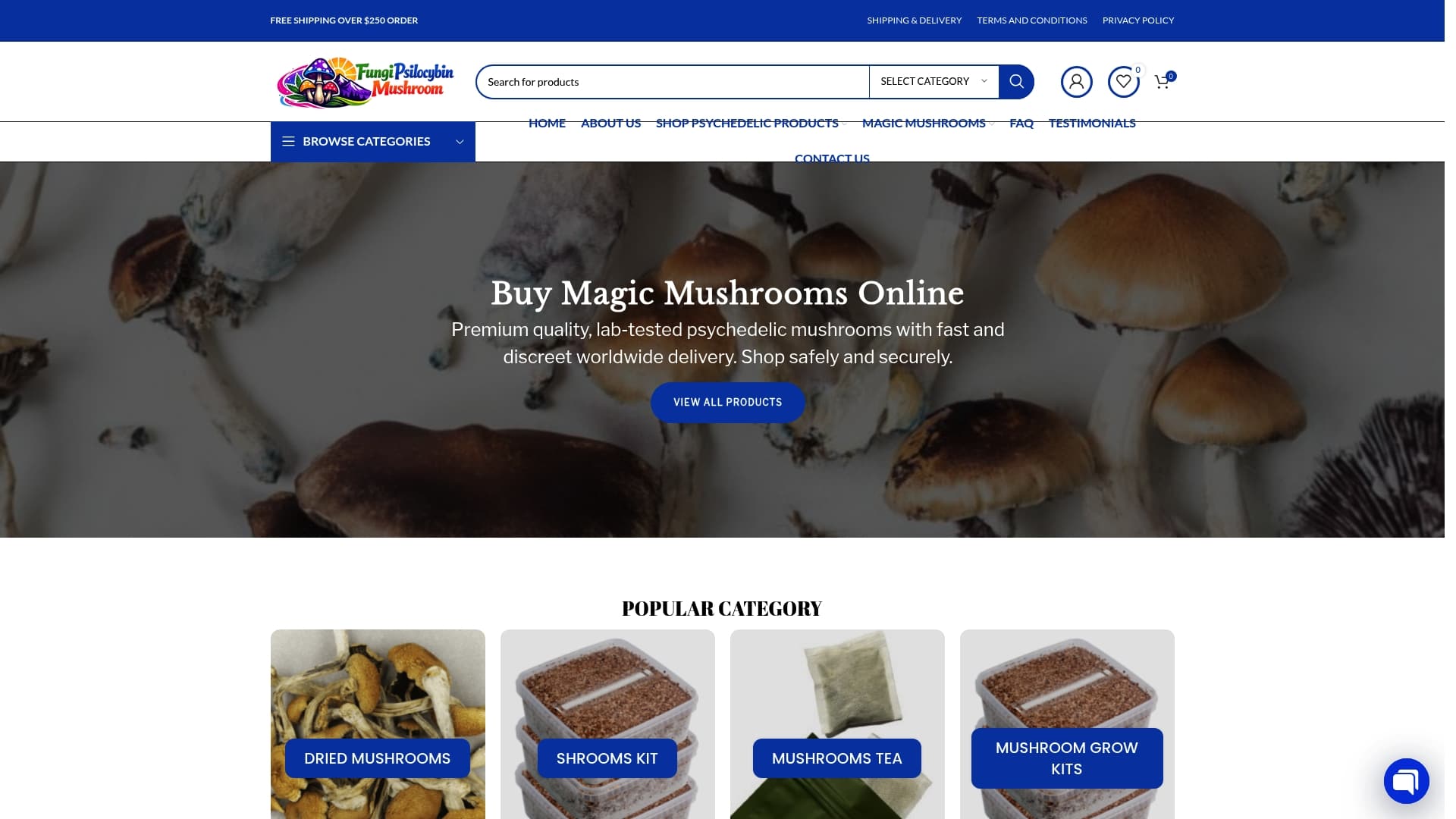
Beyond the products themselves, the site’s dosing guides walk through how to plan a session responsibly, including the alcohol-free windows covered above. Readers exploring lower-commitment options can start with the edible dosing details on the Seremoni chocolate bar line, which lists exact milligram amounts per piece. None of this replaces medical advice, especially for anyone managing alcohol use disorder or another mental health condition. But if you’ve already decided to move forward, start with a product page, check the lab results, and read the dosing notes before you order.
Sources
For deeper reading beyond this guide: the systematic review on psychedelics and alcohol use disorders covers the clinical evidence base, NIAAA’s overview of alcohol’s effects on the body explains alcohol-specific physiological risk, and the CDC’s polysubstance use guidance offers public-health context on combining substances generally.
This article is general information, not a substitute for advice from a qualified doctor. Consult a qualified healthcare professional about your own circumstances before acting on anything here.
- Barrett et al. (cross-sectional reports on recreational co-use)
- BU AOD Health summary of psilocybin trials for AUD
- Classic psychedelics and alcohol use disorders: systematic review (PMC9541961)
- CDC guidance on polysubstance use