Mushrooms
Psilocybin for Cluster Headaches: What the Trials Actually Show

Psilocybin Cluster Headaches research represents one of the most promising frontiers in pain medicine, though it remains investigational. The strongest controlled evidence for psilocybin cluster headaches treatment comes from a blinded extension trial where a repeat psilocybin pulse regimen cut attack frequency by roughly 50%, from 18.4 to 9.8 attacks per week. That result carried real statistical weight (p=0.013)—a rare achievement in a headache disorder this brutal and difficult to study.
That said, “promising” and “proven” are different words for a reason. Every trial behind psilocybin cluster headaches data is small, exploratory, and short in follow-up.
Bottom line: Psilocybin cluster headaches research shows a real signal for reducing attacks, but it remains investigational, not standard care.
Strongest evidence: the blinded extension study, with a nearly 50% drop in weekly attacks under repeat dosing.
Safety and legal note: Psilocybin cluster headaches trial dosing was medically supervised, and legal status varies by country and region. Self-treating outside research or clinical settings carries risks these studies were specifically designed to control for.
If you’re living with cluster headache and searching for options beyond what your neurologist has offered, this article walks through what the science says, what a dosing “pulse” or “busting” protocol actually looks like, and how to think about psilocybin cluster headaches access without stepping outside safe, informed decision-making boundaries.
Key Takeaways
Psilocybin cluster headaches trials show a real, statistically significant reduction in attack frequency, but treatment remains investigational and requires medical supervision.
| Point | Details |
|---|---|
| Strongest trial result | A repeat psilocybin pulse cut attacks from 18.4 to 9.8 per week (p=0.013) in a blinded extension study. |
| Regimen tested | Three oral doses of 0.143 mg/kg or a fixed ~10 mg, spaced about five days apart, under supervision. |
| Safety profile | No unexpected serious adverse events reported, but long-term data and larger samples don’t exist yet. |
| Where it fits in care | Studied as a preventive option for refractory chronic cluster headache, not as an acute attack treatment. |
| Product access | Fungipsilocybinmushroom offers lab-tested psilocybin products and educational resources for adults in legal contexts, separate from clinical treatment. |
What the Clinical Trials on Psilocybin Cluster Headaches Found
Two trials anchor most of what is currently known about psilocybin for cluster headaches, and a systematic review ties the wider picture together.
The first was an exploratory randomized, double-blind, placebo-controlled pilot testing a weight-based dose of 0.143 mg/kg (roughly equivalent to 10 mg per 70 kg of body weight) against placebo in chronic cluster headache patients. Researchers gave three oral doses as a “pulse,” and measured changes in attack frequency and intensity. In the chronic-patient subgroup, the effect size was large, d=1.25, meaning the difference between psilocybin and placebo was substantial in practical terms. But the sample was tiny, around 14 evaluable patients, and the overall efficacy outcome across the full study population did not reach statistical significance. Small numbers make it hard to separate a real drug effect from noise, even when the effect looks big on paper.
The second study, a blinded extension of that same trial, is where the evidence gets more compelling. Patients who received a repeat psilocybin pulse saw attack frequency drop from an average of 18.4 attacks per week down to 9.8, a reduction of about half, with a p-value of 0.013 and an effect size (d’) of 0.97. Those are strong numbers for any headache trial, let alone one testing a psychedelic. What makes this finding particularly interesting: some patients who did not respond to their first pulse still improved on a repeat dose, suggesting nonresponse the first time around does not necessarily predict failure on a second attempt.
A 2023 systematic review pulled together the available studies on psilocybin and headache disorders, cluster headache included. Its conclusion was measured: several small studies reported decreases in attack frequency or intensity, but the overall body of evidence is limited and inconsistent in design. That’s an honest summary, not a dismissal.
Key limitations across all of this research:
- Sample sizes are small, often fewer than 20 patients per arm.
- Study designs are exploratory, meaning they’re built to generate hypotheses, not confirm them.
- Follow-up periods are short, so nobody yet knows how durable the benefit is beyond a few months.
- Results may not generalize to every cluster headache subtype (episodic vs. chronic) or to patients with complex psychiatric or cardiac histories.
The headline statistic worth remembering: attacks per week fell from 18.4 to 9.8 in the blinded extension, the single most statistically robust number in the current literature on psilocybin for headaches.
The Pulse or Busting Regimen Tested in Research
Patients researching mushrooms for cluster headaches often encounter the term “busting,” a patient-coined phrase for using low, spaced doses of psilocybin (or LSD) to interrupt a cluster cycle. Clinical trials formalized this idea into what researchers call a pulse regimen, and the protocol details matter if you want to understand what’s actually been studied versus what’s discussed anecdotally online.
- Dose: either a weight-based dose of 0.143 mg/kg or a fixed dose around 10 mg, both intended to produce a moderate, not maximal, psychedelic effect.
- Number of doses: three oral doses per pulse, matching the protocol registered on Clinicaltrials.
- Spacing: doses were given approximately five days apart, not daily and not weekly.
- Setting: every dose was administered in a supervised clinical environment with vitals monitoring and psychiatric screening beforehand, not at home.
- Outcome tracking: researchers measured time to first attack, time to last attack, and percent change in both frequency and intensity, exactly the outcomes listed in the trial’s own registered protocol.
The dosing details in these trials were partly informed by patient reports of self-directed busting protocols, which is part of why researchers describe them as “patient-informed.” But there’s a meaningful gap between a supervised, monitored dose in a research setting and the same substance taken alone, without cardiovascular or psychiatric screening.
Pro Tip: If you’re trying to understand the numbers behind these protocols before talking to a specialist, our guide on how to dose magic mushrooms covers general dosing math, but it is not a substitute for the screening and monitoring built into a clinical trial. Cluster headache dosing decisions belong in a supervised setting, not a solo experiment.
Is Psilocybin Safe for Cluster Headache Patients?
Tolerability data from the trials is genuinely reassuring, with a caveat: reassuring at small scale is not the same as reassuring at large scale.
Across the pilot RCT and its extension, researchers did not report unexpected serious adverse events. Patients experienced the expected acute effects of a moderate psilocybin dose, altered perception, transient anxiety, nausea in some cases, but nothing outside what’s typically seen in supervised psilocybin research for other conditions.
One of the more counterintuitive findings: clinical benefit did not track with how intense the psychedelic experience felt. Patients who had a milder trip did not necessarily see less benefit than those who had a more intense one. That hints at a possible separation between psilocybin’s acute psychotropic effects and whatever is driving the drop in attack frequency, though researchers stop short of calling this settled science.
What trial-based screening typically checks for:
- Personal or family history of psychosis or bipolar disorder, both considered contraindications for psilocybin exposure.
- Cardiovascular risk factors, given psilocybin’s mild effects on heart rate and blood pressure.
- Current medications, particularly SSRIs, SNRIs, and MAOIs, which can interact with psilocybin’s serotonergic activity.
- Baseline psychiatric evaluation before any dosing session.
Pro Tip: If you’re on a daily preventive migraine or headache medication, don’t assume it’s compatible with psilocybin just because it’s common. Bring your full medication list to any specialist or trial coordinator conversation before considering psilocybin for headaches in any form.
What remains unknown is arguably more important than what’s been confirmed: long-term safety data doesn’t exist yet, and tolerability in larger, more diverse populations hasn’t been tested.
Why Might Psilocybin Help Cluster Headache? The Neuroscience So Far
Cluster headache has long been linked to the hypothalamus, the brain region that regulates circadian rhythms, which explains why attacks often cluster at the same time of day or year. Imaging research offers a plausible reason psilocybin might interrupt that cycle.
- Studies have found that changes in hypothalamic-diencephalic functional connectivity after psilocybin correlate with reductions in attack frequency. The more connectivity shifted, the bigger the drop in attacks.
- Preclinical research on psilocybin points to increased neuroplasticity, the brain’s capacity to form new connections, as a possible reason effects might outlast the drug’s presence in the body.
- None of this proves causation. These are correlations observed in small imaging studies, suggestive of a mechanism rather than confirmation of one.
The honest takeaway is that psilocybin appears to interact with the same hypothalamic circuitry implicated in cluster headache pathophysiology, but nobody has proven exactly how that translates into fewer attacks.
Where Psilocybin Fits Alongside Standard Cluster Headache Care
Psilocybin research is aimed at a preventive or transitional role, not an acute one. That distinction matters when you’re weighing it against what’s already available.
For an active attack, high-flow oxygen and subcutaneous sumatriptan remain the fastest, most established abortive options. Psilocybin pulse regimens are not designed to stop an attack in progress. They’re studied as a way to reduce how often attacks happen in the first place, more comparable in intent to preventive medications like verapamil or CGRP-targeting drugs than to a rescue treatment.
- Consider psilocybin research primarily if standard preventives have failed. Refractory chronic cluster headache, meaning verapamil, CGRP therapies, and other standard preventives haven’t worked, is the population most trials have focused on.
- Get a cardiac evaluation first. Verapamil itself carries cardiac considerations, and any new intervention should be screened against your cardiovascular baseline.
- Complete psychiatric screening before considering enrollment. A personal or family history of psychotic disorders is a common exclusion criterion in psilocybin trials.
- Ask your neurologist directly about ongoing trial opportunities rather than assuming none exist in your region.
- Flag any medication that affects serotonin. SSRIs and MAOIs in particular need a specialist’s review before any psilocybin research trial will consider you.
Pro Tip: If a clinician dismisses the question of psilocybin for headaches outright without discussing the trial data, consider getting a second opinion from a headache specialist at an academic center, where awareness of this research tends to run higher.
Red flags that should stop the conversation entirely: unstable psychiatric illness, active substance use disorder, or medications with known dangerous interactions with serotonergic compounds.
How to Find Legitimate Psilocybin Cluster Headache Trials
ClinicalTrials.gov is the primary public registry for finding active or completed studies, including protocols like NCT02981173, which outlines the exact pulse dosing and outcome measures used in published research.
- Check that a trial lists a named academic or hospital affiliation, not just a private clinic.
- Confirm the protocol references institutional review board (IRB) or ethics committee approval.
- Look for a published or registered protocol you can cross-reference against the trial’s actual claims.
- Contact the listed study coordinator directly rather than a third-party recruiter.
Legal status of psilocybin varies significantly by country, and in some places by state or region. Nothing in this article should be read as encouragement to source or use psilocybin outside a legal, supervised research context. Cluster headache is severe enough that self-experimentation carries real risk, both medical and legal.
What Cluster Headache Patients Should Take From This Research
The gap between what psilocybin promises for cluster headache and what’s actually confirmed is wide, and that gap is exactly where informed patients get the most value out of paying close attention.
Here’s the part that gets underplayed: the most statistically solid finding in this entire body of research came from a repeat dose, not a first attempt. That’s a detail patient communities have known intuitively for years through informal busting reports, but it took a blinded extension trial to actually put a number on it. If you tried a single psilocybin pulse once, years ago, and felt nothing, that outcome doesn’t necessarily predict how you’d respond to a properly repeated, monitored regimen.
The other underappreciated point is the dissociation between trip intensity and clinical benefit. A lot of psychedelic-curious patients assume a bigger, more intense experience means a stronger therapeutic effect. The cluster headache data doesn’t support that assumption, and it’s a useful corrective for anyone tempted to self-escalate a dose hoping for more relief.
None of this changes the fact that psilocybin for cluster headaches is still investigational. But “investigational” doesn’t mean ignore it. It means the smartest move for a patient with refractory disease is pushing your neurologist for a real conversation about trial referral, not quietly experimenting alone based on a forum post.

A Note on Product Quality From Fungipsilocybinmushroom
Fungipsilocybinmushroom focuses on lab-tested psilocybin products and educational resources for adults exploring psychedelics, including detailed guides on dosing, strain selection, and safe use practices. None of that changes the core message of this article: cluster headache is a severe neurological condition, and psilocybin’s role in treating it is still being defined through supervised clinical research, not personal experimentation. If you’re weighing psilocybin as part of a broader conversation about therapeutic use, our guide on strains selected for therapeutic contexts offers useful background, but a cluster headache diagnosis calls for a specialist and, ideally, a registered trial first.
Buying Lab-Tested Psilocybin Responsibly
If you’re an adult in a legal jurisdiction exploring psilocybin for wellness or research literacy rather than as a cluster headache treatment, product quality is where most of the real risk hides. Unregulated markets are full of mislabeled potency and unknown contamination, which is a very different problem than what any clinical trial is testing for.
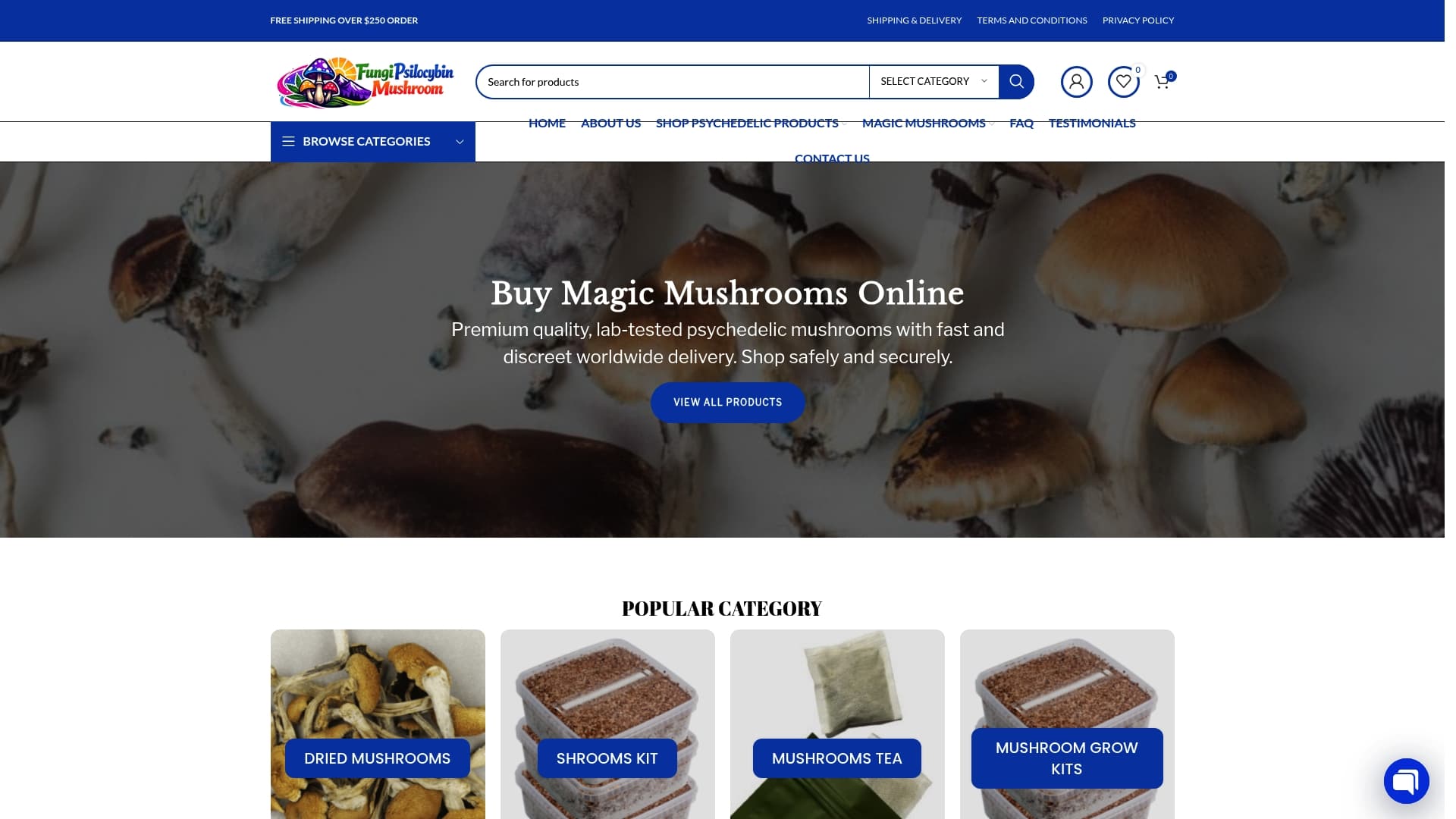
Fungipsilocybinmushroom lab-tests every batch before it ships, giving you a verified potency and purity profile instead of a guess. That distinction is the whole reason lab testing exists: a trial-grade dose only means something if you actually know what’s in it. Browse the Amazonian psilocybin mushroom collection to see verified lab results and strain details, and use that information to have a more informed conversation with your clinician, not as a replacement for one. If cluster headache is what brought you here, the right next step is still a referral to supervised research. But if you’re learning about psilocybin more broadly, that page is where to start.
Frequently Asked Questions
Does psilocybin actually reduce cluster headache attacks?
Controlled trial data shows a significant reduction in attack frequency with a repeat psilocybin pulse regimen, roughly a 50% drop in one blinded extension study. The evidence is promising but comes from small samples and needs replication in larger trials.
What dose of psilocybin was used in cluster headache research?
Trials used either a weight-based dose of 0.143 mg/kg or a fixed dose around 10 mg, given as three oral doses roughly five days apart under clinical supervision.
Is psilocybin legal to use for cluster headaches?
Legal status varies by country and, in some places, by state or region. Access to psilocybin for cluster headache currently exists mainly through registered clinical trials, not general medical prescription.
How does psilocybin compare to standard cluster headache treatments?
Standard acute treatments like high-flow oxygen and sumatriptan stop an attack in progress. Psilocybin pulse regimens are studied as a preventive approach, more comparable to preventives like verapamil, aimed at reducing how often attacks occur.
Who should not consider psilocybin for cluster headache research?
Trial screening typically excludes people with a personal or family history of psychosis or bipolar disorder, unmanaged cardiovascular risk, or current use of serotonergic medications like SSRIs or MAOIs without specialist clearance.
Sources
- Psilocybin pulse regimen reduces cluster headache attack frequency in the blinded extension phase of a randomized controlled trial
- Exploratory investigation of a patient-informed low-dose psilocybin pulse regimen in the suppression of cluster headache: Results from a randomized, double-blind, placebo-controlled trial
- A systematic review to assess the use of psilocybin in the treatment of headaches
- Clinicaltrials
Recommended
- How to Dose Magic Mushrooms – Fungi Psilocybin Mushroom 2026
- Mushrooms for Anxiety – Natural, Calming, and Powerful Support for a Healthier Mind 2025 | mushrooms for anxiety relief for sale
- Psilocybin Depression Treatment California: Your Complete Guide to Legal Mushroom Delivery Services and Therapeutic Options 2025 | mushroom delivery San Diego | mushroom for sale
- Microdosing Psychedelics: Unveiling Remarkable Health Benefits and Therapeutic Potential 2026

Psilocybin Anxiety Relief: What the Evidence Actually Shows
Psilocybin Anxiety Relief has produced rapid, sustained results in clinical settings, according to the landmark 2016 Griffiths et al. randomized trial. A single supervised dose, combined with psychotherapy, delivered dramatic drops in anxiety among people facing serious illness. A later systematic review of mechanistic and clinical literature backs the same conclusion, and Johns Hopkins has built an entire research program around replicating and extending those psilocybin anxiety relief outcomes.
That is the real headline: this is not folk medicine dressed up in new language. It is a compound with actual trial data behind psilocybin anxiety relief, tested mostly in people facing cancer-related distress or treatment-resistant depression.
The caution matters just as much as the promise. Most of the strong evidence for psilocybin anxiety relief comes from small, tightly screened trials—not from someone buying mushrooms online and dosing alone in a bedroom. The research applies specifically to:
- Anxiety tied to a life-threatening diagnosis, particularly cancer
- Treatment-resistant depression with a significant anxiety component
- Patients who underwent psychiatric screening and received supervised, in-person sessions with trained clinicians
Roughly 60 to 80% of participants in the Griffiths trial maintained clinically significant psilocybin anxiety relief at 6.5 months. That is a striking number for psychiatry, where relapse is the norm rather than the exception. It is also a number earned inside a controlled clinical setting, with medical oversight and careful preparation—not a casual trip.
Key Takeaways
Psilocybin anxiety relief shows a consistent, replicated anxiolytic signal in supervised clinical trials for illness-related anxiety, but it is not a proven treatment for generalized anxiety disorder used outside medical supervision.
| Point | Details |
|---|---|
| Trial evidence is real but narrow | The Griffiths 2016 trial showed 60 to 80% of cancer patients maintained anxiety relief at 6.5 months, but the population was illness-specific. |
| Mechanism centers on the DMN | Psilocybin binds 5-HT2A receptors and appears to downregulate default mode network activity, which is linked to reduced rumination. |
| Acute anxiety is a real risk | The 2024 iScience study found psilocybin can trigger acute anxiety and amygdalar changes during the session itself. |
| Screening is non-negotiable | Personal or family history of psychosis, unstable bipolar disorder, and MAOI use are established contraindications requiring clinician review. |
| Fungipsilocybinmushroom supports informed use | The site offers lab-tested products and educational resources so readers researching psilocybin for anxiety can make better-informed decisions. |
Key Primary Sources and Further Reading
- NCCIH psilocybin overview: federal guidance on risks and research status
- Johns Hopkins Center for Psychedelic and Consciousness Research: ongoing clinical trial summaries
- PMC mechanistic review: neuroplasticity, serotonin, and microdosing evidence gaps
- University of Wisconsin School of Pharmacy explainer: academic framing of anxiolytic mechanisms
Does Psilocybin Help Anxiety? The Clinical Trial Evidence
The strongest data on psilocybin for anxiety comes from a small number of trials, most of them built around people facing serious illness rather than generalized anxiety disorder as most readers experience it. That distinction shapes everything else in this section.
The 2016 Griffiths trial at Johns Hopkins remains the reference point. Researchers gave a single moderate dose of psilocybin to patients with cancer-related psychological distress, paired with psychotherapy before and after the session. Anxiety and depression scores dropped fast, often within a day or two, and the effect held up at follow-up months later. A parallel trial at NYU used a similar design and found comparable results in a separate patient group, reinforcing that the Hopkins findings were not a fluke tied to one research team.
Systematic reviews since then have tried to pool this data and ask a harder question: how big is the effect, really, and how confident should we be in it? A comprehensive review of psilocybin’s neurobiological and clinical evidence found consistent signals for anxiolytic and antidepressant effects across the macrodose trials, while flagging that microdosing research remains thin, mostly self-reported, and not powered the same way. That gap between macrodose and microdose evidence quality comes up again and again in the literature, and it is worth holding onto as you read claims elsewhere.
Here is how the key trials compare on design and outcome:
| Trial | Year | Population | Design | Primary outcome | Follow-up |
|---|---|---|---|---|---|
| Griffiths et al. (Johns Hopkins) | 2016 | Cancer patients with anxiety/depression | Randomized, double-blind, crossover | Rapid, sustained drop in anxiety and depression scores | 6.5 months |
| NYU cancer-distress trial | 2016 | Cancer patients with existential distress | Randomized, double-blind, crossover | Reduced anxiety and depression, improved quality of life | 6.5 months |
| Open-label depression studies | Various | Treatment-resistant depression | Open-label, no placebo control | Reduced depressive symptoms, secondary anxiety improvement | Weeks to months |
| Systematic review synthesis | Ongoing | Pooled trial populations | Meta-analytic and narrative review | Consistent anxiolytic signal in macrodose studies | Varies by trial |
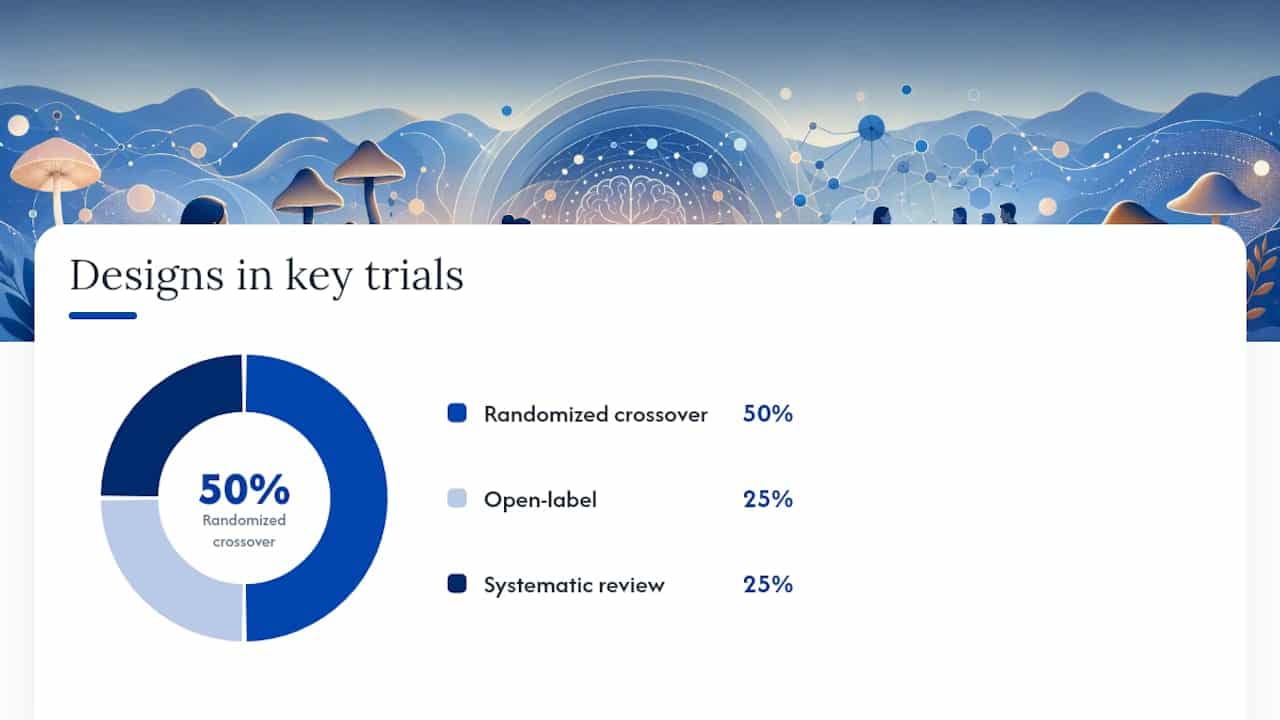
A few things jump out when you sit with that table. First, almost every rigorous trial uses a crossover or waitlist design rather than a true parallel-group placebo comparison, because blinding is nearly impossible when one group visibly experiences a psychedelic state and the other does not. Second, follow-up periods rarely extend past six or seven months, so claims about multi-year durability are not yet backed by the data. Third, populations skew heavily toward people already facing a life-threatening or treatment-resistant condition, which means results do not automatically generalize to someone with generalized anxiety disorder and no comorbid illness.
The limitations are not minor footnotes. They shape what a responsible reader should take from this evidence:
- Sample sizes in the landmark trials run from a few dozen to around a hundred participants, small by pharmaceutical standards.
- Nearly all rigorous data comes from people with cancer-related distress or treatment-resistant depression, not generalized anxiety in otherwise healthy adults.
- Blinding is compromised because participants and researchers can usually tell who received the active dose.
- Long-term data beyond six to twelve months is sparse, so claims about permanent remission outrun what trials have actually measured.
None of this erases the signal. It just means the honest claim is “promising and repeatedly replicated in narrow populations,” not “proven cure for anxiety.” You can read more about how these findings apply specifically to anxiety relief from psilocybin and how researchers frame the evidence for psychedelic mushrooms and anxiety more broadly.
How Does Psilocybin Reduce Anxiety in the Brain?
Psilocybin works by binding to the 5-HT2A serotonin receptor, which triggers a cascade of downstream effects tied to mood and cognition. Once metabolized into psilocin, it acts as a serotonin agonist that appears to increase neuroplasticity and quiet the default mode network, a network of brain regions associated with self-referential thought and rumination, according to a detailed mechanistic review.
Picture it this way: the default mode network (DMN) is the brain’s inner narrator, the voice that loops over worries, replays past mistakes, and rehearses future catastrophes. Anxiety disorders are, in part, a hyperactive version of that loop. Imaging research suggests psilocybin temporarily quiets DMN activity, and when that quieting happens inside a supportive, well-prepared session, patients often report a shift away from rigid, anxious thought patterns toward something more flexible. Reduced DMN chatter appears to translate into less rumination, which in turn seems to open space for the kind of emotional flexibility that anxious minds struggle to access.
The mechanisms researchers point to fall into a few overlapping categories:
- Serotonergic agonism at 5-HT2A receptors, which appears to be the primary trigger for psilocybin’s acute subjective and neurological effects.
- Increased neuroplasticity, giving the brain more capacity to form new associative patterns rather than defaulting to entrenched anxious ones.
- Default mode network downregulation, linked to reduced rumination and a looser grip on habitual, anxious self-narratives.
- Changes in amygdala reactivity, the brain’s threat-detection center, though a 2024 iScience study found some of these amygdalar molecular changes happen independently of 5-HT2A activation, meaning the full mechanistic picture is more tangled than a single-receptor story.
- Possible anti-inflammatory effects, an emerging area of interest that remains less established than the serotonergic and neuroplasticity pathways.
There is also a psychological layer that pure neuroscience cannot fully explain. Patients who experience what researchers call a “mystical” or peak experience, a sense of unity, ego dissolution, and transcendence during the session, tend to report stronger and longer-lasting anxiety relief. Patients who have a difficult or fragmented session, without that peak quality, often see weaker or shorter-lived benefit. This correlation between subjective experience and outcome is one reason clinicians treat the session itself, not just the molecule, as the active ingredient.
Microdosing sits outside almost all of this evidence because sub-perceptual doses do not typically produce the ego-dissolution experience linked to durable outcomes, and because microdosing research relies heavily on self-report rather than controlled trials, the mechanistic story above mostly does not apply to it. If you are curious how the two approaches diverge in evidence and intent, the microdosing psychedelics comparison breaks down where the data is thin.
What Are the Short-Term Risks of Taking Psilocybin?
Psilocybin sessions commonly produce nausea, headache, elevated heart rate and blood pressure, and in some cases a wave of transient anxiety or paranoia rather than the calm, insightful state people expect. The NCCIH lists these as recognized short-term effects, alongside a rare risk of persistent psychosis in vulnerable individuals.
The paradox here deserves attention: a substance studied for its anxiety-reducing potential can also cause acute anxiety during the experience itself. A 2024 study published in iScience documented exactly this, finding that psilocybin triggered acute anxiety in a subset of participants and identified molecular changes in the amygdala that help explain why. Some of these changes occurred independently of the 5-HT2A receptor pathway usually credited with psilocybin’s therapeutic effects, suggesting the anxiety-relief and anxiety-inducing pathways may not be as separable as clinicians would like.
Common short-term effects reported across trials and reviews include:
- Nausea and occasional vomiting, especially in the first 30 to 60 minutes
- Headache, both during and in the hours after the session
- Elevated heart rate and blood pressure, generally mild and self-limiting
- Transient anxiety, fear, or paranoia during the peak of the experience
- Perceptual distortions that can feel disorienting without proper preparation
Severity in supervised trials tends to be manageable. Clinicians trained in psychedelic-assisted therapy use grounding techniques, verbal reassurance, and a calm, low-stimulation environment to help a participant move through a frightening wave rather than escalate it. This is precisely why unsupervised use carries more risk: there is no trained person present to recognize a challenging reaction early and intervene before it spirals into panic or unsafe behavior.
Pro Tip: A “bad trip” during a clinical session is often managed successfully within the room through breathing, reassurance, and a change in music or lighting. Outside a supervised setting, that same reaction has no safety net.
Who Should Avoid Psilocybin for Anxiety?
Psilocybin is contraindicated for people with a personal or family history of psychosis or schizophrenia, and for those with unstable bipolar disorder, because the drug’s disruption of ordinary cognitive filtering can trigger or worsen psychotic symptoms. The NCCIH explicitly flags this population as higher risk.
Cardiovascular conditions matter too. Because psilocybin can raise heart rate and blood pressure, people with uncontrolled hypertension or certain heart conditions need clinician evaluation before considering a session, supervised or otherwise.
Medication interactions add another layer of complexity. Combining psilocybin with MAOIs can produce dangerous, unpredictable reactions, and mixing it with certain SSRIs or SNRIs may blunt the psychedelic effect or interact in ways that are not yet fully mapped out in the research. This is not a case where a quick internet search substitutes for a conversation with a prescribing clinician who knows the full medication history.
A responsible screening process, the kind used in clinical trials, typically covers:
- Full psychiatric history, including any personal or family history of psychosis, schizophrenia, or bipolar disorder
- Complete medication review, with particular attention to MAOIs, SSRIs, and SNRIs
- Cardiovascular assessment, including blood pressure and any history of heart disease
- Informed consent covering the nature of the experience, potential for acute anxiety, and the limits of what the research actually shows
- Assessment of current life stressors and readiness, since an unstable personal situation can amplify a difficult session
This is the part of the conversation that gets skipped in casual online discussion, and it is the part that separates a clinical protocol from a gamble.
How Is Psilocybin Delivered in a Therapeutic Setting?
Clinical psilocybin therapy follows a three-phase structure: preparation, the supervised dosing session, and integration afterward. Skipping any one of these phases is where most of the risk in “solo” psilocybin use for anxiety actually comes from.
- Preparation. Patients meet with a therapist beforehand to build rapport, discuss intentions, and get a clear picture of what the experience might involve. This phase is also where screening happens, ruling out contraindications and setting expectations honestly.
- The supervised session. Doses in trials for anxiety and depression have typically fallen in the range associated with a strong but manageable psychedelic effect, administered in a calm, controlled room with one or two trained sitters present throughout, often four to six hours.
- Integration. Follow-up sessions help patients process what happened, connect insights from the experience to daily life, and work through anything unresolved, including a difficult or frightening moment during the session itself.
Dosing in the landmark trials was deliberately conservative relative to recreational use, aimed at producing a meaningful psychedelic experience without pushing into territory more likely to cause overwhelming distress. Higher doses generally correlate with a stronger mystical-type experience and, per the correlational data mentioned earlier, potentially stronger anxiolytic outcomes, but they also raise the odds of a challenging psychological reaction. This is the tradeoff clinicians manage directly rather than leaving to chance. Readers curious about how these ranges compare to typical recreational use can review dosing guidance for magic mushrooms.
Microdosing takes a fundamentally different approach: small, sub-perceptual amounts taken on a schedule, often aiming for subtle mood or focus benefits rather than a full psychedelic experience. The evidence gap matters here. Full supervised doses have real randomized trial support behind their anxiety outcomes; microdosing has enthusiastic self-report but no equivalent controlled trial base. People drawn to microdosing chocolate formats, for example, are often chasing a gentler, everyday-life-compatible experience rather than the intensive clinical protocol described above, a distinction worth understanding before assuming the research applies equally to both.
What actually makes a session safe has less to do with the mushroom and more to do with who is in the room. Therapist training, a clear emergency protocol for medical or psychiatric complications, and a physically comfortable, low-stimulation environment are the three pillars every credible clinical program builds around, echoing what Johns Hopkins researchers describe as central to their protocol design.

Is Psilocybin Legal for Treating Anxiety?
Legal status varies enormously by country and even by region within a country, and nothing here should be read as legal advice for your specific location. Some places have decriminalized personal possession, a small number have regulated therapeutic or supervised-use programs, and in most of the world psilocybin remains a controlled substance with no legal therapeutic pathway at all.
Access generally falls into a few categories:
- Clinical trials, run through universities or research institutions, which offer supervised access but require meeting strict enrollment criteria
- Licensed therapy or supervised-use programs, available in a limited number of jurisdictions and typically requiring medical screening
- Private clinics, operating legally only where local law explicitly permits them
- Informal or unregulated access, which carries no medical oversight, no screening, and no emergency protocol if something goes wrong
Where legal supervised programs do exist, cost and availability are real barriers. A resource-intensive model involving trained therapists, extended session times, and follow-up integration care is expensive to run, which keeps many programs limited in capacity and out of reach for people without significant financial resources or trial access. Readers exploring regional programs, such as those covered in the California psilocybin treatment guide, should confirm current local law directly, since regulations shift.
How Can You Reduce Risk If You’re Exploring Psilocybin?
If you are researching psilocybin for anxiety outside a formal clinical trial, the gap between a safe experience and a dangerous one usually comes down to preparation, not the substance itself.
Start by evaluating any provider or facilitator with the same scrutiny you would apply to any other health decision:
- Confirm licensing or formal training in psychedelic-assisted therapy, not just general wellness credentials.
- Ask directly about medical oversight, including whether a physician reviews health history and current medications beforehand.
- Ask what the emergency protocol is if someone has a severe psychological or physical reaction.
- Confirm that informed consent covers realistic risks, including the chance of acute anxiety or a difficult psychological experience.
Beyond provider vetting, a handful of practical steps reduce risk regardless of setting:
- Review your current medications with a clinician, especially MAOIs, SSRIs, and SNRIs, before any session.
- Arrange for a sober, trusted person to be physically present the entire time.
- Control the environment: a quiet, comfortable, familiar space lowers the odds of a frightening reaction.
- Eat lightly beforehand and stay hydrated, since nausea is common in the first hour.
If a session takes a difficult turn, the immediate priorities are the same ones used in clinical settings: recognize the warning signs (severe confusion, chest pain, extreme agitation, or loss of physical control), keep the environment calm and low-stimulation, offer verbal reassurance rather than argument, and call emergency services without hesitation if physical symptoms suggest a medical emergency rather than a psychological one.
What Don’t We Know Yet About Psilocybin and Anxiety?
The honest answer is that researchers are still working out how far these findings generalize. Key open questions include:
- How psilocybin performs in generalized anxiety disorder specifically, separate from illness-related or existential anxiety
- Head-to-head comparisons against standard treatments like SSRIs or cognitive behavioral therapy, which barely exist yet
- Long-term relapse rates beyond the six to twelve month window most trials cover
- Optimal dosing schedules, including whether repeated sessions outperform a single high dose
- Whether microdosing has any measurable clinical effect beyond placebo, given the current lack of large double-blind trials
- Safety and efficacy in people with common comorbidities, such as substance use history or complex medication regimens
Future trials need larger sample sizes, better blinding strategies despite the inherent challenge of blinding a psychedelic experience, and follow-up windows stretching well past a year. Watch for Phase 3 trial results and any regulatory shifts tied to the FDA’s breakthrough therapy designations for psilocybin-assisted psychotherapy, which signal where the clinical pathway is likely headed next.
What the Landmark Cancer-Anxiety Trial Really Proved
The 2016 Griffiths trial remains the single most cited piece of evidence in this entire field, and it deserves a closer look on its own terms.
- A single moderate dose of psilocybin, combined with psychotherapy, produced rapid reductions in anxiety and depression among patients facing cancer-related distress.
- Between 60% and 80% of participants maintained clinically significant improvement at the 6.5-month follow-up mark, an unusually durable result for a single-session psychiatric intervention.
- The effect sizes reported were large by psychiatric research standards, though the sample size was modest, consistent with an early-phase trial rather than a large-scale confirmatory study.
What this trial does prove: a single supervised psilocybin session, embedded in psychotherapy, can produce a lasting reduction in anxiety tied to a life-threatening diagnosis. What it does not prove: that the same protocol works the same way for generalized anxiety disorder in someone without a serious illness, or that the benefit holds indefinitely beyond the studied window. Existential anxiety tied to mortality and illness is psychologically distinct from chronic, free-floating anxiety, and conflating the two is one of the more common misreadings of this research floating around online. The original trial data, available through Griffiths et al., 2016, remains the primary source anyone citing this study should actually read rather than paraphrase secondhand.
A Publisher’s Note on This Research
Fungipsilocybinmushroom approaches this topic from an evidence-first, harm-reduction stance: we would rather readers understand the real limits of the data than oversell what psilocybin can do. As a retailer of lab-tested Amazonian mushrooms and other psychedelics, we have a direct stake in this conversation, which is exactly why we point readers toward licensed clinicians and legitimate research before anything else. Nothing here replaces a conversation with a qualified medical or mental health provider.
Get Lab-Tested Psilocybin Products From Fungipsilocybinmushroom
Reading the clinical evidence is one thing. Finding a product you can actually trust is another problem entirely, and it is where most people researching psilocybin for anxiety hit a wall: sketchy sourcing, no lab verification, and zero transparency about potency. Fungipsilocybinmushroom solves that specific problem. Every product ships with lab testing behind it, discreet worldwide delivery, and a catalog built for both first-timers and people with years of experience, from milder Golden Teacher varieties to more intense options for experienced users.
If dosing precision matters to you, which it should given everything the research says about dose and outcome, the Seremoni psilocybin chocolate bar offers consistent, measurable dosing in an edible format, useful for anyone trying to replicate a controlled, deliberate approach rather than guessing at a dried mushroom’s potency. Pair that with our educational guides on strains suited to therapeutic use to match a product to your goals. Browse the current catalog and place an order through our secure checkout to get started.
Frequently Asked Questions
Does psilocybin actually help anxiety, or is that overstated online?
Clinical trials show real, measurable anxiety reduction, particularly in people facing cancer-related distress, but the strongest data comes from supervised sessions with psychotherapy, not casual use.
How long does psilocybin’s anxiety relief typically last?
In the Griffiths trial, most participants who improved held that improvement at 6.5 months. Data beyond that window remains limited.
Can psilocybin make anxiety worse instead of better?
Yes. Acute anxiety and paranoia during the session are recognized short-term risks, documented in both NCCIH guidance and a 2024 iScience study.
Is microdosing effective for anxiety?
The evidence is much weaker than for supervised full doses. Microdosing research relies mostly on self-report rather than controlled trials, according to a comprehensive mechanistic review.
Who should never take psilocybin for anxiety?
People with a personal or family history of psychosis or schizophrenia, unstable bipolar disorder, certain cardiovascular conditions, or those taking MAOIs should avoid it without direct clinician guidance.
How does psilocybin compare to SSRIs or CBT for anxiety?
Direct head-to-head trials against SSRIs or cognitive behavioral therapy are still lacking. Current evidence suggests psilocybin can work faster in specific populations, but standard treatments have far more long-term safety data.
This article is general information, not a substitute for advice from a qualified doctor. Consult a qualified healthcare professional about your own circumstances before acting on anything here.
Sources
- Mushrooms, microdosing, and mental illness: The effect of psilocybin on neurotransmitters, neuroinflammation, and neuroplasticity (PMC review)
- Psilocybin for mental health and addiction: What you need to know (NCCIH)
- Johns Hopkins Center for Psychedelic and Consciousness Research — summary page
Recommended
How to Dose Magic Mushrooms
How to Dose Magic Mushrooms

How to Dose Magic Mushrooms (Without Ruining Your Day)
Getting the dose right is probably the most important thing you can do before taking magic mushrooms. Too little and you barely feel anything. Too much and you’re in way deeper than you planned. This guide is for anyone approaching psilocybin for the first time, or anyone who wants to feel more confident about what they’re actually taking.
Here’s what we’ll cover:
-
What’s actually happening in your body — psilocybin isn’t the compound that gets you high, and knowing the difference matters for understanding how dosing works
-
How much to take — from a light 0.5g social dose all the way up to a full 3.5g experience, with clear descriptions of what to expect at each level
-
What affects how strong it hits — your metabolism, the freshness of the mushrooms, your mental state, and a handful of other factors can all shift the experience significantly
One thing worth saying upfront: psilocybin is a controlled substance in most places. This guide is written for harm reduction purposes, aimed at people in regions where it’s legal or decriminalized, and anyone curious about how clinical research is shaping what we know about safe dosing.
Understanding the Active Compound in Magic Mushrooms
What Psilocybin Is and How It Works in the Body
Psilocybin is a prodrug — a biologically inactive compound that requires metabolic conversion before it produces any effect. On its own, psilocybin does nothing. Only after the body processes it does the psychedelic experience begin.
How Psilocybin Converts to Psilocin for Psychedelic Effects
Once consumed, the body rapidly metabolizes psilocybin into psilocin, the compound responsible for all psychedelic effects. Psilocin works because its chemical structure closely resembles serotonin, a key neurotransmitter. This similarity allows it to bind to serotonin receptors, producing the altered perception and mood changes associated with magic mushrooms.
Why Psilocybin Content Varies Between Species and Samples
Understanding this variability is critical when learning how to dose magic mushrooms accurately. Potency differs considerably across species and even between harvests of the same species:
| Species/Variable | Psilocybin Content (Dry Weight) |
|---|---|
| General range (dried mushrooms) | 0.1% – 2.0% |
| Psilocybe cubensis (typical) | ~0.5% – 1.0% total psilocin (~1% psilocybin) |
Because chemical content fluctuates even within a single harvest, lab testing remains the only reliable method to determine a sample’s exact potency.
Factors That Influence the Intensity of Your Experience
A. Type of Mushroom Species and Strain Potency
Potency varies significantly across species and strains. For instance, Enigma can be 1.5x to 2x stronger than standard cubensis strains, making strain selection critical when learning how to dose magic mushrooms.
B. Freshness, Storage, and Preparation of Mushrooms
Degraded or improperly stored mushrooms lose psilocybin content, directly affecting intensity. Always use properly dried, well-stored mushrooms for consistent, predictable results.
C. Individual Differences Including Metabolism and Tolerance
Key personal factors include:
-
Metabolism and serotonin receptor density
-
Body weight (a minor factor compared to metabolism)
-
Prior psychedelic experience
-
Tolerance, which builds rapidly with repeated use, requiring progressively higher doses for equivalent effects
D. Set and Setting: Mental State and Environment
-
Set: Avoid dosing during stressful or negative mental states
-
Setting: Choose familiar, comfortable, and safe environments
Both elements profoundly shape the quality and intensity of the experience.
E. Food, Medications, and Other Substances
| Factor | Effect |
|---|---|
| Recent large meal | Slows onset |
| Empty stomach | Intensifies/accelerates effects |
| Alcohol or medications | Can interact negatively with psilocybin |
Always review any concurrent substance use before dosing.
Essential Tools for Accurate Dosing
A. Why a Micro Digital Scale Is a Must-Have
When learning how to dose magic mushrooms, precision is non-negotiable. A micro digital scale is essential for accurately measuring doses, whether you’re microdosing or macrodosing. Without one, even small miscalculations can significantly alter your experience.
> Exception: Pre-measured products may eliminate this requirement.
B. Understanding Wet vs. Dried Mushroom Weight Differences
Now that we’ve covered the importance of a scale, understanding weight differences between wet and dried mushrooms is equally critical.
| State | Water Content | Weight Impact |
|---|---|---|
| Wet mushrooms | High | Heavier, lower potency per gram |
| Dried mushrooms | Low | Lighter, more concentrated potency |
Always confirm whether your mushrooms are wet or dried before dosing, as treating them interchangeably leads to inaccurate dosing.
C. Knowing Your Mushroom Species and Sourcing From Trusted Suppliers
With this in mind, identifying your specific mushroom species is vital. Potency varies considerably between species, making generic dosing assumptions unreliable.
Sourcing from trusted suppliers protects against:
-
Contamination — molds and bacteria
-
Misidentification — toxic species mistaken for psilocybin mushrooms
Always verify your source before consuming.
Complete Magic Mushroom Dosage Guide
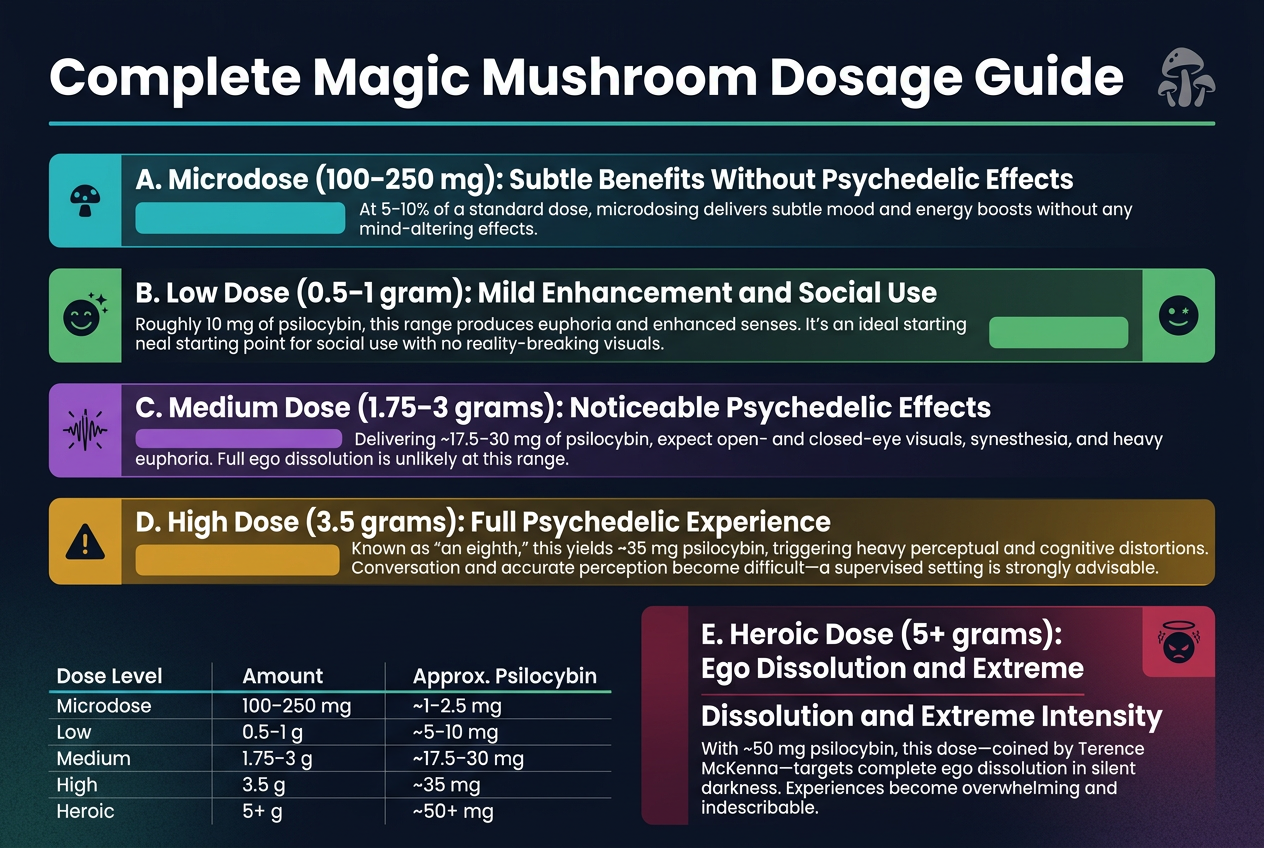
A. Microdose (100–250 mg): Subtle Benefits Without Psychedelic Effects
At 5–10% of a standard dose, microdosing delivers subtle mood and energy boosts without any mind-altering effects.
B. Low Dose (0.5–1 gram): Mild Enhancement and Social Use
Roughly 10 mg of psilocybin, this range produces euphoria and enhanced senses. It’s an ideal starting point for social use with no reality-breaking visuals.
C. Medium Dose (1.75–3 grams): Noticeable Psychedelic Effects
Delivering ~17.5–30 mg of psilocybin, expect open- and closed-eye visuals, synesthesia, and heavy euphoria. Full ego dissolution is unlikely at this range.
D. High Dose (3.5 grams): Full Psychedelic Experience
Known as “an eighth,” this yields ~35 mg psilocybin, triggering heavy perceptual and cognitive distortions. Conversation and accurate perception become difficult—a supervised setting is strongly advisable.
E. Heroic Dose (5+ grams): Ego Dissolution and Extreme Intensity
With ~50 mg psilocybin, this dose—coined by Terence McKenna—targets complete ego dissolution in silent darkness. Experiences become overwhelming and indescribable.
| Dose Level | Amount | Approx. Psilocybin |
|---|---|---|
| Microdose | 100–250 mg | ~1–2.5 mg |
| Low | 0.5–1 g | ~5–10 mg |
| Medium | 1.75–3 g | ~17.5–30 mg |
| High | 3.5 g | ~35 mg |
| Heroic | 5+ g | ~50+ mg |
How Clinical Research Informs Safe Dosing
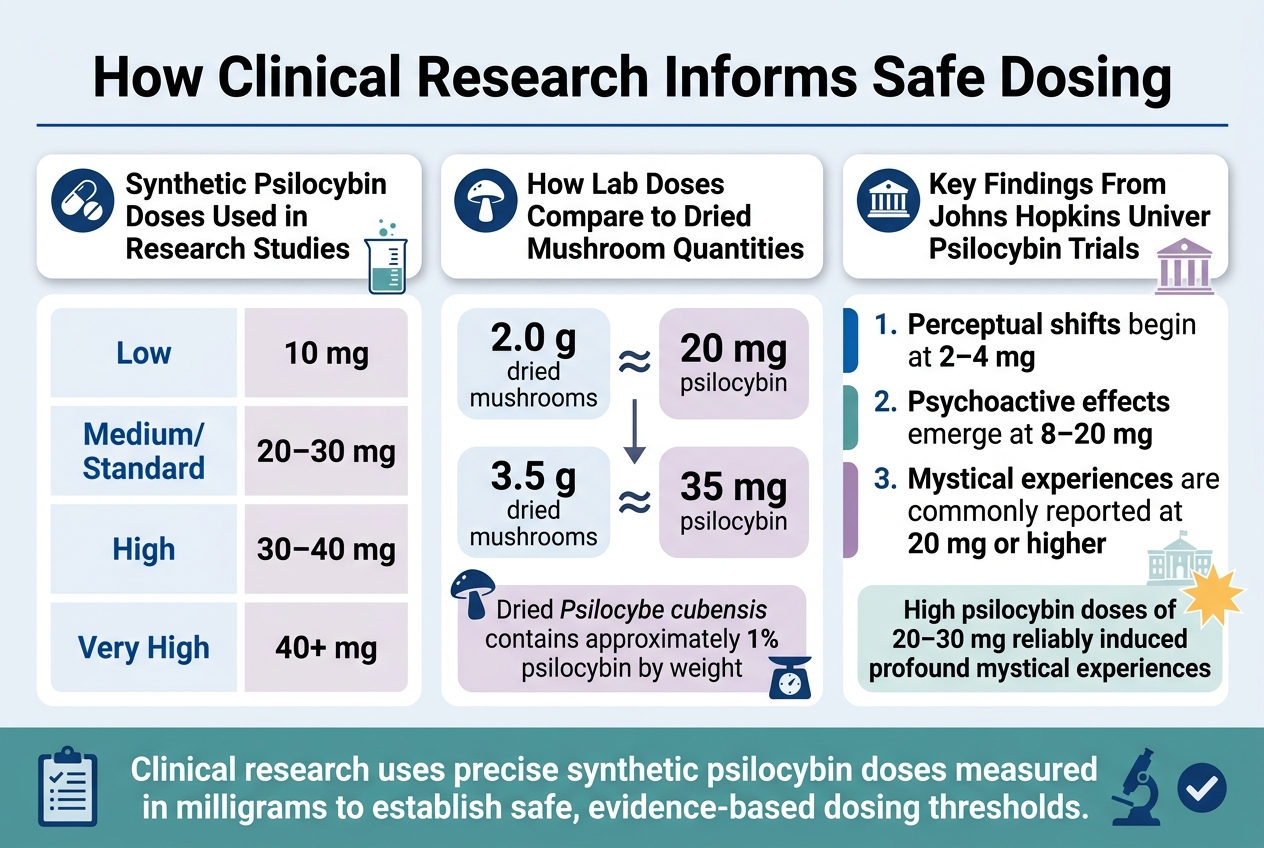
Synthetic Psilocybin Doses Used in Research Studies
Clinical research uses precise synthetic psilocybin doses (measured in milligrams) rather than dried mushrooms:
| Dose Level | Synthetic Psilocybin |
|---|---|
| Low | 10 mg |
| Medium/Standard | 20–30 mg |
| High | 30–40 mg |
| Very High | 40+ mg |
Perceptual shifts begin at 2–4 mg, psychoactive effects emerge at 8–20 mg, and mystical experiences are commonly reported at 20 mg or higher.
How Lab Doses Compare to Dried Mushroom Quantities
With this in mind, translating lab doses to real-world mushroom quantities is essential for understanding how to dose magic mushrooms safely. Dried Psilocybe cubensis contains approximately 1% psilocybin by weight, meaning:
-
2.0 g dried mushrooms ≈ 20 mg psilocybin (standard dose)
-
3.5 g dried mushrooms ≈ 35 mg psilocybin (high dose)
Key Findings From Johns Hopkins University Psilocybin Trials
Pioneering trials at Johns Hopkins University established that high psilocybin doses of 20–30 mg reliably induced profound mystical experiences in participants. These findings provide a critical scientific foundation for understanding dosage thresholds and their psychological effects.
Best Practices for a Safe Dosing Experience
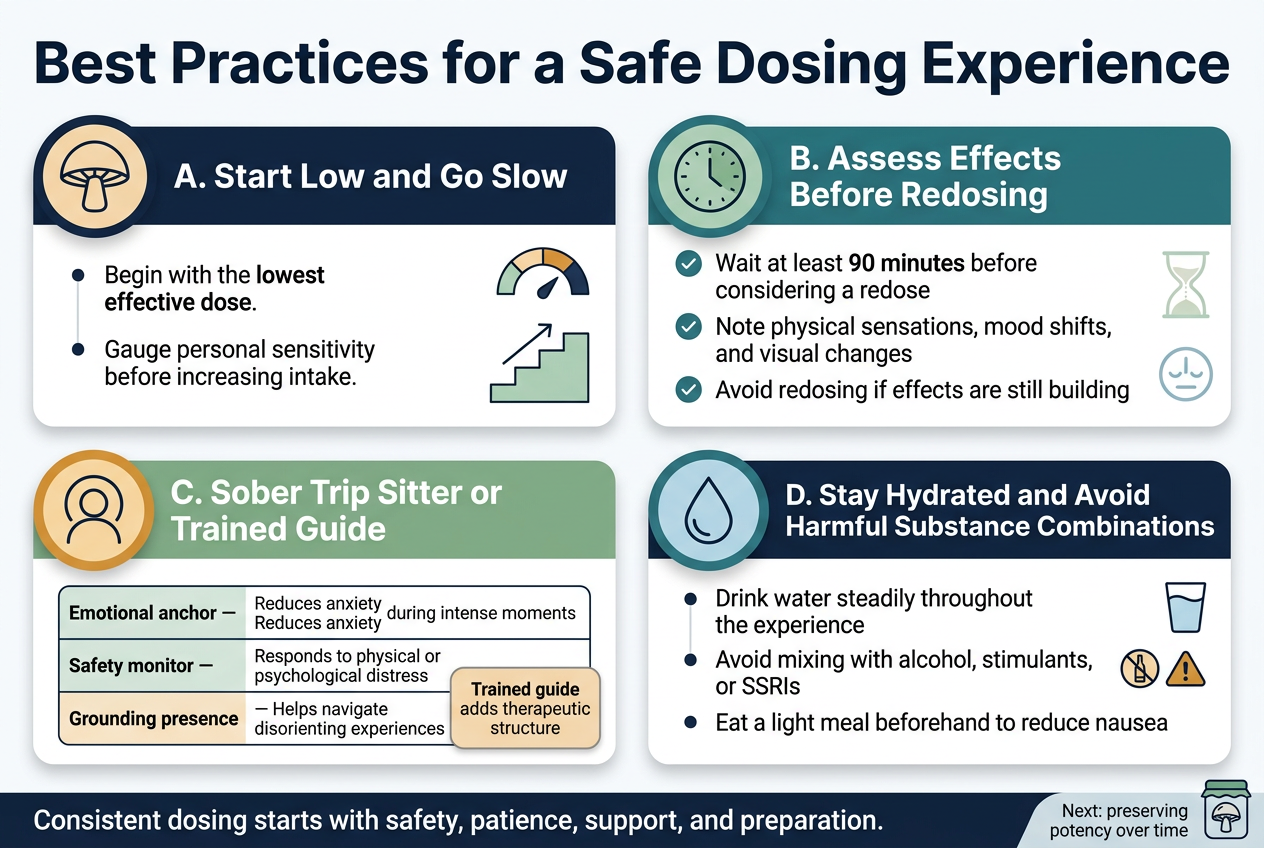
A. Start Low and Go Slow: The Golden Rule for Beginners
When learning how to dose magic mushrooms, always begin with the lowest effective dose. This minimizes risk and lets you gauge personal sensitivity before increasing intake.
B. How to Assess Effects Before Redosing
-
Wait at least 90 minutes before considering a redose
-
Note physical sensations, mood shifts, and visual changes
-
Avoid redosing if effects are still building — patience prevents accidental overconsumption
C. The Importance of a Sober Trip Sitter or Trained Guide
A trusted, sober companion provides:
| Role | Benefit |
|---|---|
| Emotional anchor | Reduces anxiety during intense moments |
| Safety monitor | Responds to physical or psychological distress |
| Grounding presence | Helps navigate disorienting experiences |
A trained guide adds therapeutic structure, particularly at moderate-to-high doses.
D. Staying Hydrated and Avoiding Harmful Substance Combinations
-
Drink water steadily throughout the experience
-
Avoid mixing with alcohol, stimulants, or SSRIs, which can unpredictably alter or dampen effects
-
Eat a light meal beforehand to reduce nausea
Now that we have covered best practices, the next section explores how to preserve mushroom potency over time for consistent dosing results.
Tips for Preserving Mushroom Potency Over Time
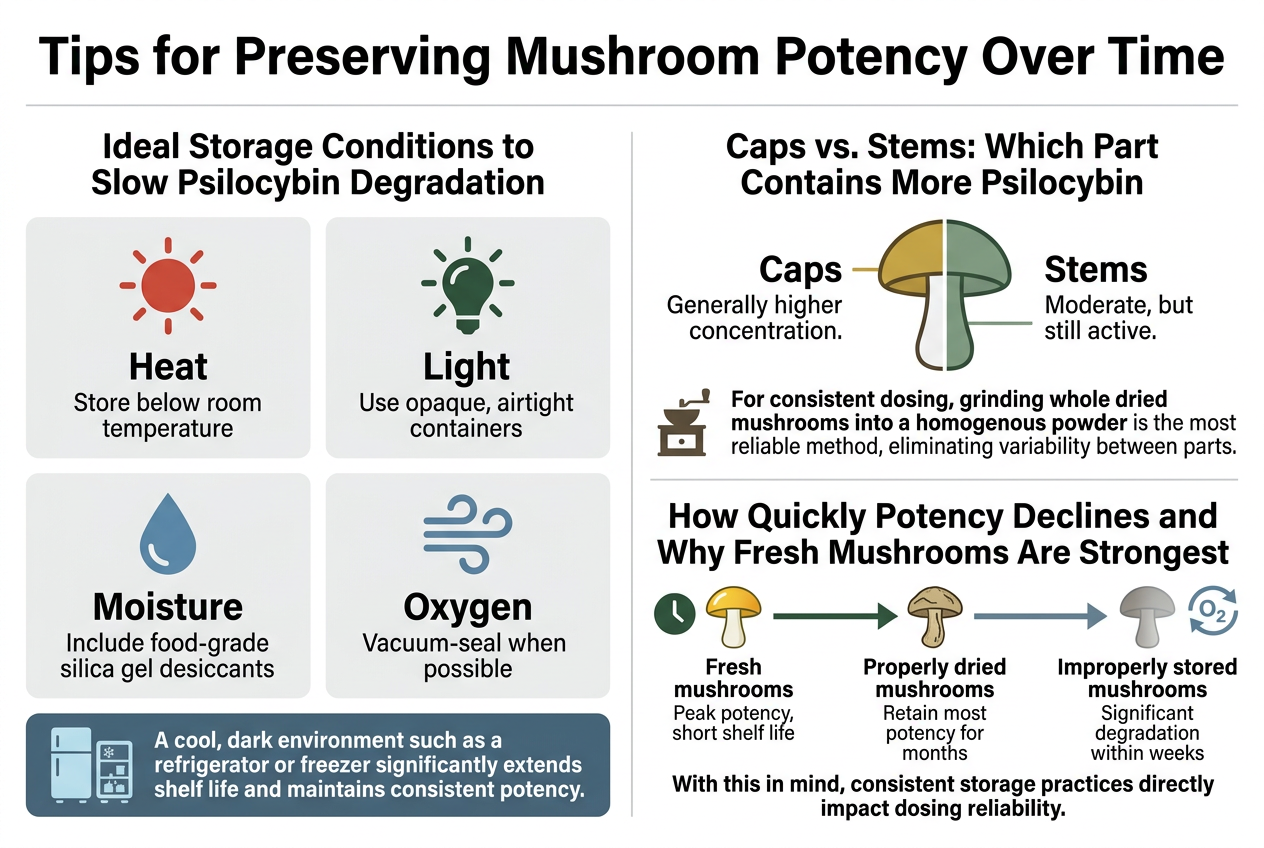
Ideal Storage Conditions to Slow Psilocybin Degradation
Proper storage is critical when considering how to dose magic mushrooms accurately. Psilocybin degrades when exposed to:
-
Heat – Store below room temperature
-
Light – Use opaque, airtight containers
-
Moisture – Include food-grade silica gel desiccants
-
Oxygen – Vacuum-seal when possible
A cool, dark environment such as a refrigerator or freezer significantly extends shelf life and maintains consistent potency.
Caps vs. Stems: Which Part Contains More Psilocybin
Psilocybin distribution varies across mushroom anatomy:
| Part | Relative Psilocybin Content |
|---|---|
| Caps | Generally higher concentration |
| Stems | Moderate, but still active |
For consistent dosing, grinding whole dried mushrooms into a homogenous powder is the most reliable method, eliminating variability between parts.
How Quickly Potency Declines and Why Fresh Mushrooms Are Strongest
Fresh mushrooms contain the highest psilocybin levels, but potency begins declining almost immediately after harvest due to enzymatic activity and oxidation.
Key points:
-
Fresh mushrooms – Peak potency, short shelf life
-
Properly dried mushrooms – Retain most potency for months
-
Improperly stored mushrooms – Significant degradation within weeks
With this in mind, consistent storage practices directly impact dosing reliability.
7 FAQ How to Dose Magic Mushrooms
What’s the right starting dose for beginners?
Start with 1–1.5g of dried mushrooms. This range is gentle enough to avoid overwhelming sensations while still offering a noticeable shift in perception.
How long does it take for magic mushrooms to kick in?
Typically 20–60 minutes, depending on your metabolism and whether you’ve eaten recently. An empty stomach speeds things up considerably.
Can I redose during a session?
Redosing mid-trip rarely works the way people expect. Your brain quickly becomes less responsive to psilocybin during an active experience, so a second dose usually adds little effect.
How do I dose magic mushrooms accurately?
Use a digital scale that measures to 0.01g. Eyeballing is unreliable — even experienced users get it wrong.
Does body weight affect the dose?
Surprisingly, not much. Sensitivity, mental state, and stomach contents matter far more than body weight when figuring out how to dose magic mushrooms.
How often can I take magic mushrooms?
Leave at least 2–3 weeks between sessions. Tolerance builds fast and fades slowly, so spacing trips out keeps the experience meaningful.
Are dried and fresh mushrooms dosed the same way?
No. Fresh mushrooms are roughly 90% water. Multiply your dried dose by 10 for an equivalent fresh amount — so 2g dried equals about 20g fresh.
Dosing magic mushrooms safely comes down to understanding several key factors working together. Psilocybin content varies between species and even individual mushrooms, making accurate measurement with a digital scale essential. Your set and setting, mental state, metabolism, and tolerance all influence how strongly you’ll feel the effects — sometimes more than the dose itself. Whether you’re exploring a low 1-gram dose for subtle effects or a full 3.5-gram experience, clinical research from institutions like Johns Hopkins confirms that even medium-range doses can produce profoundly meaningful experiences.
The golden rule remains simple: start low and go slow. Store your mushrooms properly at room temperature in the dark to preserve potency, have a trusted sober friend nearby if you’re inexperienced, and avoid mixing psilocybin with other substances. Take time to set clear intentions, journal your experiences, and educate yourself on harm reduction practices. Approaching magic mushrooms with patience, preparation, and respect is the most reliable path to a safe and meaningful experience.
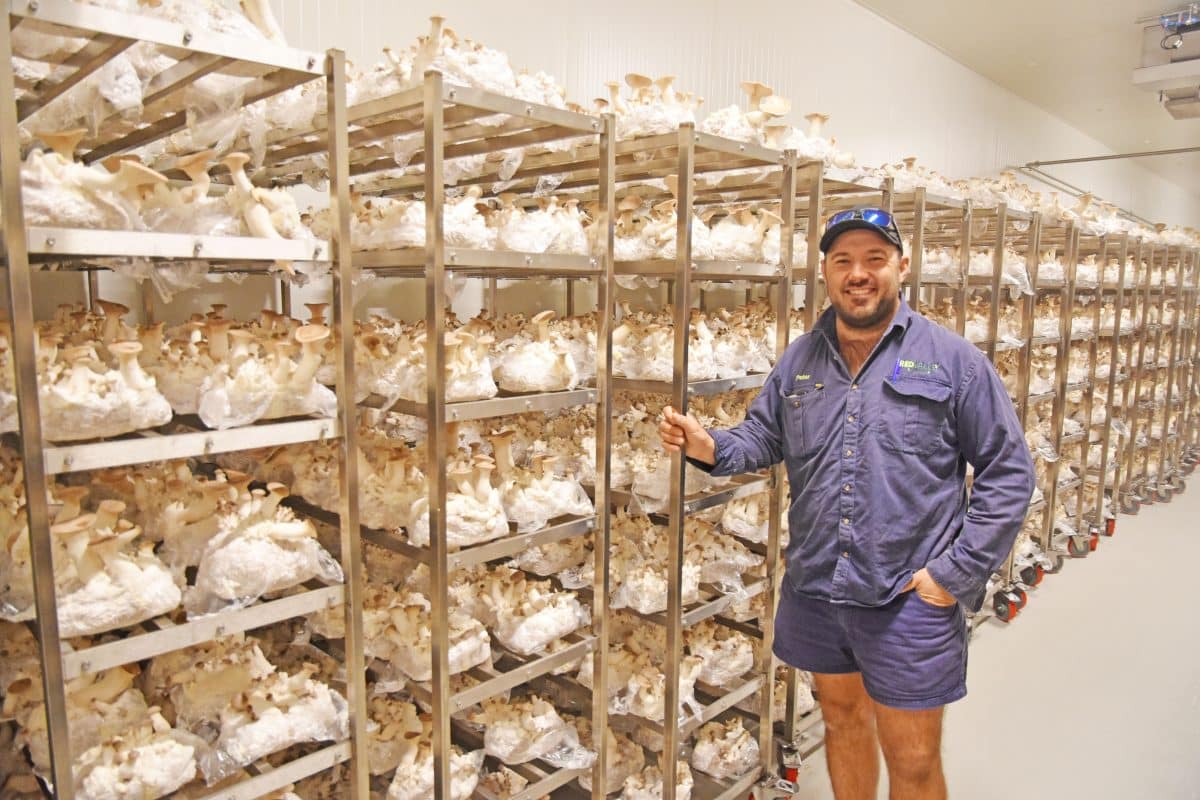
How to Grow Magic Mushrooms at Home
How to Grow Magic Mushrooms at Home: The Secret Method Experts Don’t Want You to Know
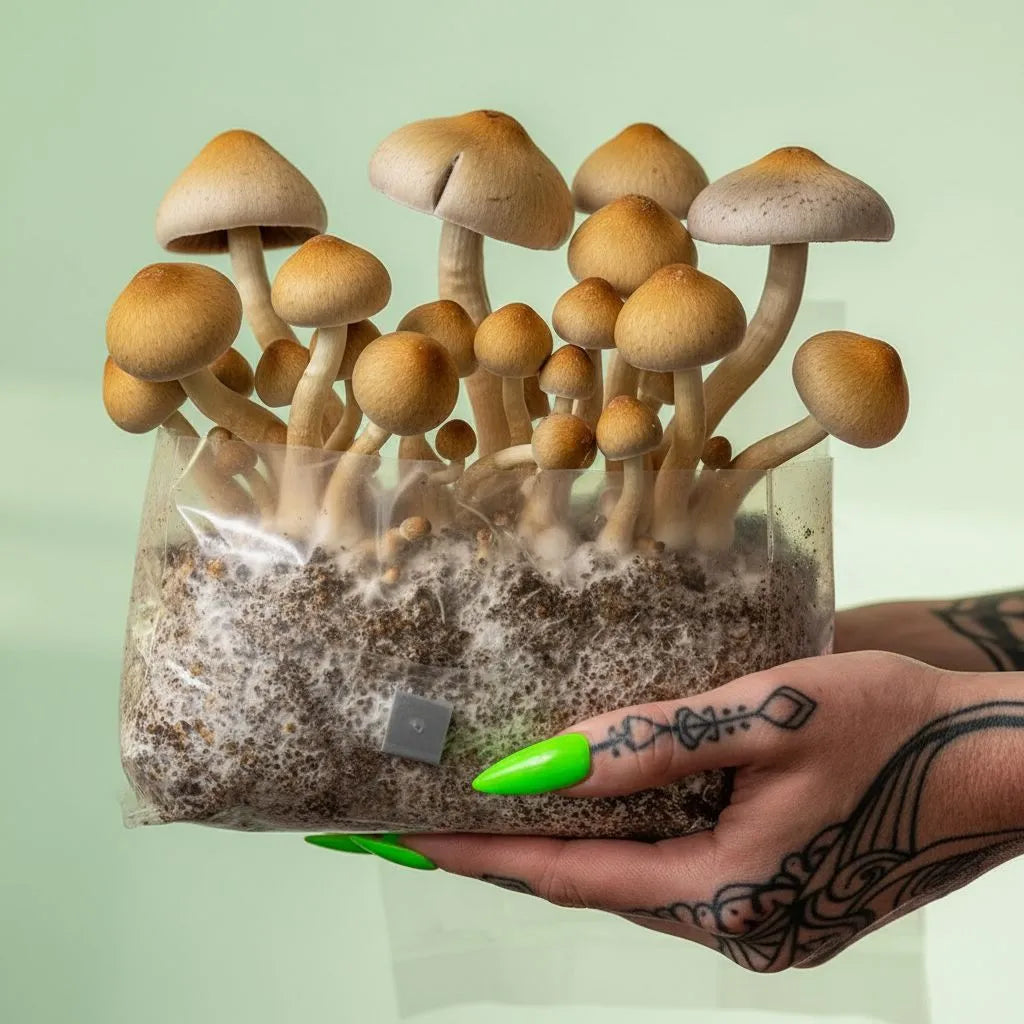
How to Grow Magic Mushrooms at Home: The Secret Method Experts Don’t Want You to Know
So you want to grow magic mushrooms at home—but every guide you’ve found either glosses over the important details or assumes you already have a lab setup. You don’t need either.
This guide is for complete beginners who want real, actionable steps without the guesswork. No prior experience required, no fancy equipment to start, and no wasted money on methods that don’t actually work.
Here’s what you’ll walk away knowing:
-
Which mushroom variety to pick first—because the wrong choice kills your motivation before you even start
-
Exactly what supplies you need and what you can skip until you’re ready to scale up
-
How to control your growing environment—the one factor most beginners get wrong that leads to mold, failed flushes, and frustration
By the end, you’ll have a clear path to your first successful harvest.
Choose the Right Mushroom Variety for Beginners
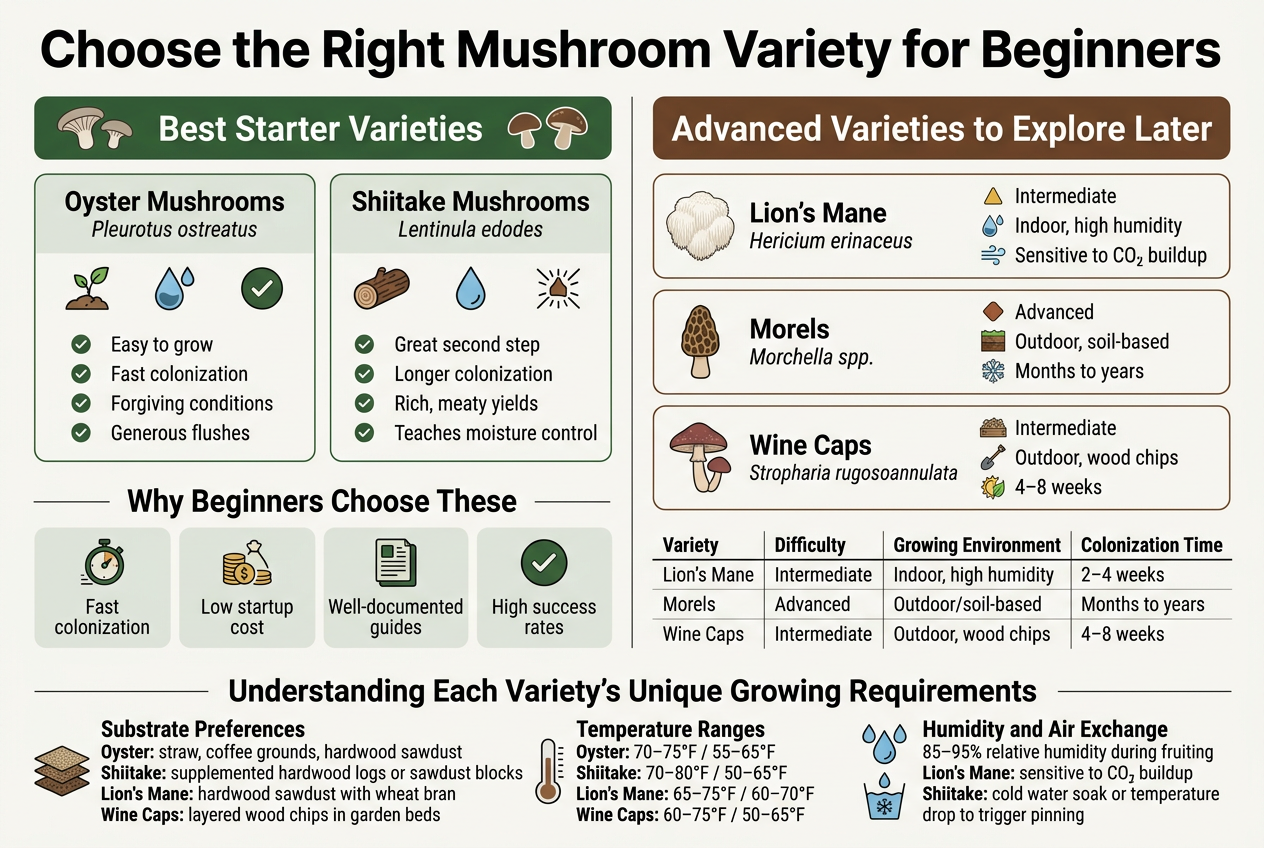
Best Starter Varieties: Oyster and Shiitake Mushrooms
When you’re just beginning your journey to grow magic mushrooms at home, choosing the right variety can make the difference between a thriving harvest and a frustrating failure. Two varieties consistently stand out as the best entry points for beginners: Oyster mushrooms and Shiitake mushrooms.
Oyster Mushrooms (Pleurotus ostreatus) are widely regarded as the single easiest mushroom for home cultivators to grow. They colonize quickly, tolerate a relatively wide range of environmental conditions, and produce generous flushes in a short amount of time. Their forgiving nature means that even small mistakes in humidity or temperature are less likely to ruin your entire crop.
Shiitake Mushrooms (Lentinula edodes) are the ideal second step. They take slightly longer to colonize and fruit than oyster mushrooms, but they reward patience with rich, meaty yields and exceptional flavor. Shiitake also teaches you valuable lessons about managing moisture levels and fruiting triggers — skills you’ll carry forward into more advanced cultivation.
Key reasons beginners gravitate toward these two varieties:
-
Fast colonization times reduce the window for contamination
-
Widely available spawn and substrate materials keep startup costs low
-
Well-documented growing guides make troubleshooting straightforward
-
High success rates build confidence for tackling harder species
Advanced Varieties to Explore Later: Lion’s Mane, Morels, and Wine Caps
Once you’ve successfully completed a few grow cycles with oyster or shiitake, you’ll be ready to level up. With this in mind, next, we’ll look at three advanced varieties that experienced cultivators love to pursue.
Lion’s Mane (Hericium erinaceus) produces striking, cascading white formations and is prized both for its culinary value and its widely studied cognitive health properties. However, it demands precise humidity levels and is highly sensitive to CO₂ buildup, making good air exchange absolutely critical.
Morels (Morchella spp.) are perhaps the most challenging mushrooms on this list. They require a complex relationship with soil organisms and specific environmental cues — including a simulated cold period — to fruit reliably. Even experienced mycologists find them unpredictable.
Wine Caps (Stropharia rugosoannulata) sit in an interesting middle ground. They’re grown outdoors in wood chip beds, making them a great option for gardeners looking to expand beyond indoor cultivation. They’re hardy and productive but require outdoor space and seasonal timing.
| Variety | Difficulty | Growing Environment | Colonization Time |
|---|---|---|---|
| Lion’s Mane | Intermediate | Indoor, high humidity | 2–4 weeks |
| Morels | Advanced | Outdoor/soil-based | Months to years |
| Wine Caps | Intermediate | Outdoor, wood chips | 4–8 weeks |
Understanding Each Variety’s Unique Growing Requirements
Previously, we covered which varieties suit beginners and which reward more experienced growers. Now that we have covered the landscape of options, it’s essential to understand that no two mushroom varieties share identical growing requirements. Treating them as interchangeable is one of the most common mistakes home cultivators make.
Here’s a breakdown of the core growing parameters that differ significantly between varieties:
Substrate Preferences
-
Oyster mushrooms thrive on straw, coffee grounds, and hardwood sawdust
-
Shiitake performs best on supplemented hardwood logs or sawdust blocks
-
Lion’s Mane favors hardwood sawdust with wheat bran supplementation
-
Wine Caps prefer layered wood chips mixed into garden beds
Temperature Ranges
| Variety | Colonization Temp | Fruiting Temp |
|---|---|---|
| Oyster | 70–75°F (21–24°C) | 55–65°F (13–18°C) |
| Shiitake | 70–80°F (21–27°C) | 50–65°F (10–18°C) |
| Lion’s Mane | 65–75°F (18–24°C) | 60–70°F (15–21°C) |
| Wine Caps | 60–75°F (15–24°C) | 50–65°F (10–18°C) |
Humidity and Air Exchange
-
Most varieties require 85–95% relative humidity during fruiting
-
Lion’s Mane is uniquely sensitive — even slight CO₂ buildup causes elongated, deformed fruiting bodies
-
Shiitake benefits from a cold water soak or temperature drop to trigger pinning
Understanding these distinctions early saves you countless hours of troubleshooting. Matching the right variety to your available equipment, space, and climate is the foundation of a genuinely successful home mushroom growing operation.
Gather Essential Supplies Before You Start

Mushroom Spawn: Where to Buy or How to Make Your Own
When you decide to grow magic mushrooms at home, sourcing quality mushroom spawn is one of the most critical first steps you will take. Spawn is essentially the “seed” of your mushroom cultivation journey — it contains the live mycelium culture that will eventually produce your fruiting bodies.
Where to Buy Spawn
Reputable online vendors and specialty mycology suppliers are your best starting points. Look for suppliers that offer:
-
Verified culture strains with documented genetics
-
Contamination-free guarantees backed by lab-tested batches
-
Positive community reviews from trusted mycology forums and groups
-
Multiple spawn formats such as grain spawn, sawdust spawn, or liquid culture syringes
Always prioritize vendors who store and ship their spawn under temperature-controlled conditions, as heat and moisture exposure during transit can render spawn useless before it even reaches your door.
Making Your Own Spawn
Experienced cultivators often prefer to produce their own spawn to save costs and maintain genetic consistency. Common DIY spawn methods include:
-
Agar culture plates — used to isolate and expand mycelium from a healthy mushroom sample
-
Liquid culture (LC) — mycelium suspended in a nutrient-rich liquid solution, ideal for inoculating grain jars
-
Grain spawn jars — sterilized whole grains such as rye, wheat, or popcorn inoculated with a liquid culture or agar transfer
Making your own spawn requires a sterile work environment, a pressure cooker for sterilization, and ideally a still air box or laminar flow hood to minimize contamination risks.
Choosing the Right Substrate: Sawdust, Straw, or Wood Chips
With your spawn secured, the next decision that will significantly impact your harvest is selecting the appropriate growing substrate. The substrate is the nutrient-rich material on which your mycelium colonizes and from which your mushrooms ultimately fruit. Choosing the wrong substrate can severely limit yields, while the right one creates the ideal biological foundation for explosive growth.
Here is a breakdown of the three most popular substrate options for home cultivators:
| Substrate | Best For | Key Advantages | Potential Drawbacks |
|---|---|---|---|
| Sawdust | Wood-loving species | Dense nutrition, supports heavy flushes | Requires sterilization, longer colonization |
| Straw | Fast-colonizing species | Inexpensive, widely available, easy to pasteurize | Lower nutrient density than sawdust |
| Wood Chips | Outdoor beds or log-based grows | Long-lasting, mimics natural habitat | Very slow colonization, unpredictable yields |
Sawdust is widely considered one of the most productive substrates for indoor cultivation. Hardwood sawdust — particularly from oak, alder, or maple — provides a rich carbon source that mimics the natural environment of wood-decomposing fungi. It is typically combined with wheat bran or rice bran to increase nitrogen levels and boost yields.
Straw is the go-to choice for beginners who want fast results at a minimal cost. It pasteurizes easily using hot water immersion rather than high-pressure sterilization, making it far more accessible. However, because straw is lower in nutrients compared to sawdust, it generally produces lighter yields over fewer flushes.
Wood chips are best suited for outdoor cultivation setups or long-term garden bed projects. They decompose slowly, which means the substrate can remain productive for multiple seasons, but they are not ideal for indoor grows where you need predictable, controlled results.
Substrate Preparation Tips:
-
Always pasteurize or sterilize your substrate before inoculation to eliminate competing organisms
-
Maintain a substrate moisture content of approximately 60–70% — the substrate should feel damp but not dripping when squeezed
-
Consider supplementing your base substrate with nutrients like wheat bran, oat bran, or gypsum for improved yields
Must-Have Tools: Spray Bottles, Containers, and Monitoring Equipment
Now that we have covered spawn sourcing and substrate selection, it is time to assemble the physical toolkit that will support every stage of your grow. Having the right equipment on hand before you begin eliminates avoidable setbacks and allows you to maintain the precise environmental conditions that mushrooms demand.
Essential Growing Containers
Your choice of container will depend on the growing method you plan to use, but the following are universally useful:
-
Quart and half-pint mason jars — ideal for grain spawn inoculation and small-scale grows
-
Polypropylene grow bags — heat-resistant bags designed for sterilization, widely used for bulk substrate grows
-
Monotub containers — large, clear plastic storage bins used for fruiting chambers, offering ample space for colonized substrate
-
Shotgun fruiting chambers (SGFC) — perforated plastic bins that rely on passive airflow and manual fanning for fresh air exchange
Humidity and Moisture Tools
Maintaining consistent humidity is non-negotiable when you grow magic mushrooms at home. You will need:
-
Pump spray bottles — used multiple times daily to mist the interior walls of your fruiting chamber and maintain surface moisture without waterlogging your substrate
-
Digital hygrometer — measures relative humidity levels inside your growing space, ensuring they remain within the optimal 80–95% range during fruiting
-
Ultrasonic humidifier — for larger grows or automated setups, a humidifier can maintain humidity levels without constant manual intervention
Temperature Monitoring Equipment
Mushroom mycelium and fruiting bodies are highly sensitive to temperature fluctuations. Equip yourself with:
-
Digital thermometer — a dual-probe model that allows you to monitor both ambient room temperature and substrate temperature simultaneously
-
Heat mat with thermostat controller — provides gentle, consistent warmth during the colonization phase, particularly important in cooler climates
-
Infrared thermometer — useful for quickly checking surface temperatures of substrate blocks or jars without disturbing the growing environment
Sterilization and Contamination Prevention Tools
Contamination is the single greatest threat to any home mushroom grow. Stock these items before your first inoculation:
-
Pressure cooker (15 PSI minimum) — essential for sterilizing grain spawn and supplemented substrates
-
Isopropyl alcohol (70%) — used to sterilize work surfaces, tools, and glove-covered hands before any sterile procedure
-
Nitrile gloves and a face mask — minimize the introduction of bacteria and mold spores into your sterile materials
-
Still air box (SAB) — a clear plastic tote with arm holes that creates a low-turbulence environment for inoculation tasks when a laminar flow hood is not available
Quick-Reference Toolkit Checklist:
-
Mason jars or polypropylene grow bags
-
Monotub or shotgun fruiting chamber
-
Pump spray bottle (at least two)
-
Digital hygrometer
-
Digital thermometer with dual probes
-
Ultrasonic humidifier (optional but recommended)
-
Heat mat with thermostat controller
-
Pressure cooker (15 PSI)
-
Isopropyl alcohol (70%)
-
Nitrile gloves and face mask
-
Still air box
With this toolkit fully assembled, you will be positioned to maintain the clean, controlled conditions that separate successful harvests from failed attempts. With this in mind, next, we’ll see how to prepare your growing medium to set the stage for maximum colonization success.
Prepare Your Growing Medium for Maximum Success
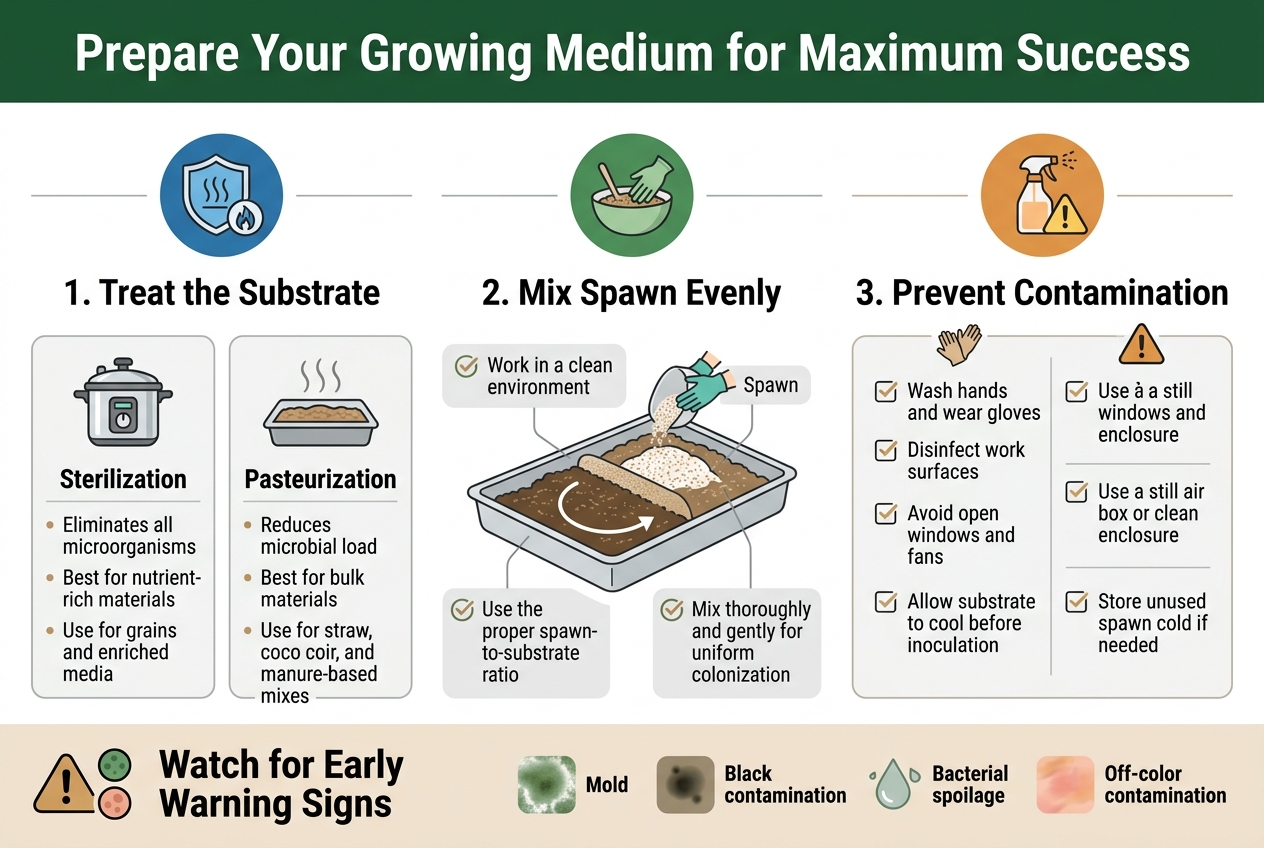
How to Sterilize or Pasteurize Your Substrate Effectively
Sterilization and pasteurization are critical steps when you want to grow magic mushrooms at home successfully. Sterilization (using a pressure cooker at 15 PSI for 2–2.5 hours) eliminates all competing organisms from grain or supplemented sawdust substrates. Pasteurization, typically done at 160–180°F for 1–2 hours, suits bulk substrates like coco coir or straw, killing most contaminants while preserving beneficial microbes that suppress mold.
Mixing and Distributing Spawn Evenly for Healthy Colonization
Once your substrate cools to room temperature, introduce spawn using a sterile glove box or flow hood. Distribute spawn evenly throughout the substrate — aim for a 10–20% spawn-to-substrate ratio — to encourage uniform mycelium colonization and reduce contamination windows.
Avoiding Contamination from the Start
| Contamination Risk | Prevention Strategy |
|---|---|
| Unclean hands/tools | Always use gloves and alcohol-sterilized tools |
| Premature opening | Wait until substrate cools fully before inoculating |
| Wet substrate | Maintain field capacity moisture levels only |
Work swiftly, minimize air exposure, and inspect for green, black, or pink mold regularly throughout colonization.
Master the Five Proven Home Growing Methods
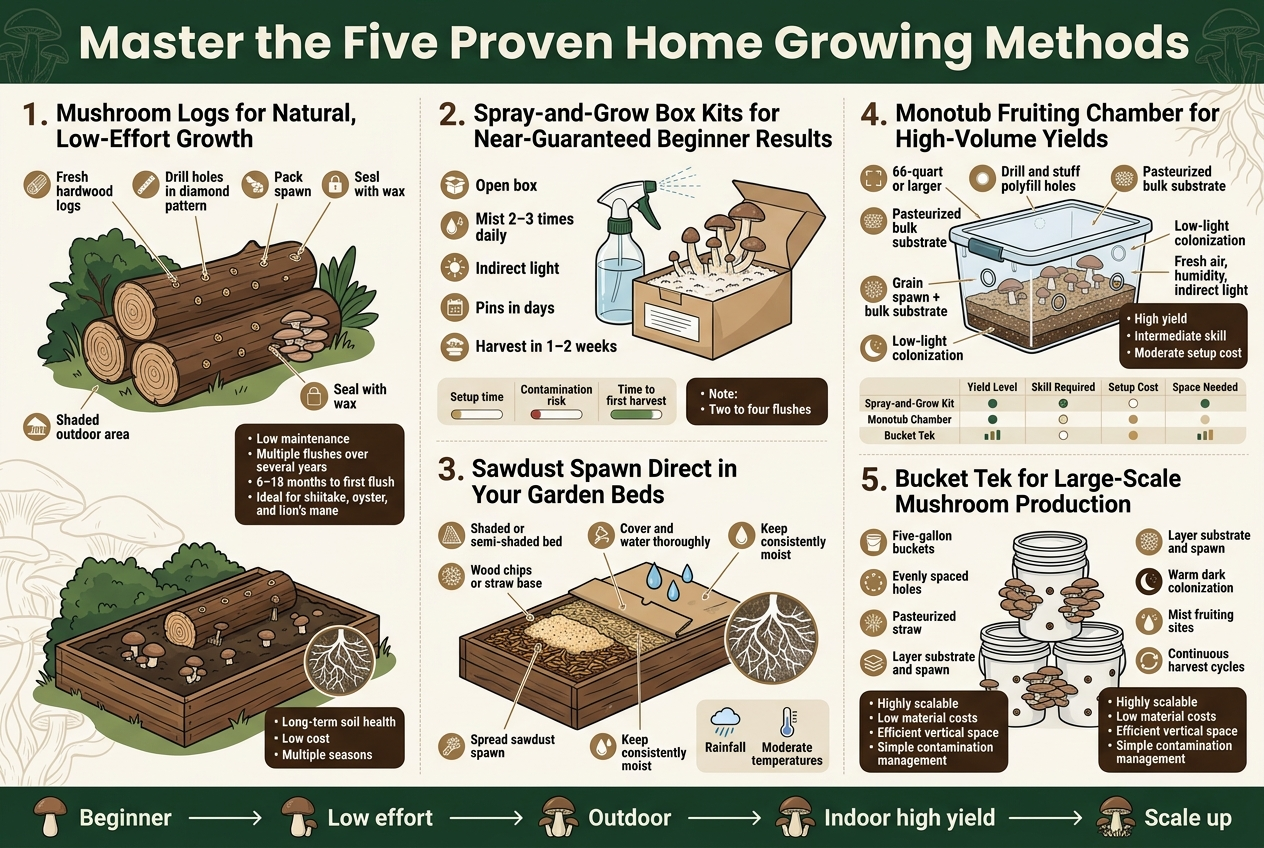
Method 1: Mushroom Logs for Natural, Low-Effort Growth
Growing mushrooms on logs is one of the oldest and most rewarding techniques available to home cultivators. This method mimics the way mushrooms naturally fruit in forest environments, making it a highly sustainable and beginner-friendly approach when you want to grow magic mushrooms at home.
To get started with log cultivation, you’ll need freshly cut hardwood logs — oak, maple, and alder are among the most popular choices. The logs are inoculated with mushroom spawn by drilling holes in a specific pattern, packing them with spawn, and then sealing the holes with wax to lock in moisture and prevent contamination.
Key advantages of the log method include:
-
Extremely low maintenance once inoculated
-
Can produce multiple flushes over several years
-
Requires no climate-controlled grow room
-
Produces naturally flavored, high-quality mushrooms
-
Ideal for outdoor cultivation in shaded garden areas
The main trade-off is patience. Logs typically take anywhere from six to eighteen months before they produce their first flush. However, once they begin fruiting, a single log can continue delivering harvests for up to five or more years with minimal intervention.
Step-by-step overview for log inoculation:
-
Source freshly cut hardwood logs (ideally less than three months old)
-
Drill holes in a diamond pattern, spaced approximately six inches apart
-
Pack each hole tightly with mushroom plug spawn or grain spawn
-
Seal every hole with cheese wax or beeswax to prevent moisture loss
-
Place logs in a shaded, humid outdoor area
-
Soak logs periodically during dry weather to maintain moisture levels
-
Wait for the colonization and fruiting cycle to complete naturally
This method is particularly well-suited for species like shiitake, oyster, and lion’s mane, and it requires very little hands-on time after the initial setup — making it ideal for gardeners who prefer a set-it-and-forget-it approach.
Method 2: Spray-and-Grow Box Kits for Near-Guaranteed Beginner Results
If you’re brand new to home mushroom cultivation, spray-and-grow kits offer the most forgiving and accessible entry point available. These pre-inoculated kits come with a fully colonized substrate block sealed inside a box, meaning all the difficult work — sterilization, inoculation, and colonization — has already been done for you.
How spray-and-grow kits work:
-
Open the box and expose the colonized substrate block to air
-
Mist the surface with water two to three times daily
-
Maintain humidity levels and indirect light
-
Watch pins form within days and harvest fully grown mushrooms within one to two weeks
The near-guaranteed success rate of these kits makes them exceptionally popular among beginners who want to grow mushrooms at home without investing heavily in equipment or risking expensive contamination failures.
Comparing spray-and-grow kits to other beginner methods:
| Feature | Spray-and-Grow Kit | Log Method | Sawdust Spawn |
|---|---|---|---|
| Setup time | Minutes | Several hours | Moderate |
| Time to first harvest | 1–2 weeks | 6–18 months | 2–4 months |
| Equipment required | Minimal | Moderate | Low to moderate |
| Contamination risk | Very low | Low | Moderate |
| Yield per cycle | Moderate | High (long-term) | Moderate to high |
| Cost | Higher per yield | Lower long-term | Affordable |
One important consideration is that while kits are convenient, they typically deliver a limited number of flushes — usually two to four — before the substrate becomes exhausted. For those who want ongoing production, progressing to more advanced methods is the logical next step.
Method 3: Sawdust Spawn Direct in Your Garden Beds
With this in mind, next, we’ll explore a method that bridges the gap between container cultivation and outdoor growing — using sawdust spawn directly in garden beds. This technique is particularly effective for species like oyster mushrooms, wine caps, and king stropharia, and it allows you to integrate mushroom production seamlessly into an existing garden space.
Sawdust spawn consists of hardwood sawdust fully colonized with mushroom mycelium. When introduced into a garden bed environment, it creates a self-sustaining mycelial network that can fruit repeatedly across multiple growing seasons.
How to prepare a garden bed for sawdust spawn:
-
Choose a shaded or semi-shaded garden area with good moisture retention
-
Clear the bed and lay down a thick layer of wood chips or straw as a base
-
Spread sawdust spawn evenly across the bed layer
-
Cover the spawn layer with another thick layer of wood chips or cardboard
-
Water the bed thoroughly to jumpstart colonization
-
Keep the area consistently moist throughout the colonization period
-
Allow the mycelium to colonize fully before expecting fruiting bodies
Benefits of garden bed sawdust spawn:
-
Integrates naturally with existing garden ecosystems
-
Requires minimal ongoing effort after initial setup
-
Builds long-term soil health through mycelial networks
-
Produces abundant harvests during ideal weather conditions
-
Very low cost compared to indoor methods
The primary challenge with this method is that fruiting is heavily dependent on outdoor weather conditions. Consistent rainfall and moderate temperatures trigger the best results, while extended dry or cold spells can delay or suppress fruiting. Strategic watering can help compensate during drier periods.
Method 4: Monotub Fruiting Chamber for High-Volume Yields
Previously, I’ve outlined methods that work best in outdoor or semi-outdoor settings. Now we move indoors, where the monotub fruiting chamber has become one of the most celebrated techniques among serious home cultivators aiming for high-volume, consistent production.
A monotub is simply a large, lidded plastic storage container that functions as a self-contained growing and fruiting environment. The substrate — typically a blend of grain spawn and bulk substrate such as coco coir, vermiculite, or pasteurized straw — is loaded into the tub, colonized, and then triggered to fruit by adjusting the environmental conditions inside.
Why the monotub method delivers impressive yields:
-
Large surface area allows for prolific pinning across the entire substrate mass
-
The enclosed environment retains humidity effectively with minimal effort
-
Requires relatively simple and inexpensive equipment
-
Allows growers to manage multiple tubs simultaneously for continuous harvests
-
Substrate can be pasteurized at home rather than requiring high-pressure sterilization
Standard monotub setup process:
-
Source or repurpose a large lidded plastic storage tub (66-quart or larger recommended)
-
Drill and stuff polyfill holes on the sides for passive air exchange
-
Prepare and pasteurize your bulk substrate
-
Mix colonized grain spawn with bulk substrate at a recommended ratio
-
Load the mixed substrate into the tub and seal
-
Allow full colonization at room temperature in low-light conditions
-
Once fully colonized, introduce fruiting conditions — fan for fresh air exchange, mist for humidity, and indirect light
-
Harvest mushrooms as they reach peak maturity before the veil breaks
Comparison of indoor growing methods for yield potential:
| Method | Yield Level | Skill Required | Setup Cost | Space Needed |
|---|---|---|---|---|
| Spray-and-Grow Kit | Low to moderate | Beginner | Low | Minimal |
| Monotub Chamber | High | Intermediate | Moderate | Medium |
| Bucket Tek | Very high | Intermediate+ | Moderate | Medium to large |
The monotub method rewards cultivators who pay close attention to environmental triggers and contamination prevention. Maintaining the right balance of fresh air exchange and humidity is the most critical skill to develop when mastering this approach.
Method 5: Bucket Tek for Large-Scale Mushroom Production
Now that we have covered high-yield indoor methods, we arrive at one of the most scalable techniques available to home growers — Bucket Tek. Designed for cultivators who want to push production volume significantly higher than what a monotub can deliver, this method uses five-gallon plastic buckets loaded with pasteurized substrate and inoculated with mushroom spawn.
Bucket Tek is particularly well-known for its use with oyster mushrooms, though it adapts well to several other species. The buckets are drilled with multiple holes around the exterior, which serve as the primary fruiting sites. As the colonized mycelium fills the bucket, mushroom clusters push through each hole and develop outward — producing striking, visually distinctive clusters that can be harvested cleanly and easily.
Setting up a Bucket Tek system:
-
Drill evenly spaced holes (approximately one to two inches in diameter) around the sides of each five-gallon bucket
-
Prepare and pasteurize your chosen bulk substrate — straw is the most commonly used material for this method
-
Allow the substrate to cool completely before inoculation
-
Layer substrate and spawn alternately inside the bucket, starting and ending with substrate
-
Seal the bucket with its lid and allow full colonization in a warm, dark space
-
Once fully colonized, move buckets to the fruiting area with appropriate humidity and airflow
-
Mist the holes regularly to encourage pinning at the fruiting sites
-
Harvest clusters as they approach maturity and before spore drop
Advantages of Bucket Tek for large-scale production:
-
Highly scalable — add as many buckets as your space allows
-
Efficient use of vertical space in your growing area
-
Low material costs, especially when using straw as a substrate
-
Staggered inoculation of multiple buckets allows continuous, overlapping harvest cycles
-
Simple to manage contamination — any single contaminated bucket can be removed without affecting others
The modular nature of Bucket Tek makes it one of the most practical methods for growers who are serious about scaling up their operation. By maintaining a rotating cycle of buckets at different stages of colonization and fruiting, it becomes entirely feasible to maintain a near-continuous harvest schedule throughout the year.
Control the Perfect Growing Environment at Every Stage
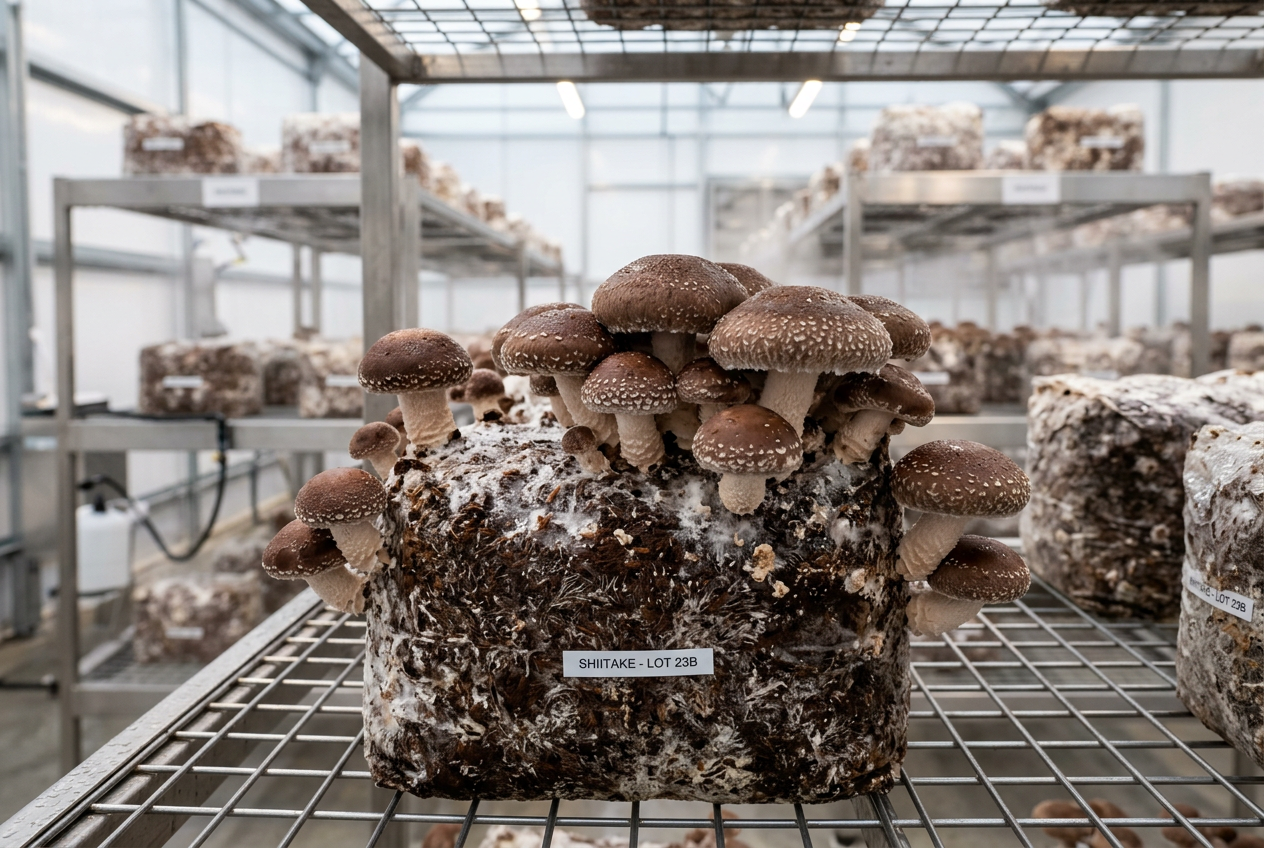
Incubation Phase: Temperature, Humidity, and Darkness Tips
During the incubation phase, maintaining a stable temperature between 75–80°F (24–27°C) is critical when you grow magic mushrooms at home. Keep the substrate in complete darkness to encourage mycelium colonization. Humidity should remain around 90–95% to prevent the substrate from drying out. Avoid disturbing the container unnecessarily, as contamination risk increases with frequent handling. Consistent conditions during this phase directly determine how successfully your mycelium network establishes before fruiting begins.
Triggering Fruiting with Fresh Air, Light, and Proper Humidity
Once colonization is complete, transitioning to the fruiting stage requires deliberate environmental shifts. Lower the temperature slightly to 70–75°F (21–24°C), introduce indirect light for 12 hours daily, and increase fresh air exchange to reduce CO₂ buildup. Maintaining humidity at 90–95% while misting lightly prevents surface drying. These combined triggers signal the mycelium to begin producing fruiting bodies, maximizing your overall yield and development speed throughout each flush.
Optimize Lighting Conditions for Bigger, Better Harvests
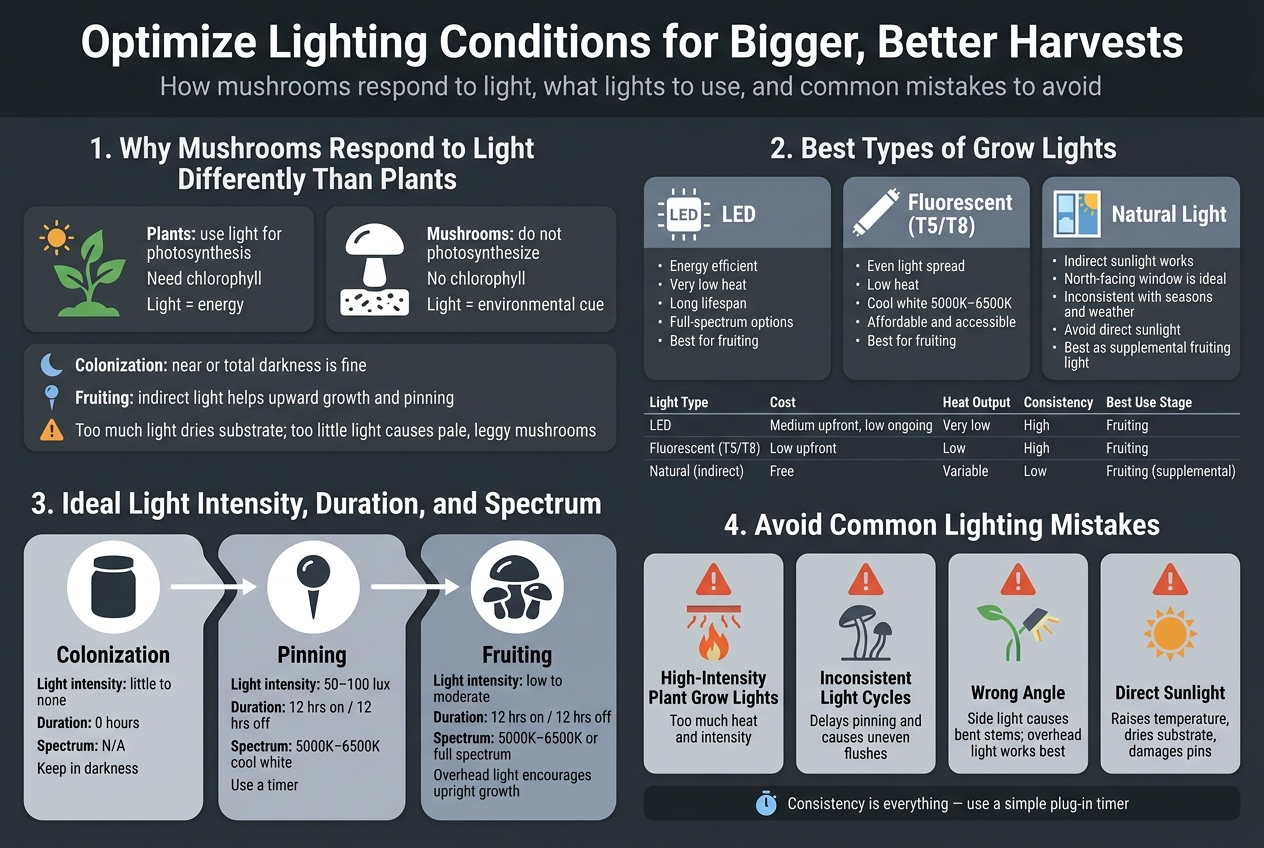
Why Mushrooms Respond to Light Differently Than Plants
When you decide to grow magic mushrooms at home, one of the first surprises is discovering that mushrooms relate to light in a fundamentally different way than the plants you may be used to cultivating. Plants rely on light as their primary energy source through photosynthesis — mushrooms do not. Fungi lack chlorophyll entirely, meaning they cannot convert light into food. Instead, mushrooms draw all their energy from the substrate they grow on.
So why does light matter at all? Light serves as an environmental cue for mushrooms. It signals directional growth, triggers pinning (the formation of tiny mushroom heads), and helps regulate the timing and density of your fruiting bodies. Think of it less like feeding a plant and more like setting an alarm clock. The right light at the right time tells your mycelium that it has broken through to the surface and that it is time to produce fruiting bodies.
Key differences to keep in mind:
-
Mushrooms do not need light to grow mycelium — the colonization stage can occur in near or total darkness.
-
Light becomes important during fruiting — once pinning begins, indirect or ambient light helps direct upward growth and encourages uniform canopy development.
-
Too much intense light can dry out the surface of your substrate, disrupting humidity and stalling growth.
-
Too little light during fruiting can produce pale, leggy mushrooms with thin stems and small caps.
Understanding this distinction is essential for anyone serious about optimizing their home grow operation.
Best Types of Grow Lights: LED, Fluorescent, and Natural Light
With this in mind, let’s explore the practical lighting options available to home growers. Not all light sources are created equal when it comes to cultivating mushrooms, and choosing the right one can make a measurable difference in your harvest size and quality.
LED Grow Lights
LED lights have become increasingly popular among home growers for several compelling reasons:
-
Energy efficiency — LEDs consume significantly less electricity than traditional bulbs, lowering your running costs.
-
Low heat output — because mushrooms thrive in cooler, humid environments, the minimal heat produced by LEDs helps maintain stable growing conditions without drying out your substrate.
-
Longevity — LEDs have a much longer lifespan than fluorescent or incandescent alternatives.
-
Full-spectrum options — modern LED panels can be tuned to emit specific wavelengths relevant to mushroom growth cues.
For mushroom cultivation, you do not need high-intensity horticultural LEDs designed for heavy-flowering plants. A simple, low-wattage LED panel or even standard household LED bulbs placed at a distance are more than sufficient.
Fluorescent Lights
Fluorescent tubes, particularly T5 and T8 varieties, have been a staple in mushroom cultivation for decades:
-
They produce a broad, even spread of light that covers a wide surface area effectively.
-
They operate at low temperatures, similar to LEDs, making them safe for humidity-sensitive growing environments.
-
Cool white fluorescents (5000K–6500K color temperature) are widely recommended for fruiting chambers.
-
They are generally affordable and widely available, making them an accessible choice for beginners.
The main drawback of fluorescents is that they are less energy-efficient than LEDs over the long term and have a shorter usable lifespan.
Natural Light
Natural, indirect sunlight can absolutely be used when growing magic mushrooms at home:
-
North-facing windows in the Northern Hemisphere provide consistent, indirect light without the harsh intensity of direct sun exposure.
-
Natural light follows a built-in photoperiod cycle, which can actually be beneficial for signaling fruiting stages.
-
However, natural light is inconsistent — seasonal changes, cloudy days, and geographic location all affect the amount and quality of light your grow receives.
-
Direct sunlight must be avoided as it raises temperatures, reduces humidity, and can physically damage delicate pins and fruiting bodies.
| Light Type | Cost | Heat Output | Consistency | Best Use Stage |
|---|---|---|---|---|
| LED | Medium upfront, low ongoing | Very Low | High | Fruiting |
| Fluorescent (T5/T8) | Low upfront | Low | High | Fruiting |
| Natural (indirect) | Free | Variable | Low | Fruiting (supplemental) |
Ideal Light Intensity, Duration, and Spectrum for Each Growth Stage
Now that we have covered the types of lighting available, let’s break down exactly how much light, for how long, and in what spectrum you should be providing at each stage of the growing cycle.
Colonization Stage (Mycelium Growth)
-
Light intensity needed: Little to none
-
Recommended duration: 0 hours (darkness is perfectly acceptable and often preferred)
-
Spectrum: Not applicable
-
Key tip: During colonization, your primary focus should be on temperature and humidity — not light. Covering your substrate jars or bags and keeping them in a dark cupboard or shelf is entirely appropriate and will not negatively affect mycelium development.
Pinning Stage (Primordia Formation)
-
Light intensity needed: Low to moderate (50–100 lux is generally sufficient)
-
Recommended duration: 12 hours on / 12 hours off
-
Spectrum: Blue-white light in the range of 5000K–6500K is most commonly associated with triggering and supporting pin formation
-
Key tip: Introducing a consistent light cycle at this stage is one of the most effective ways to encourage even and abundant pinning across your entire substrate surface.
Fruiting Stage (Cap Development)
-
Light intensity needed: Low to moderate — consistency matters more than intensity
-
Recommended duration: 12 hours on / 12 hours off (maintain the cycle established during pinning)
-
Spectrum: Continued blue-white or full-spectrum light supports healthy cap development and directional upward growth
-
Key tip: Mushrooms are phototropic — they will grow toward the light source. Positioning your light consistently above the fruiting chamber encourages straight, well-formed stems and evenly developed caps.
| Growth Stage | Light Duration | Intensity | Spectrum (Color Temp) |
|---|---|---|---|
| Colonization | 0 hours (darkness) | None required | N/A |
| Pinning | 12 hrs on / 12 hrs off | 50–100 lux | 5000K–6500K (cool white) |
| Fruiting | 12 hrs on / 12 hrs off | Low–Moderate | 5000K–6500K or full spectrum |
Using a simple plug-in timer to automate your light cycles removes the guesswork entirely and ensures your mushrooms receive consistent cues day after day.
Avoiding Common Lighting Mistakes That Stunt Growth
Previously, many beginner growers assumed that more light automatically meant better results — an understandable assumption if you come from a plant-growing background. With mushrooms, this logic can actively harm your harvest. Here are the most critical lighting mistakes to avoid when you grow magic mushrooms at home:
Mistake 1: Using High-Intensity Grow Lights Designed for Plants
Heavy-duty horticultural LEDs or HPS (high-pressure sodium) lights designed for cannabis or tomato cultivation are far too intense for mushroom fruiting chambers. They generate excessive heat, reduce relative humidity rapidly, and can bleach or physically damage delicate fruiting bodies. Always opt for low-wattage, ambient-level lighting.
Mistake 2: Skipping Light Entirely During Fruiting
While mushrooms do not need light to survive, completely dark fruiting environments consistently produce inferior results:
-
Mushrooms grow leggy and elongated, reaching desperately in all directions for a light cue that never comes.
-
Caps remain small and underdeveloped.
-
Pinning can be uneven or sparse.
Even a modest amount of indirect ambient light — from a window or a basic LED — makes a meaningful difference.
Mistake 3: Inconsistent Light Cycles
Irregular light schedules confuse the fruiting trigger mechanism. Flipping lights on and off randomly, or allowing dramatically variable natural light exposure, can delay pinning, reduce pin density, and produce unevenly developed flushes. Consistency is everything — use a timer and stick to a reliable schedule.
Mistake 4: Placing Lights at the Wrong Angle
Because mushrooms are phototropic, the angle and position of your light source directly affects the shape and direction of your fruiting bodies:
-
Side lighting causes mushrooms to grow laterally, producing bent, curved stems.
-
Overhead lighting encourages straight, upright growth and well-rounded caps.
-
Keep your light source positioned directly above your fruiting chamber whenever possible.
Mistake 5: Allowing Direct Sunlight Exposure
Direct sunlight is one of the most damaging environmental factors for a home mushroom grow. Beyond its intensity, direct sun:
-
Raises surface temperature dramatically, stressing the mycelium and fruiting bodies.
-
Evaporates moisture from the substrate surface far faster than passive ventilation, leading to cracking, shrinkage, and aborted pins.
-
Creates unpredictable light cycles that vary with seasons, weather, and time of day.
If you are relying on natural light, always filter it through a curtain or frosted glass, and monitor temperature and humidity closely whenever sunlight conditions change.
Troubleshoot the Most Common Growing Problems
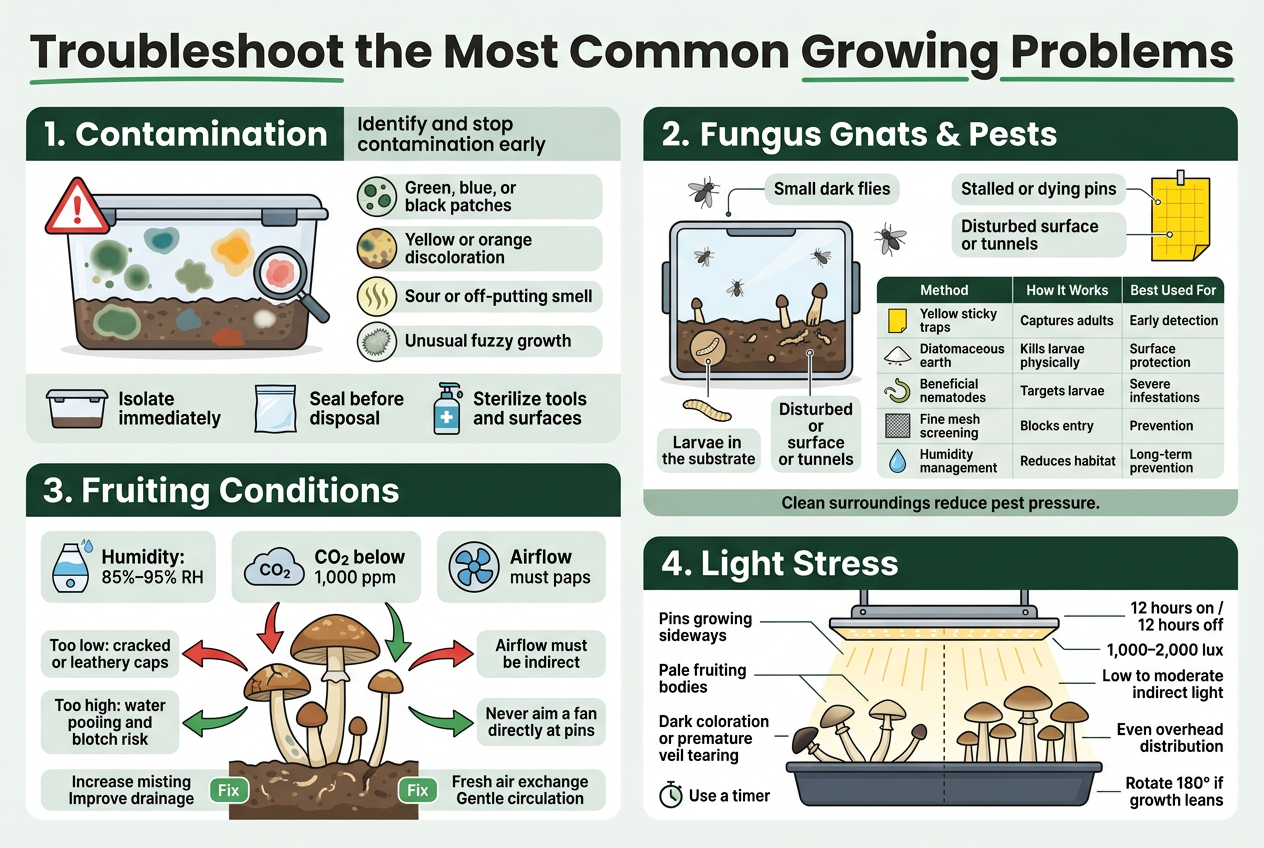
Identifying and Managing Contamination Before It Spreads
Contamination is the most common threat when you grow magic mushrooms at home. Watch for green, black, or pink mold patches, sour odors, or slimy textures on your substrate. Isolate affected containers immediately to prevent cross-contamination. Maintaining strict sterile technique during inoculation and colonization dramatically reduces contamination risk and keeps your grow environment clean and productive.
Dealing with Fungus Gnats and Other Pests
Fungus gnats thrive in moist growing environments and can devastate your fruiting blocks. Use sticky traps near your grow space and ensure proper airflow to discourage infestations. Keeping your grow area sealed and clean minimizes pest entry points significantly.
Fixing Poor Fruiting Conditions: Humidity, CO2, and Airflow Issues
Poor fruiting often results from low humidity, excessive CO2, or inadequate airflow. Maintain humidity between 90–95% during fruiting and fan your chamber regularly to exchange fresh air. High CO2 causes elongated, weak stems, while insufficient humidity prevents pin formation entirely.
Recognizing Light Stress and Adjusting Accordingly
Light stress presents as bleached or abnormally oriented mushrooms. Ensure indirect, consistent low-intensity lighting rather than direct harsh light. Adjusting your light schedule and intensity corrects these issues quickly, encouraging healthy, evenly developed fruiting bodies throughout your harvest cycle.
Harvest, Store, and Use Your Homegrown Mushrooms
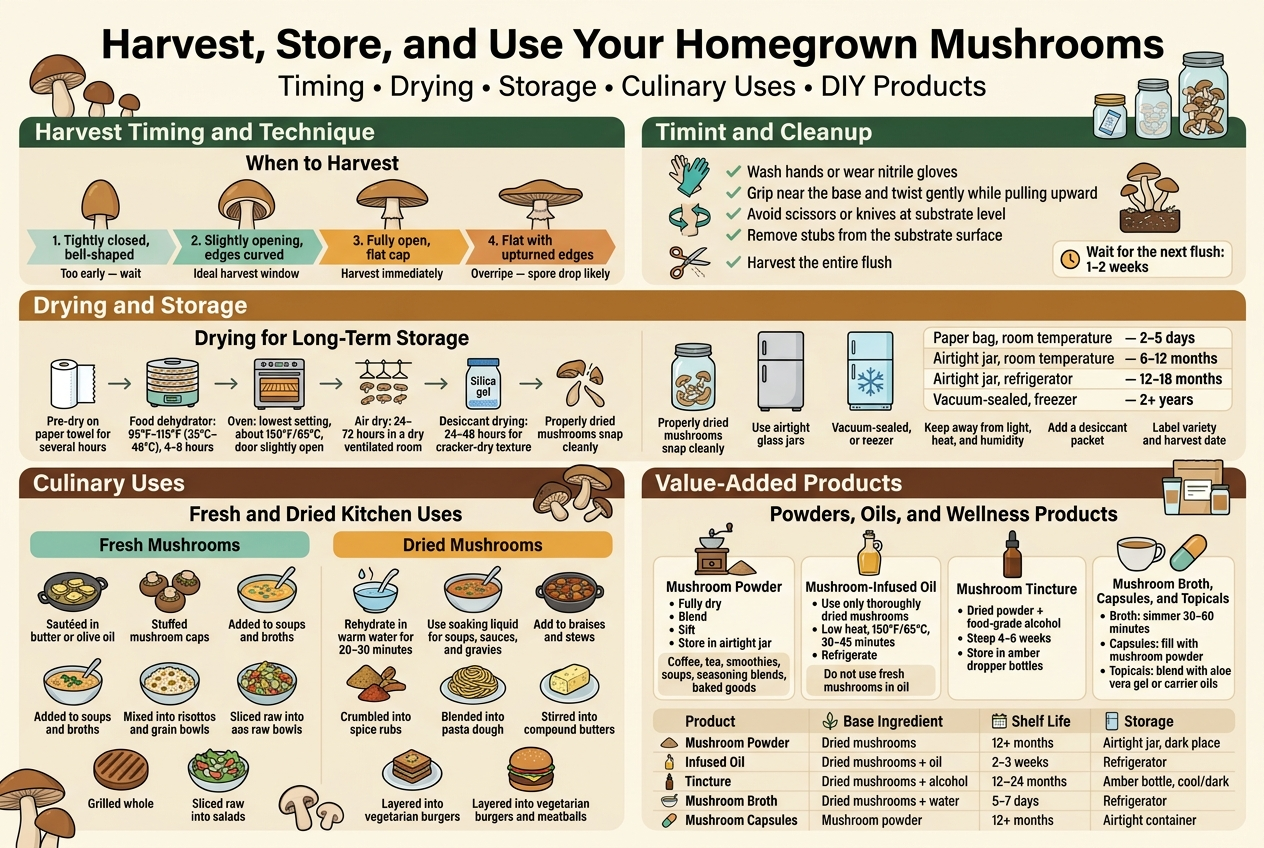
When and How to Harvest for Best Flavor and Texture
Timing your harvest correctly is critical when you grow magic mushrooms at home. Pick them just before the veil beneath the cap begins to tear for peak potency and texture. Twist gently at the base rather than cutting to avoid damaging surrounding pins.
Drying and Preserving Mushrooms for Long-Term Storage
Use a food dehydrator set to low heat or a desiccant-filled airtight container to preserve freshness. Store dried mushrooms in sealed glass jars away from light and moisture to maximize shelf life significantly.
Creative Culinary Uses for Fresh and Dried Homegrown Mushrooms
Fresh homegrown mushrooms excel in stir-fries, soups, and sautés, while dried varieties rehydrate beautifully in broths and sauces. Their earthy depth enhances pasta, risotto, and grain bowls effortlessly.
Making DIY Mushroom Powders, Infused Oils, and Wellness Products
Grind fully dried mushrooms into fine powder using a coffee grinder for smoothies, teas, or capsules. Infuse olive oil with dried mushrooms over low heat for a flavorful, functional culinary staple packed with natural compounds.
Scale Up and Expand Your Mushroom Growing Operation
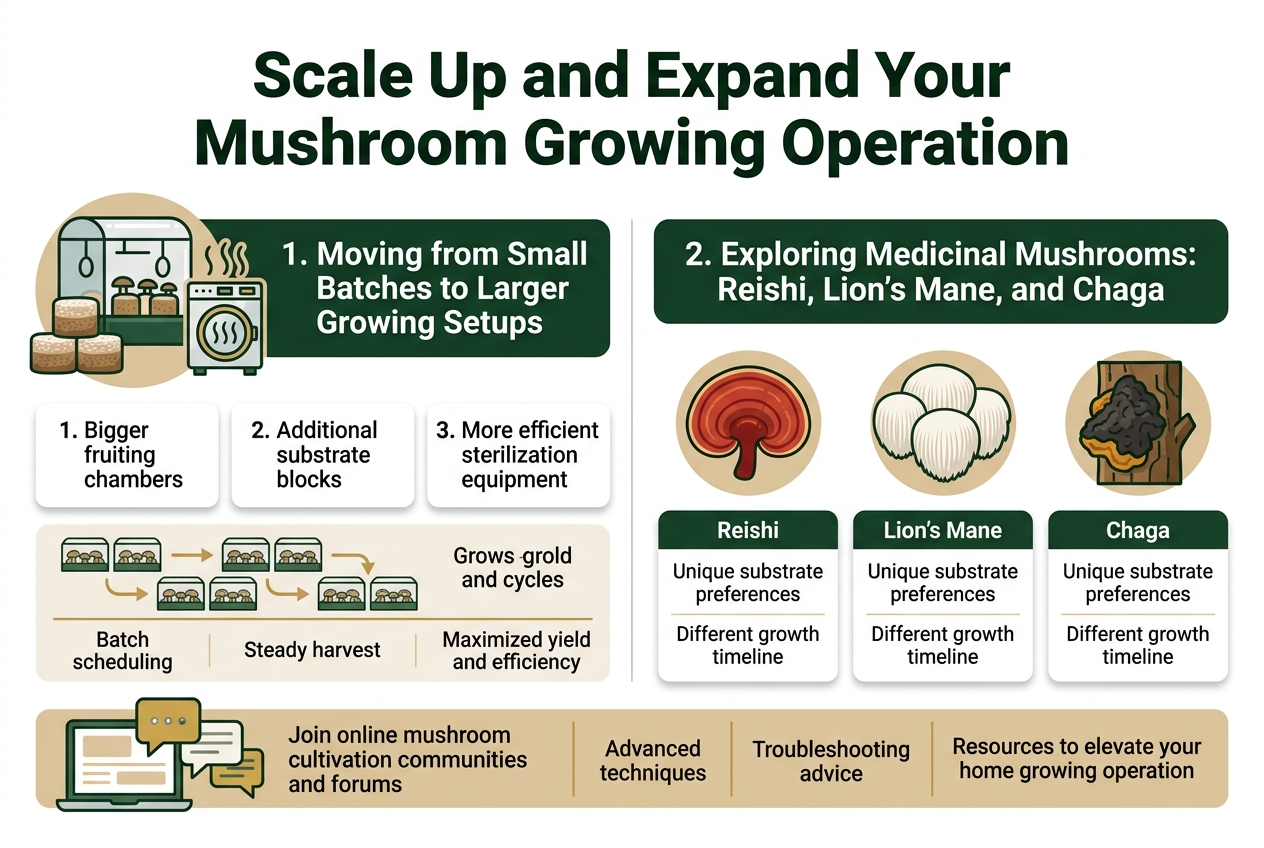
Moving from Small Batches to Larger Growing Setups
Once you’ve mastered small-scale cultivation, scaling up your operation becomes a natural next step. Transitioning to larger setups means investing in bigger fruiting chambers, additional substrate blocks, and more efficient sterilization equipment. Batch scheduling — staggering multiple grows simultaneously — ensures a continuous, steady harvest rather than sporadic flushes, maximizing your overall yield and efficiency.
Exploring Medicinal Mushrooms: Reishi, Lion’s Mane, and Chaga
Now that we have covered scaling basics, expanding into medicinal varieties like Reishi, Lion’s Mane, and Chaga opens exciting new possibilities. Each species has unique substrate preferences and growth timelines, rewarding growers who diversify their setups. Joining online mushroom cultivation communities and forums further sharpens your skills, connecting you with experienced cultivators who share advanced techniques, troubleshooting advice, and resources to continuously elevate your home growing operation.
Embrace the Eco-Friendly Benefits of Home Mushroom Cultivation
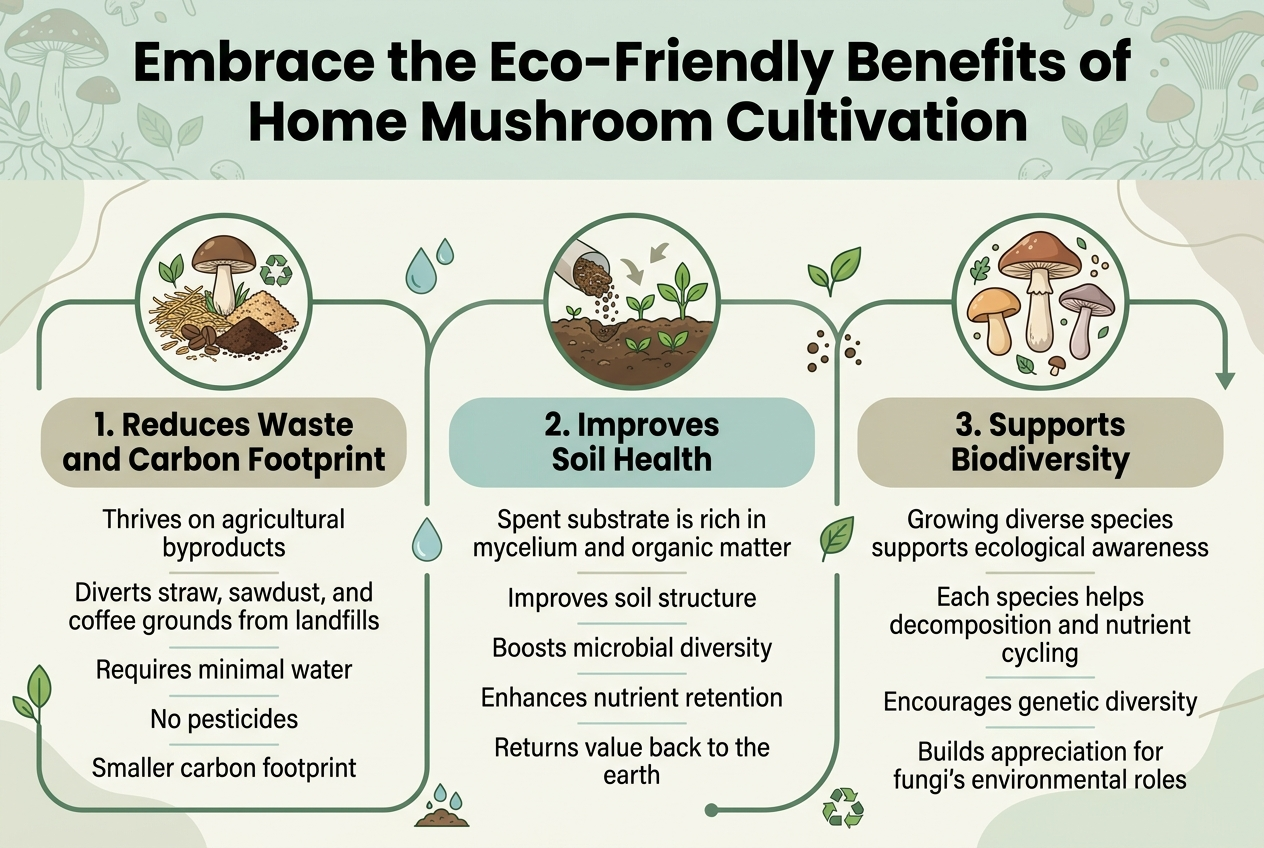
How Mushroom Growing Reduces Waste and Carbon Footprint
When you grow magic mushrooms at home, you actively participate in a low-impact cultivation cycle. Mushrooms thrive on agricultural byproducts like straw, sawdust, and coffee grounds, diverting these materials from landfills. Compared to conventional farming, home mushroom cultivation requires minimal water, no pesticides, and produces a significantly smaller carbon footprint, making it one of the most environmentally responsible food-growing practices available to everyday households.
Improving Soil Health with Spent Substrate
Once your mushrooms have fully fruited, the remaining substrate is far from useless. Spent substrate is rich in fungal mycelium and organic matter, making it an exceptional soil amendment. Incorporating it into garden beds improves soil structure, boosts microbial diversity, and enhances nutrient retention. This closed-loop approach means that every stage of your home grow magic mushrooms journey contributes positively back to the earth, eliminating unnecessary waste.
Contributing to Biodiversity Through Diverse Mushroom Species
Cultivating a variety of mushroom species at home supports broader ecological awareness and biodiversity. Each species plays a unique role in decomposition, nutrient cycling, and ecosystem balance. By growing diverse varieties, home cultivators help preserve genetic diversity and deepen public appreciation for fungi’s critical environmental roles, fostering a culture of sustainability that extends well beyond the growing space itself.
7 FAQ
Can You Legally Grow Magic Mushrooms at Home?
Laws vary wildly by location. In some U.S. states and countries, growing psilocybin mushrooms is decriminalized or even legal for personal use. Always research your local laws before you grow magic mushrooms at home, since penalties can range from minor fines to serious criminal charges depending on where you live.
What’s the Easiest Mushroom Variety for Beginners?
Psilocybe cubensis is hands-down the best starting point. It’s forgiving, grows fast, and thrives in basic home setups without needing fancy equipment or expert-level skills.
How Long Does It Take to Grow Mushrooms at Home?
From inoculation to first harvest, expect roughly 4–6 weeks. Colonization takes 2–3 weeks, and once you see pins forming, full mushrooms are ready within 5–7 days.
Why Is My Substrate Turning Green or Black?
That’s contamination, usually from mold. Green means Trichoderma mold has taken over. Toss that block immediately and sanitize everything before starting fresh to stop it from spreading.
How Many Harvests Can You Get From One Grow?
Most setups produce 3–5 flushes per substrate block. Yields drop with each flush, but that first and second harvest are usually the most productive by far.
What Humidity Level Do Mushrooms Need?
Keep humidity between 80–95% during fruiting. A basic hygrometer helps you track this accurately so your mushrooms don’t dry out before they’re fully developed.
Do Mushrooms Need Light to Grow?
They don’t photosynthesize, but indirect, ambient light for 12 hours a day helps trigger pinning and guides proper growth direction — brighter isn’t better here.
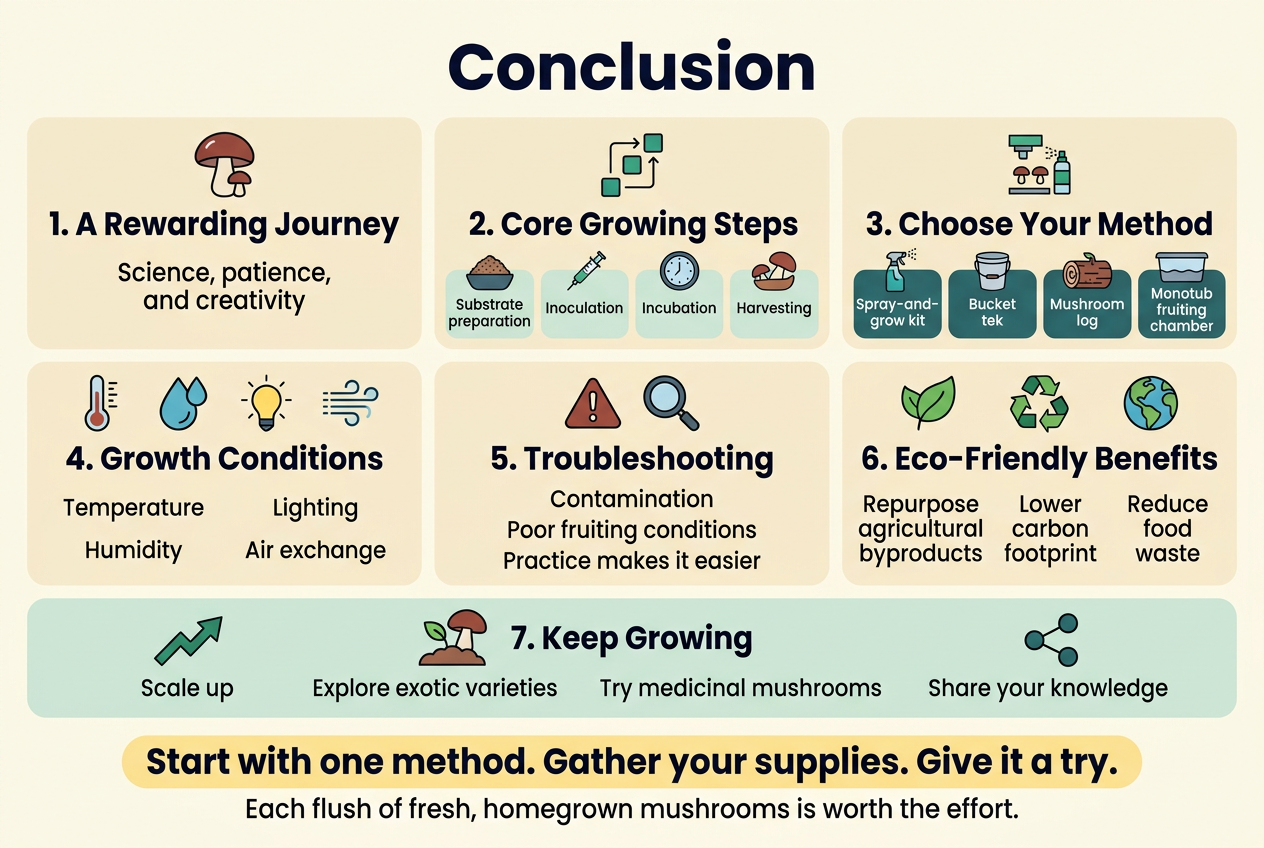
Growing mushrooms at home is a genuinely rewarding journey that blends science, patience, and creativity. From selecting the right beginner-friendly variety like oyster or shiitake mushrooms, to mastering substrate preparation, inoculation, incubation, and harvesting, every step builds on the last. Whether you choose a simple spray-and-grow kit, a bucket tek setup, a mushroom log, or a fully automated monotub fruiting chamber, there is a method that fits your space, budget, and experience level. Controlling temperature, humidity, lighting, and air exchange are the keys that separate a thriving grow from a failed one, and troubleshooting common problems like contamination or poor fruiting conditions becomes easier with practice.
Beyond the harvest itself, home mushroom cultivation carries real eco-friendly benefits, from reducing food waste by repurposing agricultural byproducts to lowering your carbon footprint compared to conventional food production. As your confidence grows, you can scale up your operation, explore exotic varieties, experiment with medicinal mushrooms, and even share your knowledge with others. The most important step is simply starting. Pick one method, gather your supplies, and give it a try. Each flush of fresh, homegrown mushrooms will make the effort feel completely worth it.
🍄 The 7 Best Magic Mushroom Strains That Will Blow Your Mind
Understanding Magic Mushroom Strains and Their Scientific Significance
What Are Psilocybin Mushrooms and How They Work
Psilocybin mushrooms, commonly called “magic mushrooms,” are fungi that contain the naturally occurring psychedelic compounds psilocybin and psilocin. When consumed, psilocybin converts to psilocin in the body, which then interacts with serotonin receptors in the brain, particularly the 5-HT2A receptor. This interaction creates the distinctive altered states of consciousness that have fascinated humans for thousands of years.
What makes these mushrooms truly remarkable is how they work at a neurological level. The psilocin molecule essentially mimics serotonin, flooding specific brain regions and creating new neural pathways. This process, called neuroplasticity, is what scientists believe makes these compounds so promising for treating depression, PTSD, and other mental health conditions.
I find it amazing that something as simple as a mushroom can literally rewire our brains temporarily. The fact that indigenous cultures have known about these effects for centuries while Western science is only now catching up really puts things in perspective about traditional knowledge systems.
The Growing Scientific Interest in Psychedelic Research
The landscape of psychedelic research has changed dramatically in recent years. After decades of prohibition following the 1960s, scientists are finally getting the green light to study these compounds again. Major universities like Johns Hopkins, Imperial College London, and NYU are leading groundbreaking studies that are changing how we think about mental health treatment.
The numbers speak for themselves: over 200 clinical trials involving psilocybin are currently registered worldwide. The FDA has granted “breakthrough therapy” designation to psilocybin for treatment-resistant depression, fast-tracking research and development. This level of scientific attention is unprecedented in the psychedelic field.
What’s particularly exciting is that researchers aren’t just looking at psilocybin as a recreational substance anymore. They’re treating it as a legitimate medicine with real therapeutic potential. The shift from stigma to scientific curiosity has opened doors that seemed permanently closed just a decade ago.
Key Factors That Differentiate Magic Mushroom Strains
Not all magic mushrooms are created equal. Several key factors distinguish one strain from another, and understanding these differences is important for both researchers and anyone interested in the science behind these fungi.
Potency varies dramatically between strains. While an average Psilocybe cubensis might contain 0.5-1% psilocybin by dry weight, some strains like Psilocybe azurescens can reach 2% or higher. This difference isn’t just academic – it has real implications for dosing and research protocols.
Physical appearance also differs significantly. Some strains are tiny and delicate, while others grow large and robust. Color variations range from pure white albino varieties to deep blue-bruising specimens. These visual differences often correlate with genetic variations that affect potency.
Growing conditions represent another major differentiator. Some strains thrive in controlled laboratory environments, making them perfect for research. Others only grow wild in specific climates and seasons, making consistent study more challenging.
The Science Behind Potency: What Makes These Strains Stand Out
Psilocybin and Psilocin Content Variations Across Strains
The potency of magic mushrooms isn’t just about total psilocybin content – it’s about the entire alkaloid profile. Modern laboratory testing has revealed that different strains produce varying ratios of psilocybin, psilocin, baeocystin, and other related compounds. These variations create subtly different effects, even when total potency appears similar.
Research published in the Journal of Psychedelic Studies shows that psilocybin content can vary by as much as 400% between different strains of the same species. This variation isn’t random – it’s consistent enough that researchers can predict potency ranges for specific genetic lines.
The psilocybin-to-psilocin ratio is particularly interesting. Some strains naturally contain higher levels of psilocin, the active form that affects the brain. This means they might feel more potent even with lower total alkaloid content. It’s like the difference between taking aspirin versus taking willow bark – same active ingredient, different delivery method.
Recent Laboratory Testing Results and Methodology
Modern laboratories use sophisticated techniques like HPLC (High-Performance Liquid Chromatography) and LC-MS (Liquid Chromatography-Mass Spectrometry) to analyze mushroom samples. These methods can detect psilocybin levels as low as 0.01%, providing unprecedented accuracy in potency testing.
The Oakland Hyphae laboratory, one of the first to offer comprehensive psilocybin testing, has analyzed thousands of samples since 2019. Their data shows that the strongest individual mushroom sample ever tested contained an incredible 3.82% psilocybin – that’s nearly four times stronger than average.
What’s fascinating about these testing results is how they’re changing our understanding of mushroom potency. We used to rely on anecdotal reports and rough estimates. Now we have hard data showing exactly which strains consistently produce the highest alkaloid levels. This scientific approach is making psychedelic research more reliable and repeatable.
How Environmental Factors Influence Active Compound Levels
Environmental stress often increases psilocybin production in mushrooms, similar to how grapes produce more antioxidants when stressed. Factors like temperature fluctuations, humidity changes, and substrate nutrition all affect final potency. This explains why wild mushrooms sometimes test higher than their cultivated counterparts.
Growing substrate makes a huge difference too. Mushrooms grown on enriched substrates with added nutrients often produce higher alkaloid levels. Some cultivators report 20-30% increases in potency by optimizing their growing medium, though this requires careful balance to avoid contamination.
Harvest timing also matters more than most people realize. Mushrooms typically reach peak potency just before the caps fully open and spores begin dropping. Waiting too long can result in 15-20% lower psilocybin levels, while harvesting too early might reduce overall yield.
Strain #1: Albino Penis Envy – The Laboratory Anomaly
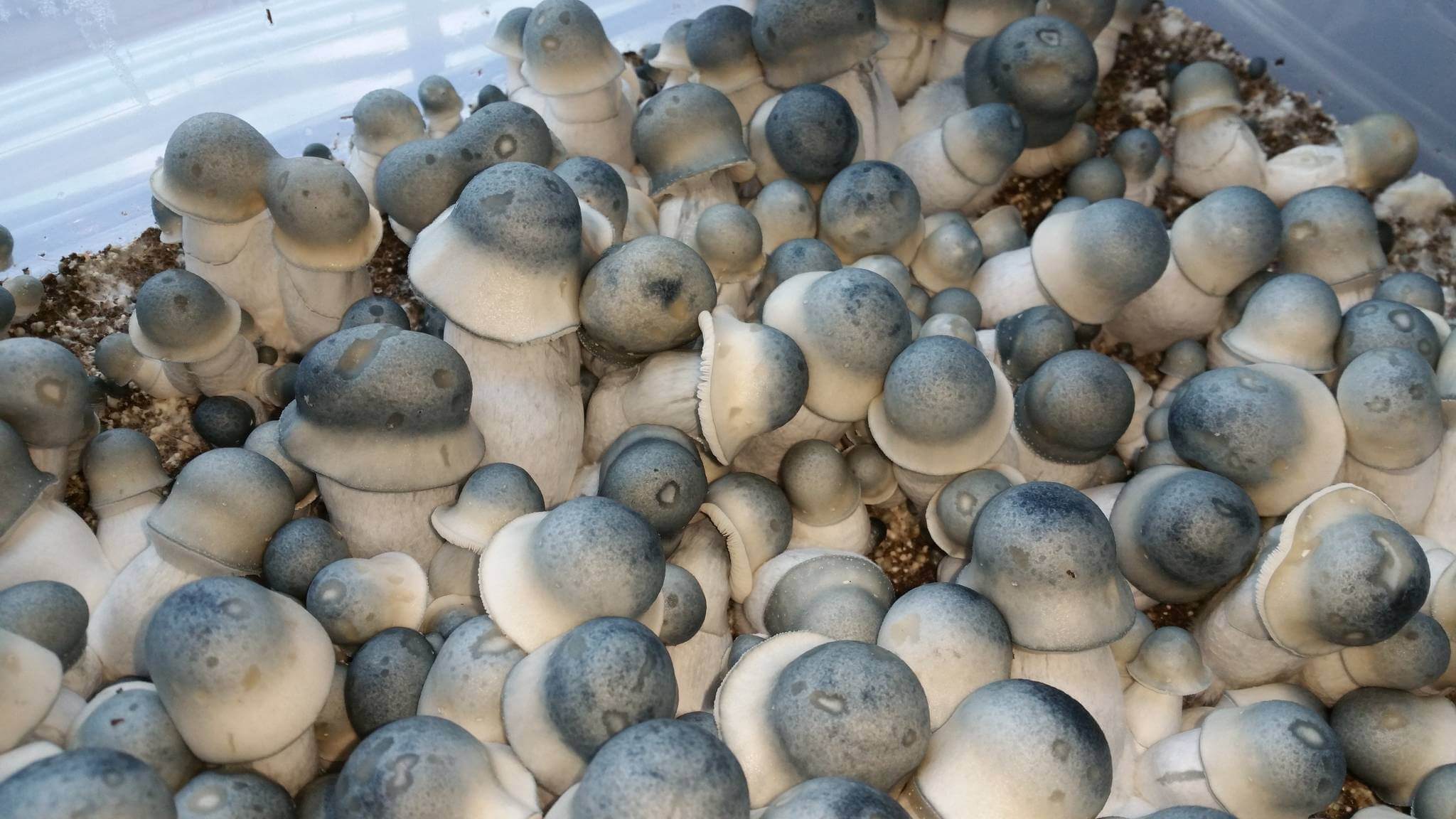
Genetic Origins and Unique Physical Characteristics
Albino Penis Envy (APE) represents one of the most genetically unusual magic mushroom strains available today. This strain originated from the already potent Penis Envy variety but underwent additional genetic selection for leucistic (lack of pigment) characteristics. The result is a nearly pure white mushroom that looks almost alien compared to typical brown-capped varieties.
The physical appearance of APE is truly distinctive. These mushrooms grow thick, dense stems with small, often unopened caps. They bruise blue extremely easily when handled, indicating high psilocybin content. The white coloration isn’t just cosmetic – it represents a genetic mutation that seems to concentrate the active compounds.
What makes APE particularly interesting from a scientific perspective is how difficult it is to grow. The strain produces fewer spores than normal varieties, and those spores often have lower germination rates. This genetic bottleneck might actually be contributing to the strain’s exceptional potency, as only the strongest genetic lines survive.
Documented Potency Levels and Research Findings
Laboratory testing consistently shows APE among the most potent Psilocybe cubensis strains available. Average psilocybin content ranges from 1.5-2.5%, with some samples testing above 3%. To put this in perspective, consuming 1 gram of APE might equal 2-3 grams of average magic mushrooms.
The Oakland Hyphae testing data includes several APE samples in their top potency rankings. One particularly strong APE sample tested at 2.63% psilocybin and 0.92% psilocin – a total alkaloid content approaching 3.6%. These numbers explain why experienced users often report intense effects from relatively small doses.
Recent genetic analysis suggests that APE’s high potency might be linked to the same genetic factors responsible for its albino characteristics. This connection between pigmentation and alkaloid production is an active area of research that could lead to even more potent strains in the future.
Growth Patterns and Cultivation Challenges
Growing APE requires patience and expertise that makes it challenging for research applications. The strain typically takes 30-50% longer to mature than standard varieties, and yields are often lower. However, the increased potency per gram often compensates for reduced total harvest weight.
Temperature sensitivity is another challenge with APE cultivation. The strain prefers slightly cooler growing conditions than typical cubensis varieties, with optimal temperatures around 75-78°F rather than 80-85°F. This narrow temperature range makes climate control important for consistent results.
The spore production issue creates additional complications for research programs. APE often produces dark, thick spore prints, but spore viability is inconsistent. Many research facilities working with APE maintain live culture libraries rather than relying on spore germination for new grows.
Strain #2: Tidal Wave – The Hybrid Wonder

Cross-Breeding History and Parent Strain Analysis
Tidal Wave represents the cutting edge of mushroom breeding, created by crossing Penis Envy with B+ strains. This hybridization was accomplished through tissue culture techniques rather than traditional spore crossing, resulting in a more stable genetic line with predictable characteristics.
The Penis Envy genetics contribute potency and density, while the B+ genetics add easier cultivation and more reliable fruiting. This combination creates what many researchers consider an ideal laboratory strain – potent enough for meaningful research but reliable enough for consistent production.
Magic Myco, the cultivator credited with creating Tidal Wave, spent over two years stabilizing the genetics before releasing the strain publicly. This careful development process shows in the strain’s consistent performance across different growing conditions and environments.
Alkaloid Profile and Measured Effects in Studies
Tidal Wave typically tests between 1.2-2.0% psilocybin, placing it in the high-potency category without reaching the extreme levels of pure Penis Envy lines. What makes Tidal Wave special isn’t just total potency but the balanced alkaloid profile that includes significant levels of baeocystin and norbaeocystin.
These additional alkaloids might contribute to what users describe as a more “rounded” experience compared to pure psilocybin. While research into minor alkaloids is still limited, early studies suggest they might modulate psilocybin’s effects in subtle but meaningful ways.
Laboratory analysis shows Tidal Wave maintains consistent potency across multiple flushes, unlike some strains that decline in potency after the first harvest. This reliability makes it valuable for research applications where consistent dosing is important.
Distinguishing Features and Identification Methods
Tidal Wave mushrooms display a unique combination of physical characteristics inherited from both parent strains. The caps are typically medium-sized with a golden-brown color that darkens toward the center. The stems are thicker than average B+ but not as dense as pure Penis Envy.
Spore production is moderate and reliable, with dark purple-brown prints that germinate well under laboratory conditions. This makes Tidal Wave much easier to work with than pure Penis Envy genetics while maintaining most of the potency benefits.
The bruising pattern on Tidal Wave is particularly distinctive, showing rapid blue coloration when damaged. This blue bruising often appears in streaks or waves across the cap surface, which some suggest inspired the strain’s name.
Strain #3: Blue Meanies (Panaeolus cyanescens) – The Tropical Powerhouse

Natural Habitat and Global Distribution Patterns
Blue Meanies represent a completely different species from the Psilocybe varieties most people know. Panaeolus cyanescens naturally occurs in tropical and subtropical regions worldwide, thriving on aged manure in pastures and grasslands. Unlike Psilocybe cubensis, which prefers decomposing plant matter, Blue Meanies specifically seek out nutrient-rich dung environments.
The global distribution of Panaeolus cyanescens is remarkable. Wild populations exist across Australia, Southeast Asia, parts of Africa, and even some areas of the southern United States. This widespread distribution suggests the species is quite adaptable, though it requires specific temperature and humidity conditions to fruit.
Climate change is actually affecting Blue Meanies distribution patterns. Researchers in Australia report finding populations in areas previously too cool for the species, while some traditional habitats are becoming too hot and dry. This makes wild collection increasingly unpredictable for research purposes.
Comparative Potency Analysis with Other Species
Panaeolus cyanescens consistently ranks among the most potent naturally occurring psychedelic mushrooms. Average potency ranges from 1.5-3.0% psilocybin, significantly higher than most Psilocybe cubensis strains. Some wild samples have tested above 3.5%, rivaling the strongest cultivated varieties.
The potency of Blue Meanies isn’t just higher on average – it’s also more consistent within individual flushes. While Psilocybe mushrooms often show significant potency variation between individual mushrooms, Blue Meanies from the same cluster tend to have similar alkaloid levels.
Research conducted at the University of Melbourne found that wild Blue Meanies contain higher concentrations of psilocin relative to psilocybin compared to cultivated Psilocybe strains. This might explain why users often report faster onset and more intense initial effects from equal doses.
Morphological Differences from Psilocybe Varieties
The physical appearance of Blue Meanies makes them relatively easy to distinguish from Psilocybe species. The caps are typically smaller and more bell-shaped, with a distinctive mottled black and white spore surface when mature. The gills start gray and become black as spores develop.
The stem characteristics are particularly distinctive. Blue Meanies have thin, often hollow stems that bruise bright blue when damaged. This blue bruising is typically more intense and develops faster than in Psilocybe varieties, sometimes appearing within seconds of handling.
Spore identification provides another clear distinguishing feature. Panaeolus cyanescens produces jet-black spore prints, while Psilocybe species create dark purple-brown prints. Under microscopic examination, the spore shapes are also distinctly different between the two genera.
Strain #4: Golden Teacher – The Research Favorite

Historical Context and Scientific Documentation
Golden Teacher has earned its reputation as perhaps the most studied magic mushroom strain in modern research. First appearing in cultivation circles during the 1980s, it quickly became popular for its reliable growth characteristics and consistent potency. The strain’s origins remain somewhat mysterious, though most evidence suggests it was originally collected from wild populations in the southeastern United States.
The name “Golden Teacher” reflects both the mushroom’s golden-colored caps and its reputation for providing insightful experiences. While this might sound unscientific, researchers have noted that consistent user reports about specific strains often correlate with measurable differences in alkaloid profiles.
Academic institutions worldwide have adopted Golden Teacher as a research standard. Johns Hopkins University used Golden Teacher-derived psilocybin in their landmark depression studies. Imperial College London has also relied heavily on this strain for their neuroimaging research. This widespread use creates a valuable database of consistent research data.
Consistent Psilocybin Production and Reliability
Laboratory testing shows Golden Teacher maintains remarkably consistent potency levels, typically ranging from 0.6-1.0% psilocybin with minimal variation between batches. While this isn’t the highest potency available, the reliability makes it perfect for research applications where precise dosing is important.
The strain’s genetic stability means that cultures maintained in laboratory settings show minimal drift over time. Some research facilities have been working with the same Golden Teacher cultures for over five years without significant changes in growth characteristics or potency.
Yield consistency is another factor that makes Golden Teacher valuable for research. The strain typically produces 3-5 flushes with predictable timing and quantities. This reliability allows researchers to plan studies with confidence about material availability.
Role in Clinical Trials and Academic Studies
Golden Teacher has played a central role in the renaissance of psychedelic research. The COMPASS Pathways Phase IIb trial for treatment-resistant depression used psilocybin derived from Golden Teacher genetics. This study, involving 233 patients across 10 countries, represents the largest psilocybin clinical trial completed to date.
The Multidisciplinary Association for Psychedelic Studies (MAPS) has also relied heavily on Golden Teacher for their research protocols. The strain’s moderate potency and predictable effects make it ideal for first-time research participants and dose-escalation studies.
Recent neuroimaging studies at Imperial College London have used Golden Teacher-derived psilocybin to map brain activity changes during psychedelic experiences. The consistency of this strain allows researchers to confidently attribute observed effects to the substance rather than variation between doses.
Strain #5: Liberty Caps (Psilocybe semilanceata) – The Wild European Classic

Seasonal Growth Cycles and Geographic Range
Liberty Caps represent one of the most widespread naturally occurring psychedelic mushrooms, found across temperate regions of Europe, North America, and parts of Asia. Unlike cultivated strains, Liberty Caps only grow wild, appearing in grasslands and pastures during autumn months when conditions are just right.
The seasonal timing of Liberty Caps is remarkably precise. In most European locations, they begin appearing in September and continue through November, with peak abundance typically occurring in October. Temperature, humidity, and barometric pressure changes all influence fruiting timing, making accurate prediction challenging.
Climate data shows Liberty Cap seasons are shifting due to changing weather patterns. In Scotland and Ireland, traditional picking areas are seeing later fruiting times and shorter seasons. This variability makes Liberty Caps unreliable for research purposes, though wild populations remain important for genetic diversity studies.
Traditional Use History and Modern Scientific Validation
Archaeological evidence suggests Liberty Caps have been used by European cultures for thousands of years. Bronze Age artifacts from Scotland include carved mushroom imagery that some researchers believe represents Psilocybe semilanceata. While this interpretation remains debated, ethnobotanical evidence clearly shows centuries of traditional use.
Modern chemical analysis has validated traditional knowledge about Liberty Cap potency. Wild samples consistently test between 0.5-2.0% psilocybin, with some exceptional specimens reaching 2.5%. This high potency explains why traditional users developed elaborate preparation and dosing rituals.
Recent genetic studies have revealed that European Liberty Caps represent several closely related species rather than a single variety. This genetic diversity might explain regional differences in potency and effects that traditional users have long recognized.
Identification Challenges and Safety Considerations
Liberty Cap identification requires expertise that makes them challenging for research collection. The distinctive pointed cap and wavy stem provide good identifying features, but several toxic mushrooms share similar grassland habitats. Proper identification requires microscopic spore examination and chemical testing.
The small size of Liberty Caps creates additional challenges. Individual mushrooms typically weigh 0.1-0.3 grams fresh, meaning large quantities are needed for research purposes. This collection requirement increases identification risks and environmental impact concerns.
Seasonal variability in potency adds another complication for research use. Early season mushrooms often test lower in psilocybin than late season specimens. Environmental stress from weather changes can cause 50% or greater variation in alkaloid content between collection dates.
Strain #6: Flying Saucer Mushrooms (Psilocybe azurescens) – The Pacific Northwest Giant

Discovery Timeline and Taxonomic Classification
Psilocybe azurescens was first scientifically described in 1996, making it one of the most recently classified psychedelic mushroom species. The original discovery occurred along the Columbia River in Oregon, where local foragers had been collecting these potent mushrooms for years without realizing they represented a new species.
The taxonomic classification process revealed several unique characteristics that distinguish P. azurescens from related species. The caramel-colored caps, distinctive annulus (ring) on the stem, and preference for woody substrates all pointed to a distinct evolutionary lineage within the Psilocybe genus.
Mycologist Paul Stamets played a key role in the formal description and naming of P. azurescens. His detailed morphological studies and cultivation experiments provided the scientific foundation for species recognition. The name “azurescens” refers to the intense blue bruising that occurs when the mushrooms are damaged.
Record-Breaking Potency Measurements
Psilocybe azurescens holds the record for highest naturally occurring psilocybin levels in any mushroom species. Laboratory analysis has documented samples containing up to 1.8% psilocybin, 0.4% psilocin, and 0.35% baeocystin – a combined alkaloid content approaching 2.6%.
The consistently high potency of P. azurescens means that dosing requires careful attention. What might be considered a moderate dose of other mushroom species could produce overwhelming effects with azurescens. Research protocols using this species typically start with doses 50-75% lower than standard psilocybin studies.
Interestingly, the potency of P. azurescens appears to increase with mushroom size, unlike many other species where larger mushrooms are often less potent per gram. This correlation between size and potency makes azurescens particularly valuable for research applications requiring high-potency material.
Specific Growing Conditions and Wood-Loving Properties
Psilocybe azurescens requires very specific growing conditions that make cultivation challenging. The species is adapted to the cool, wet climate of the Pacific Northwest and requires a lengthy cold treatment period before fruiting. Indoor cultivation typically requires 3-4 months of near-freezing temperatures before mushrooms will develop.
The wood-loving nature of P. azurescens sets it apart from dung-loving species like P. cubensis. Azurescens prefers aged hardwood chips, particularly alder and oak. The mushrooms form extensive underground networks that can persist for years, producing annual flushes when conditions are right.
Outdoor cultivation beds of P. azurescens can remain productive for 5-10 years once established, but the initial setup requires specific wood chip preparation and careful site selection. The species prefers partial shade and consistent moisture levels that mimic natural Pacific Northwest conditions.
Strain #7: Jack Frost – The New Laboratory Creation
Recent Development and Breeding Techniques
Jack Frost represents the newest addition to high-potency mushroom strains, developed through advanced tissue culture techniques in 2020. This strain combines genetics from Albino Penis Envy and True Albino Teacher varieties, creating a pure white mushroom with exceptional potency characteristics.
The breeding process involved isolating specific genetic sectors from both parent strains and combining them through controlled tissue culture merger. This technique allows breeders to combine desirable traits more precisely than traditional spore-based crossing methods. The result is a stable genetic line that reproduces consistently.
The development timeline for Jack Frost took over 18 months of careful selection and testing. Each generation was evaluated for potency, growth characteristics, and genetic stability before advancing to the next breeding phase. This methodical approach has produced one of the most stable albino strains available today.
Initial Potency Testing and Preliminary Results
Early laboratory testing of Jack Frost shows extremely promising potency results. Initial samples have tested between 1.8-2.4% psilocybin, placing it among the strongest available strains. The albino genetics appear to concentrate alkaloid production even more effectively than in Albino Penis Envy.
The alkaloid profile of Jack Frost is particularly interesting, showing elevated levels of both psilocybin and psilocin compared to parent strains. Some samples contain nearly equal amounts of both compounds, which might contribute to the rapid onset and intense effects users report.
Quality control testing across multiple growing facilities has shown remarkable consistency in Jack Frost potency. Unlike some experimental strains that show high variation between batches, Jack Frost maintains potency levels within a narrow range regardless of growing conditions.
Physical Appearance and Cultivation Requirements
Jack Frost mushrooms are strikingly beautiful, displaying pure white caps with blue-tinted stems and intense blue bruising when handled. The caps often develop a frosted appearance that inspired the strain’s name, with crystalline formations visible on the surface under magnification.
The cultivation requirements for Jack Frost fall between its parent strains. It’s easier to grow than pure Albino Penis Envy but requires more attention than True Albino Teacher. Temperature control is important, with optimal growing conditions around 76-78°F and humidity levels of 85-90%.
Spore production in Jack Frost is minimal and inconsistent, similar to other albino varieties. Most cultivation relies on live tissue cultures rather than spores, which requires more advanced laboratory techniques but ensures genetic consistency across grows.
Comparing the Seven Strains: Scientific Data and Analysis
Side-by-Side Potency Measurements and Testing Methods
When comparing these seven strains based on laboratory testing data, clear patterns emerge in potency rankings. Psilocybe azurescens consistently shows the highest alkaloid levels, followed closely by Albino Penis Envy and Jack Frost. Tidal Wave and Blue Meanies occupy the middle-high range, while Golden Teacher and Liberty Caps show more moderate but consistent potency levels.
The testing methodology used significantly affects these comparisons. HPLC testing typically shows slightly different results than LC-MS analysis, particularly for minor alkaloids like baeocystin. Standardizing testing protocols across laboratories remains an ongoing challenge in psychedelic research.
Sample preparation also affects results dramatically. Fresh versus dried samples, grinding methods, and storage conditions can all influence final potency measurements. The most reliable data comes from laboratories that follow standardized preparation protocols and test multiple samples from each strain.
Growth Difficulty and Yield Comparisons
From a cultivation perspective, Golden Teacher ranks as the easiest strain to grow reliably, followed by Tidal Wave and Blue Meanies. The albino varieties (APE and Jack Frost) require more expertise and show lower yields, while P. azurescens demands specialized outdoor growing conditions that make it impractical for most research applications.
Yield comparisons reveal interesting trade-offs between potency and quantity. Golden Teacher typically produces 2-3 times more mushroom weight per growing cycle than Albino Penis Envy, but the albino strain’s higher potency means similar total alkaloid production per grow.
Time to maturity varies significantly between strains. Golden Teacher and Tidal Wave fruit quickly and reliably, while albino varieties often take 50% longer to reach harvest. P. azurescens requires months of cold treatment before producing any mushrooms, making it unsuitable for time-sensitive research projects.
Visual Identification Guide and Key Distinguishing Features
Each strain displays distinctive visual characteristics that allow experienced cultivators to identify them reliably. The pure white coloration of albino varieties makes them immediately recognizable, while the caramel caps and woody substrate preference of P. azurescens creates obvious identification markers.
Cap morphology provides reliable identification cues across all seven strains. Golden Teacher shows the classic dome-shaped golden caps, while Blue Meanies display smaller, bell-shaped caps with mottled spore surfaces. Jack Frost often develops the distinctive frosted appearance that inspired its name.
Bruising patterns offer another identification method. The intense, rapid blue bruising of high-potency strains like APE and P. azurescens contrasts with the slower, lighter bruising of moderate-potency varieties. This bruising correlation with alkaloid content makes visual assessment a useful preliminary potency indicator.
Safety Considerations and Legal Status
Current Legal Framework in Different Jurisdictions
The legal status of psilocybin mushrooms varies dramatically worldwide and continues evolving rapidly. In the United States, psilocybin remains federally classified as a Schedule I substance, though several states and cities have passed decriminalization measures. Oregon became the first state to legalize supervised therapeutic use in 2020, with other states considering similar legislation.
European countries show mixed approaches to psilocybin regulation. The Netherlands allows fresh mushroom sales but prohibits dried preparations, while countries like Portugal have decriminalized personal use. The United Kingdom maintains strict prohibition, though research licenses are available for approved studies.
Canada has emerged as a leader in psychedelic research policy, allowing compassionate use access for terminal patients and approving numerous clinical trials. Australia recently rescheduled psilocybin for psychiatric use, joining a growing number of countries recognizing therapeutic potential.
Potential Risks and Medical Contraindications
While psilocybin shows remarkable safety in controlled research settings, several medical contraindications require attention. Individuals with personal or family histories of psychotic disorders face increased risks of adverse psychological reactions. Cardiovascular conditions may be aggravated by the physiological effects of psilocybin.
Drug interactions present another safety concern, particularly with psychiatric medications. SSRIs can reduce psilocybin effects, while MAOIs might dangerously potentiate them. Lithium combinations have been associated with seizure risks in case reports, though systematic data remains limited.
The high potency of these seven strains creates additional safety considerations compared to average mushroom varieties. Dosing errors become more dangerous when working with strains that are 2-4 times stronger than typical varieties. Accurate weighing and careful preparation become critical safety measures.
Harm Reduction Guidelines and Best Practices
Research settings employ comprehensive safety protocols that provide models for harm reduction approaches. These include medical screening, trained supervision, comfortable environments, and integration support. While recreational use lacks these safeguards, many principles can still apply to reduce risks.
Set and setting remain fundamental harm reduction concepts for any psychedelic experience. Mental preparation, appropriate timing, and safe physical environments significantly influence outcomes. Having trusted, sober trip-sitters present provides important safety backup for challenging experiences.
Dosing guidelines become particularly important with high-potency strains. Starting with doses 50-75% lower than typical recommendations allows users to assess individual sensitivity safely. Waiting adequate time between experiences (typically 1-2 weeks minimum) prevents tolerance buildup and psychological habituation.
The Future of Psychedelic Research and These Strains
Ongoing Clinical Trials and Research Programs
The current pipeline of psilocybin research includes over 200 registered clinical trials worldwide, representing a massive expansion from just a handful of studies five years ago. Major pharmaceutical companies are now investing heavily in psychedelic research, bringing significant funding and expertise to the field.
COMPASS Pathways is leading the largest psilocybin program, with multiple Phase III trials planned for depression treatment. Their synthetic psilocybin approach bypasses mushroom cultivation entirely, though natural varieties remain important for research into minor alkaloid effects and genetic studies.
Academic research programs are expanding rapidly, with new psychedelic research centers opening at major universities annually. These programs often rely on the reliable strains discussed here, particularly Golden Teacher and Tidal Wave, for their research protocols.
Therapeutic Applications Being Investigated
Depression treatment represents the most advanced area of psilocybin research, with several programs nearing regulatory approval. The FDA’s breakthrough therapy designation for treatment-resistant depression has accelerated development timelines significantly. Early results suggest response rates of 60-70% in patients who haven’t responded to conventional treatments.
PTSD research is showing equally promising results, with studies specifically targeting military veterans and first responders. The combination of psilocybin with specialized therapy protocols appears more effective than either treatment alone. Several studies are investigating optimal dosing protocols using different potency strains.
End-of-life anxiety research has consistently shown some of the most dramatic results in psychedelic studies. Patients facing terminal diagnoses often experience lasting reductions in death anxiety and depression after psilocybin therapy. The profound nature of these experiences has led to increased interest in the highest-potency strains for this application.
Expected Developments in Strain Improvement and Analysis
Genetic sequencing technology is advancing our understanding of what makes certain mushroom strains more potent than others. Researchers are identifying specific genes responsible for alkaloid production, potentially leading to engineered strains with even higher potency or customized alkaloid profiles.
Tissue culture techniques continue improving, allowing more precise genetic manipulation and strain development. The success of strains like Jack Frost demonstrates how modern breeding methods can combine desirable traits more effectively than traditional approaches.
Analytical chemistry advances are revealing previously unknown compounds in psychedelic mushrooms. Some of these minor alkaloids might have therapeutic significance, leading to interest in strains that produce specific compound combinations rather than just high total potency.
Summary
The seven magic mushroom strains explored in this analysis represent the pinnacle of both natural evolution and human cultivation expertise in psychedelic fungi. From the record-breaking potency of Psilocybe azurescens to the laboratory reliability of Golden Teacher, each strain offers unique characteristics that have captured scientific attention for legitimate reasons.
The data clearly shows that potency alone doesn’t determine a strain’s value for research or therapeutic applications. Consistency, reliability, and ease of cultivation often matter more than maximum alkaloid content. This explains why moderate-potency strains like Golden Teacher remain research standards despite the availability of much stronger varieties.
What’s particularly exciting is how rapidly our scientific understanding of these strains has advanced. Just five years ago, most potency data was anecdotal. Today, we have comprehensive laboratory analyses that allow precise comparisons and informed research decisions. This scientific foundation is enabling the current renaissance in psychedelic research.
The legal and social landscape surrounding these mushrooms continues evolving rapidly. As more jurisdictions recognize their therapeutic potential, access for legitimate research and medical applications will likely expand. However, the high potency of these particular strains means that safety considerations become even more important as availability increases.
Looking forward, the intersection of traditional cultivation knowledge and modern scientific methods promises even more remarkable developments. Genetic engineering might soon allow custom-designed strains with specific alkaloid profiles optimized for particular therapeutic applications. The seven strains discussed here represent just the beginning of what’s possible in this fascinating field.
For researchers, clinicians, and anyone interested in the science behind psychedelic mushrooms, understanding these strains provides insight into both current capabilities and future possibilities. The data speaks for itself – these aren’t just interesting fungi, they’re potentially revolutionary tools for understanding and treating human consciousness disorders.
Frequently Asked Questions (FAQs)
Which strain has the highest documented psilocybin content?
Psilocybe azurescens holds the record for highest documented psilocybin content among natural mushroom species, with laboratory testing showing up to 1.8% psilocybin content. However, some cultivated strains like Albino Penis Envy have tested even higher, with individual samples reaching over 2.5% psilocybin. The highest single mushroom sample ever tested was an Albino Penis Envy specimen that contained 3.82% psilocybin according to Oakland Hyphae laboratory data.
Are these strains legal to possess or cultivate?
The legal status varies significantly by jurisdiction and is changing rapidly. In most countries, including the United States, psilocybin mushrooms remain federally illegal regardless of strain. However, some locations have implemented decriminalization or medical access programs. Oregon allows supervised therapeutic use, while cities like Denver and Oakland have decriminalized possession. Always check current local laws before considering possession or cultivation, as penalties can be severe in jurisdictions where they remain prohibited.
How do researchers measure and compare mushroom potency?
Modern laboratories use sophisticated analytical techniques like HPLC (High-Performance Liquid Chromatography) and LC-MS (Liquid Chromatography-Mass Spectrometry) to measure psilocybin content. These methods can detect alkaloid levels as low as 0.01% with high accuracy. Samples are typically dried, ground into powder, extracted with solvents, and analyzed multiple times to ensure reliability. Results are usually reported as percentage of dry weight, allowing direct comparisons between different strains and batches.
What makes Albino Penis Envy different from regular Penis Envy?
Albino Penis Envy represents a genetic variant of Penis Envy that lacks normal pigmentation, resulting in pure white mushrooms. This albino characteristic appears linked to increased potency, with APE typically testing 20-40% higher in psilocybin content than regular Penis Envy. APE also grows more slowly, produces fewer spores, and requires more expertise to cultivate successfully. The genetic mutation causing the albino appearance seems to concentrate alkaloid production, though researchers are still studying the exact mechanisms involved.
Can environmental factors change a strain’s potency?
Yes, environmental factors can significantly influence mushroom potency even within the same genetic strain. Temperature, humidity, nutrition, light exposure, and harvest timing all affect alkaloid levels. Stress conditions often increase psilocybin production, which is why some wild mushrooms test higher than cultivated ones. Growing substrate nutrition can change potency by 20-30%, while harvest timing differences might create 15-20% variations. However, genetic factors remain the primary determinant of potency range.
Which strains are easiest for scientific cultivation?
Golden Teacher ranks as the most reliable strain for research cultivation, offering consistent potency, reliable fruiting, and forgiving growing conditions. Tidal Wave also performs well in laboratory settings, combining ease of cultivation with higher potency than Golden Teacher. Blue Meanies can be cultivated successfully but require different substrate preparation. The albino strains (APE and Jack Frost) are much more challenging and typically require advanced tissue culture techniques rather than spore germination.
How do wild strains compare to laboratory-cultivated varieties?
Wild strains often show higher potency variation and sometimes higher maximum potency due to environmental stress factors. Liberty Caps and wild P. azurescens frequently test higher than their cultivated counterparts. However, wild mushrooms are unreliable for research due to seasonal availability, identification challenges, and potency inconsistency. Cultivated strains offer predictable potency ranges and year-round availability, making them more suitable for systematic research despite potentially lower peak potency.
What safety precautions do researchers take when studying these strains?
Research facilities employ comprehensive safety protocols including medical screening of participants, trained medical supervision, controlled dosing based on body weight and experience, comfortable clinical environments, and integration therapy support. Laboratory handling requires proper ventilation, protective equipment, and secure storage procedures. All research protocols undergo institutional review board approval and follow FDA guidelines for investigational new drug studies. Emergency medical procedures are always available during research sessions.
How Long Does a Magic Mushroom Trip Last
How Long Does a Magic Mushroom Trip Last? Guide
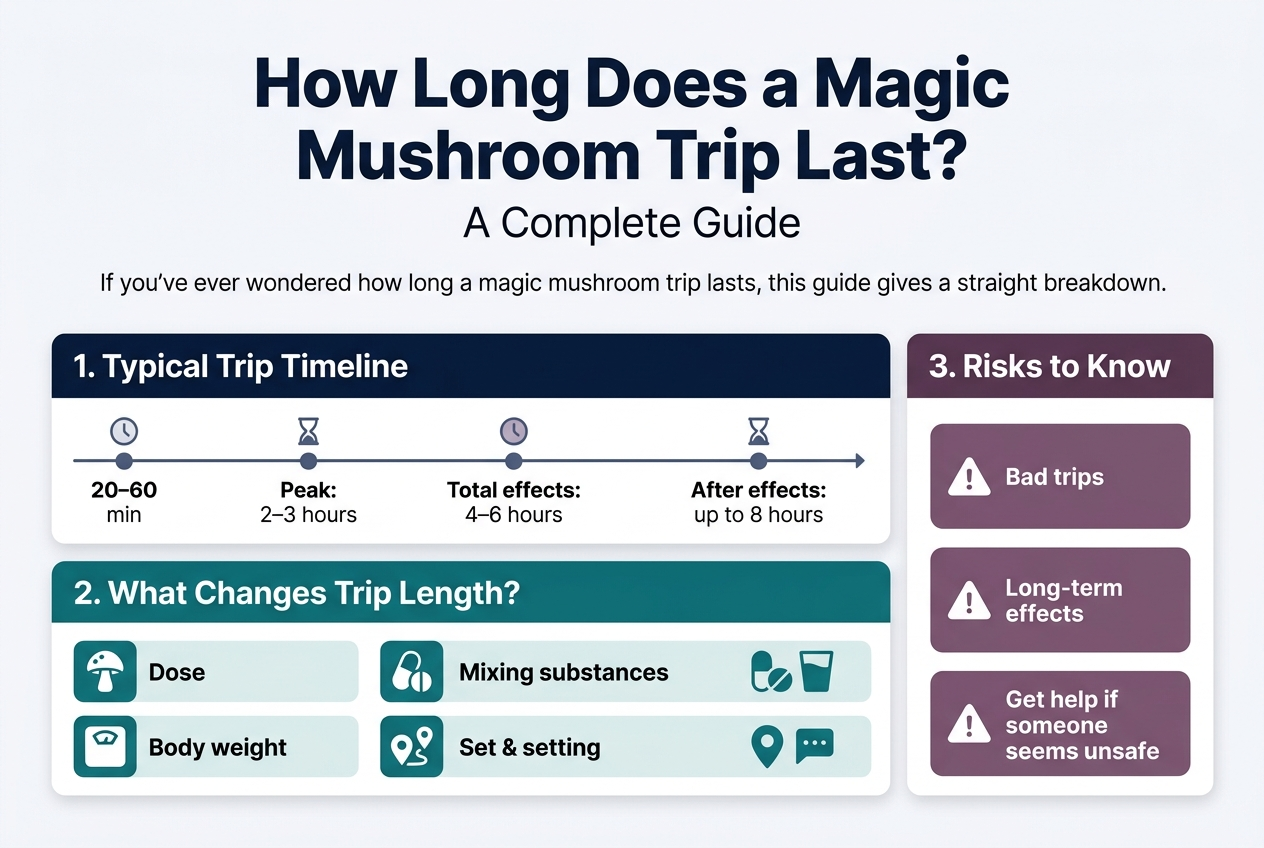
How Long Does a Magic Mushroom Trip Last? A Complete Guide
If you’ve ever wondered how long a magic mushroom trip lasts — or you’re worried about someone who uses them — you’re in the right place. This guide is for anyone who wants a straight, no-nonsense breakdown of what actually happens when someone takes psilocybin mushrooms, how long the effects stick around, and what can make a trip shorter, longer, or more intense.
Here’s what we’ll cover:
-
How long a magic mushroom trip typically lasts and what the timeline looks like from start to finish
-
The key factors that shape trip length and intensity, from dose and body weight to whether you mixed them with other substances
-
The real risks of mushroom use, including bad trips, long-term effects, and signs that someone may need help
Whether you’re looking for answers out of curiosity or genuine concern, knowing the facts can make a real difference.
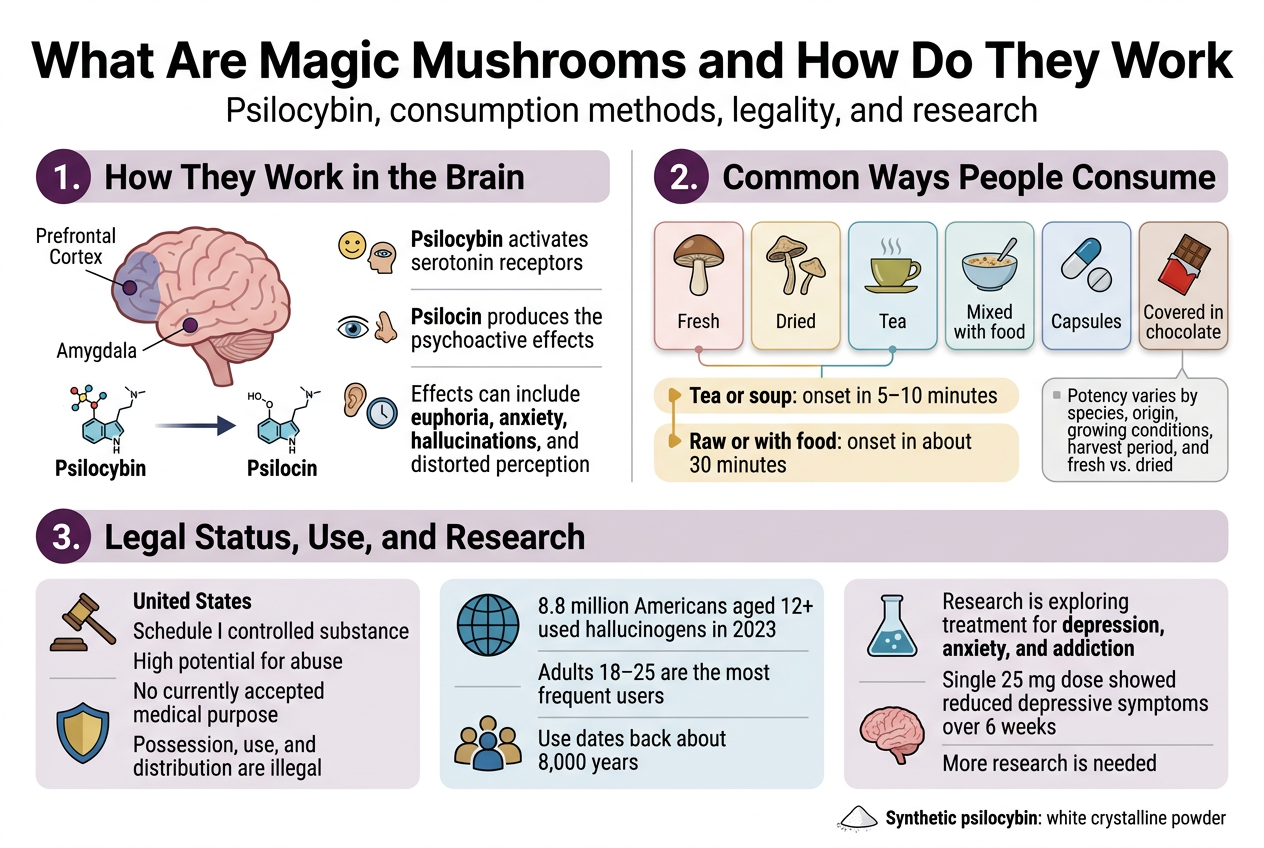
The Role of Psilocybin and Psilocin in Psychoactive Effects
Magic mushrooms are naturally occurring fungi consumed for their powerful hallucinogenic properties. The key active compound responsible for these effects is psilocybin, a chemical classified as a hallucinogen that binds to and activates serotonin receptors in the brain — particularly in areas such as the prefrontal cortex and the amygdala.
These regions of the brain play a critical role in regulating mood, cognition, and perception. When psilocybin is ingested, the body converts it into psilocin, which is the compound that actually produces the psychoactive effects. This conversion is what triggers the cascade of sensory and emotional changes users experience during a trip.
Psilocybin also interacts with other brain regions that govern arousal and panic responses, which explains why the experience can swing between euphoria and intense anxiety depending on a number of variables. The drug may cause:
-
Visual or auditory hallucinations
-
Distorted perception of objects and people
-
Altered sense of time and space
-
Intense shifts in mood and emotion
A person’s reaction to psilocybin is not uniform. The quantity consumed, prior experiences with psychedelics, personal expectations, mental state, and even personality traits can all shape how the drug affects an individual. Higher doses have been associated with a greater risk of negative experiences, including psychological distress and short-term psychosis.
Understanding how psilocybin works at a neurological level is foundational to answering questions like how long does a magic mushroom trip last — because the duration and intensity of effects are directly tied to how the body metabolizes and responds to these compounds.
Common Ways People Consume Magic Mushrooms
With this in mind, it’s equally important to understand the various methods by which people consume magic mushrooms, as the method of ingestion can influence both the onset time and overall experience.
Magic mushrooms are small fungi, typically brown or tan in color, that can easily be mistaken for non-psychoactive or even poisonous varieties when found in the wild. They are consumed in several ways:
| Consumption Method | Description |
|---|---|
| Fresh | Eaten raw directly after picking |
| Dried | Most common form; reduces weight but concentrates potency |
| Brewed as tea | Mushrooms steeped in hot water; faster onset (5–10 minutes) |
| Mixed with food | Often combined with food to mask the bitter taste |
| Capsules | Dried mushrooms ground into powder and encapsulated |
| Covered in chocolate | Fresh or dried mushrooms coated in chocolate to disguise flavor |
The method of consumption matters significantly when it comes to onset and duration. For example:
-
Eaten as food or raw: Effects typically begin within 30 minutes
-
Consumed as tea or soup: Onset can occur within just 5 to 10 minutes
The potency of mushrooms also varies based on several factors, including:
-
Species of mushroom
-
Geographic origin
-
Growing conditions
-
Harvest period
-
Whether they are consumed fresh or dried
These variables mean two people consuming what appears to be the same dose may have markedly different experiences, both in terms of intensity and how long the trip lasts.
Legal Status and Growing Accessibility
Previously, psilocybin existed almost exclusively in the realm of recreational and countercultural use. Today, the conversation around magic mushrooms has shifted considerably — though significant legal restrictions remain in place in many parts of the world.
In the United States, psilocybin is classified as a Schedule I controlled substance by the Drug Enforcement Administration (DEA). This classification indicates the DEA considers it to have:
-
High potential for abuse
-
No currently accepted medical purpose
This federal status means that possession, use, and distribution of magic mushrooms remain illegal at the national level in the U.S. Similarly, Australian federal and state laws impose penalties for possessing, using, or selling magic mushrooms, as well as for driving under their influence.
Despite these restrictions, accessibility and cultural awareness have grown considerably. According to the National Survey on Drug Use and Health, approximately 8.8 million Americans aged 12 and older used hallucinogens — including psilocybin — in 2023. Adults aged 18 to 25 represent the most frequent users.
The growing accessibility is also reflected in history and global use. Psilocybin use spans multiple cultures and geographic locations, with evidence suggesting consumption may date back as far as 8,000 years ago. In modern contexts, use ranges from recreational settings such as dance clubs to spiritual or transcendent practices.
Perhaps the most significant development in recent years is the increasing body of medical research exploring psilocybin’s therapeutic potential. Studies and reviews have examined its possible role in treating:
-
Depression, including treatment-resistant forms
-
Anxiety, particularly related to end-stage cancer diagnoses
-
Addiction to other substances
A notable 2023 study found that a single 25 mg dose of psilocybin, administered alongside psychological support, led to clinically significant reductions in depressive symptoms over six weeks. A 2024 review further suggested psilocybin may have both short-term and long-term antidepressant effects, though researchers emphasize that more investigation is needed before it can be widely adopted as a medical treatment.
Synthetic psilocybin also exists in the form of a white crystalline powder that can be processed into tablets, capsules, or dissolved in water — further reflecting its growing presence in both research and illicit markets.
How Long Does a Magic Mushroom Trip Last
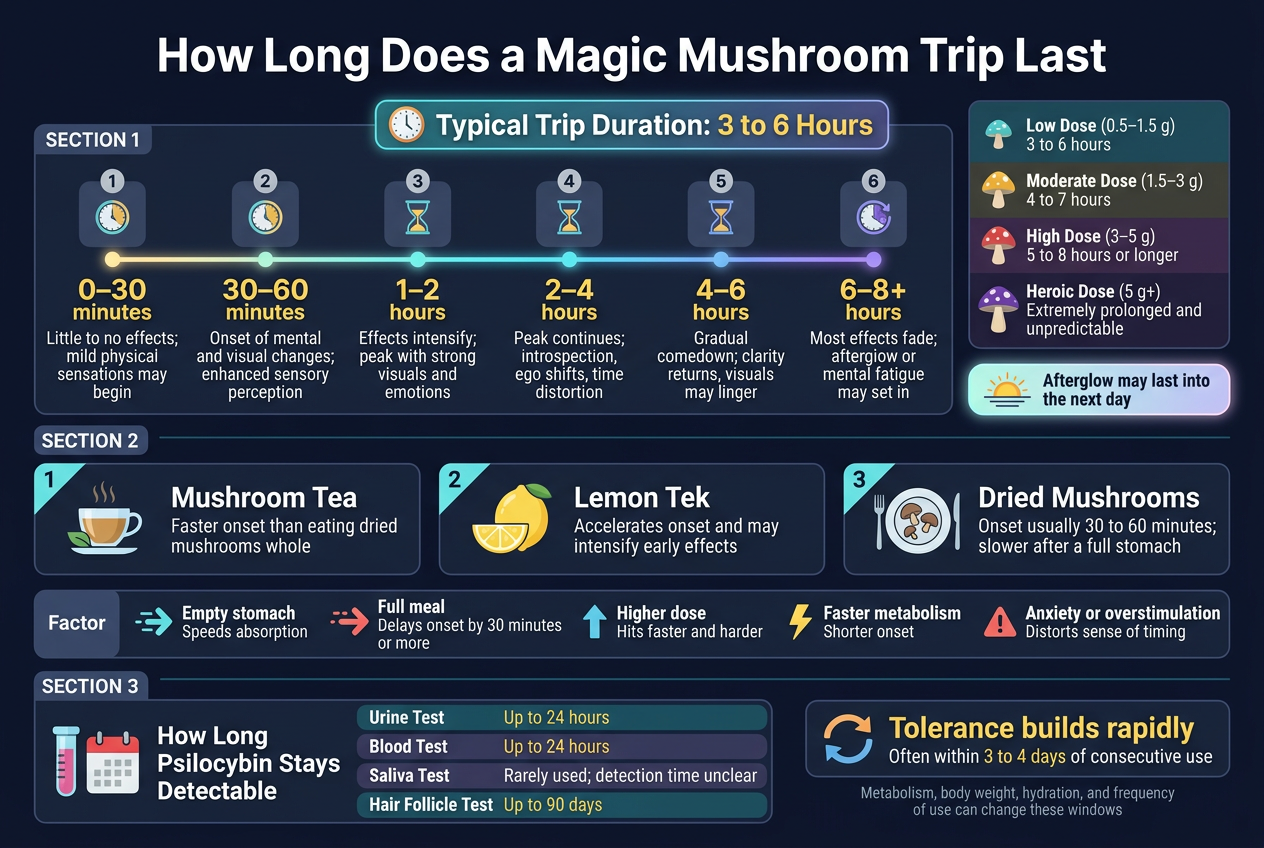
Typical Trip Duration: 3 to 6 Hours
So, how long does a magic mushroom trip last? For most people, the full experience spans 3 to 6 hours, though this window can extend further depending on the dose consumed. The first three to four hours tend to be the most intense, with effects gradually softening as the body metabolizes psilocybin into psilocin and clears it from the system.
Here is a breakdown of the typical hour-by-hour timeline most users experience:
| Time After Ingestion | What’s Typically Happening |
|---|---|
| 0 – 30 minutes | Little to no effects; mild physical sensations may begin |
| 30 – 60 minutes | Onset of mental and visual changes; enhanced sensory perception |
| 1 – 2 hours | Effects intensify; trip reaches peak with strong visuals and emotions |
| 2 – 4 hours | Peak continues; introspection, ego shifts, and time distortion possible |
| 4 – 6 hours | Gradual comedown; mental clarity begins returning, though visuals may linger |
| 6 – 8+ hours | Most effects fade; afterglow or mental fatigue may set in |
It is important to note that dosage plays a significant role in shaping how long the experience runs. Here is how duration generally scales with dose:
-
Low Dose (0.5 – 1.5 grams): Effects typically last 3 to 6 hours
-
Moderate Dose (1.5 – 3 grams): Experience can stretch 4 to 7 hours
-
High Dose (3 – 5 grams): Duration may reach 5 to 8 hours or longer
-
Heroic Dose (5 grams and above): Effects can be extremely prolonged and unpredictable
Some users also report a lingering afterglow — a state of mental clarity, emotional relief, or mild fatigue — that can persist into the following day even after the primary effects have resolved.
How Consumption Method Affects Onset and Duration
With the overall timeline in mind, it is worth understanding that how you consume magic mushrooms has a direct impact on both when the trip begins and how long it lasts. The method of ingestion influences the speed at which psilocybin is absorbed into the bloodstream and converted into psilocin.
The most common consumption methods and their effects on onset and duration include:
-
Dried mushrooms (eaten whole or mixed into food): This is the most traditional method. Onset typically occurs within 30 to 60 minutes, though it can take over an hour — particularly if taken on a full stomach, which slows digestion and delays absorption.
-
Mushroom tea: Brewing dried mushrooms into tea generally produces a faster onset than eating dried mushrooms whole. Because the psilocybin is already partially extracted into liquid form, the body absorbs it more quickly.
-
Lemon tek (soaked in lemon juice): This method, like tea, is known to accelerate onset. The acidic environment is believed to begin converting psilocybin to psilocin before ingestion, potentially shortening the onset and intensifying the early effects.
Beyond method, stomach contents are a critical variable. An empty stomach significantly speeds up absorption, while consuming mushrooms after a full meal can delay the onset by 30 minutes or more. This delay is a common reason first-time users mistakenly believe the mushrooms aren’t working and redose early — a dangerous decision that can lead to an overwhelmingly intense experience.
The table below summarizes how various factors tied to consumption method influence the onset:
| Factor | Impact on Onset Time |
|---|---|
| Method of Consumption | Tea or lemon tek kicks in faster than dried mushrooms eaten whole |
| Stomach Contents | Empty stomach speeds absorption; full stomach delays it |
| Dosage and Strain | Higher doses and more potent strains tend to hit faster and harder |
| Individual Metabolism | Faster metabolism shortens onset; slower metabolism delays it |
| Mindset and Environment | Anxiety or overstimulation can heighten awareness or distort the sense of timing |
How Long Psilocybin Stays Detectable in Your System
Now that we have covered how long the subjective effects last and how consumption method shapes the experience, it is equally important to understand how long psilocybin remains detectable in the body after the trip has ended. The psychedelic effects may wear off within 6 to 8 hours, but the compound can still be identified through various drug testing methods well beyond that window.
Here is a summary of psilocybin detection times across different test types:
| Test Type | Detection Window |
|---|---|
| Urine Test | Up to 24 hours |
| Blood Test | Up to 24 hours |
| Saliva Test | Rarely used; detection time unclear |
| Hair Follicle Test | Up to 90 days |
Standard urine and blood tests detect psilocybin for up to 24 hours after use, meaning the compound clears relatively quickly through conventional testing methods. However, hair follicle tests are a significant exception — they can detect psilocybin for up to 90 days, making them the most sensitive long-term detection method available.
It is also worth noting that individual factors such as metabolism, body weight, hydration levels, and frequency of use can influence how quickly psilocybin is cleared from the body, meaning these detection windows represent approximations rather than fixed guarantees. Additionally, tolerance to psilocybin builds rapidly — often within 3 to 4 days of consecutive use — so repeated dosing in a short period produces significantly diminished effects even as the compound may still be present in the system.
Key Factors That Influence Trip Length and Intensity
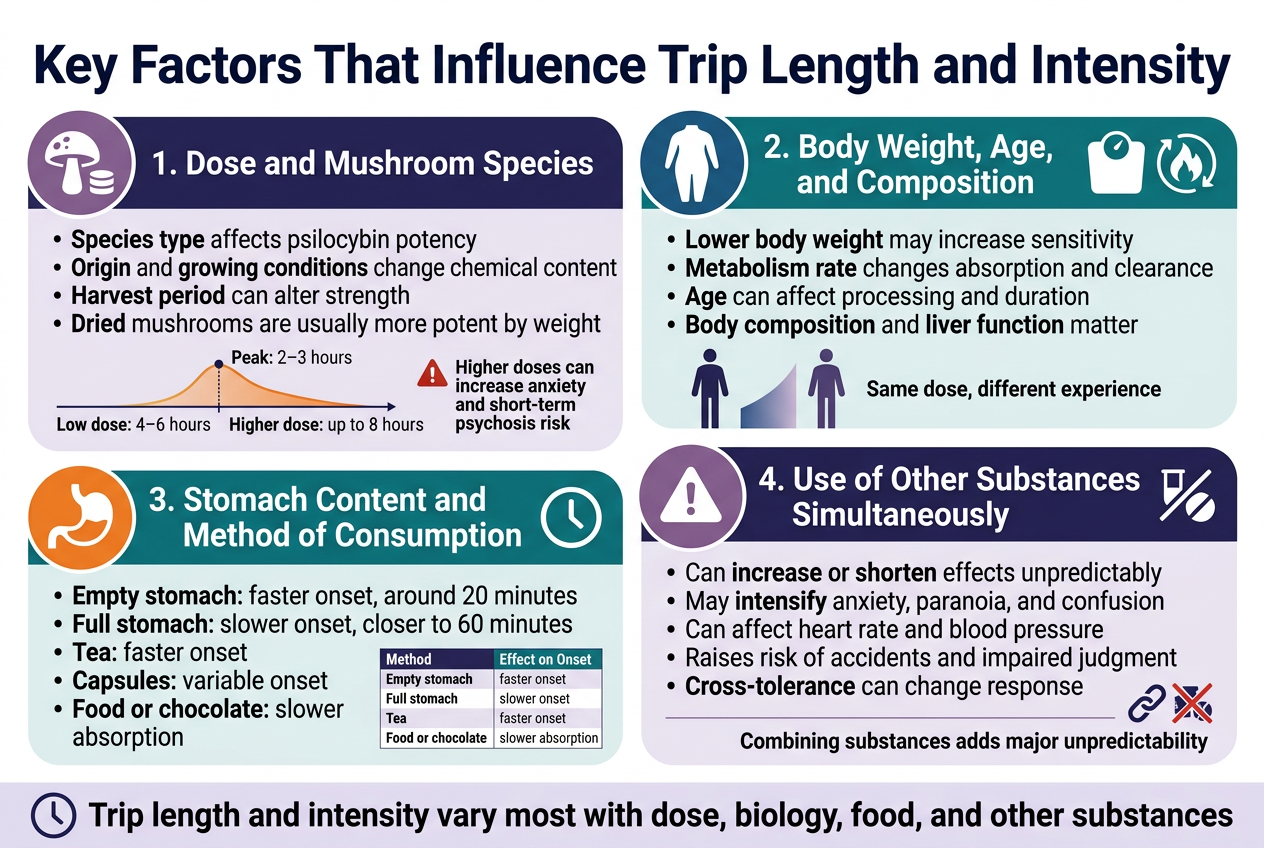
A. Dose and Mushroom Species
One of the most significant variables that determines how long a magic mushroom trip lasts — and how intensely it unfolds — is the dose consumed alongside the specific species of mushroom involved. Not all magic mushrooms are created equal. The potency of a given mushroom depends on several biological and environmental factors, including:
-
Species type — different species contain varying concentrations of psilocybin
-
Origin and growing conditions — where and how the mushrooms were cultivated directly affects their chemical content
-
Harvest period — mushrooms harvested at different growth stages can differ in potency
-
Fresh vs. dried — dried mushrooms are generally more potent by weight than fresh ones
A 2020 analysis referenced in the research suggests that higher doses of psilocybin significantly increase the risk of negative experiences, including severe anxiety and short-term psychosis. From a duration standpoint, larger doses tend to produce longer-lasting and more intense effects. A low dose may produce a milder experience lasting four to six hours, while a higher dose can push the overall trip closer to the eight-hour mark, with the peak phase at two to three hours after ingestion becoming especially overwhelming.
Understanding dose and species potency is critical for anyone trying to understand how long a magic mushroom trip lasts in practical terms. Misjudging potency — particularly with wild-harvested mushrooms — is one of the most common reasons people experience unexpectedly intense or prolonged trips.
B. Body Weight, Age, and Composition
Now that we have covered how dose and species play a role, it is equally important to recognize that individual biological characteristics also shape the experience. Body weight, age, and overall body composition all influence how psilocybin is processed, how quickly it takes effect, and how long those effects persist.
Psilocybin is converted in the body into psilocin, the active compound that binds to serotonin receptors in the brain. The rate at which this conversion happens — and how efficiently the body metabolizes psilocin — varies from person to person based on:
-
Body weight — generally, individuals with lower body weight may be more sensitive to the same dose
-
Metabolism rate — a faster metabolism can affect how quickly psilocybin is absorbed and cleared from the system
-
Age — older individuals may metabolize substances differently compared to younger users, potentially influencing both intensity and duration
-
Overall body composition — factors like body fat percentage and liver function can affect how the substance is processed
These biological differences explain why two people can consume the same dose of psilocybin mushrooms and have noticeably different experiences in terms of both intensity and how long the trip lasts. The research consistently notes that individual factors such as mental state, personality, and physical characteristics all contribute to the variation in psilocybin experiences.
C. Stomach Content and Method of Consumption
With this in mind, next we’ll examine how stomach content and the method of consumption can meaningfully alter both the onset timing and the overall duration of a magic mushroom trip.
Consuming psilocybin mushrooms on an empty stomach generally results in a faster onset, with effects beginning as quickly as 20 minutes after ingestion. When the stomach is full, digestion slows the absorption of psilocybin, potentially delaying the onset closer to the 60-minute mark and slightly altering the intensity of the peak experience.
The method by which mushrooms are consumed also matters. Common methods include:
| Method of Consumption | Effect on Onset | Notes |
|---|---|---|
| Eaten raw or dried | Standard onset (20–60 min) | Most common method |
| Brewed as a tea | Faster onset | Liquid absorbs more quickly |
| Capsule form (powdered) | Variable onset | Depends on capsule digestion |
| Mixed with food or chocolate | Slower onset | Food slows absorption |
Brewing magic mushrooms as a tea, for instance, may cause effects to begin more rapidly because the psilocybin is already partially dissolved and does not require the body to break down mushroom material first. Conversely, consuming mushrooms embedded in food — such as covered in chocolate — may delay absorption and shift the timing of when the trip peaks.
Understanding these nuances is particularly important in the context of how long a magic mushroom trip lasts overall, as the onset timing can influence when the peak occurs and, consequently, when the comedown phase begins.
D. Use of Other Substances Simultaneously
Previously, we’ve explored how individual biology and consumption methods shape the psilocybin experience. Another critical factor — and one that carries significant safety implications — is the concurrent use of other substances alongside magic mushrooms.
Combining psilocybin with other psychoactive substances can dramatically alter both the intensity and duration of a trip. The research notes that taking certain additional psychoactive drugs may reduce or completely end the effects of hallucinogens by counteracting their mechanisms in the brain. However, this practice introduces considerable additional risks that are not fully understood.
Key points regarding polydrug use with psilocybin include:
-
Cross-tolerance effects — regular psilocybin use can build tolerance that extends to other hallucinogens, including LSD and mescaline, meaning the body may respond differently when multiple substances are involved
-
Amplified psychological distress — combining substances can intensify anxiety, paranoia, confusion, or hallucinations beyond what either substance would produce alone
-
Unpredictable physical effects — mixing psilocybin with substances that affect heart rate or blood pressure can compound cardiovascular strain
-
Impaired judgment — the presence of multiple substances increases the risk of dangerous behavior, accidents, or inability to recognize a medical emergency
-
Variable trip duration — depending on the substances combined, the overall length of the psilocybin experience may be extended or shortened in unpredictable ways
The reference research emphasizes that more study is needed to fully understand the risks and potential interactions involved in combining psilocybin with other substances. What is clear, however, is that simultaneous use of other drugs introduces a layer of unpredictability that makes it significantly harder to anticipate how long a magic mushroom trip will last or how intense it will become. For individuals with underlying mental health conditions, this risk is compounded further.
Effects You Can Expect During a Magic Mushroom Trip
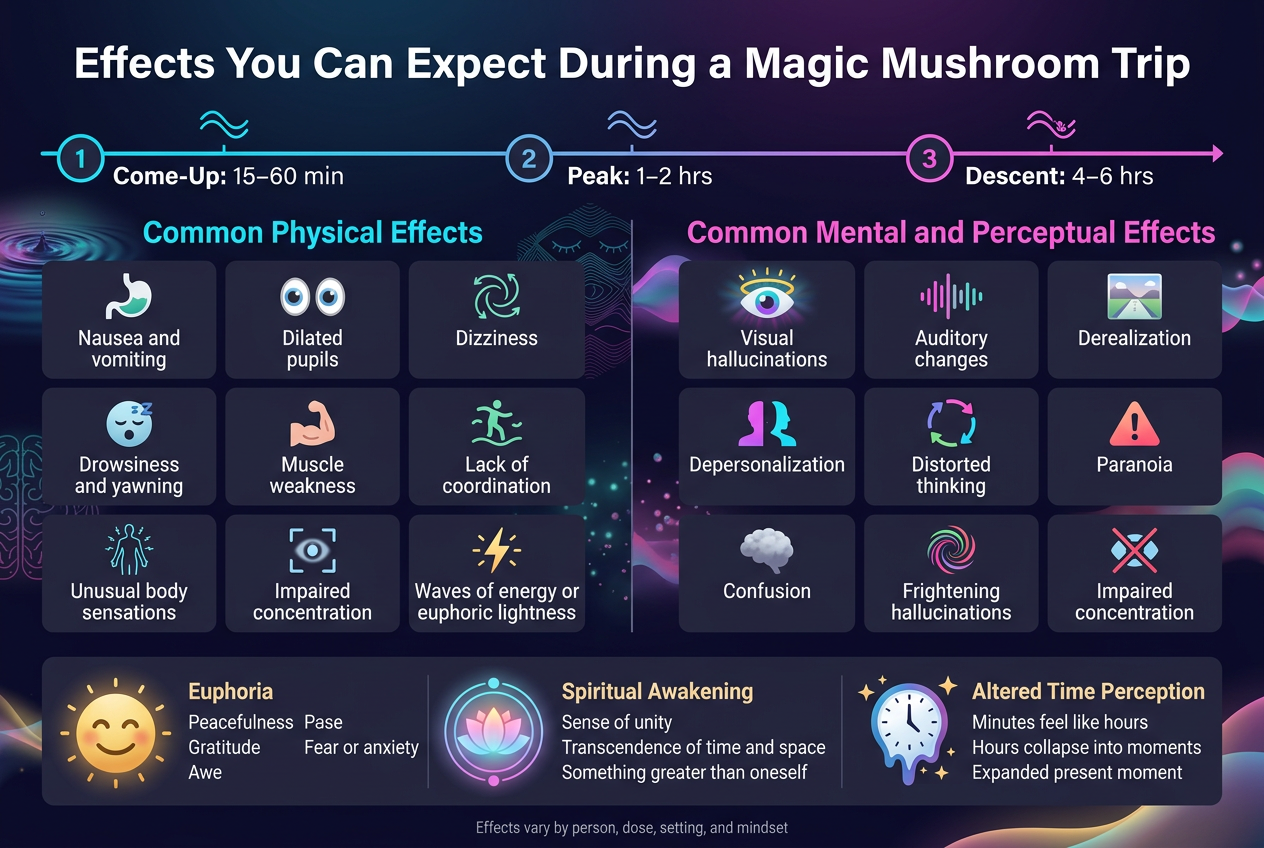
Common Physical Effects
When thinking about how long does a magic mushroom trip last, it helps to understand what actually happens to the body during that window. The physical effects of psilocybin begin relatively soon after ingestion — typically within 15 to 60 minutes — and can persist for the duration of the trip.
The body load, as it is commonly called, refers to the range of physical sensations that accompany the experience, particularly during the come-up phase. These sensations vary widely from person to person and can include:
-
Nausea and vomiting — especially during the onset phase
-
Dilated pupils — a classic and reliable physical marker
-
Dizziness — a frequent early-stage symptom
-
Drowsiness and yawning — often reported even alongside stimulating mental effects
-
Muscle weakness — a reduced sense of physical strength or coordination
-
Lack of coordination — movement can feel unfamiliar or clumsy
-
Unusual body sensations — ranging from tingling and warmth to pressure in the chest or stomach
-
Impaired concentration — difficulty focusing on tasks requiring sustained cognitive attention
-
Waves of energy or euphoric lightness — some users describe an urge to move or a sense of physical weightlessness
For some people, the physical come-up brings a fluttering in the chest or light stomach pressure. For others, it presents as a sudden rush of warmth coursing through the body. In either case, these physical sensations tend to peak during the first one to two hours and gradually subside as the trip moves toward its peak mental and perceptual phase.
Common Mental and Perceptual Effects
With the physical dimension established, it is equally important to examine what psilocybin does to the mind and the way a person perceives the world around them. These effects are often the most talked about and the most profoundly reported aspects of a magic mushroom experience.
Psilocybin works by binding to and activating serotonin receptors in key brain regions, including the prefrontal cortex and the amygdala — areas that govern mood, cognition, and perception. By quieting the brain’s default mode network, psilocybin creates space for entirely new sensory and cognitive patterns to emerge.
The mental and perceptual effects most commonly reported include:
| Effect | Description |
|---|---|
| Visual hallucinations | Seeing halos of light, vivid colors, patterns rippling on surfaces, closed-eye geometric visuals |
| Auditory changes | Sounds become more resonant and textured |
| Derealization | The feeling that one’s surroundings are not real |
| Depersonalization | A dream-like sense of disconnection from oneself and the environment |
| Distorted thinking | Thoughts may loop, fracture, or expand in unexpected directions |
| Paranoia | A heightened sense of threat or suspicion, particularly at higher doses |
| Confusion | Difficulty distinguishing internal thoughts from external reality |
| Frightening hallucinations | At higher doses, visual and auditory hallucinations may become intense or disturbing |
| Impaired concentration | Sustained logical focus becomes difficult |
During the peak — which typically arrives between one and two hours after ingestion and lasts for two to three hours — colors pulse with vibrancy, familiar surfaces come alive with shifting patterns, and closed-eye visuals can reveal vast, intricate geometries. The experience rarely maintains a single tone; rather, it moves in waves, swelling between intensity and calm.
Dr. Robin Carhart-Harris’s research notes that this phase correlates with the brain’s default mode network becoming quieter, which allows for new connections and sensory configurations to emerge. The result is a perceptual world that feels simultaneously alien and deeply personal.
Beyond the visual and auditory, the mind can undergo dramatic shifts in thought patterns. Distorted thinking may manifest as unusual associations or the dissolving of previously rigid mental frameworks. Some users experience confusion or short-term psychosis, particularly at higher doses or in the context of pre-existing mental health vulnerabilities.
Euphoria, Spiritual Experiences, and Altered Time Perception
Now that we have covered the physical and perceptual dimensions, it is worth exploring the effects that many people consider the most transformative and difficult to describe: the emotional, spiritual, and temporal distortions that define much of the magic mushroom experience.
Euphoria and Emotional Amplification
Psilocybin has a remarkable ability to amplify emotional states. During a trip, emotions do not merely surface — they can arrive in torrents. Joy, awe, grief, and love may all be felt in rapid succession or even simultaneously. For many users, this emotional intensity is not distressing but profoundly meaningful. Studies at Johns Hopkins University found that psilocybin experiences often rank among the most personally significant moments in participants’ lives, producing enduring shifts in mood, perspective, and purpose.
The emotional spectrum of a psilocybin experience includes:
-
Euphoria — a deep, all-encompassing sense of wellbeing and joy
-
Peacefulness — a calm that can feel unlike anything in ordinary daily life
-
Gratitude — frequently reported during the descent phase
-
Awe — a sense of encountering something vast and beyond comprehension
-
Fear or anxiety — particularly if the user resists the experience or has consumed a high dose
Spiritual Awakening and Mystical Experience
Perhaps the most profound dimension of a magic mushroom trip is what researchers call the mystical experience. The boundaries between self and world, between past and future, between personal identity and the broader universe can dissolve entirely. Many users describe encountering something vast, benevolent, and beyond the reach of ordinary language.
Psychologist Roland Griffiths, who conducted landmark research on psilocybin at Johns Hopkins University, found that participants who approached the experience with openness and curiosity were significantly more likely to report feelings of unity, transcendence, and lasting well-being. Philosopher William James described this as the “noetic quality” of mystical experience — the sense that what is revealed feels not like fantasy, but like truth.
Spiritual effects commonly reported include:
-
Spiritual awakening — a profound shift in how one relates to existence
-
A sense of unity — the dissolution of the boundary between self and universe
-
Transcendence of time and space — a feeling that ordinary temporal and physical limits no longer apply
-
Encounters with something greater than oneself — often described as benevolent or deeply meaningful
Altered Time Perception
One of the most disorienting and frequently reported effects of psilocybin is the distortion of time perception. Minutes can feel like hours, and hours may collapse into what seems like moments. The altered perception of time is not merely subjective in the ordinary sense — it reflects genuine changes in how the brain processes temporal information during a psilocybin experience.
This altered sense of time is closely tied to the broader category of altered perception of time and space that defines the psilocybin experience. During the peak of the trip, users may feel completely untethered from their ordinary sense of past and future, existing entirely within an expanded present moment. As the trip descends — typically after four to six hours — linear time gradually reasserts itself, often accompanied by a feeling of returning to, or reforming, the self.
Risks and Dangers of Magic Mushroom Use
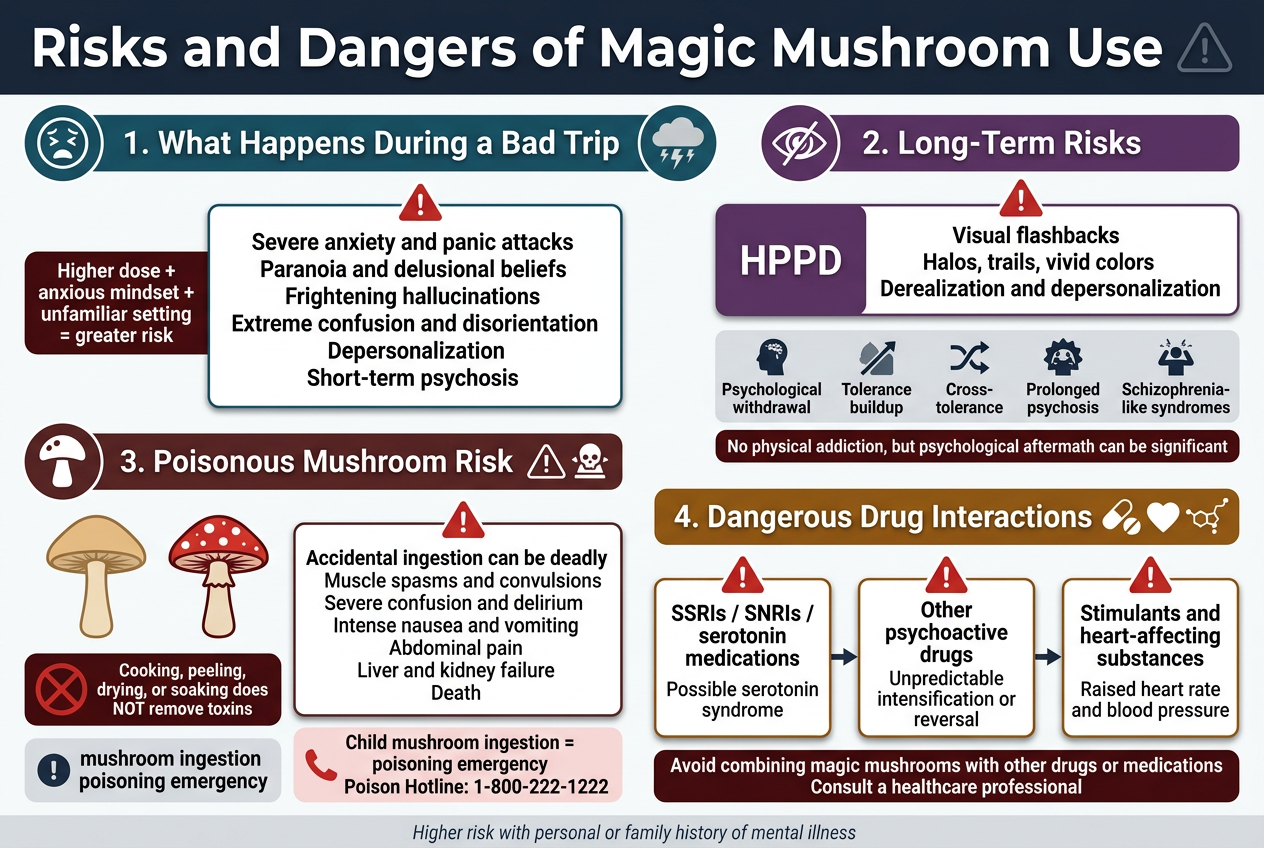
What Happens During a Bad Trip
Even when someone knows exactly how long a magic mushroom trip lasts, nothing fully prepares a person for a bad trip. A bad trip refers to an intensely negative psychological experience triggered by psilocybin, and it can occur even when a person takes a moderate dose.
During a bad trip, a person may experience:
-
Severe anxiety and panic attacks
-
Paranoia and delusional beliefs
-
Frightening hallucinations that feel completely real
-
Extreme confusion and disorientation
-
Depersonalization, or the feeling of being disconnected from one’s body
-
Short-term psychosis, where the person loses touch with reality
The risk of experiencing a bad trip increases significantly under certain conditions. According to research, higher doses of psilocybin raise the likelihood of negative experiences. Pre-existing mental health conditions, feelings of anxiety before taking the drug, and being in an unfamiliar or unsupervised environment can all make a bad trip far more likely.
It is also worth noting that the setting and the user’s mental state at the time of consumption play a powerful role. Someone who feels anxious, unsettled, or emotionally vulnerable before taking magic mushrooms is at a much higher risk of experiencing a distressing trip.
Psychosis triggered by a bad trip can be temporary, but in rare cases — particularly in individuals already predisposed to psychiatric conditions — it may extend beyond the duration of the drug’s effects. The only guaranteed way to avoid a bad trip is to not consume magic mushrooms at all.
Long-Term Risks Including Hallucinogen Persisting Perception Disorder
Now that we have covered the immediate dangers of a bad trip, it is important to look at what can happen long after the effects of psilocybin wear off. While many people assume the risks end when the trip does, some individuals face lasting consequences.
One of the most documented long-term risks associated with hallucinogen use is Hallucinogen Persisting Perception Disorder (HPPD). This condition involves persistent, distressing alterations in how a person perceives the world, even when they are no longer under the influence of any substance. These changes can take the form of:
-
Visual flashbacks — traumatic recalls of intensely upsetting experiences
-
Seeing halos, trails, or vivid colors without any drug present
-
Ongoing feelings of derealization or depersonalization
Beyond HPPD, long-term or repeated use of psilocybin carries additional risks:
| Long-Term Risk | Description |
|---|---|
| Psychological withdrawal | After several days of use, people may struggle to adjust to reality |
| Tolerance buildup | Regular use can cause the brain to become less responsive to psilocybin |
| Cross-tolerance | Tolerance can extend to other hallucinogens, including LSD and mescaline |
| Prolonged psychosis | Recreational use may elevate the risk of protracted psychosis in vulnerable individuals |
| Schizophrenia-like syndromes | Some individuals may develop symptoms resembling schizophrenia |
Importantly, while current research suggests psilocybin is not physically addictive and no physical withdrawal symptoms occur after stopping use, the psychological aftermath can be significant. Individuals with a personal or family history of mental illness face a considerably higher risk of developing these long-term complications.
Risk of Accidentally Consuming Poisonous Mushrooms
With this in mind, another serious danger that is often overlooked is the very real possibility of accidentally consuming a poisonous mushroom. This risk is particularly high for people who forage wild mushrooms rather than obtaining them through controlled sources.
Magic mushrooms are typically small and brown or tan in color, and in the wild, they closely resemble a number of other mushroom species — some of which are highly toxic. Mistaking a poisonous look-alike for a psilocybin-containing mushroom can have devastating consequences.
Symptoms of mushroom poisoning include:
-
Muscle spasms and convulsions
-
Severe confusion and delirium
-
Intense nausea and vomiting
-
Abdominal pain
-
Liver and kidney failure in severe cases
-
Death in the most extreme scenarios
A critical point to understand is that cooking, peeling, drying, or soaking poisonous mushrooms does not eliminate their toxins. Many people mistakenly believe that preparing wild mushrooms in these ways makes them safe to consume — this is not true.
Most accidental mushroom ingestions result in minor gastrointestinal illness, but the most severe cases require immediate emergency medical attention. Anyone who experiences muscle spasms, confusion, or delirium after eating wild mushrooms should go to an emergency room immediately.
To reduce this risk:
-
Never consume wild mushrooms unless they have been identified by a certified expert
-
Keep all mushroom products locked away and out of reach of children and pets
-
Regularly remove wild mushrooms from areas where children are present to prevent accidental ingestion
If a child has consumed any mushroom — wild or otherwise — it should be treated as a poisoning emergency. The California Poison Control System recommends contacting the Poison Hotline immediately at 1-800-222-1222 without waiting for symptoms to develop.
Dangerous Interactions With Other Drugs and Medications
Previously, we explored the risks that magic mushrooms pose on their own. However, the dangers can multiply significantly when psilocybin is combined with other substances.
Psilocybin works primarily by binding to and activating serotonin receptors in the brain. This mechanism creates a particularly dangerous interaction with any substance that also affects serotonin levels. One of the most important warnings concerns antidepressants and other serotonin-affecting medications. People who are taking these medications should not use magic mushrooms without explicit medical guidance, as the combination can lead to unpredictable and potentially dangerous outcomes.
Key drug interaction risks include:
-
Serotonin-based medications (e.g., SSRIs, SNRIs): These can interact with psilocybin in ways that are not fully understood, potentially reducing the drug’s effects or, in some cases, contributing to serotonin syndrome — a potentially life-threatening condition
-
Other psychoactive drugs: Taking additional psychoactive substances alongside psilocybin may counteract or intensify the hallucinogenic effects, producing highly unpredictable reactions
-
Stimulants and heart-affecting substances: Since psilocybin already increases heart rate and blood pressure, combining it with stimulants can pose serious cardiovascular risks — especially for individuals with underlying heart conditions
It is also important to understand that dried or processed magic mushroom products may contain additional unknown substances, further complicating their safety profile and making drug interactions even harder to predict.
The safest course of action is to avoid combining magic mushrooms with any other drugs or medications. Individuals on prescription medications, particularly those affecting serotonin, should consult a healthcare professional before using psilocybin in any form.
Recognizing and Treating Magic Mushroom Abuse
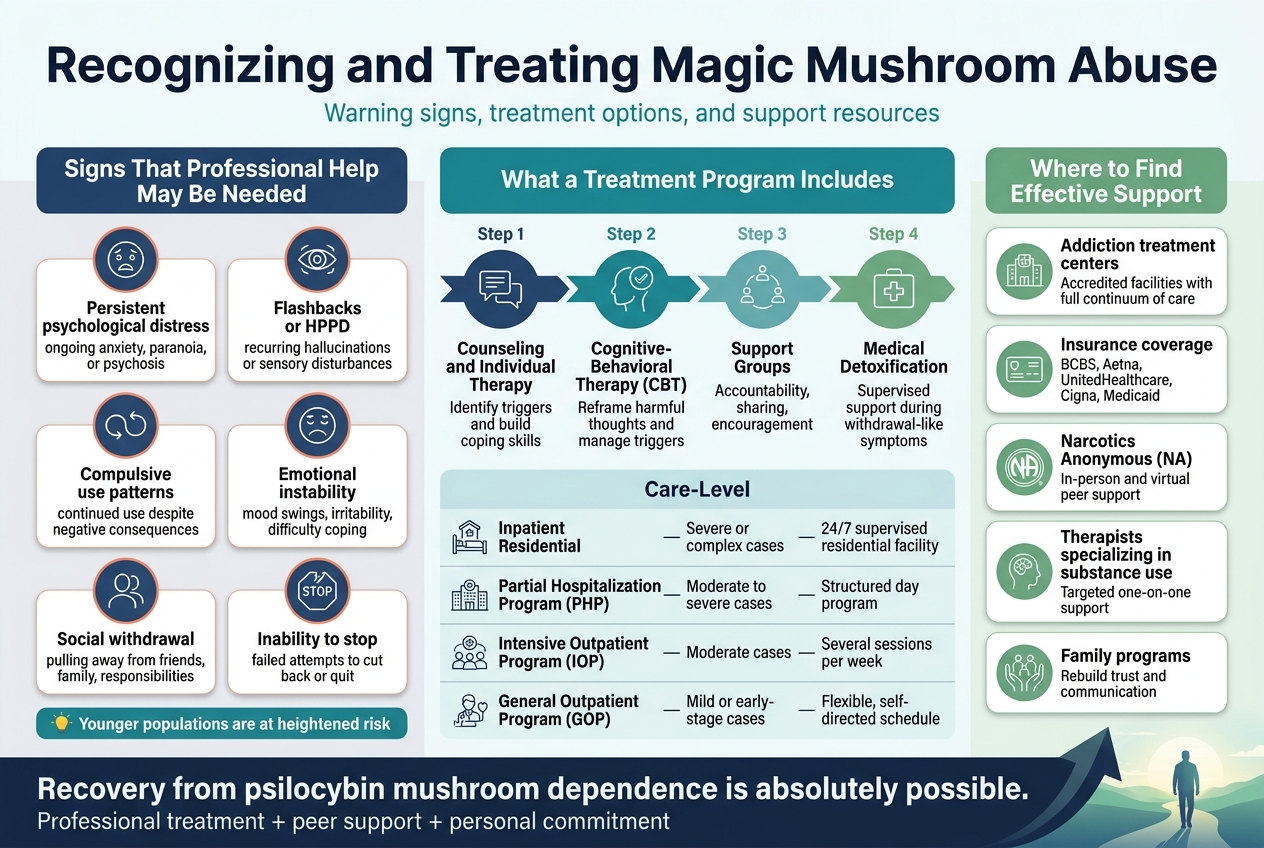
Signs That Professional Help May Be Needed
Now that we have covered the risks and dangers of magic mushroom use, it’s important to recognize when casual or experimental use has crossed into territory that requires professional intervention. While psilocybin mushrooms do not cause the same level of physical dependence as substances like opioids or alcohol, psychological dependence is a very real concern — and it can have serious consequences on a person’s personal and professional life.
Watch for these warning signs that suggest professional help may be needed:
-
Persistent psychological distress — ongoing anxiety, paranoia, or psychosis that continues well after the trip has ended
-
Flashbacks or Hallucinogen Persisting Perception Disorder (HPPD) — recurring hallucinations or sensory disturbances that appear days, weeks, or even years after last use
-
Compulsive use patterns — continuing to use mushrooms despite negative consequences at work, school, or in relationships
-
Emotional instability — mood swings, irritability, or difficulty coping with reality between uses
-
Social withdrawal — pulling away from friends, family, or responsibilities in favor of drug use
-
Inability to stop — repeated failed attempts to cut back or quit, even when the individual wants to
It’s also worth noting that younger populations are at heightened risk. Hallucinogen use among adults aged 19 to 30 reached historic highs in 2021 according to the Monitoring the Future panel study, making early recognition and intervention more important than ever. The false perception that mushrooms are a “natural” and therefore safe drug can delay people from seeking the help they genuinely need.
What a Mushroom Abuse Treatment Program Includes
With this in mind, it’s helpful to understand what a structured treatment program for psilocybin mushroom abuse actually looks like. Treatment is not one-size-fits-all — it is tailored to the severity of a person’s use and their individual needs. Here is a breakdown of the core components commonly found in effective programs:
Counseling and Individual Therapy
One-on-one counseling helps individuals identify the underlying triggers driving their mushroom use and develop practical coping skills to manage cravings and stress without relying on substances.
Cognitive-Behavioral Therapy (CBT)
CBT is one of the most widely used and evidence-based approaches for treating substance use disorders. A therapist trained in CBT works with the patient to:
-
Identify negative thought patterns linked to drug use
-
Challenge and reframe harmful beliefs
-
Build reliable, healthy strategies for managing stress, anxiety, and common triggers
Support Groups
Programs like Narcotics Anonymous (NA) offer a community of peers who understand the recovery journey firsthand. Support groups provide:
-
A sense of accountability
-
A safe space to share experiences without judgment
-
Ongoing encouragement from others in recovery
Digital support groups and mobile apps have also emerged as a valuable option, offering the same benefits of in-person groups with greater flexibility and accessibility.
Medical Detoxification
While physical dependence on psilocybin is not as pronounced as with other substances, withdrawal-like symptoms can emerge within 24 to 48 hours of stopping use. Supervised medical detox provides a safe, monitored environment to manage these symptoms — and research shows that medically supervised detox significantly increases the likelihood of successful long-term recovery.
Inpatient and Outpatient Rehabilitation Programs
Depending on the severity of use, a person may be placed in one of the following levels of care:
| Program Type | Best For | Setting |
|---|---|---|
| Inpatient Residential | Severe or complex cases | 24/7 supervised residential facility |
| Partial Hospitalization Program (PHP) | Moderate to severe cases | Structured day program |
| Intensive Outpatient Program (IOP) | Moderate cases | Several sessions per week |
| General Outpatient Program (GOP) | Mild or early-stage cases | Flexible, self-directed schedule |
Inpatient programs offer a structured, distraction-free environment that allows individuals to focus entirely on recovery. Outpatient options provide more flexibility while still delivering consistent therapeutic support.
Where to Find Effective Support and Recovery Resources
Previously, we’ve discussed what treatment involves — but knowing where to turn is equally critical. Effective support for psilocybin mushroom abuse is more accessible than many people realize, and reaching out is the most important first step.
Here are the primary avenues for finding help:
-
Addiction treatment centers — Many accredited facilities across the United States offer specialized programs for hallucinogen abuse. Look for centers that are Joint Commission accredited and offer a full continuum of care, from residential treatment through to outpatient support and alumni programs.
-
Insurance coverage — Many treatment programs are covered by major insurance providers, including BCBS, Aetna, UnitedHealthcare, Cigna, and Medicaid in applicable states. Verifying insurance coverage online or by phone is typically a straightforward first step.
-
Narcotics Anonymous (NA) — A widely available peer support network with both in-person and virtual meetings, NA can serve as an important resource both during and after formal treatment.
-
Therapists specializing in substance use — Licensed therapists who are trained in CBT and substance use disorders can provide targeted, one-on-one support for those who may not require a full residential program.
-
Family programs — Recovery is most effective when loved ones are part of the process. Many treatment centers offer dedicated family programs to help rebuild trust and communication.
Recovery from psilocybin mushroom dependence is absolutely possible. With the right combination of professional treatment, peer support, and personal commitment, individuals can reclaim a healthy, stable, and fulfilling life.
7 FAQ
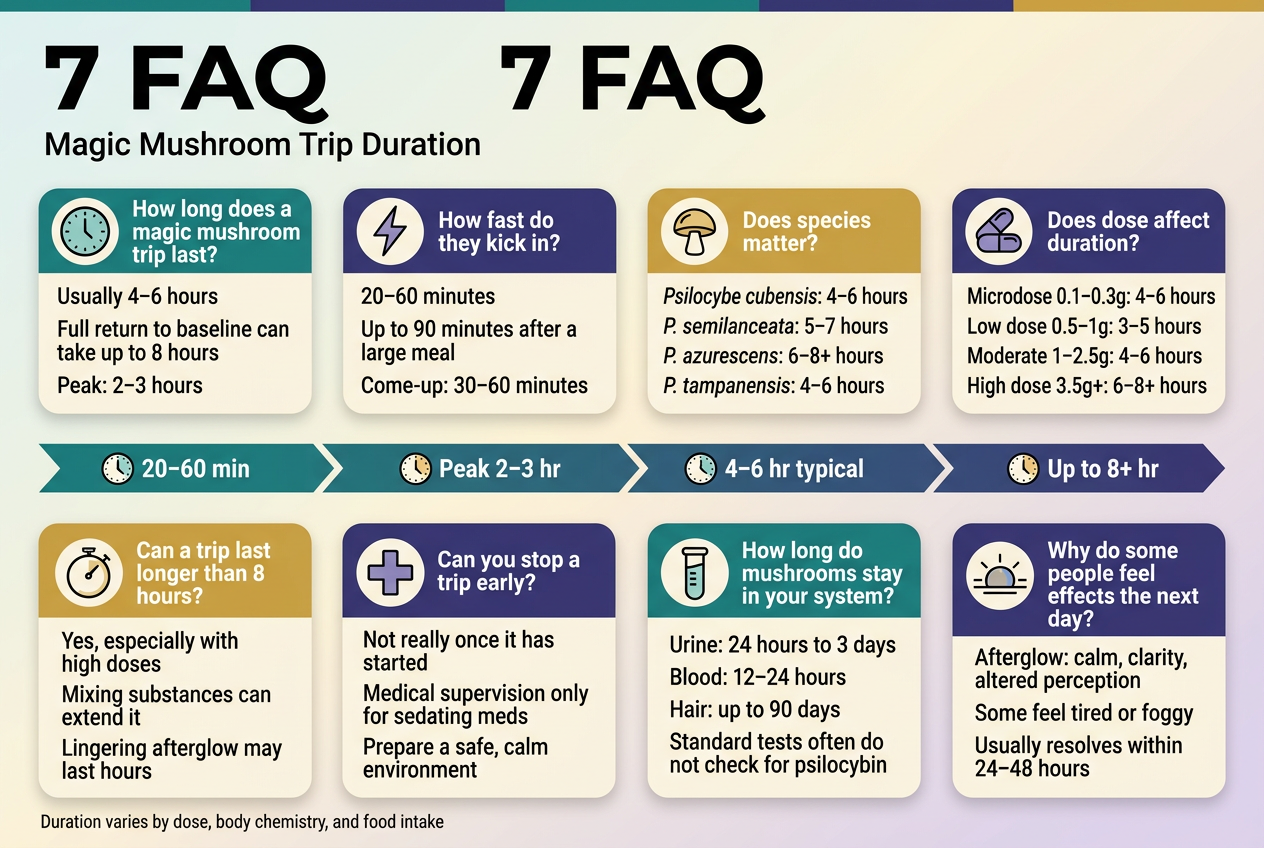
How long does a magic mushroom trip last on average?
Most magic mushroom trips last between 4 and 6 hours, though the full experience — from the first effects kicking in to feeling completely back to baseline — can stretch closer to 8 hours for some people. The peak typically hits around the 2 to 3-hour mark and gradually winds down from there. A lot depends on the dose, your body chemistry, and whether you’ve eaten recently.
Can a magic mushroom trip last longer than 8 hours?
Yes, in some cases. High doses, combining mushrooms with other substances, or individual differences in metabolism can all push the experience past the 8-hour window. There are also reports of lingering perceptual effects — like mild visual distortions or a dreamlike feeling — that persist for several hours after the main trip ends. These afterglow effects are generally mild but worth knowing about ahead of time.
How long does it take for magic mushrooms to kick in?
Typically, you’ll start feeling something within 20 to 60 minutes of taking mushrooms. If you’ve eaten a large meal beforehand, it could take closer to 90 minutes. The come-up phase — the period where effects are building — usually lasts 30 to 60 minutes before you hit the peak.
Does the type of magic mushroom affect how long the trip lasts?
Yes, the species and strain can make a difference. Psilocybe cubensis is the most common variety and tends to produce trips lasting 4 to 6 hours. More potent species like Psilocybe azurescens or Psilocybe semilanceata (liberty caps) contain higher concentrations of psilocybin and psilocin, which can lead to longer, more intense experiences. Here’s a rough breakdown:
| Species | Relative Potency | Average Trip Duration |
|---|---|---|
| Psilocybe cubensis | Moderate | 4–6 hours |
| Psilocybe semilanceata | High | 5–7 hours |
| Psilocybe azurescens | Very High | 6–8+ hours |
| Psilocybe tampanensis | Moderate | 4–6 hours |
Does dose affect how long a magic mushroom trip lasts?
Absolutely. Dose is one of the biggest factors.
-
Microdose (0.1–0.3g): Sub-perceptual effects, typically lasting 4–6 hours with minimal noticeable changes
-
Low dose (0.5–1g): Mild effects, usually 3–5 hours
-
Moderate dose (1–2.5g): A full experience, typically 4–6 hours
-
High dose (3.5g+): Intense trip, often running 6–8 hours or longer
Higher doses don’t just make the trip more intense — they also tend to make it last longer because your body takes more time to metabolize the larger amount of psilocybin.
Can you stop a magic mushroom trip early?
Not really. Once psilocybin has been converted to psilocin in your body, the process is essentially underway and you can’t reverse it. Some people find that taking a benzodiazepine (like diazepam) under medical supervision can reduce the intensity of overwhelming experiences, but this isn’t something to self-administer casually. The best approach is to prepare ahead of time — set up a safe, comfortable environment, have a trusted sober person nearby, and avoid high doses if you’re inexperienced.
How long do magic mushrooms stay in your system for drug testing?
Psilocybin is metabolized fairly quickly compared to many other substances. In most cases:
-
Urine tests: Psilocybin and psilocin are typically undetectable within 24 hours, though some tests may pick up traces for up to 3 days
-
Hair follicle tests: Can potentially detect use for up to 90 days, though these tests are rarely used for psilocybin
-
Blood tests: Psilocin clears from blood within a few hours, making detection uncommon after 12–24 hours
It’s worth knowing that standard drug panels often don’t test for psilocybin at all, but specialized tests can be ordered if there’s a specific reason to look for it.
Why do some people feel effects the next day?
Some people report what’s often called an afterglow — a lingering sense of calm, clarity, or slightly altered perception that continues the day after a trip. This isn’t the active drug still in your system; it’s more of a neurological and psychological carryover from the experience itself. On the flip side, some people feel tired, emotionally drained, or even a bit foggy the day after a significant experience. Both reactions are common and generally resolve within 24–48 hours.
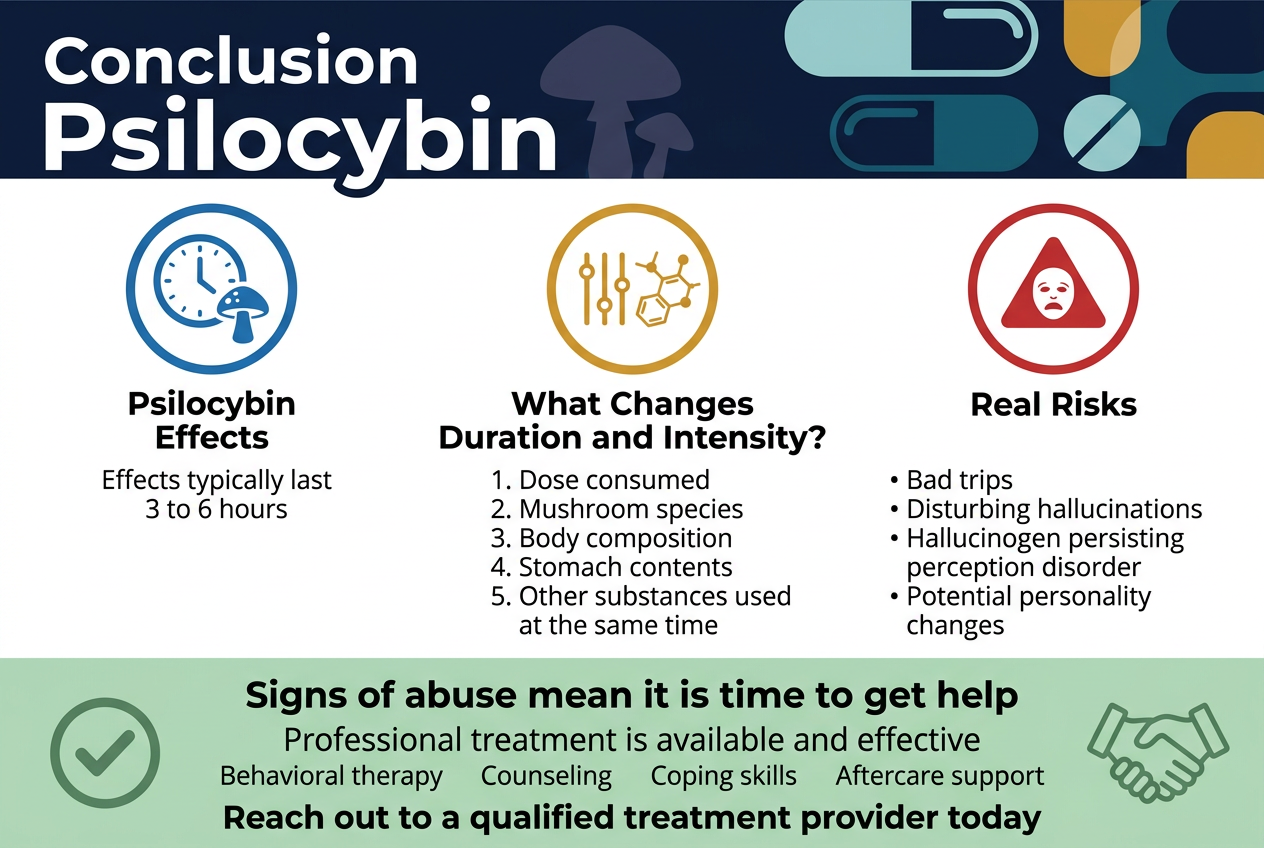
Magic mushrooms contain psilocybin, a psychoactive compound that typically produces effects lasting three to six hours, though several factors influence both the duration and intensity of a trip. These include the dose consumed, the mushroom species, body composition, stomach contents, and whether other substances were used at the same time. While some people may seek out these experiences, the risks are real — from bad trips and disturbing hallucinations to long-lasting effects like hallucinogen persisting perception disorder and potential personality changes.
Recognizing the signs of magic mushroom abuse is an important step toward getting help. If you or someone you love is struggling to stop using magic mushrooms, professional treatment is available and effective. A comprehensive program including behavioral therapy, counseling, coping skills, and aftercare support can make long-term recovery possible. Reach out to a qualified treatment provider as soon as possible to take the first step toward a healthier future.
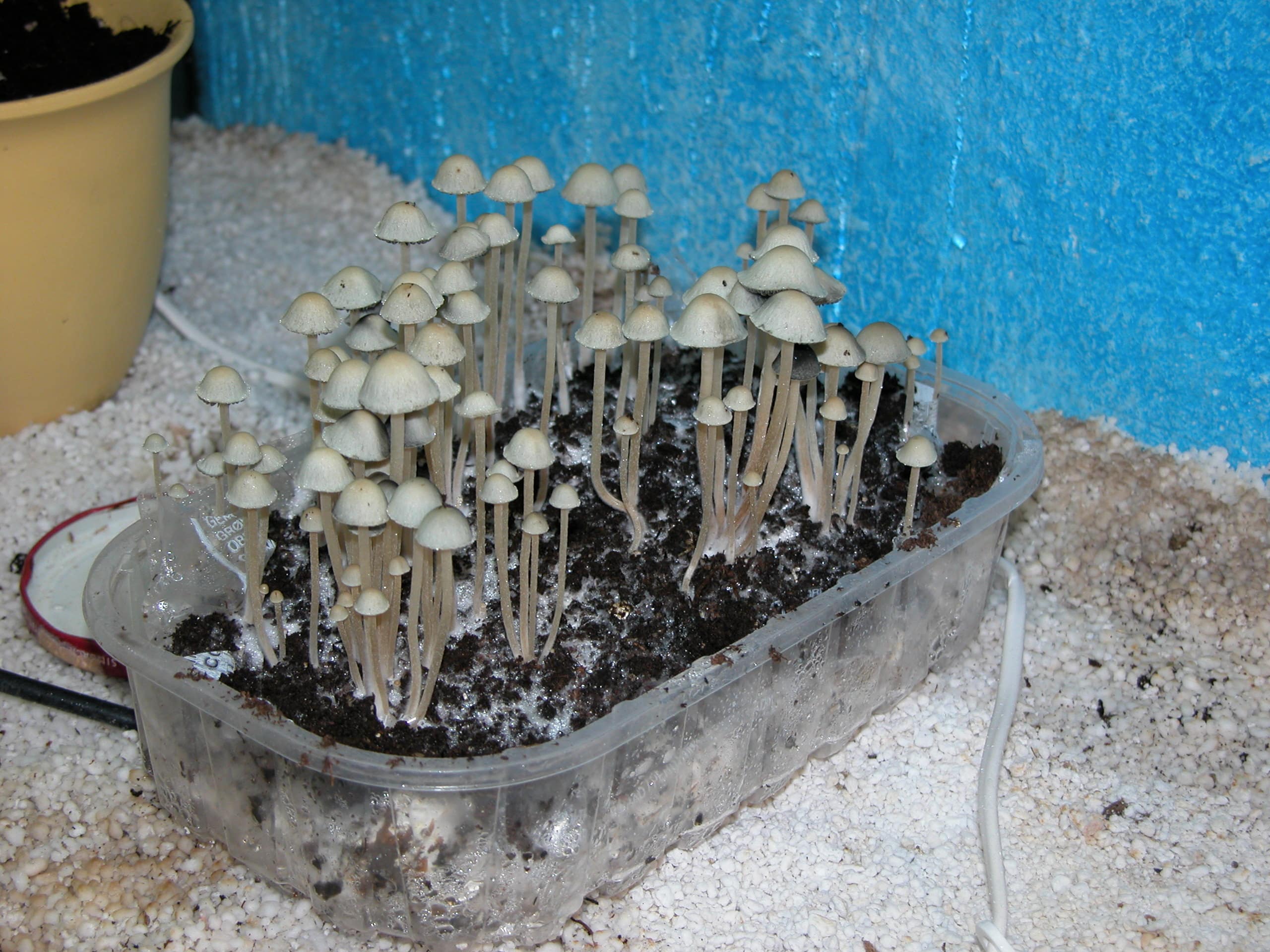
Safest places to get Amazonian psilocybin mushrooms
Safest places to get Amazonian psilocybin mushrooms
Finding Amazonian psilocybin mushrooms through safe, legal channels has become a reality for adults in Oregon thanks to groundbreaking legislation. This guide helps experienced psychedelic users and curious newcomers navigate legitimate options for accessing these powerful fungi in a secure, supervised environment.
We’ll walk you through legal psilocybin service centers in Oregon where licensed facilitators guide your journey in comfortable, professional settings. You’ll also learn how to choose a reputable psilocybin service provider by checking credentials, reading reviews, and understanding what questions to ask before booking your session.
Finally, we’ll cover what to expect from professional psilocybin sessions – from intake appointments to the actual experience and integration support afterward. Whether you’re seeking therapeutic benefits or spiritual exploration, knowing these safety protocols helps you make informed decisions about accessing Amazonian psilocybin mushrooms legally.
Legal Psilocybin Service Centers in Oregon
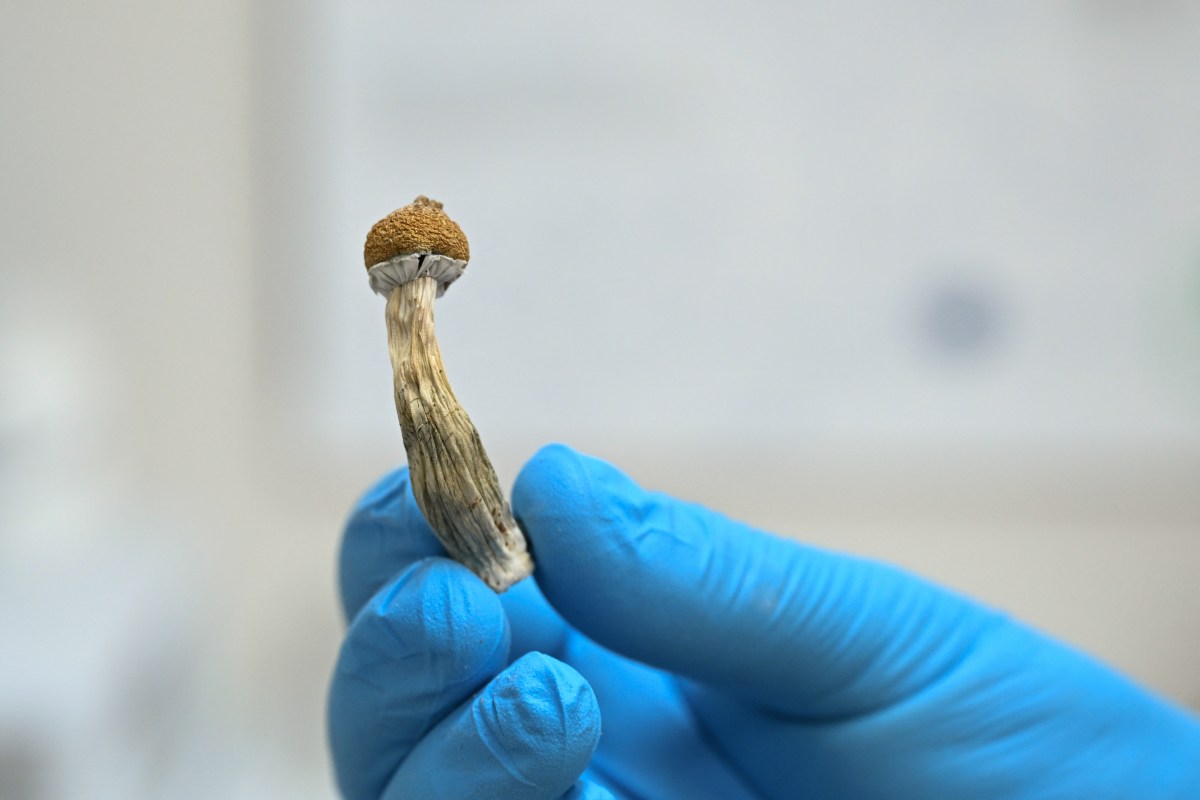
Licensed facilities operating under Oregon’s regulated framework
Oregon established itself as a pioneer in psilocybin regulation when voters passed Ballot Measure 109 in 2020, creating the first legal therapeutic framework for supervised psilocybin use in the United States. This groundbreaking legislation established a comprehensive regulatory system that ensures safe, controlled access to psilocybin services under professional supervision.
As of May 2024, the Oregon Health Authority has licensed 27 psilocybin service centers throughout the state, demonstrating the growing acceptance and implementation of this therapeutic model. These facilities operate under strict state oversight and must meet rigorous standards for safety, cleanliness, and operational procedures. Each licensed center represents a carefully vetted establishment that has successfully navigated Oregon’s comprehensive licensing process.
The Psilocybin Center located at 2585 State St. in Salem exemplifies what a properly licensed facility looks like under Oregon’s regulatory framework. This center, like all licensed facilities, must maintain compliance with state health authority regulations while providing a safe, controlled environment for psilocybin experiences. These centers serve as the only legal venues where individuals can access psilocybin services within Oregon’s regulated system.
Professional facilitators with proper credentials and training
Oregon’s regulatory framework has also established a robust credentialing system for psilocybin facilitators. As of May 2024, the state has licensed 326 qualified facilitators who have completed extensive training programs and met all state requirements. These professionals serve as essential guides and safety monitors during psilocybin sessions.
Licensed facilitators such as Sammy Kahuk and Dina Odeh represent the caliber of professionals working within Oregon’s system. These trained specialists assist clients throughout their psilocybin experiences, providing crucial support and guidance. Their role extends beyond simple supervision, as they are trained to help clients navigate the psychological and emotional aspects of their sessions.
During psilocybin sessions, facilitators remain present as a safety net, ready to provide assistance if needed. They are specifically trained to recognize when intervention may be necessary and can provide physical touch if explicitly consented to by the client. This level of professional support ensures that clients have access to trained expertise throughout their entire experience.
Compliance with state health authority regulations and oversight
Oregon’s psilocybin service centers operate under comprehensive regulatory oversight administered by the Oregon Health Authority. This regulatory framework ensures that all licensed facilities maintain the highest standards of safety, sanitation, and operational integrity. Regular inspections and compliance monitoring help maintain these standards across all licensed locations.
The state health authority’s regulations cover every aspect of psilocybin service delivery, from facility design and safety protocols to record-keeping and client privacy protections. Licensed centers must demonstrate ongoing compliance with these regulations to maintain their operational status, creating a system of continuous accountability and quality assurance.
Choosing a Reputable Psilocybin Service Provider

Verified licensing status through Oregon Health Authority
When seeking legitimate psilocybin services, verification through the Oregon Health Authority represents your primary safeguard for ensuring regulatory compliance. Oregon currently operates 27 licensed psilocybin service centers alongside 326 licensed facilitators as of May 2024, all of whom maintain verifiable credentials through the state’s official database. This licensing system provides consumers with a reliable method to authenticate legitimate providers while avoiding unlicensed operations that may compromise safety or legal standing.
The Oregon Health Authority’s verification system allows potential clients to confirm a provider’s current licensing status before booking sessions. This verification process ensures that both the service center and individual facilitators have met stringent state requirements for operation, including proper training, facility standards, and ongoing compliance monitoring.
Experienced facilitators with natural medicine backgrounds
Reputable psilocybin service providers distinguish themselves through facilitators who possess extensive backgrounds in natural medicine practices. These professionals bring a holistic approach to psilocybin sessions, understanding both the therapeutic potential and traditional uses of Amazonian psilocybin mushrooms within broader natural healing frameworks.
Facilitators with natural medicine experience typically demonstrate deeper comprehension of plant-based therapeutics and their interactions with human physiology and psychology. This background enables them to provide more nuanced guidance throughout the psilocybin experience, recognizing subtle variations in individual responses and adjusting their support accordingly.
Comprehensive safety protocols and backup support systems
Professional psilocybin service centers implement multi-layered safety protocols designed to ensure client wellbeing throughout the entire experience. These comprehensive systems include maintaining a dedicated facilitator within the session room at all times, providing continuous monitoring and immediate support availability.
Additionally, reputable providers station a backup facilitator on the premises as secondary support, creating redundant safety coverage that addresses various potential scenarios. This dual-facilitator approach ensures that emergency situations receive immediate attention while maintaining uninterrupted support for the primary session.
Beyond session monitoring, established providers offer extensive post-session support services. These typically include comfortable relaxation areas where clients can decompress, complimentary tea service to aid in the integration process, and dedicated spaces where individuals can remain until their prearranged transportation arrives, ensuring no client leaves the facility before achieving appropriate stability.
What to Expect from Professional Psilocybin Sessions

Initial Consultation and Personalized Session Planning
Professional psilocybin sessions begin with a comprehensive initial consultation designed to create a personalized experience for each client. During this crucial first step, clients work directly with trained facilitators to customize their upcoming session according to their individual preferences and needs. The consultation process allows clients to make important choices that will shape their entire experience, including selecting their preferred session room from available options and choosing the gender of their facilitator. This level of personalization ensures that clients feel comfortable and confident before beginning their psilocybin journey, while also allowing facilitators to better understand each client’s specific requirements and expectations.
Controlled Environment with Specialized Rooms and Equipment
Professional psilocybin sessions take place within carefully controlled environments featuring specialized rooms designed specifically for therapeutic psychedelic experiences. Facilities like the State Street Psilocybin Center exemplify this approach with their impressive selection of 12 uniquely themed rooms, each crafted to provide a distinct atmospheric setting for clients.
These specialized rooms come equipped with an array of carefully selected amenities to ensure maximum comfort and support throughout the session. Essential equipment includes psychedelic artwork that creates an immersive visual environment, comfortable lounge chairs for relaxation, adjustable lighting systems that allow for mood customization, and high-quality noise-canceling headphones to manage auditory input. Additional amenities enhance the therapeutic setting, including iPads for digital interaction when needed, art supplies for creative expression during the experience, weighted blankets for physical comfort and grounding, and journals for recording thoughts and insights.
Self-Administration Options Including Capsules, Mushrooms, and Edibles
Professional psilocybin sessions require that clients self-administer their chosen form of Amazonian psilocybin mushrooms, ensuring complete autonomy over their experience while maintaining legal compliance. Clients can select from several carefully prepared forms to match their preferences and comfort levels.
The available options include standardized capsules that provide precise dosing and easy consumption, dried mushrooms in their natural form for those preferring traditional methods, artisanal chocolates that mask the earthy taste while delivering consistent effects, and specially prepared teas that offer a gentler onset. Each form is professionally prepared and measured to ensure quality and safety standards, allowing clients to choose based on their taste preferences, desired onset time, and personal comfort with different consumption methods.
Online Dispensaries for Psilocybin Products
Secure and Encrypted Ordering Platforms
Online dispensaries prioritize the security and privacy of their customers through sophisticated digital infrastructure. These platforms implement secure online stores with seamless, encrypted checkout processes that protect sensitive customer information during transactions. The encryption protocols ensure that personal details, payment information, and order specifics remain confidential throughout the purchasing process.
The checkout systems are designed to be user-friendly while maintaining the highest security standards. Multiple layers of encryption protect data transmission, creating a safe environment for customers seeking Amazonian psilocybin mushrooms and other psilocybin products. These platforms invest heavily in cybersecurity measures to prevent unauthorized access and maintain customer trust.
Discreet Shipping and Packaging Methods
Privacy protection extends beyond the digital ordering process to physical delivery methods. Reputable online dispensaries ensure discreet and secure packaging for all orders to maintain complete privacy for their customers. This approach recognizes the sensitive nature of psilocybin products and the importance of confidentiality in delivery.
The packaging methods are carefully designed to avoid attracting unwanted attention while ensuring product integrity during transit. Discrete labeling and neutral packaging materials help protect customer privacy from the point of shipment to final delivery. These measures provide peace of mind for customers who value discretion in their psilocybin product purchases.
Detailed Dosage Guidelines and Safety Recommendations
Professional online dispensaries provide comprehensive dosage recommendations to ensure safe consumption of their products. These guidelines are particularly important for potent strains like Amazonian Magic Mushrooms due to their exceptional strength and psychoactive properties. Detailed dosage information helps customers make informed decisions about their consumption levels.
The recommendations typically advise lower doses for potent Amazonian psilocybin mushrooms, recognizing their enhanced potency compared to other strains. For example, doses over 2.5 grams can produce strong hallucinations, making careful dosage consideration crucial for safe experiences. These guidelines help prevent overconsumption and promote responsible use among customers seeking therapeutic or recreational benefits from psilocybin products.
Safety Considerations When Accessing Psilocybin

Understanding proper dosing to avoid overwhelming experiences
Understanding proper dosing is crucial when accessing Amazonian psilocybin mushrooms to prevent overwhelming experiences that could compromise safety and therapeutic outcomes. Doses exceeding 2.5 grams can lead to intense hallucinations and psychological effects that may become difficult to manage, particularly for inexperienced users or those new to psilocybin therapy.
Lower doses are especially advised when working with potent strains of Amazonian psilocybin mushrooms, as these varieties often contain higher concentrations of active compounds compared to other psilocybin species. The potency variance between different mushroom strains means that what might be a moderate dose for one variety could produce unexpectedly strong effects with Amazonian varieties.
Professional service providers typically start clients with conservative dosing protocols, allowing individuals to gauge their sensitivity and response before considering higher amounts. This graduated approach helps establish a baseline for future sessions while minimizing the risk of adverse reactions or psychological distress during the experience.
Importance of set and setting for optimal outcomes
The concept of “set and setting” represents a fundamental safety consideration that directly impacts the quality and safety of psilocybin experiences. Set refers to the individual’s mindset, emotional state, and mental preparation, while setting encompasses the physical and social environment where the session takes place.
Ensuring a comfortable and appropriate environment is essential for achieving the best possible outcomes with Amazonian psilocybin mushrooms. Professional facilities recognize this importance by designing specialized rooms specifically for psilocybin sessions. These environments are carefully curated to promote relaxation, safety, and positive experiences while minimizing potential triggers for anxiety or distress.
The physical setting should be free from distractions, excessive stimuli, or anything that might contribute to feelings of unease. Proper lighting, comfortable furnishings, and a peaceful atmosphere all contribute to creating an optimal environment that supports the therapeutic potential of the experience while maintaining safety throughout the session.
Pre-arranged transportation and post-session support
Post-session support forms a critical component of safe psilocybin access, ensuring clients receive appropriate care as the effects gradually subside. Professional service providers typically offer clients a designated space to relax and decompress, often providing tea and a comfortable environment where individuals can process their experience until they feel ready to leave.
Pre-arranged transportation represents an essential safety measure, as individuals should never attempt to drive or operate machinery following a psilocybin session. The effects of Amazonian psilocybin mushrooms can persist for several hours, and even after the primary effects fade, subtle alterations in perception or cognitive function may remain.
Responsible service providers ensure that clients have reliable transportation arrangements in place before beginning any session. This might involve coordinating with trusted friends or family members, or partnering with professional transportation services that understand the specific needs of psilocybin therapy clients. The goal is to eliminate any pressure on clients to make transportation decisions while under the influence, thereby maintaining safety and allowing for a complete therapeutic experience.
Legal Framework and Compliance Requirements
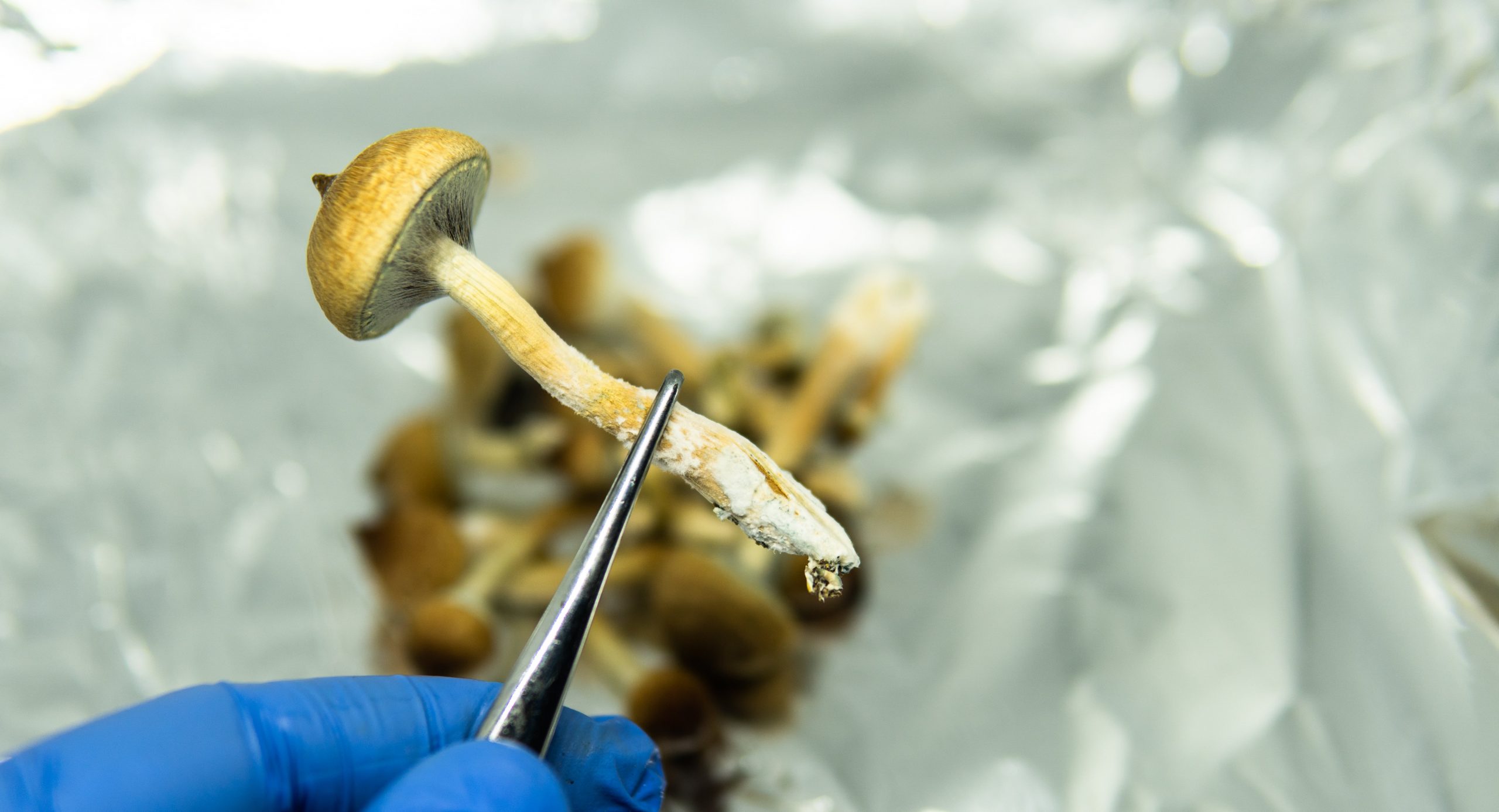
Oregon’s pioneering legislation for therapeutic psilocybin use
Oregon made history by becoming the first state to legalize therapeutic, supervised psilocybin use through the passage of Ballot Measure 109 in 2020. This groundbreaking legislation established a comprehensive regulatory framework that allows licensed service centers to provide psilocybin-assisted therapy sessions under professional supervision. The measure represents a significant shift in how psychedelic substances are approached in healthcare, moving from complete prohibition to regulated therapeutic access.
This pioneering legislation created the Oregon Health Authority’s oversight system, which governs all aspects of psilocybin services from cultivation to client administration. The framework ensures that all therapeutic psilocybin use occurs within controlled, professional environments with trained facilitators, marking a departure from the recreational use model seen with cannabis legalization in other states.
Age restrictions and eligibility criteria for services
The regulatory framework establishes clear eligibility requirements for accessing therapeutic psilocybin services. Psilocybin services are available to individuals over the age of 21, ensuring that only adults can participate in these therapeutic sessions. This age restriction aligns with other controlled substance regulations and reflects the serious, therapeutic nature of these services.
The 21-year minimum age requirement serves as a protective measure, recognizing that psilocybin therapy involves powerful psychoactive experiences that require mature decision-making capabilities. Service centers must verify client eligibility before providing any psilocybin-related services, creating a gatekeeping mechanism that ensures only qualified individuals can access these therapeutic interventions.
Approved mushroom species and manufacturing standards
Oregon’s regulatory framework maintains strict controls over the specific types of psilocybin mushrooms that can be legally cultivated and used in therapeutic settings. Oregon manufacturers are restricted to cultivating, manufacturing, or possessing fruiting bodies of the Psilocybe cubensis species and derived products. This restriction exists due to extensive research conducted on this specific mushroom variety, which has established its safety profile and therapeutic potential.
The focus on Psilocybe cubensis ensures consistency and predictability in therapeutic outcomes, as this species has been the subject of numerous clinical studies and research programs. Manufacturing standards require licensed facilities to follow precise cultivation and processing protocols, maintaining quality control throughout the production chain from growing to final product preparation for therapeutic use.
7 FAQ
Are Amazonian psilocybin mushrooms legal anywhere in the United States?
Currently, Oregon is the only state where psilocybin services are fully legal and regulated. However, these services use lab-grown psilocybin, not wild Amazonian psilocybin mushrooms specifically. Several cities have decriminalized psilocybin mushrooms, including Denver, Oakland, and Washington D.C., but decriminalization doesn’t equal legal sales. Always check your local laws before considering any psilocybin products.
What makes Amazonian psilocybin mushrooms different from other varieties?
Amazonian psilocybin mushrooms typically contain higher concentrations of psilocybin and psilocin compared to other strains. They’re known for producing intense visual experiences and deep introspective journeys. The specific growing conditions in the Amazon rainforest contribute to their unique alkaloid profile. Many users report that Amazonian varieties provide more profound spiritual experiences, though individual responses vary significantly.
How can I verify if a psilocybin service center is legitimate?
Check if the center holds proper licensing from state regulatory bodies. Look for transparent pricing, clear safety protocols, and qualified facilitators with proper training credentials. Legitimate centers will have physical addresses, professional websites, and positive reviews from verified clients. They should also provide detailed information about their screening processes and safety measures.
What should I expect to pay for professional psilocybin sessions?
Licensed psilocybin sessions in Oregon typically range from $2,000 to $3,500 per complete treatment cycle, which includes preparation, the psilocybin session, and integration meetings. Some centers offer sliding scale pricing based on income. The cost covers professional facilitation, medical screening, safe environment, and follow-up support.
Can I grow my own psilocybin mushrooms legally?
Growing psilocybin mushrooms remains illegal in most jurisdictions, even where possession has been decriminalized. Oregon’s legal framework only allows licensed service centers to cultivate and administer psilocybin. Home cultivation carries significant legal risks in most areas, including potential felony charges.
What medical conditions might disqualify me from psilocybin therapy?
Certain psychiatric conditions like schizophrenia, bipolar disorder, or severe personality disorders may disqualify you from psilocybin therapy. Heart conditions, uncontrolled high blood pressure, and certain medications (particularly MAOIs and some antidepressants) can also be contraindications. Licensed centers conduct thorough medical screenings to ensure safety.
How long do the effects of Amazonian psilocybin mushrooms last?
The acute effects typically last 4-6 hours, with peak effects occurring 2-3 hours after ingestion. However, the psychological and emotional impacts can continue for days, weeks, or even months after the experience. Many people report lasting positive changes in mood, perspective, and behavior following properly guided sessions with Amazonian psilocybin mushrooms.
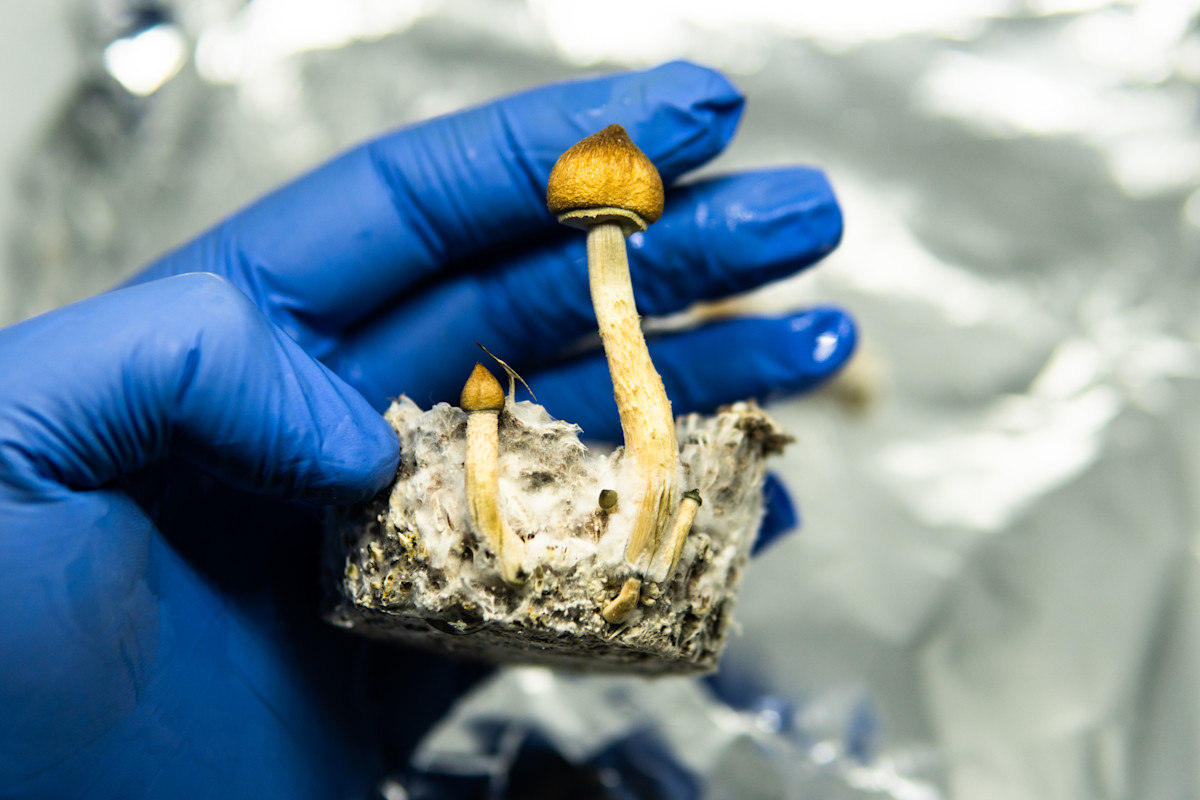
Accessing Amazonian psilocybin mushrooms safely requires careful consideration of legal frameworks, reputable providers, and proper safety protocols. Oregon’s regulated psilocybin service centers, with 27 licensed facilities and 326 licensed facilitators as of May 2024, offer the most secure and professional environment for therapeutic sessions. These centers provide personalized experiences with trained facilitators, proper dosage guidance, and comprehensive safety measures that simply cannot be matched by unregulated sources.
When choosing between legal service centers and online dispensaries, prioritize providers that demonstrate transparency in their operations, proper licensing, and commitment to client safety. Remember that psilocybin’s potent effects, particularly with Amazonian strains, require experienced guidance and appropriate set and setting. Whether seeking therapeutic benefits or spiritual exploration, investing in legitimate, regulated services ensures not only legal compliance but also the safest possible journey with these powerful compounds.
Amazonian psilocybin mushrooms | Amazonian psilocybin mushrooms | Amazonian psilocybin mushrooms | Amazonian psilocybin mushrooms | Amazonian psilocybin mushrooms | Amazonian psilocybin mushrooms | Amazonian psilocybin mushrooms | Amazonian psilocybin mushrooms | Amazonian psilocybin mushrooms
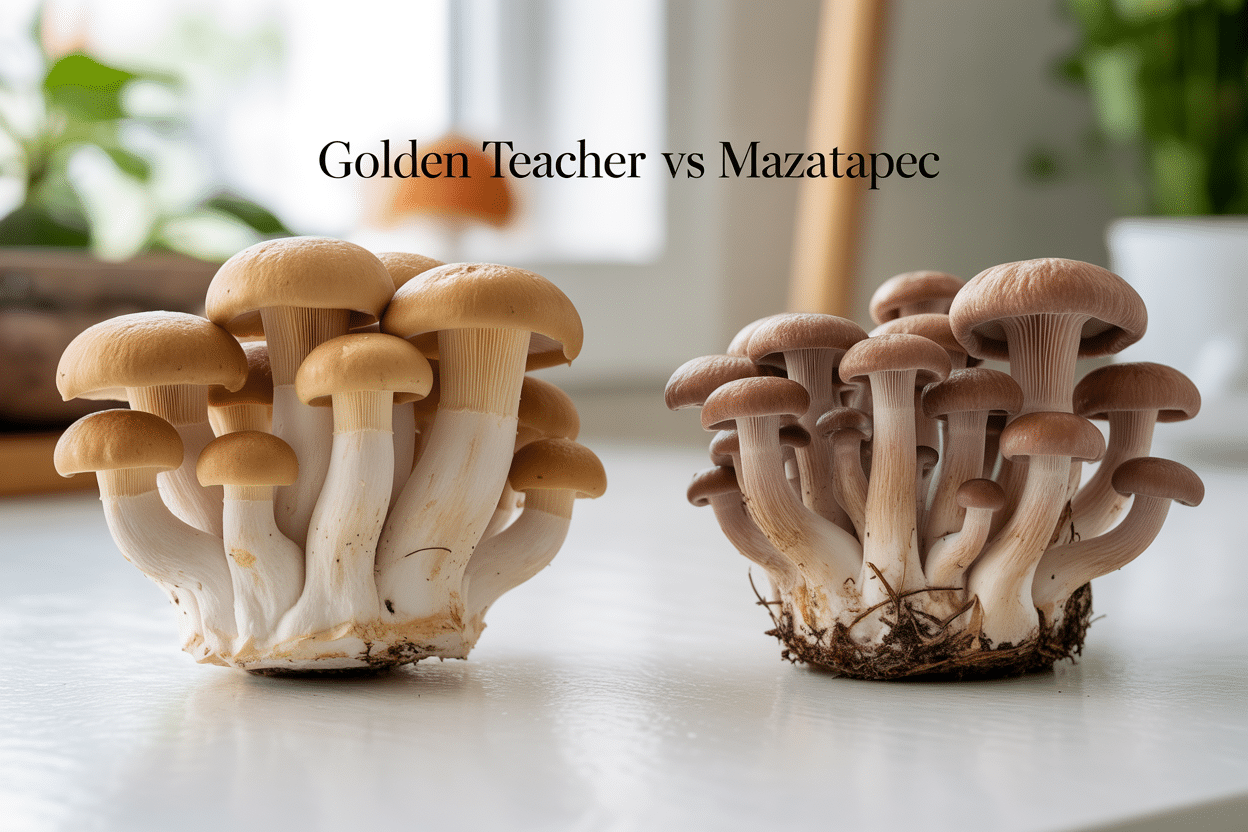
Golden Teacher vs Mazatapec Mushroom Strain
Golden Teacher vs Mazatapec Mushroom Strain: Exploring the Psychedelic Shrooms
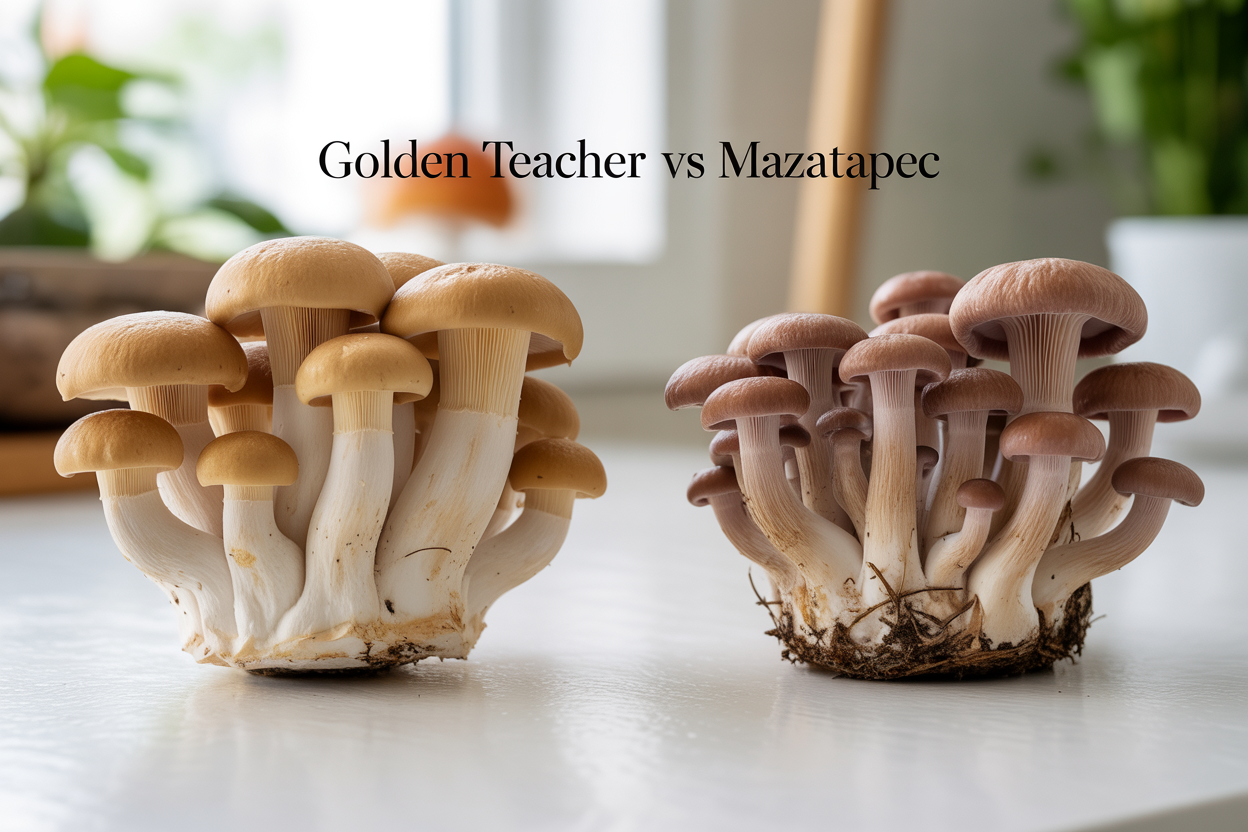
Choosing between Golden Teacher vs Mazatapec mushroom strains can feel overwhelming for psychedelic enthusiasts seeking their ideal experience. These two popular psilocybin varieties offer distinct characteristics that appeal to different users, from curious beginners to seasoned psychonauts looking to explore specific effects and growing challenges.
This guide is designed for anyone interested in understanding these beloved strains—whether you’re new to psychedelics, an experienced user comparing options, or a cultivator deciding which variety to grow next.
We’ll dive deep into the unique characteristics of both Golden Teacher and Mazatapec mushrooms, comparing their psychoactive effects and potency levels to help you understand what each strain brings to the table. You’ll also discover practical cultivation insights, including which strain offers better growing success rates and fits different skill levels. Finally, we’ll explore dosage recommendations and help you match the right strain to your specific experience goals and comfort level.
Understanding Golden Teacher Mushroom Characteristics

Physical appearance and identification features
Golden Teacher mushrooms stand out with their distinctive golden-brown caps that shimmer with an almost metallic sheen when mature. The caps typically measure 20-80mm in diameter, starting convex before flattening out as they develop. Young Golden Teachers display a bright yellow-golden coloration that deepens to a rich amber-brown with age, while maintaining lighter edges that create a beautiful contrast.
The stems grow 50-125mm tall with a creamy white to pale yellow coloration, often developing a subtle blue bruising when handled – a telltale sign of psilocybin presence. The gills underneath the cap begin pale gray and transition to dark purple-black as spores mature. A distinctive partial veil covers the gills in younger specimens, leaving behind a persistent ring around the upper stem when it breaks.
Potency levels and psychoactive compounds
Golden Teachers contain moderate levels of psilocybin and psilocin, typically ranging from 0.63-0.80% total tryptamines by dry weight. This places them in the middle tier of psychoactive potency among psilocybe cubensis varieties. The strain produces consistent effects with less variability between individual mushrooms compared to other varieties.
The primary active compounds include psilocybin (0.37-0.49%), psilocin (0.14-0.42%), and trace amounts of baeocystin. Users report a balanced experience with clear mental effects, mild visual distortions, and enhanced emotional awareness. The onset typically occurs within 30-60 minutes, with effects lasting 4-6 hours depending on dosage and individual metabolism.
Growth patterns and cultivation requirements
Golden Teachers thrive in temperatures between 75-81°F (24-27°C) with humidity levels maintained at 80-95% during fruiting. They prefer a slightly acidic substrate with pH levels between 5.5-6.5. These mushrooms show excellent colonization rates on various growing mediums, including brown rice flour, vermiculite, and enriched grain substrates.
The strain demonstrates remarkable resilience against contamination, making it an excellent choice for beginning cultivators. Fruiting typically begins 7-14 days after proper conditions are established, with multiple flushes producing substantial yields. Golden Teachers exhibit strong clustering growth patterns, often producing dense canopies of mushrooms that mature uniformly.
Historical background and origin story
Golden Teachers emerged in the mycological community during the 1980s, though their exact origins remain somewhat mysterious. The strain gained popularity through spore trading networks and became widely distributed among cultivation enthusiasts. Some sources suggest the variety was first isolated from wild specimens found in Florida or Georgia, though definitive documentation remains elusive.
The name “Golden Teacher” reflects both the mushroom’s distinctive golden appearance and the profound introspective experiences users report. Many consider this strain an ideal introduction to psilocybin mushrooms due to its forgiving cultivation requirements and balanced psychoactive profile. The variety has maintained consistent genetics through decades of cultivation, establishing itself as a cornerstone strain in the psychedelic community.
Exploring Mazatapec Mushroom Properties

Distinctive Visual Traits and Morphology
Mazatapec mushrooms stand out with their unique physical characteristics that make them easily recognizable. The caps typically range from 20-40mm in diameter, displaying a rich golden-brown to reddish-brown coloration that darkens with age. When fresh, these caps have a distinctive bell-shaped appearance that gradually flattens as the mushroom matures. The surface feels smooth and slightly sticky when wet, with a characteristic nipple-like protrusion at the center.
The stems are robust and sturdy, usually measuring 40-100mm in length with a thickness of 4-8mm. They appear white to cream-colored and often develop a bluish tinge when bruised, indicating the presence of psilocybin. The gills underneath the cap start pale gray and gradually turn dark purple-black as spores mature.
What makes Mazatapec particularly striking is their tendency to develop unique patterns and color variations depending on growing conditions. Many cultivators notice that these mushrooms produce fewer but larger fruiting bodies compared to other strains, giving them a more substantial and impressive appearance.
Psychoactive Strength and Chemical Composition
Mazatapec mushrooms contain moderate to high levels of psilocybin and psilocin, the primary psychoactive compounds responsible for their effects. Laboratory analysis typically shows psilocybin concentrations ranging from 0.63% to 0.85% of dry weight, placing them in the medium-strength category among psilocybe cubensis varieties.
The strain’s chemical profile includes additional compounds like baeocystin and norbaeocystin, which contribute to the overall psychedelic experience. Users often report that Mazatapec produces a well-balanced trip characterized by:
-
Enhanced visual perception with moderate geometric patterns
-
Introspective thought processes and emotional insights
-
Gentle euphoria without overwhelming intensity
-
Duration typically lasting 4-6 hours
-
Smooth comedown with minimal aftereffects
The potency can vary significantly based on growing conditions, harvesting timing, and storage methods. Fresh mushrooms generally contain higher water content, requiring larger doses compared to properly dried specimens.
Traditional Uses in Indigenous Cultures
Mazatapec mushrooms hold deep cultural significance, originating from the sacred traditions of the Mazatec people in the Oaxaca region of Mexico. For centuries, these indigenous communities have incorporated these mushrooms into their spiritual and healing practices, referring to them as “niños santos” or “holy children.”
Traditional use centers around ceremonial contexts led by experienced curanderos (healers) who guide participants through healing journeys. The Mazatec people believe these mushrooms facilitate communication with ancestral spirits and provide insights for treating physical ailments and emotional disturbances.
Maria Sabina, a renowned Mazatec healer, brought international attention to these practices in the 1950s and 1960s. Her work with Western researchers helped document the traditional preparation methods and ceremonial protocols that have been passed down through generations.
The indigenous approach emphasizes respect, preparation, and proper setting. Participants typically fast beforehand and consume the mushrooms in darkness while chanting traditional songs called “veladas.” This cultural framework provides a stark contrast to recreational use, highlighting the spiritual reverence these communities hold for the mushroom’s power.
Modern Cultivation and Availability
Today’s cultivation of Mazatapec mushrooms has evolved significantly from traditional wild harvesting methods. Modern growers appreciate this strain for its reliability and relatively straightforward cultivation requirements, though it does present some unique challenges compared to more common varieties.
Mazatapec spores are widely available through legitimate suppliers in areas where possession remains legal. The strain grows well on various substrates, including brown rice flour, vermiculite mixtures, and more advanced mediums like manure-based composts.
Growing Characteristics:
-
Temperature preference: 75-81°F (24-27°C)
-
Humidity requirements: 80-90% during fruiting
-
Colonization time: 14-21 days
-
Fruiting period: 7-14 days per flush
-
Yield potential: Moderate to high with proper care
Many cultivators note that Mazatapec tends to produce fewer but larger mushrooms per flush compared to other strains. The mushrooms also show good resistance to common contaminants, making them suitable for beginning growers who want to try something beyond the typical Golden Teacher varieties.
Online communities and forums have created extensive resources for cultivation techniques, troubleshooting guides, and strain-specific tips that help both novice and experienced growers achieve successful harvests.
Comparing Psychoactive Effects Between Strains
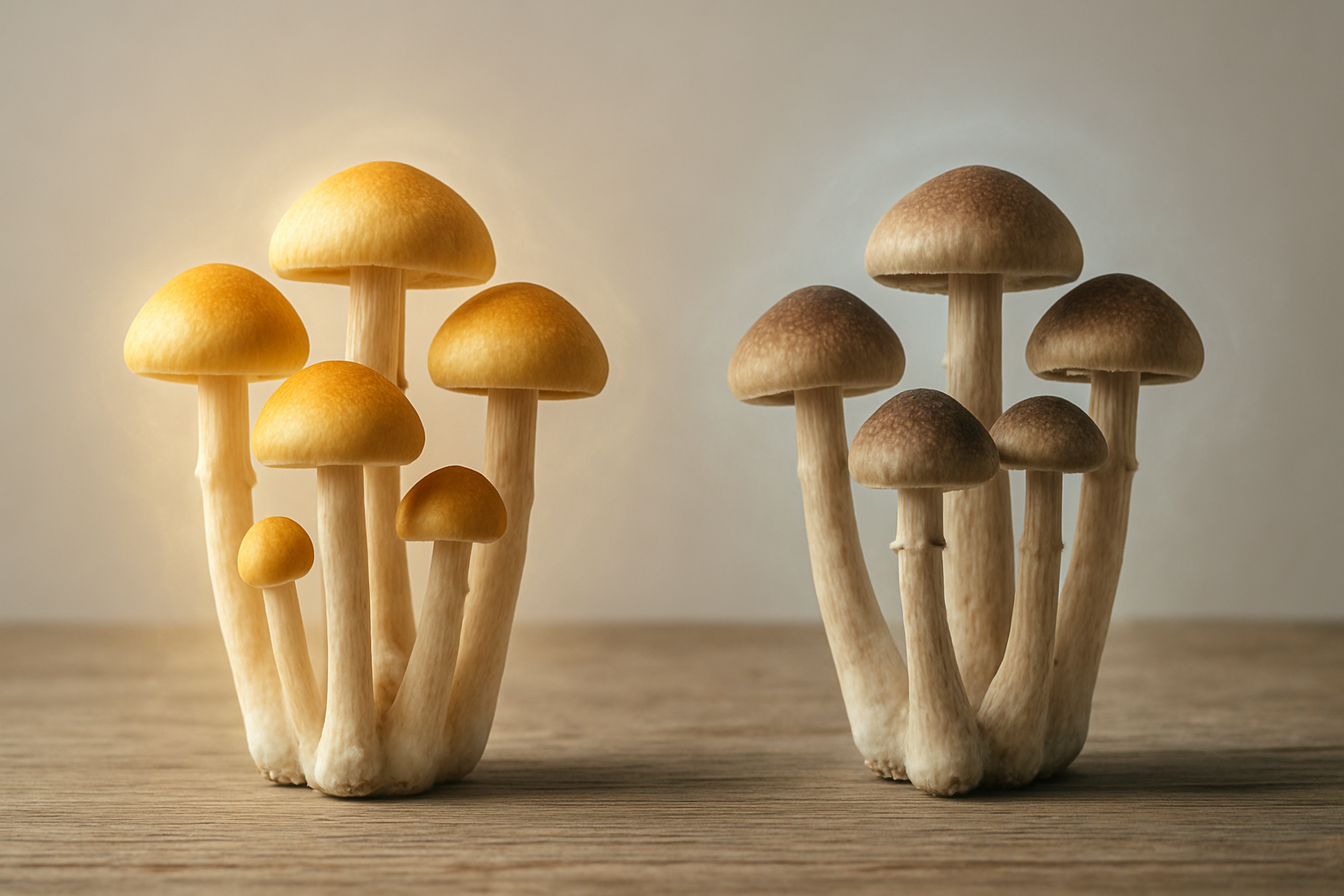
Onset Time and Duration Differences
When comparing the Golden Teacher vs Mazatapec mushroom strain, timing becomes a key differentiator. Golden Teacher mushrooms typically kick in within 20-45 minutes of consumption, delivering a relatively quick onset that builds gradually. The effects usually peak around 2-3 hours and can last anywhere from 4-6 hours total.
Mazatapec strains tend to have a slightly slower onset, often taking 30-60 minutes before users notice the first effects. This delay can catch newcomers off guard, leading to the common mistake of taking additional doses too early. The experience tends to last longer than Golden Teachers, often extending 6-8 hours with a more drawn-out comedown phase.
| Strain | Onset Time | Peak Duration | Total Duration |
|---|---|---|---|
| Golden Teacher | 20-45 minutes | 2-3 hours | 4-6 hours |
| Mazatapec | 30-60 minutes | 3-4 hours | 6-8 hours |
Visual and Auditory Hallucination Variations
Golden Teachers are known for producing vibrant, colorful visuals that many describe as “friendly” and approachable. Users often report seeing geometric patterns, enhanced colors, and flowing movements in their peripheral vision. The visual effects tend to be less intense but more consistent, making them popular among beginners.
Mazatapec mushrooms create a different visual landscape entirely. These strains often produce more intricate, detailed hallucinations with deeper, richer colors. Users frequently describe seeing ancient symbols, spiritual imagery, or connections to nature. The visuals can be more intense and sometimes overwhelming, particularly at higher doses.
Audio distortions also differ between these strains. Golden Teachers typically enhance music appreciation with subtle sound alterations, while Mazatapec can create more profound auditory changes, including echoing effects or the perception of distant sounds.
Emotional and Spiritual Experience Contrasts
The emotional journey differs significantly between these two popular strains. Golden Teachers earn their name by providing educational, introspective experiences that feel nurturing and supportive. Users often describe feeling guided through their thoughts with a sense of wisdom and clarity. The emotional state tends to remain positive and manageable, even when confronting difficult personal topics.
Mazatapec mushrooms, rooted in indigenous Mexican traditions, offer deeper spiritual connections that can feel more intense and transformative. Users report profound emotional releases, ancestral connections, and mystical experiences that can be both beautiful and challenging. The emotional intensity can be higher, requiring more mental preparation and potentially a more experienced mindset.
Both strains can facilitate personal growth, but Golden Teachers typically provide gentler lessons while Mazatapec may deliver more powerful, sometimes overwhelming insights that require careful integration afterward.
Dosage Guidelines for Safe Consumption

Beginner-friendly Starting Amounts for Each Strain
Both Golden Teacher and Mazatapec strains offer relatively gentle entry points for newcomers, though their potency profiles differ slightly. Golden Teacher mushrooms typically contain moderate levels of psilocybin, making them ideal for first-time users. Start with 0.5 to 1 gram of dried Golden Teacher mushrooms to gauge your sensitivity and response.
Mazatapec mushrooms tend to be slightly milder in their onset, allowing for a more controlled introduction. Begin with 0.75 to 1.25 grams of dried Mazatapec for your first experience. The gradual build-up characteristic of this strain provides beginners with more time to adjust to the changing sensations.
New users should always test their tolerance with microdoses first – about 0.1 to 0.3 grams every three days for a week before attempting a full experience. This approach helps identify any unusual sensitivity patterns and builds confidence.
Intermediate User Recommendations
Experienced users familiar with psilocybin effects can explore higher doses while respecting each strain’s unique characteristics. Golden Teacher doses of 1.5 to 2.5 grams deliver profound introspective experiences without overwhelming intensity. The strain’s balanced nature makes it suitable for both therapeutic work and recreational exploration.
Mazatapec users at the intermediate level often find 2 to 3 grams provides deep spiritual insights and enhanced creativity. The strain’s longer duration means effects may last 6-8 hours, so plan accordingly. Many users report clearer thought processes and less anxiety compared to other strains at equivalent doses.
Consider your setting, emotional state, and previous experiences when selecting doses within these ranges. Having a trusted sitter present becomes increasingly important at intermediate levels.
Advanced Dosing Considerations
Seasoned psychonauts exploring the upper limits of the Golden Teacher vs Mazatapec mushroom strain comparison should approach high doses with extreme caution. Golden Teacher doses above 3.5 grams can produce intense ego dissolution and challenging psychological territories. The strain maintains its teaching qualities even at heroic doses, often providing profound life insights.
Mazatapec at 3.5+ grams delivers deeply spiritual experiences with strong visual components. Advanced users report more manageable thought loops and emotional processing compared to other potent strains. However, the extended duration (8-10 hours) requires careful preparation and commitment.
High-dose experiences demand extensive preparation, including fasting, meditation, and ensuring a completely safe environment. Never attempt heroic doses without significant previous experience and preferably professional guidance.
Factors Affecting Individual Tolerance Levels
Body weight plays a significant role in psilocybin metabolism, though it’s not the only factor. Individuals weighing less typically require smaller doses, but metabolic rate, liver function, and genetic variations in enzyme production create substantial individual differences.
Recent food consumption dramatically impacts onset and intensity. Empty stomachs accelerate absorption and increase peak effects, while full stomachs slow onset but may extend duration. Some users prefer light meals 2-3 hours before consumption to balance comfort and effectiveness.
Medication interactions, particularly with antidepressants (SSRIs), can significantly reduce psilocybin effects or create dangerous interactions. Mental health conditions, current stress levels, and sleep quality all influence how both strains affect individual users. Regular cannabis or alcohol use may also impact tolerance patterns.
Previous psychedelic experience creates psychological but not necessarily physiological tolerance. Cross-tolerance between different psilocybin strains is minimal, but recent use of any psychedelic can diminish effects for 7-14 days.
Cultivation Difficulty and Growing Success Rates
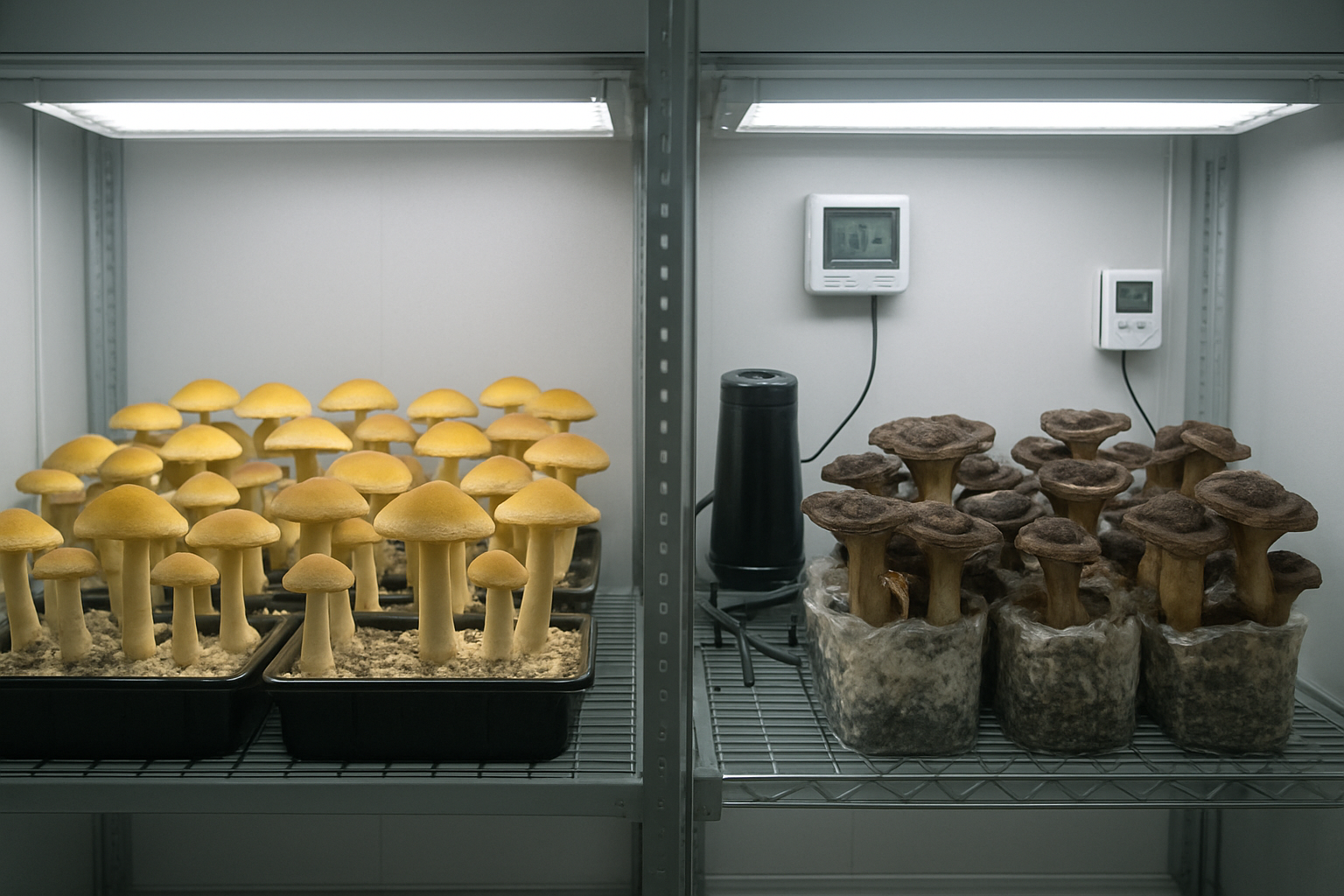
Temperature and Humidity Requirements Comparison
Both Golden Teacher and Mazatapec strains share similar environmental preferences, making them excellent choices for beginners. Golden Teachers thrive in temperatures between 70-75°F (21-24°C) during colonization and 65-75°F (18-24°C) for fruiting. They prefer humidity levels around 80-90% during fruiting, with good air circulation to prevent stagnation.
Mazatapec mushrooms prefer slightly warmer conditions, with optimal temperatures ranging from 75-80°F (24-27°C) during colonization and 70-78°F (21-26°C) for fruiting. Their humidity requirements mirror Golden Teachers at 80-90%, though they show better tolerance for minor fluctuations in moisture levels.
| Strain | Colonization Temp | Fruiting Temp | Humidity | Air Circulation |
|---|---|---|---|---|
| Golden Teacher | 70-75°F (21-24°C) | 65-75°F (18-24°C) | 80-90% | Moderate |
| Mazatapec | 75-80°F (24-27°C) | 70-78°F (21-26°C) | 80-90% | Moderate |
Substrate Preferences for Optimal Yields
Golden Teachers demonstrate remarkable adaptability to various substrates, making them forgiving for new growers. They perform exceptionally well on:
-
Brown rice flour and vermiculite (PF Tek method)
-
Straw-based substrates with supplementation
-
Manure-enriched substrates for maximum yields
-
Coco coir and vermiculite blends
Mazatapec mushrooms show a strong preference for nutrient-rich substrates that mimic their natural growing environment. They excel on:
-
Aged horse manure mixed with straw
-
Coffee grounds and straw combinations
-
Enriched coco coir substrates with added nitrogen sources
-
Supplemented grain-based substrates
Mazatapec typically produces higher yields per flush when grown on manure-based substrates, while Golden Teachers maintain consistent production across different growing mediums.
Contamination Resistance Levels
Golden Teachers earn their reputation as beginner-friendly mushrooms partly due to their robust contamination resistance. They colonize quickly enough to outcompete most common molds and bacteria, showing particular resistance to trichoderma (green mold) and cobweb mold. Their aggressive mycelium growth creates dense networks that effectively defend against contamination.
Mazatapec mushrooms display moderate contamination resistance, though they require slightly more attention to sterile technique. They’re more susceptible to bacterial contamination during early colonization phases but show good resistance once established. Their slower initial growth makes them vulnerable to faster-growing contaminants if proper sterile procedures aren’t followed.
Time from Inoculation to Harvest
The timeline differences between these strains can influence your growing schedule significantly. Golden Teachers typically complete their cycle in 4-6 weeks from spore inoculation to first harvest, with colonization taking 10-14 days and pinning beginning around day 20-25.
Mazatapec mushrooms require more patience, taking 6-8 weeks for complete development. Their colonization phase extends 14-21 days, with fruiting beginning around day 30-35. However, this extended timeline often results in larger, more potent mushrooms with impressive visual characteristics.
Both strains produce multiple flushes, with Golden Teachers typically yielding 3-4 productive flushes and Mazatapec producing 2-3 substantial harvests before substrate depletion.
Choosing the Right Strain for Your Experience Goals

Best strain for first-time psychedelic users
Golden Teacher takes the crown as the ideal choice for beginners stepping into the world of psychedelic mushrooms. This strain earned its reputation through decades of providing gentle, manageable experiences that rarely overwhelm newcomers. The effects typically last 4-6 hours, giving first-timers a reasonable timeframe to navigate their journey without feeling trapped in an extended experience.
What makes Golden Teacher particularly beginner-friendly is its forgiving nature. Even if someone accidentally takes a slightly higher dose than intended, the strain tends to produce more introspective and educational experiences rather than intense visual distortions or anxiety-inducing effects. Many users report feeling like they’re receiving wisdom or guidance during their trip, which explains the “Teacher” part of its name.
Mazatapec, while also relatively mild, can sometimes produce more unpredictable effects for newcomers. Its spiritual intensity might catch beginners off guard, especially those who aren’t prepared for deep emotional or mystical experiences on their first journey.
Optimal choice for spiritual and therapeutic purposes
When exploring the Golden Teacher vs Mazatapec mushroom strain debate for healing and spiritual work, Mazatapec often emerges as the preferred option. This ancient strain, originating from the sacred mushroom traditions of Mazatec indigenous peoples in Mexico, carries a profound spiritual heritage that translates into deeply transformative experiences.
Mazatapec excels at facilitating emotional breakthroughs and connecting users to feelings of unity and interconnectedness. Many people report experiencing significant insights about their relationships, past traumas, and life purpose during Mazatapec sessions. The strain seems particularly effective for addressing depression, anxiety, and existential concerns through its ability to create meaningful, perspective-shifting experiences.
Golden Teacher also offers therapeutic benefits but tends to be more cerebral and less emotionally intense. While excellent for gaining mental clarity and processing thoughts, it may not provide the same depth of emotional healing that Mazatapec can offer. However, Golden Teacher’s gentler approach makes it suitable for those who want therapeutic benefits without the potential intensity of deep emotional work.
Considerations for recreational experiences
For purely recreational purposes, both strains offer distinct advantages depending on what kind of fun you’re seeking. Golden Teacher provides a more social, giggly experience that works well in group settings or when you want to maintain some level of functional awareness. The visual effects are pleasant without being overwhelming, often featuring golden or warm-toned patterns that many find beautiful and uplifting.
Mazatapec tends to create more introspective recreational experiences. While still enjoyable, users often find themselves drawn inward rather than engaging socially. The visuals can be more intense and colorful, sometimes featuring geometric patterns or nature-inspired imagery that reflects its indigenous roots.
Consider your environment and company when choosing between these strains for recreation. Golden Teacher works better for festivals, social gatherings, or activities where you want to remain somewhat grounded. Mazatapec shines during solo adventures, nature walks, or intimate gatherings where deep conversations and personal reflection are welcome.
Both strains typically produce minimal physical discomfort, making them suitable for recreational use without worrying about significant nausea or body load that can interfere with enjoyment.

Blue Meanie vs Penis Envy Magic Mushrooms
Blue Meanie vs Penis Envy Magic Mushrooms: Which Works Best for Depression and Anxiety?
Magic mushrooms have fascinated researchers and psychonauts alike for decades. But as interest in psychedelics for mental health continues to rise, two strains have become the focus of attention: Blue Meanie and Penis Envy.
When comparing different strains, the focus often lands on Blue Meanie vs Penis Envy Magic Mushrooms. Understanding these strains can enhance your experience.
Both are known for their potent psilocybin content, mind-expanding effects, and potential therapeutic benefits. But which one works best for depression and anxiety? And what makes each unique in its effects, potency, and overall experience?
In this detailed guide, we’ll compare Blue Meanie and Penis Envy side-by-side — from their origins and chemical composition to their effects on the mind and body — and help you determine which might be the better fit for your wellness goals.
For anyone exploring the world of psychedelics, Blue Meanie vs Penis Envy Magic Mushrooms is an essential topic, as each strain has distinct qualities that cater to various experiences.
And if you’re ready to explore these strains safely and legally, Psychedelic Today is your go-to trusted shop for high-quality, lab-tested magic mushrooms online.
1. Understanding Psilocybin and Its Mental Health Potential
Before diving into strain differences, it’s important to understand the star compound behind both: psilocybin.
Psilocybin is a naturally occurring psychedelic compound found in over 180 mushroom species. Once ingested, the body converts it into psilocin, a molecule that binds to serotonin receptors in the brain — particularly the 5-HT2A receptor.
This action can cause profound shifts in perception, mood, and cognition, often leading to feelings of emotional release, connectedness, and insight.
Recent studies from institutions like Johns Hopkins and Imperial College London have shown that psilocybin therapy can significantly reduce symptoms of depression and anxiety, even in treatment-resistant cases.
That’s why strains like Blue Meanie and Penis Envy — both known for their high psilocybin content — are getting attention among individuals looking for natural ways to improve mental well-being.
Both strains, Blue Meanie vs Penis Envy Magic Mushrooms, are gaining popularity for their therapeutic effects.
2. Meet the Contenders: Blue Meanie and Penis Envy

Blue Meanie Mushrooms
-
Species: Psilocybe cubensis (not to be confused with Panaeolus cyanescens, another mushroom also called Blue Meanie)
-
Origin: Believed to have originated in Southeast Asia or Australia
-
Appearance: Golden-brown caps with bluish bruising (a sign of high psilocybin content)
-
Potency: Above average; can be very strong for a cubensis strain
-
Effects: Euphoric, energetic, and emotionally introspective
Blue Meanies are named for the distinct blue bruising that appears on the stem and cap when handled. This blue coloring signals a high level of psilocybin oxidation.
They are popular among psychonauts who seek spiritual insight and a balance of visual intensity and emotional depth — making them suitable for both beginners (in low doses) and experienced users.
Penis Envy Mushrooms
-
Species: Psilocybe cubensis
-
Origin: Allegedly discovered by Terence McKenna and later selectively cultivated
-
Appearance: Thick, phallic-shaped stems and smaller caps
-
Potency: Among the strongest known cubensis strains
-
Effects: Deeply introspective, euphoric, spiritually intense
Penis Envy mushrooms have achieved legendary status for one main reason — their extraordinary potency. Some lab analyses report up to 50% more psilocybin content than typical cubensis strains.
This makes them highly prized for therapeutic microdosing and breakthrough-level experiences, especially for those seeking emotional or psychological healing.
3. Blue Meanie vs Penis Envy: Chemical Composition and Potency

When assessing potency, consumers often debate Blue Meanie vs Penis Envy Magic Mushrooms, particularly when it comes to therapeutic benefits.
While both contain psilocybin and psilocin, Penis Envy consistently ranks higher in potency. Users often describe it as producing longer-lasting, more immersive trips.
For anxiety and depression relief, the higher potency of Penis Envy may help users access deeper emotional release and neuroplastic effects, but may be overwhelming for newcomers.
Choosing between them often leads to discussions about Blue Meanie vs Penis Envy Magic Mushrooms, especially regarding emotional relief.
Blue Meanies, on the other hand, often provide a more balanced psychedelic journey, with warmth, joy, and laughter that can lift mood without being overpowering.
4. Effects and Experience Comparison
Blue Meanie Experience
In the realm of psychedelics, the experience of Blue Meanie vs Penis Envy Magic Mushrooms is often shared among users based on their journeys.
Users often report:
-
A joyful and light-hearted euphoria
-
Enhanced creativity and emotional openness
-
Beautiful visual distortions (patterns, colors, motion)
-
Deep appreciation of music, nature, and social connection
For people using psychedelics to manage mild depression or social anxiety, Blue Meanies can provide an energetic, freeing experience that restores optimism and motivation.
Penis Envy Experience
The exploration of Blue Meanie vs Penis Envy Magic Mushrooms reveals insights into the depth of their effects.
Penis Envy offers:
-
Profound ego dissolution (loss of self-identity)
-
Intense emotional catharsis and self-reflection
-
Spiritual or mystical-type experiences
-
Long-lasting sense of clarity and inner peace
Because of its intensity, Penis Envy is often recommended for therapeutic settings or guided sessions, rather than casual recreational use.
Those seeking to break deep psychological blocks or trauma-linked depression often find this strain more effective for transformation.
5. Which Strain Helps Depression and Anxiety Most?
Ultimately, the discussion surrounding Blue Meanie vs Penis Envy Magic Mushrooms is crucial for those seeking mental health support.
Blue Meanie vs Penis Envy Magic Mushrooms
Both strains show potential benefits for mental health care when used responsibly, but the best choice depends on personal goals and tolerance.
Blue Meanie May Be Better If You Want:
-
A lighter, more social mood boost
-
Reduced anxiety and improved connectedness
-
Mild to moderate relief from depression
-
A creative spark for new perspectives
Penis Envy May Be Better If You Seek:
-
Profound emotional and spiritual healing
-
A powerful therapeutic breakthrough
-
Long-term relief from deep-seated depression
-
Effective microdosing potential due to high potency
In summary:
In summary, Blue Meanie vs Penis Envy Magic Mushrooms represents a comparison not just of strains, but of potential for healing and insight.
-
Blue Meanie is ideal for gentle healing and uplifting experiences.
-
Penis Envy suits deep therapeutic introspection and spiritual renewal.
6. Microdosing Comparison
For microdosers, Penis Envy requires careful adjustment due to its high psilocybin levels. A typical microdose of a standard cubensis strain (0.1–0.3g) should be reduced to around 0.05–0.1g for Penis Envy.
Blue Meanie allows easier control, making it a favorite for daily or alternate-day microdosing protocols aimed at:
-
Enhancing mood
-
Reducing anxiety
-
Increasing focus and creativity
Whether using for creativity or stability, always start small — microdosing is about subtlety, not tripping.
For many, the choice often comes down to personal experience with Blue Meanie vs Penis Envy Magic Mushrooms.
7. Safety, Set, and Setting
Regardless of the strain, preparation and mindset determine the outcome:
-
Choose a safe, comfortable environment
-
Have a trusted sitter or guide present for higher doses
-
Avoid mixing with alcohol or other drugs
-
Keep hydration and light food nearby
The mindset before and after a session — sometimes called “set and integration” — plays a massive role in how effectively psilocybin supports healing.
8. Where to Buy Blue Meanie and Penis Envy Online

Finding trusted, lab-tested mushroom products is crucial for safety and consistent quality.
That’s why Psychedelic Today is widely recognized as one of the best online shops specializing in premium Blue Meanie and Penis Envy strains.
At Psychedelic Today, you’ll find:
-
Ethically sourced and verified mushroom strains
-
Discreet shipping and secure packaging
-
Customer support for dosage and product guidance
-
Microdosing capsules, dried mushrooms, and mushroom chocolates
Buying from a reputable source ensures you’re getting pure, potent, and safe psilocybin products to support your mental wellness journey.
9. How to Choose the Right Strain for You
Ask yourself:
-
Do I want to explore creativity and joy (Blue Meanie)?
-
Or am I ready for a deep introspective journey (Penis Envy)?
If you’re new, start with Blue Meanie for a smoother initiation. For experienced users, Penis Envy can lead to profound breakthroughs that reshape your emotional and spiritual world.
10. Final Thoughts
Both Blue Meanie and Penis Envy represent the power and beauty of psilocybin mushrooms. Whether your goal is emotional healing, spiritual awakening, or mental clarity, the right strain can make a lasting difference.
Exploring the differences between Blue Meanie vs Penis Envy Magic Mushrooms can be enlightening for potential users.
-
Blue Meanie: balanced, uplifting, and socially connected
-
Penis Envy: intense, introspective, deeply transformative
Remember, integration — journaling, therapy, quiet reflection — is the key to turning psychedelic insight into real-life change.
Ready to experience their benefits firsthand?
Visit Psychedelic Today to buy authentic Blue Meanie and Penis Envy mushrooms online, shipped discreetly and safely to your doorstep.
If you’re curious about how Blue Meanie vs Penis Envy Magic Mushrooms can enhance well-being, consider giving them a try.
7 FAQs
Here are some FAQs to help you understand Blue Meanie vs Penis Envy Magic Mushrooms better.
1. What is the main difference between Blue Meanie and Penis Envy?
Blue Meanie provides a stimulating, euphoric experience, while Penis Envy is more intense and introspective due to its higher psilocybin content.
2. Which is stronger — Blue Meanie or Penis Envy?
Penis Envy is significantly stronger, often containing up to 50% more psilocybin than Blue Meanie.
3. Can both strains help with depression?
Yes. Both may promote emotional healing and neurochemical balance, but Penis Envy often offers deeper therapeutic experiences.
4. Are Blue Meanies suitable for beginners?
Yes, in small doses. They provide a balanced mix of visuals, energy, and euphoria without overwhelming intensity.
5. Is it safe to microdose Penis Envy?
Yes, but it requires caution — start with very small amounts (around 0.05g) because of high potency.
6. How long do effects last?
Blue Meanie trips usually last 4–6 hours, while Penis Envy can extend up to 8 hours.
7. Where can I buy high-quality Blue Meanie and Penis Envy mushrooms online?
You can safely and discreetly purchase both at Psychedelic Today, a trusted source for premium, lab-tested psilocybin products.
Blue Meanie vs Penis Envy Magic Mushrooms | Blue Meanie vs Penis Envy Magic Mushrooms
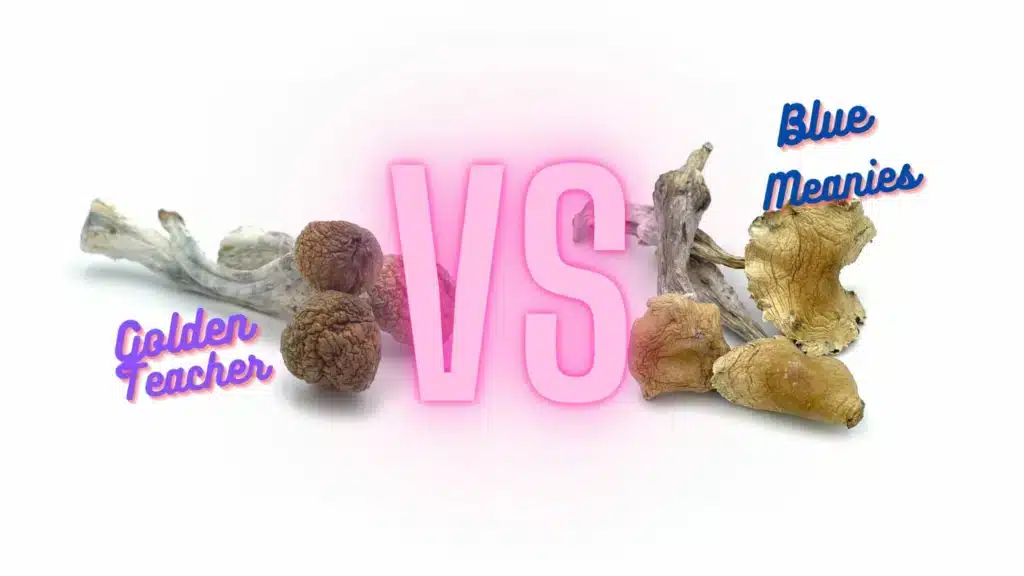
Golden Teacher vs Blue Meanie Magic Mushroom Strains
Golden Teacher vs Blue Meanie Magic Mushroom Strains: Which One Is Good For A Beginner?
Magic mushrooms continue to attract global attention for their therapeutic, spiritual, and recreational benefits. Among the most sought-after strains stand Golden Teacher and Blue Meanie—two classics with rich histories, compelling effects, and loyal followings. However, if you’re new to psychedelics, knowing which is right for your first journey can make all the difference.
In this guide, we’ll explore the Golden Teacher vs Blue Meanie debate in full depth—covering origin, potency, visuals, emotional effects, and more. By the end, you’ll know exactly which strain suits your experience level, and where to buy high-quality magic mushrooms safely and discreetly.
Understanding Magic Mushroom Strains
Magic mushrooms, or Psilocybe cubensis, are natural fungi containing psilocybin and psilocin, psychoactive compounds responsible for the hallucinogenic experience. Different strains of P. cubensis vary not only in appearance but also in potency, onset, and the nature of the high.
Beginners often underestimate how diverse these effects can be—while one strain might feel uplifting and reflective, another might be intensely visual and emotionally deep. That’s why understanding each variety’s personality matters.
What Are Golden Teacher Mushrooms?
Golden Teacher is one of the most beloved and beginner-friendly magic mushroom strains in the world. Recognized by its distinct golden caps and elegant stems, this strain earned its name for the “lessons” it imparts about inner growth and insight.
Origin: Believed to have first appeared in the late 1980s, the Golden Teacher has since gained cult status among both first-timers and spiritual explorers.
Appearance: Tall stems, with large caps that transition from deep gold to light caramel as they mature.
Potency Level: Mild to moderate (roughly 0.6–0.8% psilocybin by dry weight).
Trip Duration: 4 to 6 hours on average.
Common Effects:
-
Warm visual glow with enhanced colors
-
Heightened empathy and mood uplift
-
Mild body high and low anxiety levels
-
Deep introspection and spiritual clarity
Golden Teachers are forgiving and stable. Even when slightly over-dosed, their experience tends to remain calm, coherent, and manageable—making them perfect for microdosing or a first full psychedelic trip.
What Are Blue Meanie Mushrooms?
Despite their playful name, Blue Meanie mushrooms are known for being considerably stronger. This strain — not to be confused with the Panaeolus cyanescens variety — is a potent Psilocybe cubensis species famous for its vivid, intense trips and substantial visuals.
Origin: Native to subtropical regions such as Australia, this strain was named for the strong blue bruising that appears when the mushroom is handled—a sign of high psilocybin concentration.
Appearance: Smaller, denser caps with a deep caramel hue. They tend to bruise blue more prominently than other strains.
Potency Level: High (1.2–1.5% psilocybin on average).
Trip Duration: Around 6 to 8 hours.
Common Effects:
-
Strong visual hallucinations
-
Deep emotional insights
-
Intense sense of unity and euphoria
-
Greater risk of overwhelming sensations for beginners
The Blue Meanie experience is sometimes described as being like “jumping straight into the deep end.” For experienced psychonauts, this can be exhilarating—but for first-timers, the intensity may be intimidating.
Side-by-Side Comparison: Golden Teacher vs Blue Meanie

If you’re a beginner, there’s no contest—Golden Teacher should be your starting point. It guides users calmly through psychedelic states without pushing them past their comfort zone.
Effects on Mind and Body
Golden Teacher:
Golden Teachers are known to open emotional awareness gently. They enhance empathy, creativity, and visual perception without disorienting you. Their “teacher” nature often leads to realizations about personal patterns and emotional healing.
Blue Meanie:
Blue Meanies deliver deeper distortion and may dissolve ego boundaries more forcefully. Expect more intense visuals—pulsating patterns, synesthesia (mixing senses), and profound euphoria. However, the intensity can also cause confusion or anxiety if the set and setting aren’t supportive.
The Beginner’s Perspective: Which Is Better?
For someone stepping into psychedelics for the first time, you want clarity, control, and comfort. That’s why Golden Teacher consistently ranks as the preferred strain among seasoned guides and trip sitters.
Here’s why beginners love Golden Teacher:
-
More forgiving on dosage mistakes.
-
Milder onset, giving time to acclimate.
-
Less risk of paranoia or “bad trips.”
-
Easier emotional integration post-trip.
-
Encourages reflection and mindfulness instead of confusion.
Blue Meanie, while fascinating, is better reserved for users with established tolerance or experience in altered states.
Dosage Comparison: Start Smart
Proper dosage is crucial for any safe psychedelic journey. Factors like body weight, sensitivity, and stomach contents can influence effect strength.
Tip: Always begin on the lower end, especially with Blue Meanie. Wait at least two hours before deciding to take more.
Trip Preparation and Safety Tips

Set and setting can make or break your experience. Whether you choose Golden Teacher or Blue Meanie, follow these guidelines:
-
Choose a calm environment: A clean, safe, softly lit space sets the tone.
-
Have a sitter nearby: Especially for first trips, someone sober you trust.
-
Stay hydrated and fed: Light food before the trip prevents nausea.
-
Avoid mixing substances: Especially alcohol or other psychedelics.
-
Include soothing sounds or playlists: Enhances positive emotions.
-
Journal post-trip: Helps integrate insights into your daily life.
An example trip prep might include: cleaning your space, lighting candles, playing calming ambient music, and having a notepad ready.
Therapeutic Potential
Both strains contain psilocybin, now widely studied for mental health benefits, including reduced symptoms of depression, anxiety, and PTSD.
However, research participants often show better adaptation with moderate doses, making Golden Teacher a preferred option for therapeutic settings.
Studies suggest that psilocybin promotes neuroplasticity, helping the brain break repetitive negative thought loops—a phenomenon many users describe as “mental reset.”
The Visual and Emotional Journey
Golden Teacher trips feel like watching the world breathe and shimmer. Many users recall visuals like transformations of ordinary patterns into sacred geometry, combined with waves of gratitude or childlike wonder.
Blue Meanie visuals tend to be stronger and sometimes abstract—bending walls, swirling colors, and dissolving dimensions of reality. If that’s your first exposure, it might be hard to stay grounded.
For those seeking to experience cosmic visuals while still anchored in peace, Golden Teacher provides the ideal balance.
Integration: Applying the Lessons
The true “trip” extends beyond hallucinations; integration is where growth occurs.
After a Golden Teacher trip, users often feel emotionally lighter, more open, and grounded in purpose. Blue Meanie insights can be just as transformative, but their overwhelming nature might take longer to integrate effectively—especially without guidance.
Journaling, meditation, and breathwork can deepen your understanding and make the experience more meaningful.
Buying Magic Mushrooms Online Safely
When purchasing psychedelics, quality, purity, and discretion matter. Inferior spores or contaminated products can ruin your experience.
At Psychedelic Today, you can buy premium Golden Teacher and Blue Meanie strains online with:
-
Verified purity and potency lab results
-
Discreet and secure packaging
-
Global shipping with privacy protection
-
Responsive, knowledgeable support
Their commitment to high standards and authenticity makes psychedelic-today.com one of the most trusted online platforms for exploring psilocybin mushrooms safely.
Expert Recommendation
For total beginners, start your journey with Golden Teacher. Once you’re comfortable exploring moderate intensity and have a few trips behind you, Blue Meanie can offer a deeper layer of self-discovery.
If used responsibly and with respect for set and setting, both strains can open doors to powerful healing and creativity.
Frequently Asked Questions
1. Are Golden Teacher and Blue Meanie the same type of mushroom?
No. They’re both Psilocybe cubensis, but they differ in potency, visual effects, and intensity. Golden Teacher is milder, while Blue Meanie is much stronger.
2. Which is better for a beginner?
Golden Teacher is best for beginners due to its balanced potency, slower onset, and manageable visuals.
3. How long does a Golden Teacher trip last?
Typically 4–6 hours, depending on dose and metabolism.
4. Are Blue Meanies safe to take alone?
It’s not recommended for beginners. Due to high potency, have a sober companion present for safety.
5. Can I microdose with either strain?
Yes, both work for microdosing. However, Blue Meanie requires smaller doses due to its strength.
6. Where can I buy genuine Golden Teacher or Blue Meanie mushrooms?
You can buy them online at Psychedelic Today, known for lab-tested, top-grade psilocybin products.
7. What should I do if I experience a “bad trip”?
Stay calm, breathe deeply, and remind yourself the effects are temporary. Try changing your environment—music, lighting, or location. Having a trusted trip sitter helps.
Final Thoughts
The debate of Golden Teacher vs Blue Meanie Magic Mushroom ultimately depends on your experience level and goals. Golden Teacher welcomes newcomers with warmth, reflection, and clarity. Blue Meanie, while powerful and rewarding, suits those ready for deeper cosmic journeys.
Whichever path you choose, set intention, start small, and respect the experience—because true insight from psychedelics comes not from escape, but from connection.
When you’re ready to begin, explore the finest, lab-tested magic mushrooms at
👉 Psychedelic Today – Your Trusted Online Psychedelic Shop
Golden Teacher vs Blue Meanie Magic | Golden Teacher vs Blue Meanie Magic | Golden Teacher vs Blue Meanie Magic | Golden Teacher vs Blue Meanie Magic | Golden Teacher vs Blue Meanie Magic | Golden Teacher vs Blue Meanie Magic | Golden Teacher vs Blue Meanie Magic | Golden Teacher vs Blue Meanie Magic | Golden Teacher vs Blue Meanie Magic | Golden Teacher vs Blue Meanie Magic | Golden Teacher vs Blue Meanie Magic | Golden Teacher vs Blue Meanie Magic | Golden Teacher vs Blue Meanie Magic | Golden Teacher vs Blue Meanie Magic | Golden Teacher vs Blue Meanie Magic | Golden Teacher vs Blue Meanie Magic |