Blog
Top 10 Benefits of Microdosing

Top 10 Benefits of Microdosing
Microdosing has moved from Silicon Valley boardrooms to mainstream conversations, and for good reason. This practice involves taking tiny amounts of psychedelic substances—about one-tenth of a full dose—to gain mental and physical benefits without the intense effects of a complete trip.
This guide breaks down the top 10 benefits of microdosing for anyone curious about this growing wellness trend. You might be someone dealing with treatment-resistant depression, a creative professional looking for that extra spark, or simply interested in optimizing your daily performance without losing productivity.
We’ll explore how microdosing can boost your mental health and emotional well-being, from reducing anxiety to improving mood regulation. You’ll also discover the cognitive and creative advantages that have made this practice popular among artists, entrepreneurs, and professionals. Plus, we’ll cover the practical benefits that set microdosing apart from full psychedelic experiences—like maintaining your normal routine while still gaining therapeutic effects.
Ready to learn why thousands of people are choosing this gentle approach to psychedelic wellness? Let’s dive into what science and user experiences reveal about microdosing’s potential to transform your daily life.
Enhanced Mental Health and Emotional Well-being
Relief from depression and anxiety symptoms
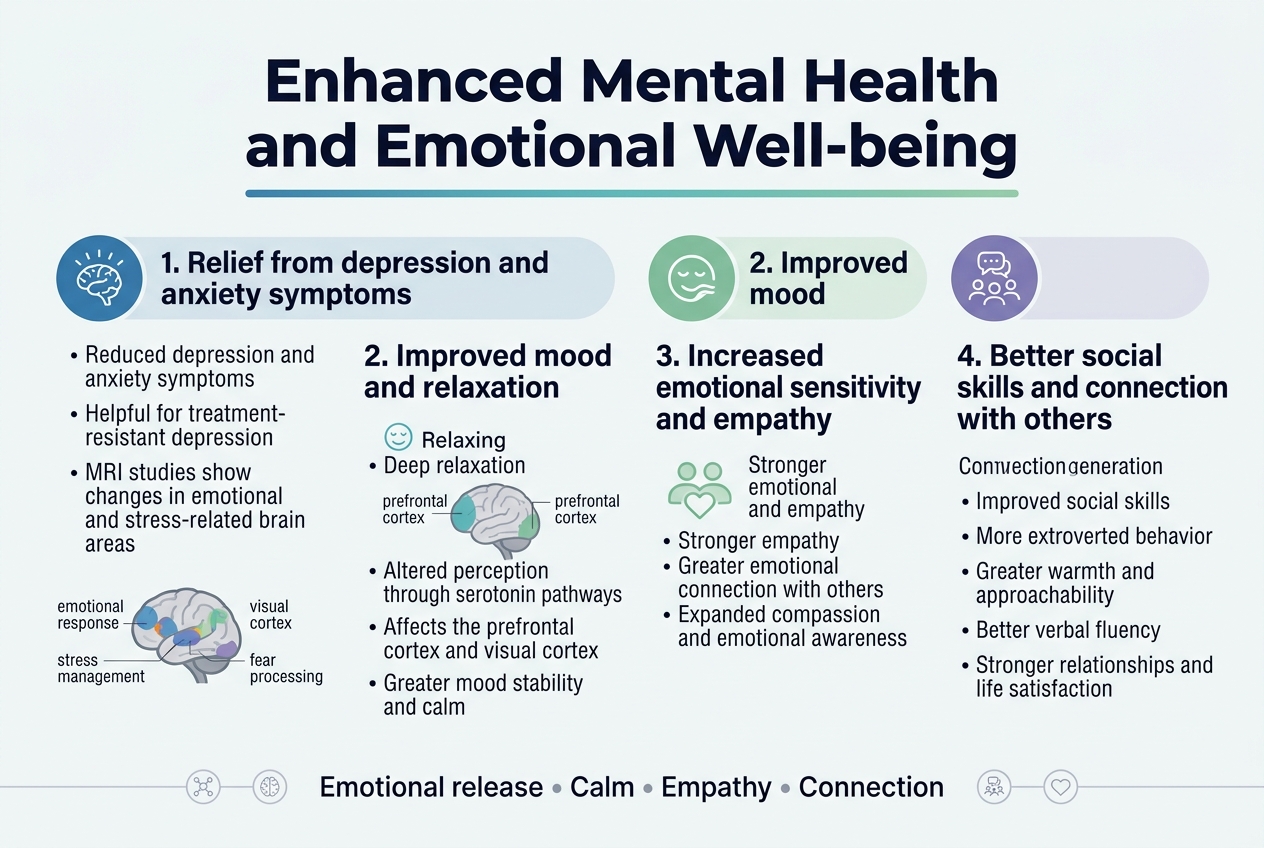
Microdosing demonstrates remarkable potential in alleviating symptoms of depression and anxiety, particularly in cases where traditional antidepressants prove ineffective. A groundbreaking study published in Scientific Reports examined 20 patients with treatment-resistant depression and found significant improvements in mood and stress relief following psilocybin administration. The research utilized MRI analysis to reveal measurable changes in brain areas specifically responsible for handling emotional responses, stress management, and fear processing.
Dr. Robin Carhart-Harris’s research highlights a crucial distinction between microdosing and conventional antidepressants. While traditional medications often dull emotions, psilocybin therapy facilitates cathartic emotional release, enabling patients to directly confront the underlying causes of their depression. This therapeutic approach addresses root issues rather than merely masking symptoms.
Improved mood and relaxation
Microdosing creates profound feelings of relaxation, producing effects similar to low doses of marijuana but with unique characteristics. Magic mushrooms fundamentally alter perception by acting on the brain’s neural circuits through serotonin pathways. This interaction particularly affects two critical brain regions: the prefrontal cortex, which governs abstract thinking and thought analysis, and the visual cortex, which influences mood and perception.
These neurological changes result in enjoyable, mentally stimulating sensations that promote a heightened understanding of one’s environment and internal state. Users consistently report enhanced mood stability and a greater sense of calm throughout their daily activities.
Increased emotional sensitivity and empathy
Now that we have covered the mood-enhancing effects, microdosing also significantly amplifies emotional sensitivity and empathetic responses. Research indicates that individuals who microdose exhibit substantially greater empathy compared to non-users, developing a stronger emotional connection with others around them. This enhanced emotional awareness extends beyond personal relationships, creating a broader sense of compassion and understanding.
Better social skills and connection with others
With this enhanced empathy in mind, microdosing naturally leads to improved social functioning. Research demonstrates that microdosers consistently show better social skills and display more extroverted behavior patterns. These individuals become noticeably warmer and more approachable in social situations, often experiencing improved verbal fluency that enhances their ability to communicate effectively.
The strengthened sense of connection with others represents one of the most significant benefits of microdosing, as users report feeling more genuinely engaged in their relationships and social interactions. This improved social connectivity often translates into better personal and professional relationships, contributing to overall life satisfaction and emotional well-being.
Cognitive Performance and Creative Benefits
Enhanced creativity and open-mindedness
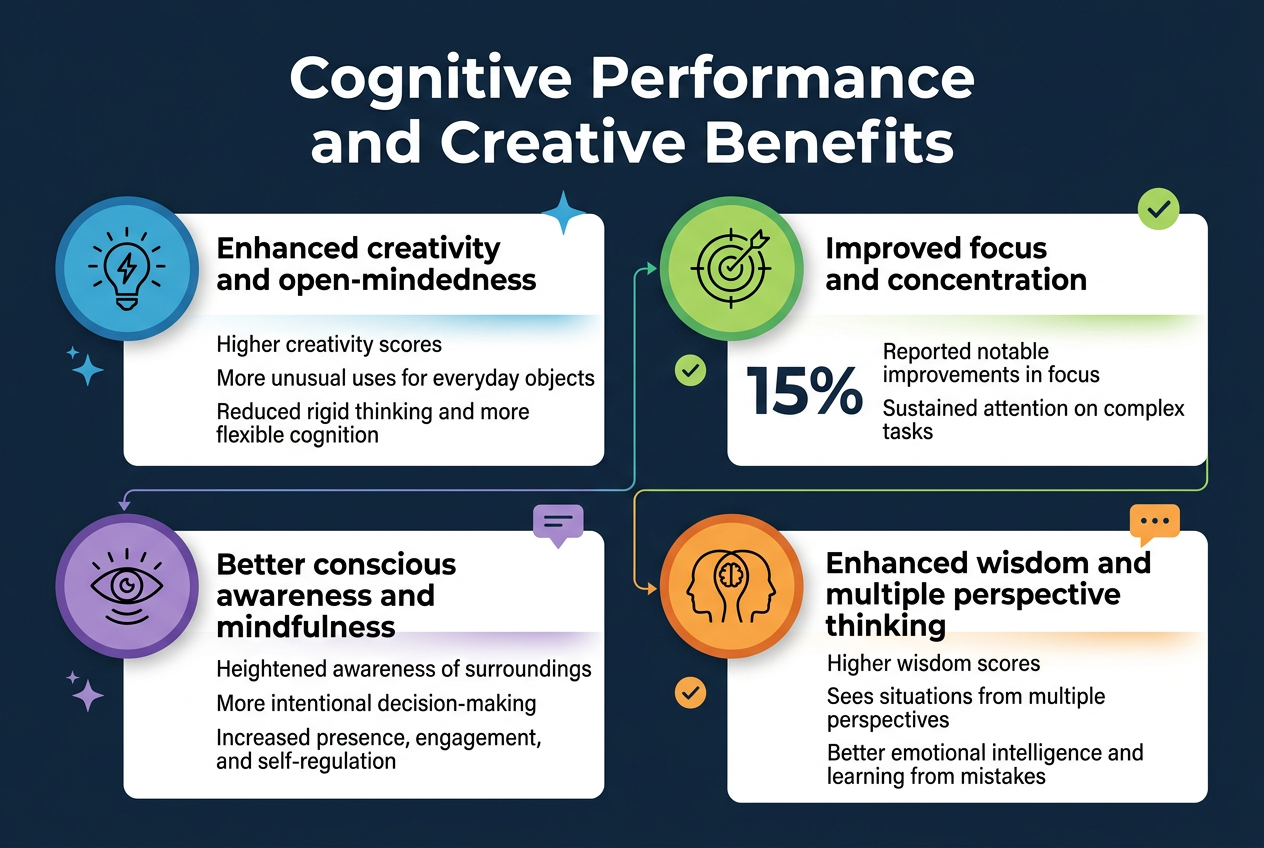
Research conducted by Thomas Anderson and Rotem Petranker reveals that microdosers consistently demonstrate enhanced creativity compared to non-users. This survey data shows microdosers scoring significantly higher on standardized measures of creativity, with participants displaying remarkable abilities in discovering unusual uses for everyday objects – a key indicator of creative thinking. The enhancement appears to stem from the substance’s ability to reduce rigid thinking patterns and promote more flexible cognitive processing.
The same study found that microdosers exhibited substantially higher levels of open-mindedness, allowing them to approach problems and situations with fresh perspectives. This open-minded state enables individuals to consider alternative solutions and embrace novel ideas that might otherwise be dismissed or overlooked.
Improved focus and concentration
Approximately 15% of microdosers reported notable improvements in their ability to focus and concentrate on tasks. This enhancement in attention spans allows individuals to maintain sustained engagement with complex projects and demanding cognitive work. The improvement in concentration appears to complement the creative benefits, creating an optimal state for productive work that requires both innovative thinking and sustained attention.
Better conscious awareness and mindfulness
Microdosing significantly increases conscious awareness, engagement, attentiveness, and mindfulness according to research findings. Users report heightened awareness of their surroundings, thoughts, and emotional states, leading to more intentional decision-making and increased presence in daily activities. This enhanced mindfulness contributes to better self-regulation and more thoughtful responses to challenging situations.
Enhanced wisdom and multiple perspective thinking
The research indicates that microdosers achieve higher wisdom scores, characterized by their ability to view situations from multiple perspectives. These individuals demonstrate superior capacity for learning from their mistakes and show increased emotional intelligence through being more in tune with both their own emotions and those of others. This multifaceted wisdom enables better interpersonal relationships and more effective problem-solving approaches across various life domains.
Practical Advantages Over Full Doses
Maintain Daily Functionality Without Losing Whole Days
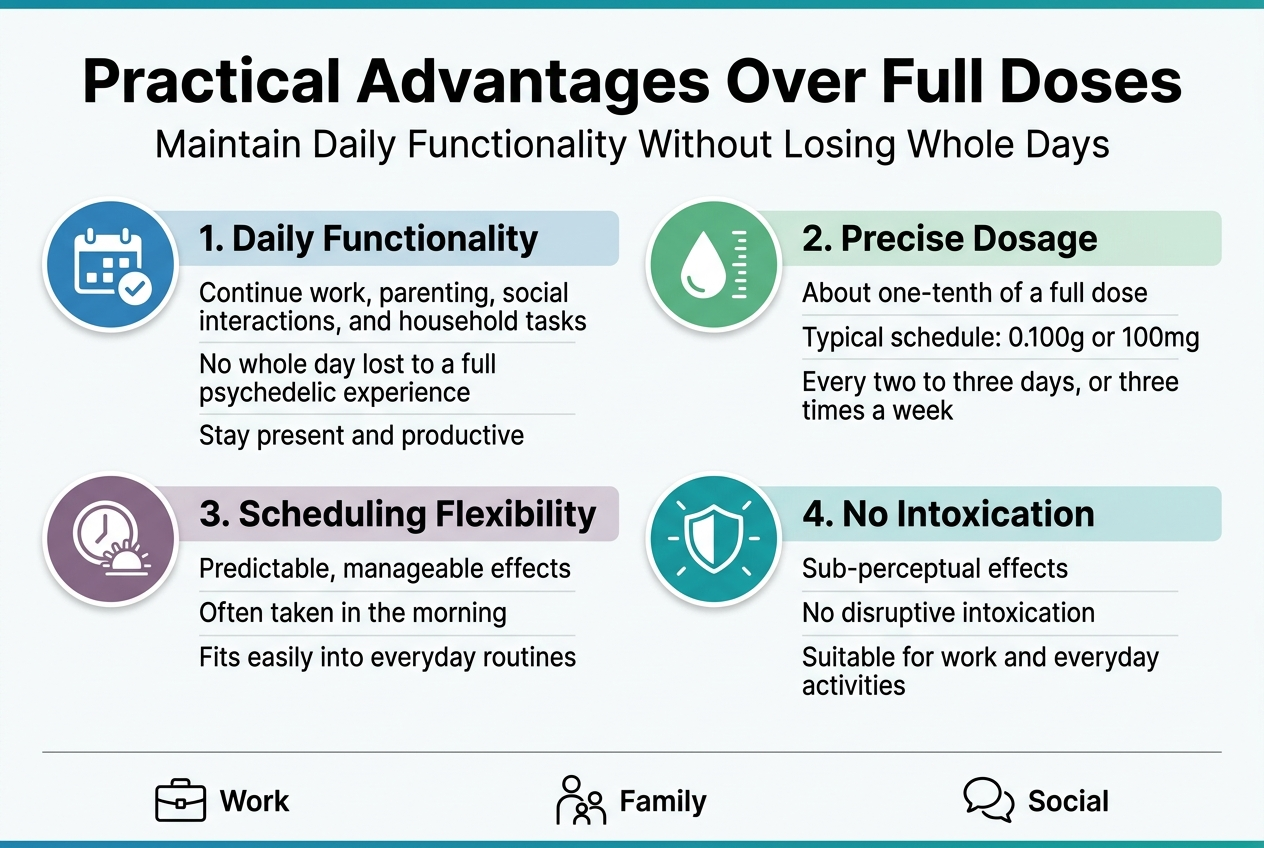
One of the most significant advantages of microdosing compared to full psychedelic experiences is the ability to continue with your regular daily routine without any disruption. Unlike a full psychedelic trip that can render you non-functional for an entire day or longer, microdosing allows individuals to maintain their daily functionality while still receiving therapeutic benefits.
This practical approach means you can continue engaging in everyday activities such as work responsibilities, parenting duties, social interactions, and household tasks without being “spaced out” or experiencing any cognitive impairment. The ability to remain present and productive throughout your day makes microdosing an accessible option for people with busy lifestyles who cannot afford to lose entire days to psychedelic experiences.
Precise Dosage Control and Scheduling Flexibility
Microdosing enables precise control over the dosage of hallucinogens taken, providing users with predictable and manageable effects. A proper microdose is roughly a tenth of a full dose, allowing for careful titration and personalized dosing strategies based on individual needs and responses.
The practice requires discipline to follow a predictable schedule, typically involving doses every three days or so, which makes it perfectly suitable for integration into everyday life. Recommended microdosing schedules suggest taking 0.100g or 100mg every two to three days, or three times a week, preferably in the morning to ensure all-day effects without interfering with sleep patterns.
No Intoxication or Disruptive Effects
The sub-perceptual nature of microdosing ensures that users experience no intoxication or disruptive effects that would interfere with their daily responsibilities. This absence of impairment is crucial for maintaining safety and effectiveness in work environments, family situations, and social settings.
Suitable for Work and Everyday Activities
The non-intoxicating nature of proper microdosing makes it entirely suitable for work and everyday activities. Users can maintain their professional performance, cognitive clarity, and social appropriateness while potentially experiencing enhanced creativity, focus, and emotional regulation that microdosing may provide.
Physical Health and Performance Improvements
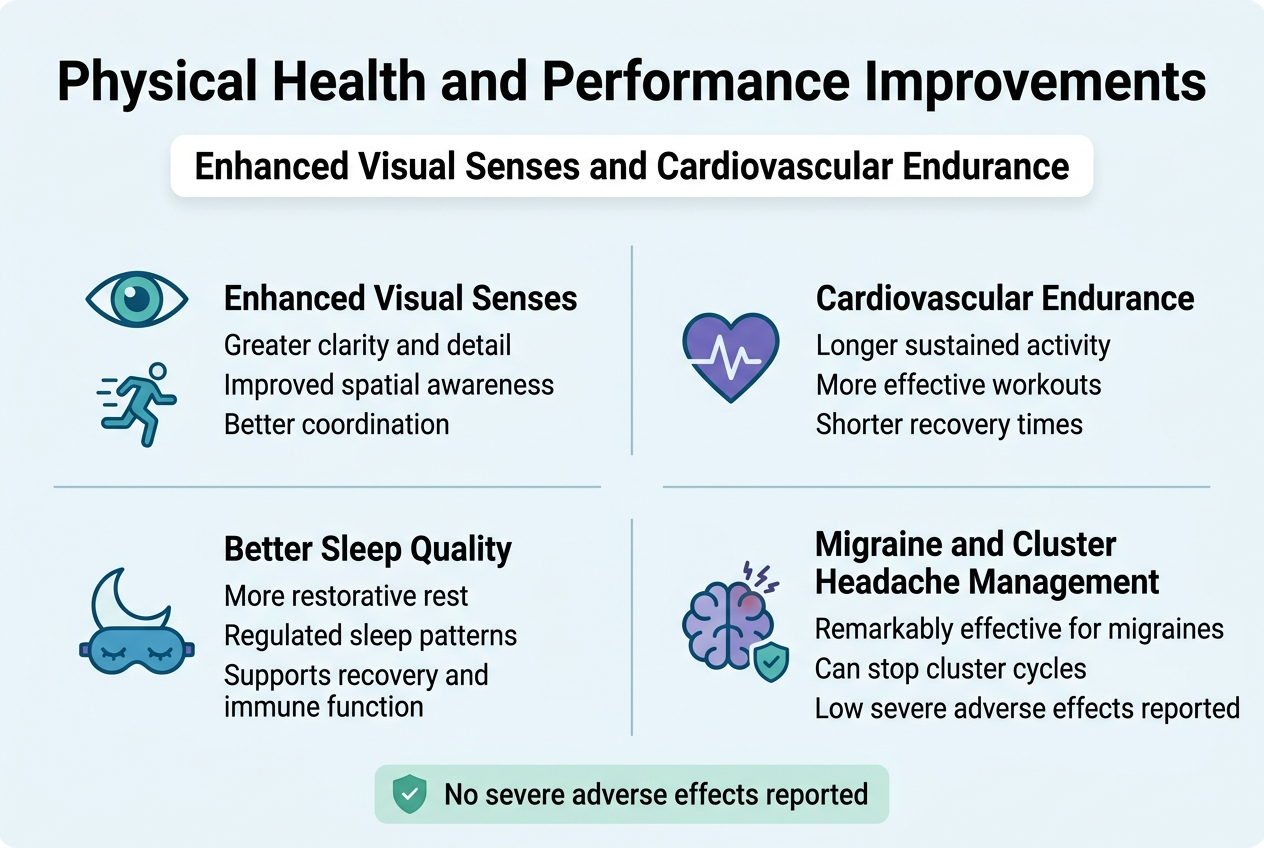
Enhanced Visual Senses and Cardiovascular Endurance
Microdosing has shown remarkable effects on physical performance, with users reporting significant improvements in their sensory perception and athletic capabilities. Some microdosers have experienced enhanced visual senses, allowing them to perceive their environment with greater clarity and detail. This heightened visual acuity can contribute to improved spatial awareness and better coordination during physical activities.
Beyond sensory improvements, microdosing practitioners have documented notable enhancements in cardiovascular endurance. These reported improvements suggest that microdosing may support the body’s ability to sustain prolonged physical activity, potentially making workouts more effective and recovery times shorter. The cardiovascular benefits align with the overall wellness approach that many individuals seek when exploring the top 10 benefits of microdosing.
Better Sleep Quality
Sleep quality represents another significant physical health benefit reported by microdosing practitioners. Better sleep quality has been consistently noted by some microdosers, indicating that this practice may help regulate sleep patterns and promote more restorative rest. Quality sleep is fundamental to physical health, affecting everything from immune function to muscle recovery and cognitive performance during waking hours.
Effective Migraine and Cluster Headache Management
Perhaps one of the most compelling physical health applications of microdosing involves headache management. Psychedelic tryptamines, found in psychedelic substances, have been described as “remarkably effective” in treating migraines. This effectiveness extends beyond simple pain relief, as studies have noted that only psychedelic treatments can stop the recurrence of cluster cycles, offering hope to those who suffer from chronic headache conditions.
Sufferers have found a “busting” dosing regimen to be the most effective strategy for treating headaches. This approach represents a breakthrough for individuals who have struggled with conventional treatments and provides a targeted method for addressing severe headache disorders.
No Severe Adverse Effects Reported
Safety considerations are paramount when evaluating any health intervention. Research on migraine management using psychedelic substances has revealed encouraging safety profiles, with no severe adverse effects reported. While some cases of discomfort occurred during treatment, the absence of serious side effects suggests that microdosing may offer a relatively safe approach to managing chronic conditions when properly administered.
Addiction Recovery and Habit Breaking
Help with smoking cessation
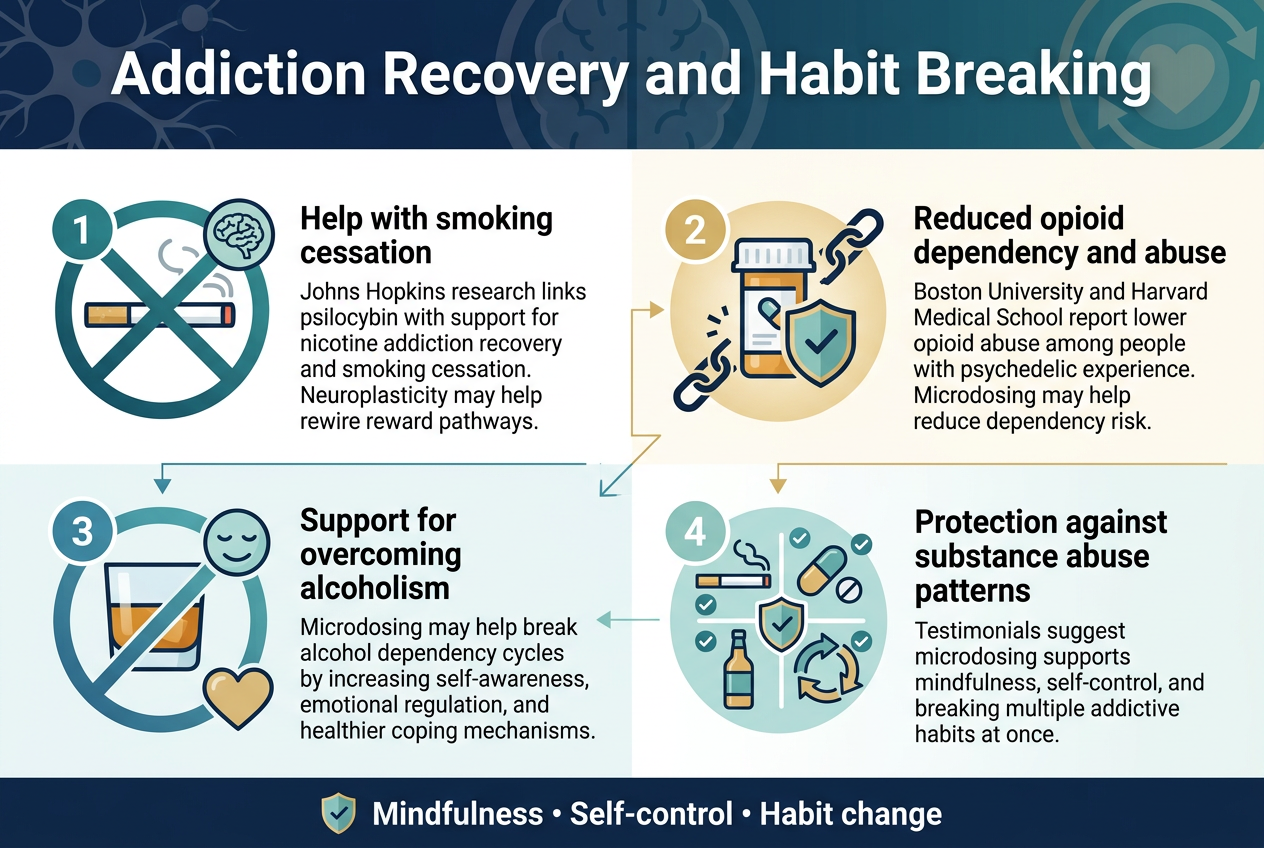
Research conducted at Johns Hopkins University has demonstrated psilocybin’s remarkable capability to combat nicotine addiction, offering significant support for smoking cessation efforts. This groundbreaking research positions microdosing as a potentially powerful tool for individuals struggling to break free from tobacco dependency. The study’s findings suggest that the neuroplasticity-enhancing properties of psilocybin may help rewire the brain’s reward pathways, making it easier for smokers to overcome the deeply ingrained patterns associated with nicotine addiction.
Reduced opioid dependency and abuse
Scientists from Boston University and Harvard Medical School have reported compelling evidence regarding psychedelics’ protective effects against opioid dependency. Their study revealed that individuals who had experience with psychedelic drugs were significantly less likely to abuse opioids, suggesting a natural protective mechanism against opioid dependency. This research indicates that microdosing may serve as a preventive measure, potentially reducing the risk of developing opioid abuse patterns while supporting recovery for those already struggling with dependency.
Support for overcoming alcoholism
Microdosing has been cited as an effective method for helping individuals kick bad habits, including alcoholism. The practice appears to support individuals in breaking the destructive cycles associated with alcohol dependency by promoting increased self-awareness and emotional regulation. This approach may help individuals develop healthier coping mechanisms and reduce their reliance on alcohol as a means of managing stress, anxiety, or other underlying emotional challenges.
Protection against substance abuse patterns
Testimonials from microdosers consistently indicate they use this practice to overcome various addictive habits beyond traditional substances. These personal accounts suggest that microdosing may provide a comprehensive approach to addressing multiple types of addictive behaviors simultaneously. The practice appears to support individuals in developing greater mindfulness and self-control, which can be instrumental in breaking patterns of substance abuse and preventing the development of new dependencies.
7 FAQ
What is microdosing and how does it work?
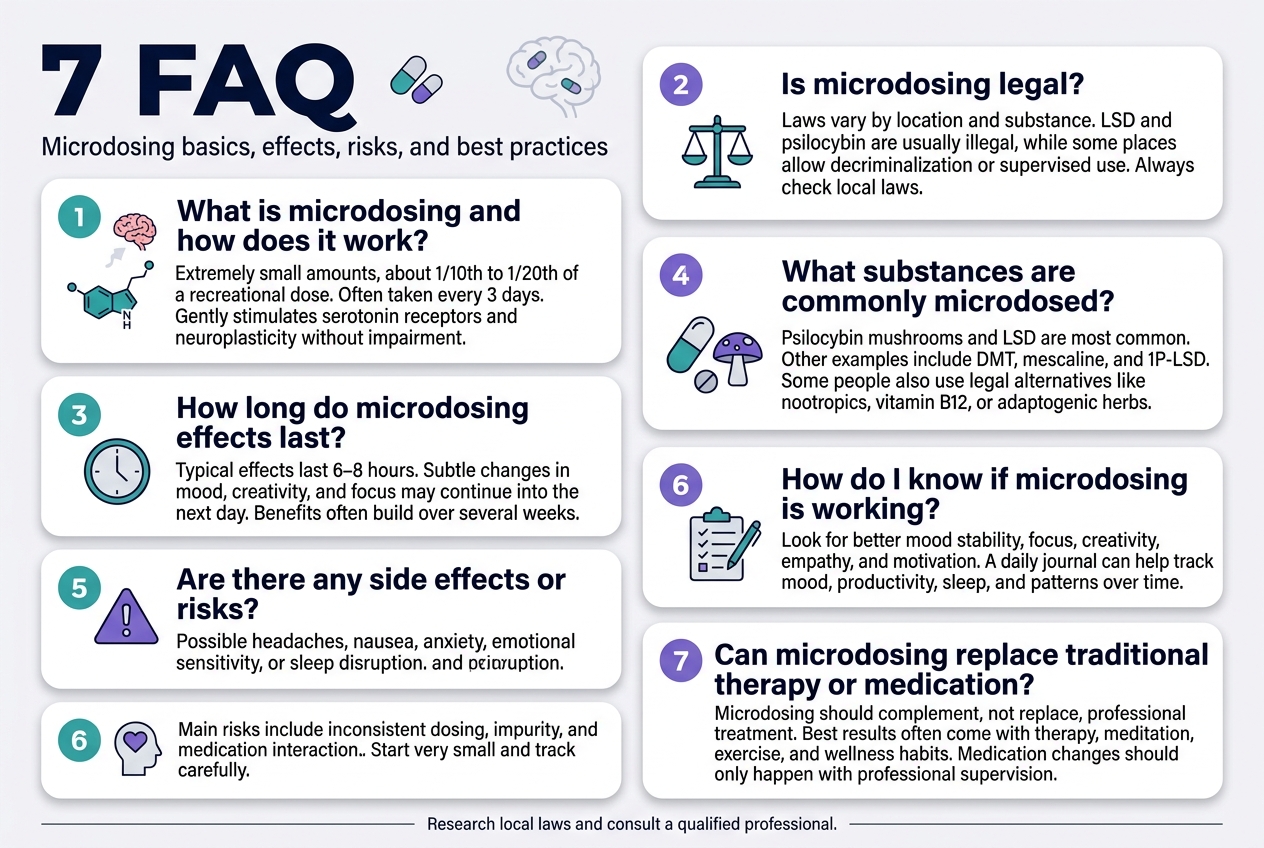
Microdosing involves taking extremely small amounts of psychedelic substances—typically 1/10th to 1/20th of a recreational dose. The goal is to experience subtle positive effects without the intense psychoactive experience of a full dose. People usually follow a schedule like taking a microdose every three days, allowing the body to reset between doses. The practice works by gently stimulating serotonin receptors and promoting neuroplasticity, creating lasting changes in brain function without impairment.
Is microdosing legal?
The legal status varies significantly by location and substance. In most countries, traditional psychedelics like LSD and psilocybin remain illegal, even in micro amounts. However, some regions have decriminalized psilocybin mushrooms, and a few places allow supervised therapeutic use. Legal alternatives include substances like lion’s mane mushrooms or certain nootropics that provide similar cognitive benefits. Always research local laws and consult professionals before considering any controlled substances.
How long do microdosing effects last?
Microdosing effects typically last 6-8 hours, though some people report subtle improvements lasting into the next day. Unlike full doses that create obvious altered states, microdosing produces gentle changes in mood, creativity, and focus that build over time. The cumulative benefits often become more apparent after several weeks of consistent practice. Many users find the effects become more pronounced and stable with regular scheduling.
What substances are commonly microdosed?
Psilocybin mushrooms and LSD are the most popular choices, though people also microdose with DMT, mescaline, and newer compounds like 1P-LSD. Each substance offers slightly different experiences—psilocybin tends to enhance emotional openness and introspection, while LSD often boosts energy and analytical thinking. Some people explore legal alternatives like high-dose vitamin B12, nootropics, or adaptogenic herbs to achieve similar cognitive enhancement.
Are there any side effects or risks?
Common side effects include mild headaches, slight nausea, or increased anxiety in some individuals. The biggest risks come from inconsistent dosing, unknown substance purity, and potential interactions with medications, particularly antidepressants. Some people experience increased emotional sensitivity or mild sleep disruption. Starting with extremely small amounts and maintaining detailed logs helps minimize risks and optimize benefits.
How do I know if microdosing is working?
Look for subtle improvements in mood stability, increased creativity, better focus, and enhanced problem-solving abilities. Many people notice they’re more patient, empathetic, and present in conversations. Physical signs might include better sleep quality, reduced anxiety, or increased motivation for healthy habits. Keep a daily journal tracking mood, productivity, and overall well-being to identify patterns and optimal dosing schedules.
Can microdosing replace traditional therapy or medication?
Microdosing should complement, not replace, professional mental health treatment. While many people experience significant benefits, it’s not a cure-all for serious mental health conditions. Some individuals successfully reduce medication under professional supervision, but this requires careful monitoring and gradual transitions. The best results often come from combining microdosing with therapy, meditation, exercise, and other wellness practices for a comprehensive approach to mental health.
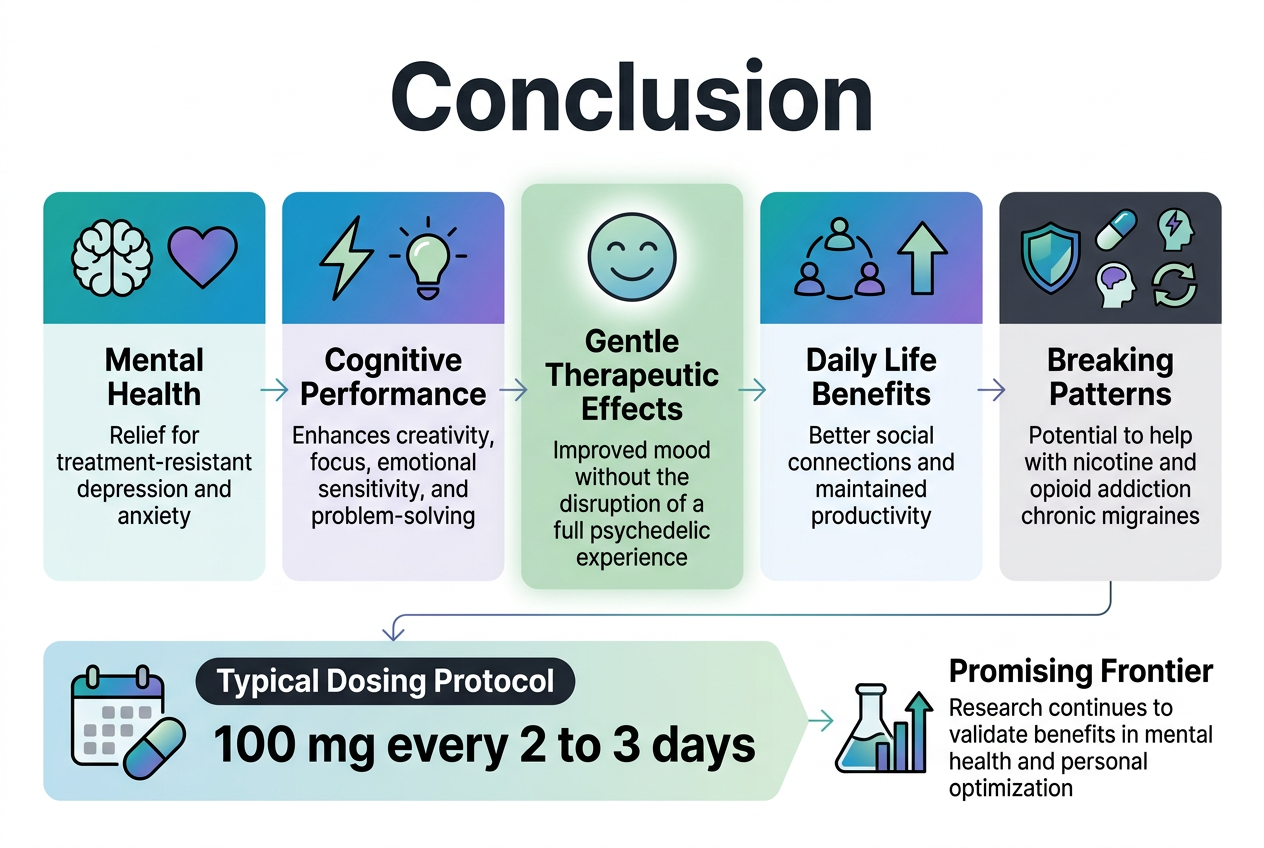
The evidence is clear: microdosing offers a remarkable range of benefits that span mental health, cognitive performance, and physical well-being. From alleviating treatment-resistant depression and anxiety to enhancing creativity, focus, and emotional sensitivity, these small doses provide therapeutic effects without the disruption of a full psychedelic experience. The ability to maintain daily productivity while experiencing improved mood, better social connections, and enhanced problem-solving capabilities makes microdosing an attractive option for many seeking natural wellness solutions.
Perhaps most compelling is microdosing’s potential to break destructive patterns, whether that’s addiction to substances like nicotine and opioids, or chronic conditions like treatment-resistant migraines. With proper dosing protocols—typically 100mg every two to three days—users can harness these benefits while maintaining complete control over their experience. As research continues to validate what practitioners have long reported, microdosing represents a promising frontier in mental health and personal optimization, offering a gentle yet powerful tool for those ready to explore its transformative potential.