Blog
Psychedelic Therapy Cost for At Home Users: $50–$280 and Hidden Risks

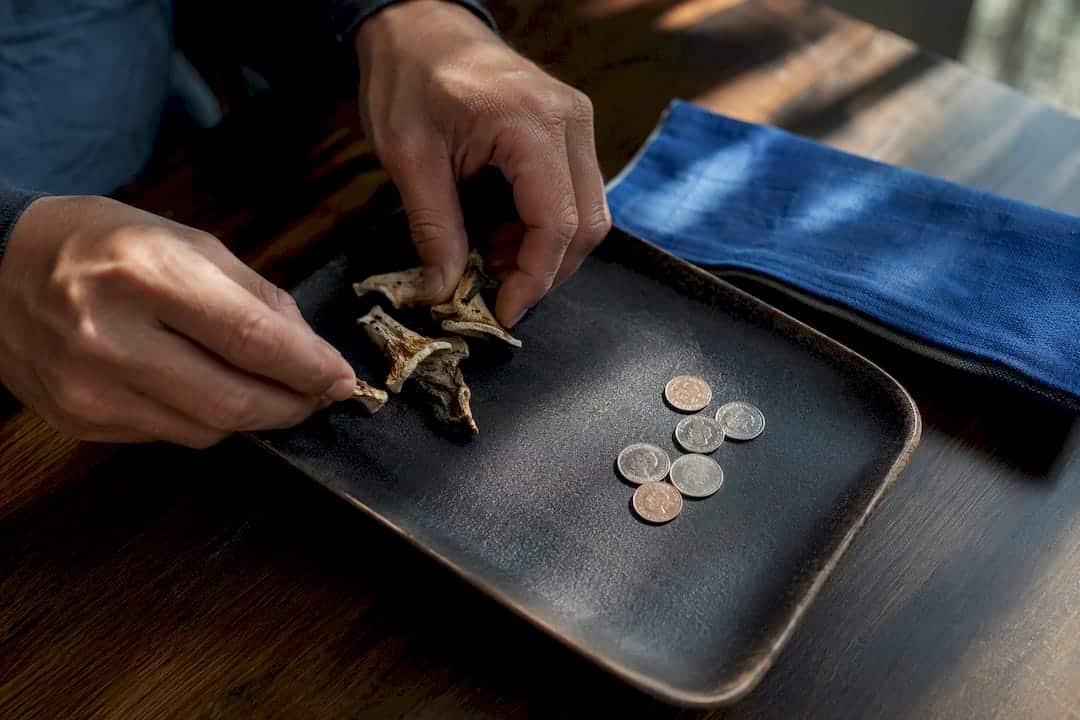
Expect to pay roughly $7 to $20 per gram for dried psilocybin mushrooms on the street, with an eighth (3.5 grams) running $30 to $70 and microdose capsule packs often landing $40 to $100. Grow kits typically cost $50 to $150 upfront. None of those numbers include the real risk: inconsistent potency, contamination, and legal exposure that can turn a cheap gram into an expensive mistake.
TL;DR:
- Potency variability can cause underdosing or overdosing, leading to ineffective experiences or distress and unintended medical costs.
- Contamination and adulterants pose health risks and can result in costly emergency visits if consumed.
- Legal risks, including fines and criminal charges, often cost more long-term than the product itself, especially in states with strict enforcement.
- Purchasing lab-tested, measured products reduces the hidden costs of wasted doses and contamination, improving safety and consistency.
- Grow kits, despite upfront costs, can supply larger amounts at a lower long-term per-gram price, but yields depend heavily on skill and legality.
Table of Contents
- What Does Psychedelic Therapy Cost Per Gram, Capsule, or Kit?
- What Hidden Costs Should You Factor Into Psychedelic Therapy Expenses?
- How Does Location Affect Psilocybin Availability and Pricing?
- What Are the Cheapest Ways to Access Psilocybin Safely?
- What Signals Indicate a Quality, Lab-Tested Product?
- How Much More Does a Rare Strain Cost Than a Common One?
- How Much Does a Single Psilocybin Session Typically Cost?
- How Many Sessions Do Most People Use for a Full Course?
- What’s the Total Cost for an Extended Personal Practice?
- Is Self-Guided Use Cheaper Than Conventional Mental Health Treatment?
- Does Insurance Cover Any Part of Psilocybin Costs?
- Are There Financial Assistance Options for Psychedelic Products?
- The Real Math on Price vs. Safety
- Why Choose Lab-Tested Products for Cost-Aware Buying?
- Sources
- FAQ
What Does Psychedelic Therapy Cost Per Gram, Capsule, or Kit?
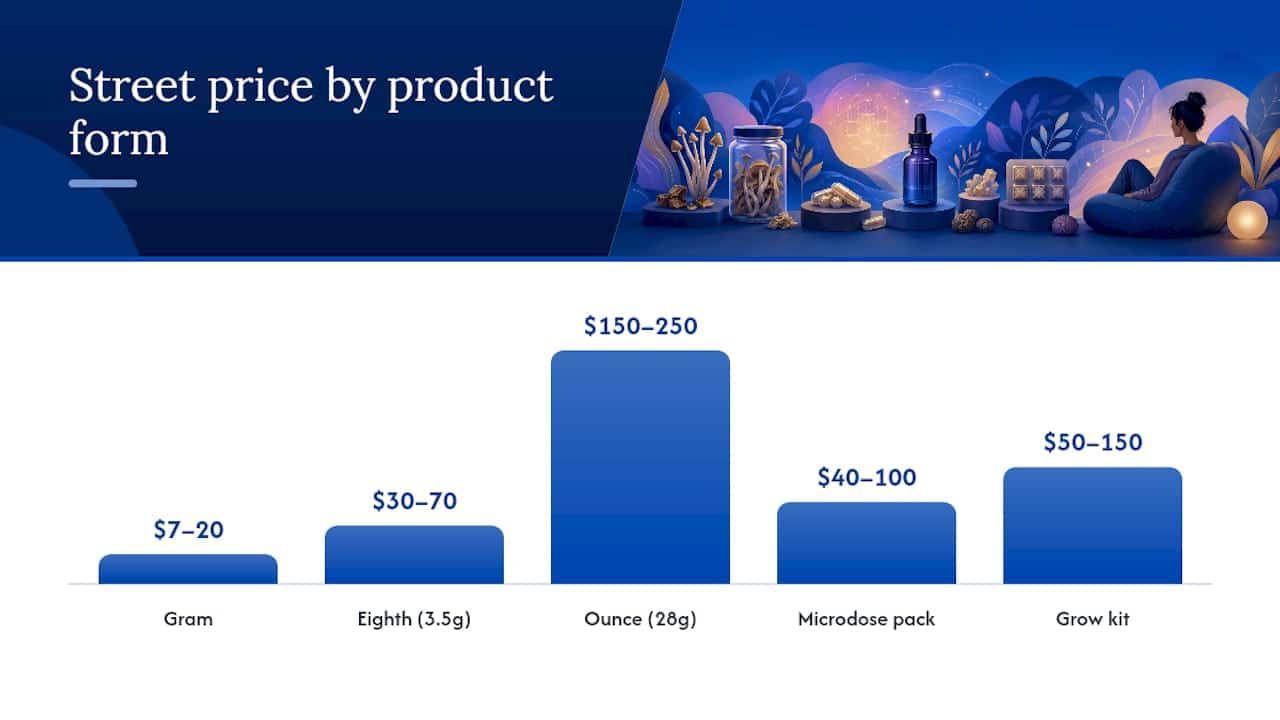
The price of psilocybin mushrooms swings hard depending on form, quantity, and where you’re buying. Street prices for dried mushrooms typically run $7 to $20 per gram, with eighths landing between $30 and $70 and full ounces often discounted to $150 to $250 when bought in bulk. That per-gram discount at higher volume is real, but it comes with a catch we’ll get to in the next section.
Dried mushrooms are the baseline product, and pricing here sets the reference point for everything else:
- Gram: $7 to $20
- Eighth (3.5g): $30 to $70
- Ounce (28g): $150 to $250, sometimes less in bulk
Microdosing capsules trade convenience for a steeper per-gram rate. A pack of 20 to 30 capsules, each containing a fraction of a gram, commonly sells for around forty to one hundred dollars. Do the math per gram and you’re often paying double or triple the raw dried-mushroom rate. Addiction Resource’s cost breakdown confirms that processed forms consistently price above raw product, and the reason is simple: someone measured, dried, and encapsulated a precise dose for you. If dosing precision matters to your routine, a resource on how to dose magic mushrooms is worth reading before you buy either form.
Edibles like chocolates or gummies push the premium even further. A single-serving chocolate bar infused with a measured dose can cost $10 to $25 per piece, which sounds reasonable until you calculate the psilocybin content per dollar. You’re paying largely for flavor masking and portion control, not more mushroom.
Grow kits and spore syringes flip the cost model entirely. A kit runs $50 to $150 upfront, and market summaries on illicit shroom pricing suggest a successful harvest can yield several ounces, dropping your effective per-gram cost well below street prices over multiple flushes. The catch: yields vary wildly by skill level, contamination during growth is common, and a failed kit means you paid $100 for nothing.
What Hidden Costs Should You Factor Into Psychedelic Therapy Expenses?
The sticker price is rarely the real price. Three factors routinely inflate the true cost of psilocybin far beyond what you handed over at the point of sale.
Potency inconsistency is the biggest one. Wild and even cultivated mushrooms vary in psilocybin concentration by strain, growing conditions, and drying method. Government analysis of psilocybin mushrooms notes this variability directly, and it means your “gram” might deliver half the expected dose one week and double the next. Underdosing wastes money on a session with no effect. Overdosing can mean a distressing experience that costs you in a very different currency.
Contamination and adulterants carry real medical risk. Improperly grown or stored mushrooms can harbor mold or bacteria, and street-sourced products occasionally contain substances that aren’t psilocybin at all. A trip to urgent care for an adverse reaction can cost hundreds to thousands of dollars, dwarfing whatever you saved buying from the cheapest source.
Legal exposure is the cost most buyers underprice entirely. A possession charge can mean court fees, legal representation, and a record that follows you into job applications for years. One analysis of legal versus medical risk makes the point plainly: a cheaper gram can end up costing thousands in legal fees or medical bills if things go wrong.
- Inconsistent potency = paying for effect you don’t get, or too much
- Contamination = potential ER visit and lost work time
- Legal fees and records = costs that outlast the purchase by years
- Online scams = lost payment with no product and no recourse
Pro Tip: Treat any unverified online seller with the same skepticism you’d apply to an unmarked pill. If a site won’t show batch testing or a real return policy, walk away, no matter how good the price looks.
How Does Location Affect Psilocybin Availability and Pricing?
Federal law still treats psilocybin as a Schedule I controlled substance nationwide. The DEA’s own factsheet confirms that as of 2026, only Oregon and Colorado have built state-level frameworks for licensed adult access or decriminalization, and roughly 30 U.S. cities have passed local deprioritization measures. Deprioritization is not legalization. It usually just means police departments have deprioritized enforcement of possession, not that retail sale is legal.
That patchwork directly shapes what you pay. In cities with deprioritization, lower enforcement risk tends to shrink the premium dealers charge for that risk, which can push street prices down modestly. In states with zero tolerance, sellers price in the danger of getting caught, and buyers absorb that cost.
Spores and grow kits add another wrinkle. Spores don’t contain psilocybin, so they’re federally legal to possess in most places, but growing them into mushrooms crosses into cultivation of a controlled substance. Some states, including California, Georgia, and Idaho, have gone further and explicitly banned spore possession or sale outright regardless of the federal loophole.
Before buying anything, spend ten minutes verifying your state and city’s current rules rather than assuming a national standard applies:
- Check your state’s specific statute on psilocybin possession and cultivation
- Confirm whether your city has a deprioritization ordinance, and what it actually covers
- Verify spore legality separately. It’s not automatically covered by psilocybin decriminalization
- Reassess before traveling. Rules change at the state line
If you’re researching a specific state’s framework in depth, the guide on psilocybin depression treatment access in California walks through one state’s regulatory nuance in detail.
What Are the Cheapest Ways to Access Psilocybin Safely?
Lower cost and lower risk don’t always point the same direction, so weigh each option against what you’re actually optimizing for.
- Grow kits offer the best long-run per-gram economics if you’re willing to invest time and tolerate failure risk. A $100 kit that yields three or four ounces beats buying that same amount on the street, but check your state’s cultivation laws first since kits sit in a legal gray zone in several places.
- Microdosing capsules cost more per gram but buy you dosing precision, which matters if consistency is your priority over stretching every dollar. A capsule sourcing guide breaks down what to look for.
- Bulk dried purchases cut the per-gram rate noticeably, but larger quantities mean larger legal exposure if you’re caught, plus storage challenges since potency degrades with light, heat, and time.
- Lab-tested, measured products cost more upfront but reduce the invisible costs, medical risk from contamination, wasted doses from inconsistent potency, that erode any savings from the cheapest option.
Pro Tip: If cost-cutting is your main goal, a grow kit paired with a scale and patience usually beats bulk street purchases on both price and predictability, assuming your local law permits it.
What Signals Indicate a Quality, Lab-Tested Product?
A batch lab report, sometimes called a Certificate of Analysis (COA), is the single clearest signal a product is worth its price. It should show potency ranges and confirm the batch screened clean for contaminants and adulterants, the exact risks covered earlier.
Look for four things before buying:
- A batch-specific COA, not a generic marketing claim
- Clear contaminant screening (mold, bacteria, heavy metals)
- Transparent strain identification, not vague “premium mushroom” labeling
- A seller willing to explain how their testing process works
Lab-tested, measured products change the cost equation. You pay a bit more upfront, but you eliminate the two biggest hidden costs: unpredictable potency and contamination risk. That’s the entire premise behind seeking out tested product lines rather than unverified street sources. Some sellers provide lab-tested strain options alongside educational resources on dosing and safe use, which gives buyers a documented reference point most street transactions never offer. When you request a COA from any seller, check the testing date, the specific batch number, and whether an independent lab (not the seller’s own staff) performed the analysis.
How Much More Does a Rare Strain Cost Than a Common One?
Common strains like Golden Teacher and Penis Envy sit at different points on the price spectrum, and the gap comes down to potency and availability, not marketing.
Golden Teacher, one of the most widely cultivated strains, tends to land at or near baseline pricing because supply is abundant and growing conditions are forgiving. Penis Envy, known for notably higher psilocybin concentration, commonly sells at a 30 to 50% premium over common strains because a smaller dose delivers the same effect, and cultivators consider it harder to grow successfully. Rarer or specialty strains, particularly ones with limited genetic stock, can command even steeper markups regardless of whether the potency difference justifies it.
The practical takeaway: a higher price per gram on a potent strain doesn’t necessarily mean a higher cost per session. If a strain delivers double the effect per gram, you need half as much, which can make the “expensive” option the better value once you calculate cost per actual experience rather than cost per gram. Buyers comparing options often find it useful to look at strain-specific guides that break down potency profiles rather than shopping by price alone. The mistake most first-time buyers make is optimizing for the cheapest gram price without checking whether that strain’s potency actually matches their intended experience.
How Much Does a Single Psilocybin Session Typically Cost?
For someone sourcing their own product for a self-guided experience at home, a single session’s material cost is modest compared to what people assume. A typical dose for an experienced user, somewhere in the 2 to 3.5 gram range of dried mushrooms, costs roughly $15 to $70 depending on strain and where you source it.
That range widens depending on the form you choose. A microdose session using capsules costs less per session since you’re using a fraction of a gram, often $2 to $5 worth of product per dose if you bought the capsule pack at bulk rates. A full, higher-dose session using premium or rare strains can run toward the upper end of that range or beyond, especially with potent varieties like Penis Envy where even a smaller quantity carries a higher per-gram price tag.
Edibles change the math again. A single infused chocolate bar or gummy pack, priced at $10 to $25 per unit, often represents one session’s worth of product in a pre-measured format. You’re paying a premium over raw dried weight, but you’re also getting dose consistency that raw mushrooms rarely offer without a scale and some testing.
The number that actually matters isn’t the sticker price of the product. It’s cost per gram of active psilocybin content, adjusted for potency. A $20 eighth of a low-potency strain and a $30 eighth of a high-potency strain might deliver the same subjective experience, making the pricier option the actual better deal per session. This is where lab-tested, potency-labeled products earn their premium: they let you calculate real cost per session instead of guessing.
How Many Sessions Do Most People Use for a Full Course?
There’s no universal number here, because self-guided use varies enormously based on personal goals, from occasional exploratory use to a more structured personal practice spread over weeks or months.
People using microdosing protocols for sustained mood or focus support often follow a pattern of several doses per week over a period of four to eight weeks, sometimes with breaks between cycles. That adds up to a meaningfully higher total product volume than someone planning one or two deliberate, higher-dose sessions spaced weeks apart for a more introspective experience.
Higher-dose, less frequent sessions are the more common approach for people seeking a significant personal or reflective experience rather than an ongoing microdosing routine. Many people space these sessions a month or more apart, both to allow psychological integration time and because tolerance can build with more frequent higher doses, reducing the effect of subsequent sessions.
The practical cost implication: a microdosing approach spreads a smaller cost across many individual purchases of capsules or measured product, while an occasional higher-dose approach means fewer, larger purchases of dried mushroom or edibles. Neither pattern is inherently cheaper. It depends on how you value your time, your storage, and how much dosing precision you want built into the product itself. Someone doing a structured microdose cycle benefits more from pre-measured capsules, while someone doing occasional sessions can often work more economically with dried product and a scale.
What’s the Total Cost for an Extended Personal Practice?
Stack the numbers and a clearer picture forms. Someone running a two-month microdosing cycle at three doses per week, roughly 24 to 26 doses total, using capsules priced at $2 to $5 per dose in bulk-bought packs, lands somewhere around $50 to $130 for the full cycle. That’s a modest total spread across two months.
Someone planning four higher-dose sessions over four months, spaced roughly a month apart, using 2 to 3.5 grams of a mid-potency strain per session at $10 to $20 per gram, ends up spending roughly $80 to $280 total across the same stretch, depending heavily on strain choice and whether they’re buying in bulk or piecemeal.
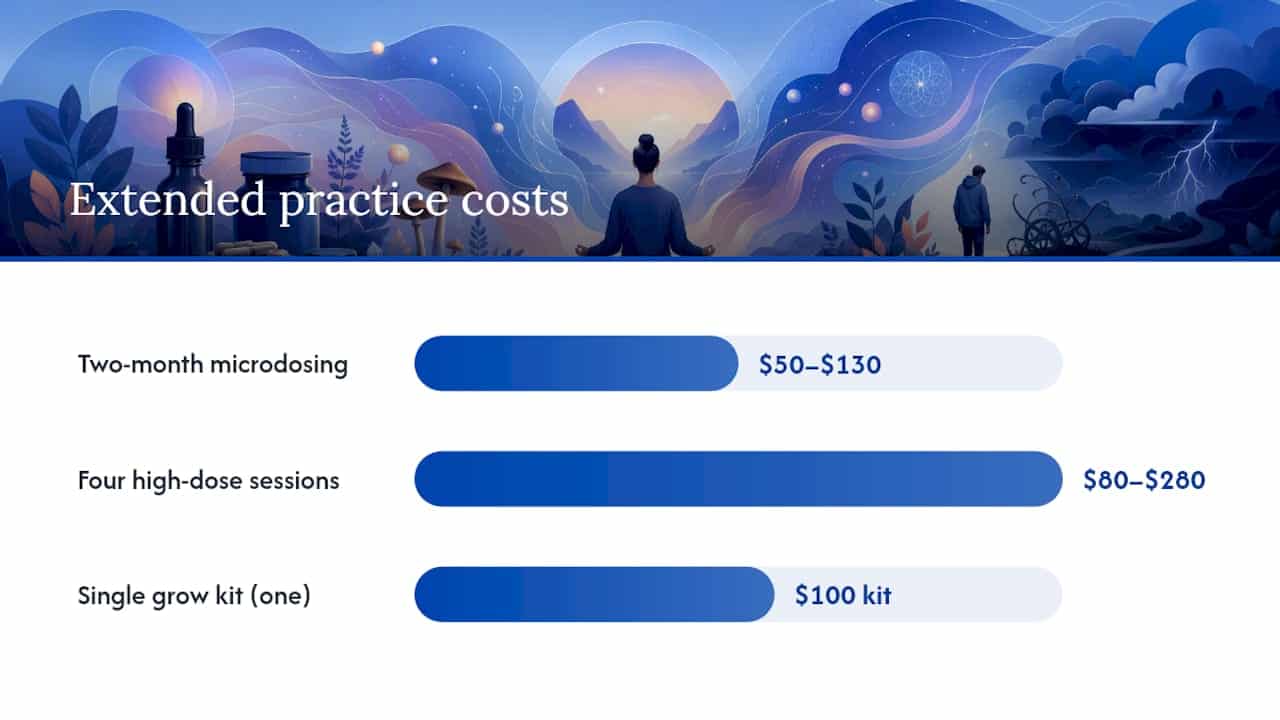
Grow kits change this calculation dramatically if the harvest succeeds. A single $100 kit yielding three to four ounces can cover both approaches above for months, dropping the effective total cost to a fraction of buying pre-grown product repeatedly. The tradeoff is time, cultivation skill, and the very real chance of a failed grow, which means paying $100 for nothing and falling back on purchased product anyway.
None of these totals include the hidden costs covered earlier. Add in the possibility of a wasted dose from inconsistent potency, or worse, a medical or legal incident, and the “total cost” conversation stops being just about dollars spent at checkout. That’s the gap between the number on the receipt and the number that actually reflects what a self-guided practice costs you over time.
Is Self-Guided Use Cheaper Than Conventional Mental Health Treatment?
On pure sticker price, self-sourced psilocybin looks dramatically cheaper than most conventional mental health treatment paths. A therapy copay through insurance often runs $20 to $50 per session, and without insurance, a single session with a licensed therapist commonly costs $100 to $250. Psychiatric medication management adds monthly prescription costs on top, often for months or years of ongoing treatment.
Compare that to the $50 to $280 total range for a multi-month self-guided psilocybin practice calculated above, and the raw numbers favor self-sourced product heavily. But that comparison misses several things conventional treatment includes that a self-guided approach doesn’t: professional oversight, crisis support if something goes wrong, and a legal, insured framework with no risk of prosecution.
The honest comparison isn’t dollar for dollar. It’s dollar for dollar plus risk. Conventional treatment’s higher price buys predictability and safety net. Self-sourced psilocybin’s lower price comes bundled with the potency variability, contamination risk, and legal exposure covered earlier in this guide, costs that don’t show up on a receipt but absolutely show up in outcomes. For some people managing mild, situational stress, self-guided use at a fraction of the cost makes sense. For anyone dealing with a diagnosed condition or currently on other medication, the interaction risks and lack of professional oversight make conventional treatment, or at minimum a conversation with a doctor first, the more responsible starting point regardless of price. A resource comparing psychiatric medication options alongside psilocybin is worth a look if you’re weighing both paths seriously.
Does Insurance Cover Any Part of Psilocybin Costs?
No insurance plan in the United States currently covers psilocybin mushrooms or related products purchased for personal, self-guided use. Psilocybin’s federal Schedule I status means it doesn’t qualify as a reimbursable medical expense under any standard health plan, HSA, or FSA, regardless of your state’s decriminalization status.
That means every dollar spent on dried mushrooms, capsules, edibles, or grow kits comes entirely out of pocket. There’s no copay structure, no deductible that applies, and no claims process, because the product itself sits outside what insurance is legally structured to reimburse.
This is a meaningful contrast to conventional mental health treatment, where insurance often covers a significant portion of therapy or medication costs after a deductible. Self-guided psilocybin use carries a lower sticker price in many cases, but it also carries zero cost-sharing. Whatever you budget is the full amount you pay, with no third party absorbing part of it.
If cost is a serious constraint, this out-of-pocket reality is worth weighing against the total course estimates from earlier. A $130 microdosing cycle might feel affordable next to a $250 uninsured therapy session, but it’s also money spent with no safety net if the product underperforms, causes an adverse reaction, or leads to legal trouble. Budget for the product price and set aside a mental buffer for the unpredictable costs discussed throughout this guide, since none of those show up on any invoice.
Are There Financial Assistance Options for Psychedelic Products?
Formal financial assistance, grants, or sliding-scale programs built specifically around personal-use psilocybin purchases don’t really exist in the way they do for conventional healthcare. There’s no equivalent of a hospital’s charity care program or a nonprofit’s sliding-scale therapy fund for buying mushrooms or grow kits, largely because the product’s legal status keeps it outside the philanthropic and institutional funding structures that support other health expenses.
What does exist is more informal: harm-reduction organizations and community groups in some cities offer education, testing kit access, or peer support at low or no cost, even if they don’t subsidize product purchases directly. Groups focused on psychedelic community education, like those referenced in coverage of the San Diego Psilocybin Society, often provide free harm-reduction resources, testing guidance, and peer knowledge sharing that can meaningfully lower your real-world risk and cost without touching the price of the product itself.
The most realistic way to reduce cost without a formal assistance program is behavioral: buying in bulk where legally reasonable, choosing a grow kit if you have the patience and legal clearance, and prioritizing lab-tested products that reduce the odds of a wasted or dangerous dose. Those choices function as the closest thing to a discount available in a market with no insurance backing and no grant infrastructure behind it.
The Real Math on Price vs. Safety
Chasing the cheapest gram almost always costs more in the end, whether that’s a bad trip, a contaminated batch, or a legal problem that outlasts the purchase by years. Paying more for lab-tested, measured products is justified whenever certainty matters more than saving a few dollars. Check your local law and talk to a doctor before any therapeutic use.
— Alex
Why Choose Lab-Tested Products for Cost-Aware Buying?
Every hidden cost covered in this guide, potency guesswork, contamination risk, wasted doses, traces back to one root problem: not knowing what’s actually in the product you bought. Some vendors address that directly with lab-tested strain options, from common Golden Teacher to high-potency varieties, alongside microdosing capsules and grow kits for buyers who want a documented, transparent alternative to unverified street sourcing.
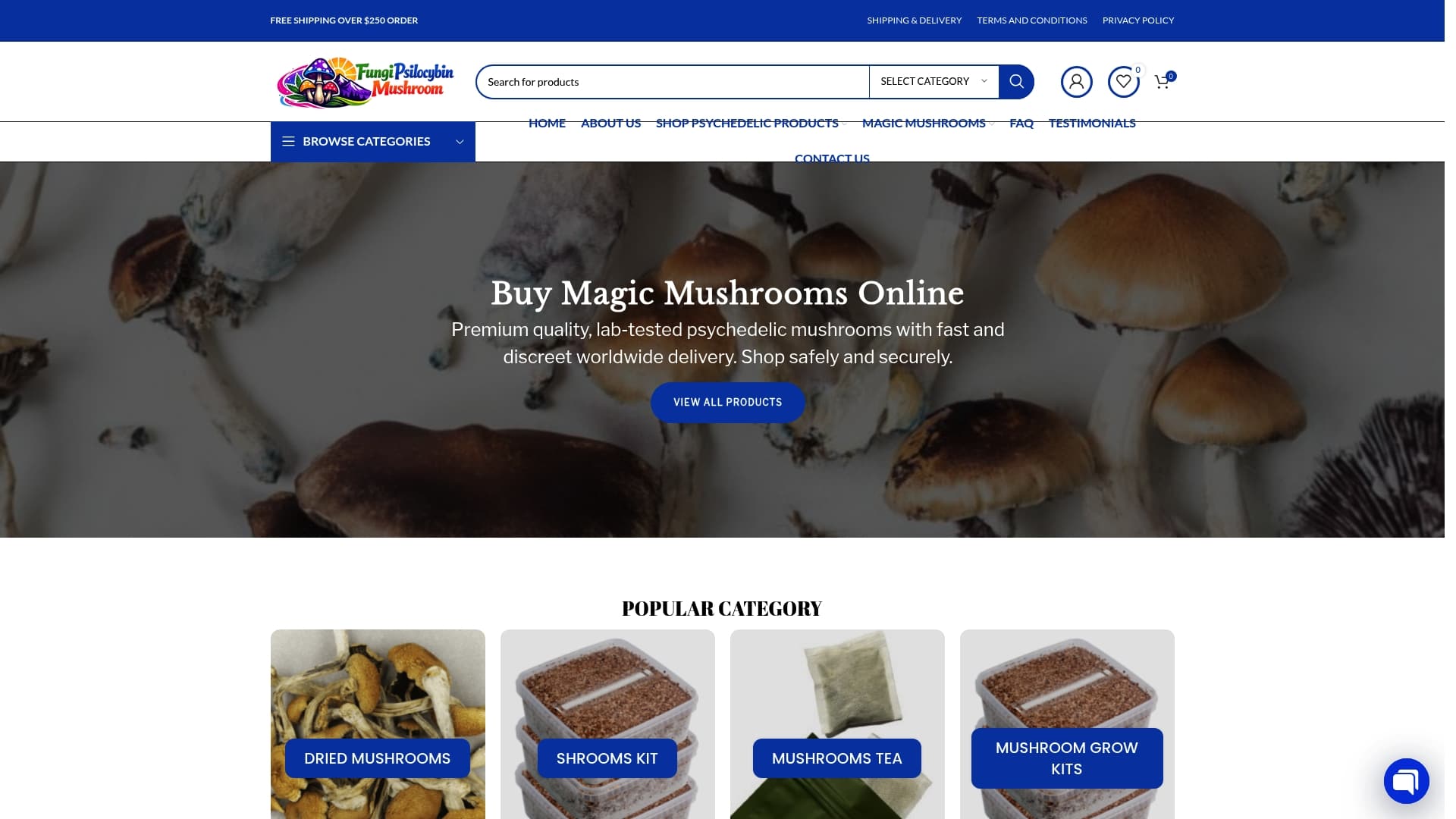
Choosing a lab-tested product doesn’t just verify potency. It lowers your true cost by cutting the odds of a wasted dose, a bad reaction, or a contaminated batch, the exact expenses that make a cheap street gram far less cheap in practice. Some sellers also publish educational resources on dosing and safe use to help you match strain potency to your intended experience before you buy. If you’re ready to compare potency-tested options directly, browse high-potency strain selections and check current batch documentation before placing an order.
This article is general information, not a substitute for advice from a qualified doctor. Consult a qualified healthcare professional about your own circumstances before acting on anything here.
Sources
- National Drug Intelligence Center — Psilocybin Fast Facts (DOJ archive)
- Long Island Interventions — How much is a gram of shrooms?
- Addiction Resource — Cost of psilocybin
FAQ
How Much Does Psychedelic Therapy Cost Per Gram?
Dried psilocybin mushrooms typically cost $7 to $20 per gram on the street, with eighths (3.5g) running $30 to $70 depending on strain and region.
Is Psychedelic Therapy Covered by Insurance?
No, psilocybin’s federal Schedule I status means personal-use psilocybin products are generally not covered by insurance plans, HSAs, or FSAs, so all costs typically come out of pocket.
Why Do Rare Strains Like Penis Envy Cost More?
Higher-potency strains often sell at a 30 to 50% premium over common strains like Golden Teacher because they require a smaller dose to achieve the same effect and are harder to cultivate.
Are Grow Kits Cheaper Than Buying Dried Mushrooms?
Grow kits cost $50 to $150 upfront but can yield several ounces if successful, lowering the long-term per-gram cost well below street prices, though yields vary and failed grows waste the entire investment.
What’s the Biggest Hidden Cost in Psilocybin Purchases?
Legal exposure is usually the largest hidden cost, since a possession charge can mean court fees, legal representation, and a lasting record far exceeding the product’s purchase price.
Does Fungi Psilocybin Mushroom Offer Lab-Tested Options?
Some vendors offer lab-tested strain selections alongside microdosing capsules and grow kits, paired with educational resources on dosing and safe use.