
Blog
Psychiatric Medications Treatment

Psychiatric Medications Treatment
What You Should Know About Psychiatric Medications Treatment
If you or someone you care about is dealing with a mental health condition, you’ve probably heard that medication might be part of the picture. But knowing what these medications actually do, how they work, and what to expect can feel like a lot to sort through on your own.
This guide is for anyone navigating psychiatric medications treatment for the first time, or trying to make more sense of a treatment plan already in place. That includes patients, caregivers, and anyone who just wants a straight-up explanation without the medical jargon.
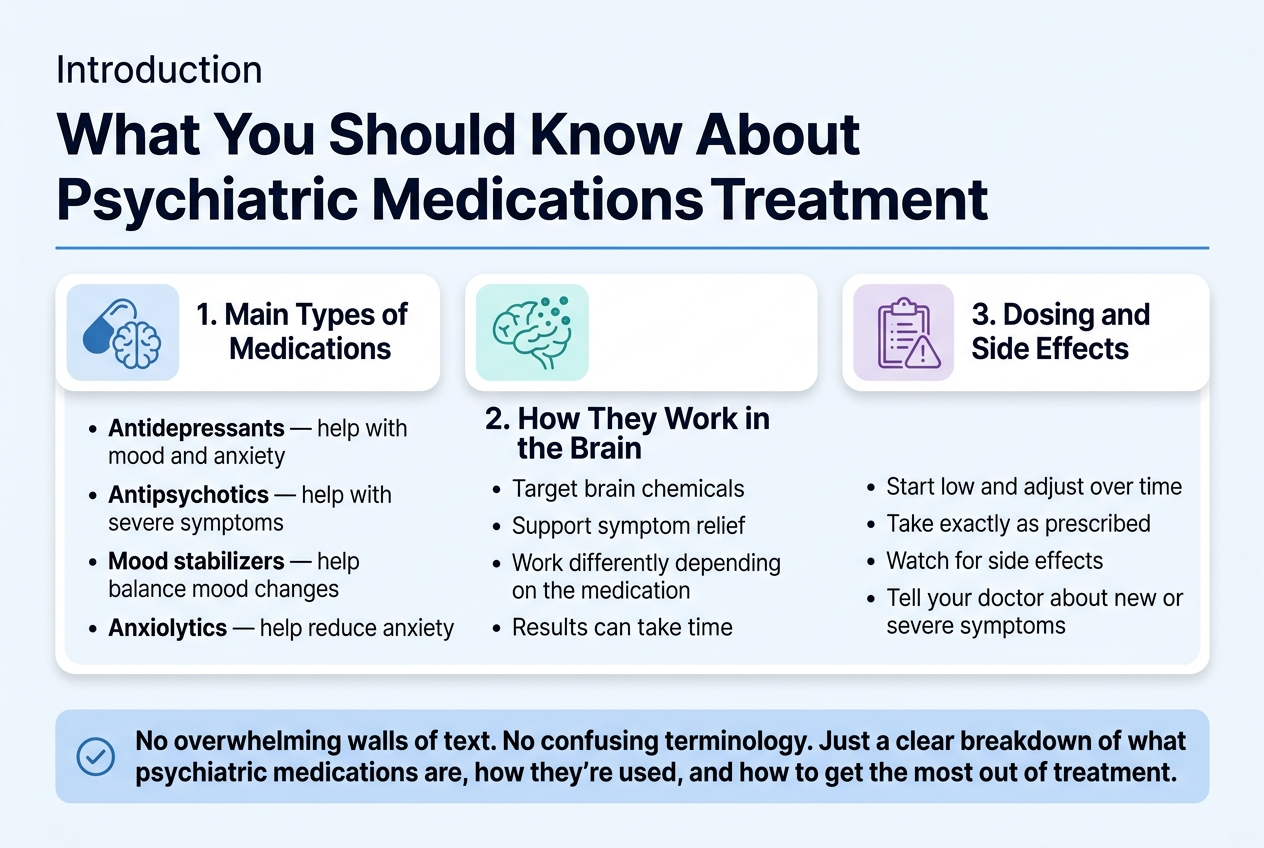
Here’s what we’ll walk through together:
-
The main types of psychiatric medications — from antidepressants to antipsychotics — and what each one is actually designed to do
-
How these medications interact with the brain, including which chemicals they target and why that matters for your symptoms
-
How dosing works and what side effects to watch for, so you know what’s normal and when to flag something with your doctor
No overwhelming walls of text. No confusing terminology. Just a clear breakdown of what psychiatric medications are, how they’re used, and how to get the most out of treatment.
Understanding Psychiatric Medications and Their Purpose
How Psychiatric Medications Balance Brain Chemistry
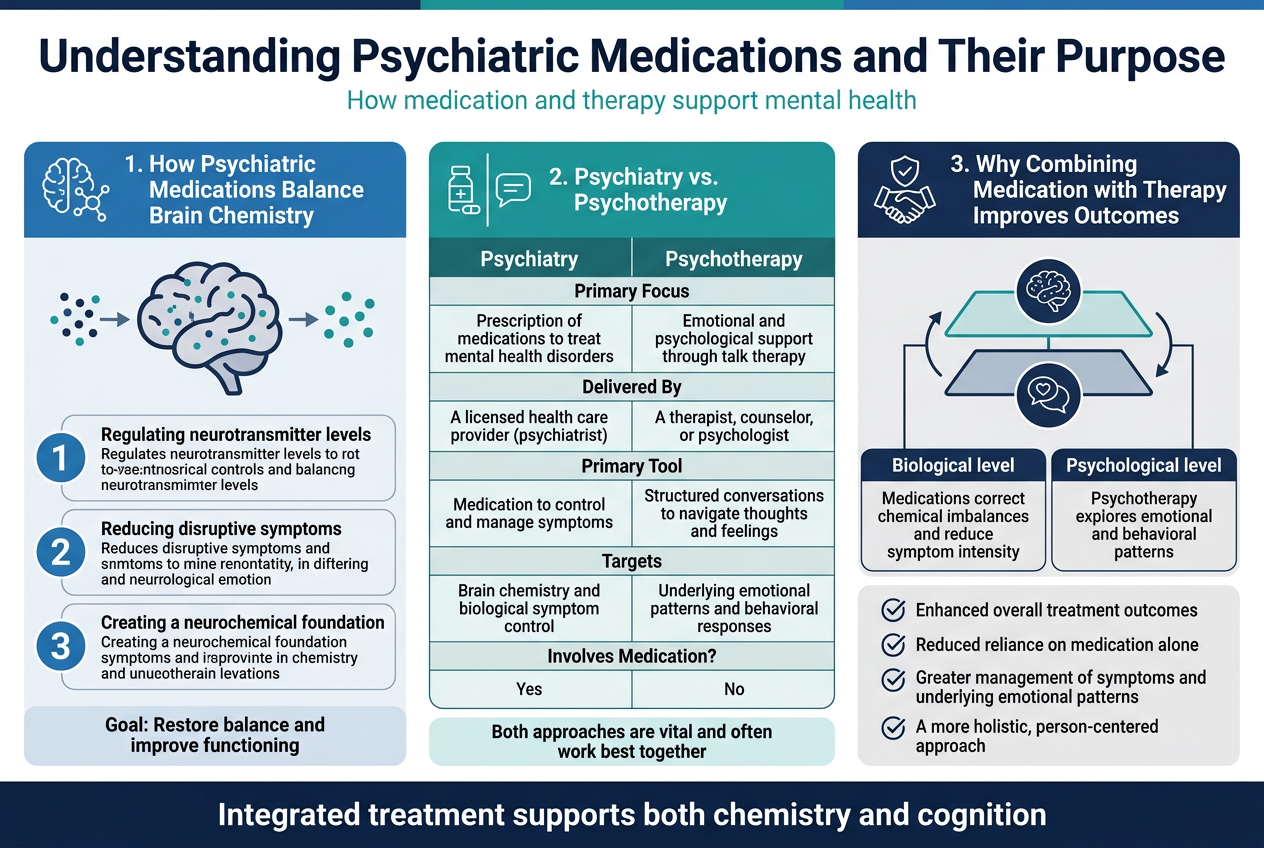
Psychiatric medications work by targeting the brain’s complex chemical environment to restore balance and improve mental health functioning. The brain relies on a network of neurotransmitters — chemical messengers that regulate emotions, thought patterns, mood, and behavior. When these chemicals fall out of balance, symptoms of mental health disorders such as depression, anxiety, or psychosis can emerge.
Psychiatric medications treatment addresses these imbalances directly by either increasing or decreasing the availability of specific neurotransmitters, enabling the brain to regulate emotions and cognitive processes more effectively. This chemical recalibration helps individuals manage symptoms that would otherwise interfere significantly with daily functioning, relationships, and overall quality of life.
Key ways psychiatric medications restore brain chemistry include:
-
Regulating neurotransmitter levels to stabilize mood and emotional responses
-
Reducing the severity of disruptive symptoms such as hallucinations, extreme anxiety, or persistent low mood
-
Creating a neurochemical foundation that supports clearer thinking and healthier emotional patterns
The Difference Between Psychiatry and Psychotherapy
With this in mind, it is equally important to understand how psychiatry and psychotherapy differ, as both play distinct but complementary roles in mental health care.
| Feature | Psychiatry | Psychotherapy |
|---|---|---|
| Primary Focus | Prescription of medications to treat mental health disorders | Emotional and psychological support through talk therapy |
| Delivered By | A licensed health care provider (psychiatrist) | A therapist, counselor, or psychologist |
| Primary Tool | Medication to control and manage symptoms | Structured conversations to navigate thoughts and feelings |
| Targets | Brain chemistry and biological symptom control | Underlying emotional patterns and behavioral responses |
| Involves Medication? | Yes | No |
Psychiatry primarily involves the evaluation, diagnosis, and prescription of medications by a qualified health care provider to treat mental health disorders and bring symptoms under control. It approaches mental health from a biological and medical perspective, acknowledging that many conditions have a neurochemical basis that requires pharmaceutical intervention.
Psychotherapy, commonly referred to as talk therapy, takes a fundamentally different approach. Rather than targeting brain chemistry, it focuses on providing emotional and psychological support. Through structured dialogue, individuals are guided to better understand and navigate their feelings, thoughts, and behavioral patterns — all without the use of medication.
Both approaches serve a vital purpose, yet neither is universally sufficient on its own for every individual. Recognizing this distinction is the first step toward understanding why integrated treatment strategies are often the most effective.
Why Combining Medication with Therapy Improves Outcomes
Previously, mental health treatment often relied on either medication or therapy alone. Now that we have covered the distinct roles each approach plays, it becomes clear why combining the two consistently leads to better outcomes for individuals undergoing psychiatric medications treatment.
When medication and psychotherapy are used together, they create a powerful dual approach that addresses mental health conditions on two critical levels simultaneously:
-
Biological level — Medications correct the underlying chemical imbalances in the brain, reducing the intensity of symptoms and creating neurochemical stability.
-
Psychological level — Psychotherapy helps individuals explore and work through the emotional and behavioral patterns that contribute to or result from their condition.
This combined strategy ensures that neither the root causes nor the surface-level symptoms are left unaddressed. For example, while medication may reduce the overwhelming weight of depression, therapy equips individuals with the tools to identify negative thought cycles and develop healthier coping mechanisms.
The benefits of combining medication with therapy include:
-
Enhanced overall treatment outcomes by addressing both chemistry and cognition
-
Reduced reliance on medication alone, as therapy builds long-term psychological resilience
-
Greater management of both symptoms and underlying emotional patterns, leading to more sustainable recovery
-
A more holistic, person-centered approach that acknowledges the full complexity of mental health
With this in mind, next, we’ll explore the common types of psychiatric medications available and how each one works within the brain to produce its therapeutic effects.
Common Types of Psychiatric Medications and How They Work
Antidepressants for Managing Depression and Anxiety
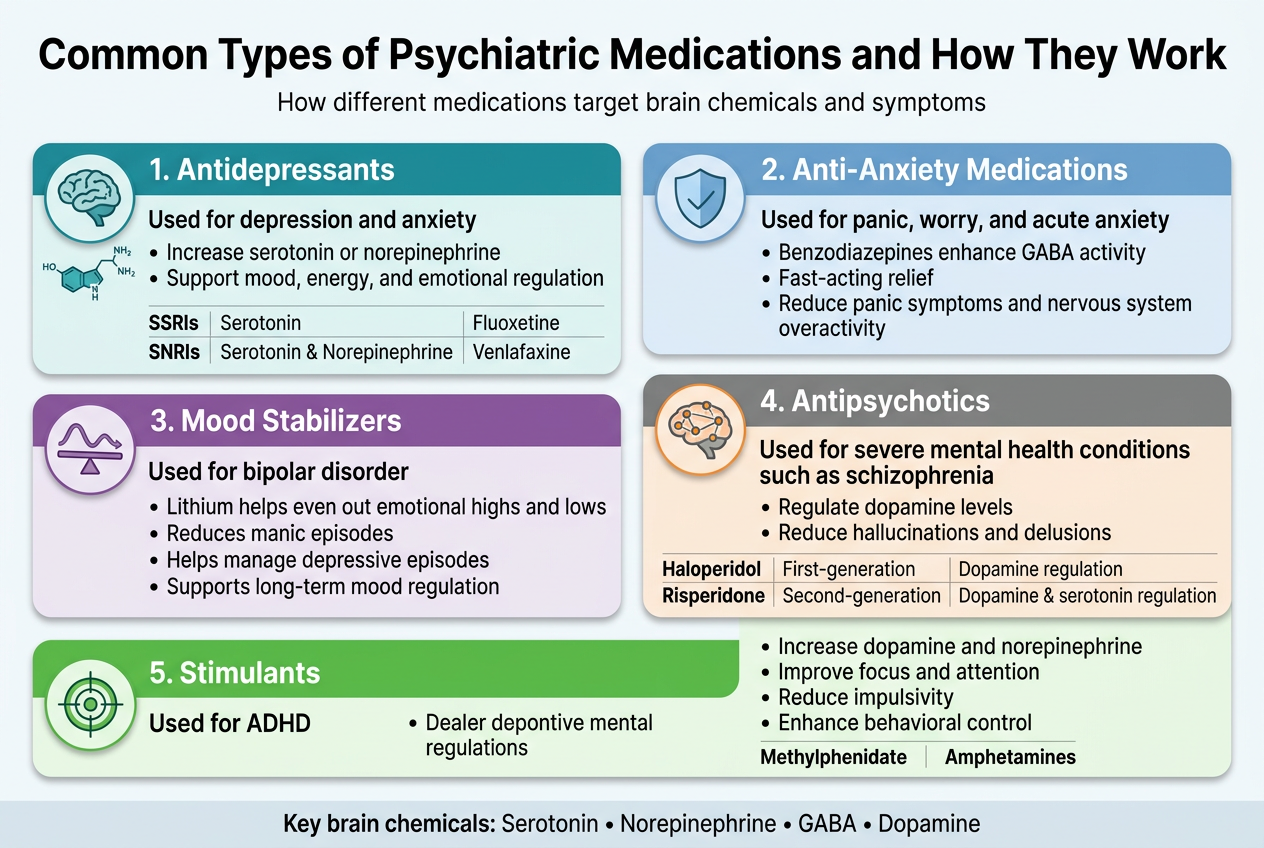
Antidepressants are among the most frequently prescribed medications in psychiatric medications treatment. They are primarily used to address depression and anxiety by targeting specific neurotransmitters in the brain. Most antidepressants work by increasing the availability of serotonin or norepinephrine — two key chemicals responsible for regulating mood, energy, and emotional responses.
Two of the most well-known classes include:
-
SSRIs (Selective Serotonin Reuptake Inhibitors): Examples include fluoxetine, which works by blocking the reabsorption of serotonin, allowing more of it to remain active in the brain.
-
SNRIs (Serotonin-Norepinephrine Reuptake Inhibitors): Examples include venlafaxine, which targets both serotonin and norepinephrine simultaneously for a broader therapeutic effect.
| Medication Class | Primary Target | Common Example |
|---|---|---|
| SSRIs | Serotonin | Fluoxetine |
| SNRIs | Serotonin & Norepinephrine | Venlafaxine |
These medications are typically considered a cornerstone of psychiatric medications treatment due to their widespread effectiveness across both depressive and anxiety-related disorders.
Anti-Anxiety Medications for Reducing Panic and Worry
With this in mind, next, we’ll look at anti-anxiety medications, which serve a distinct but equally important role in managing mental health. These medications are specifically designed to reduce symptoms of panic, excessive worry, and acute anxiety episodes.
Benzodiazepines are one of the most commonly used anti-anxiety medications. They work by enhancing the activity of GABA (gamma-aminobutyric acid), a naturally occurring brain chemical that promotes relaxation and calms overactive neural activity. When GABA levels are boosted, the nervous system slows down, producing a sedating and anxiety-reducing effect.
Key characteristics of anti-anxiety medications:
-
Fast-acting: Benzodiazepines often provide relatively quick relief from acute panic symptoms.
-
Mechanism: They increase GABA activity to suppress heightened nervous system responses.
-
Applications: Commonly used for panic disorder, generalized anxiety disorder, and situational anxiety.
Mood Stabilizers for Balancing Emotional Highs and Lows
Now that we have covered anti-anxiety medications, it is equally important to understand mood stabilizers and their critical role in psychiatric medications treatment. Mood stabilizers are primarily prescribed for individuals diagnosed with bipolar disorder, a condition characterized by extreme emotional fluctuations — including manic highs and depressive lows.
Lithium is perhaps the most well-recognized mood stabilizer in clinical psychiatry. It works to even out these dramatic emotional swings, helping patients maintain a more consistent and manageable emotional baseline.
Benefits of mood stabilizers include:
-
Reducing manic episodes: Preventing periods of extreme elevated mood, impulsive behavior, and reduced need for sleep.
-
Managing depressive episodes: Helping to lift and stabilize persistent low moods.
-
Long-term mood regulation: Supporting sustained emotional balance over time.
Mood stabilizers represent a vital component of long-term psychiatric medications treatment for individuals whose conditions involve persistent emotional dysregulation.
Antipsychotics for Treating Severe Mental Health Conditions
Previously, I’ve discussed medications that target mood and anxiety. Antipsychotics, however, are designed to address some of the most severe and complex mental health conditions, most notably schizophrenia. These medications work by regulating dopamine levels in the brain — a neurotransmitter that, when overactive in certain brain pathways, is closely associated with symptoms such as hallucinations and delusions.
Common antipsychotic medications include:
-
Haloperidol: A first-generation antipsychotic that has long been used to control severe psychotic symptoms.
-
Risperidone: A newer-generation antipsychotic that targets both dopamine and serotonin receptors for a more balanced effect.
| Medication | Generation | Primary Action |
|---|---|---|
| Haloperidol | First-generation | Dopamine regulation |
| Risperidone | Second-generation | Dopamine & serotonin regulation |
By targeting dopamine pathways, antipsychotics significantly reduce the intensity of hallucinations and delusional thinking, allowing individuals to function more effectively in daily life.
Stimulants for Improving Focus and Managing ADHD
With this in mind, the final major category in psychiatric medications treatment involves stimulants, which are primarily prescribed for Attention Deficit Hyperactivity Disorder (ADHD). Unlike the sedating effects associated with some other psychiatric medications, stimulants work by increasing neural activity in specific brain regions responsible for attention and impulse control.
Stimulants enhance the activity of both dopamine and norepinephrine, two neurotransmitters that play a critical role in regulating focus, motivation, and behavioral control. By boosting these chemicals, stimulants help individuals with ADHD improve their concentration and reduce impulsive behaviors.
Commonly used stimulants include:
-
Methylphenidate: One of the most widely prescribed stimulants for ADHD management.
-
Amphetamines: Another class of stimulants that similarly enhance dopamine and norepinephrine activity.
Key benefits of stimulant medications for ADHD:
-
Improved focus and attention: Helping individuals stay on task for longer periods.
-
Reduced impulsivity: Decreasing the tendency to act without thinking.
-
Enhanced behavioral control: Supporting better self-regulation in both academic and social settings.
Stimulants remain a fundamental tool within psychiatric medications treatment, offering measurable improvements in daily functioning for those managing ADHD.
How Psychiatric Medications Target the Brain
The Role of Neurotransmitters Like Serotonin, Dopamine, and Norepinephrine
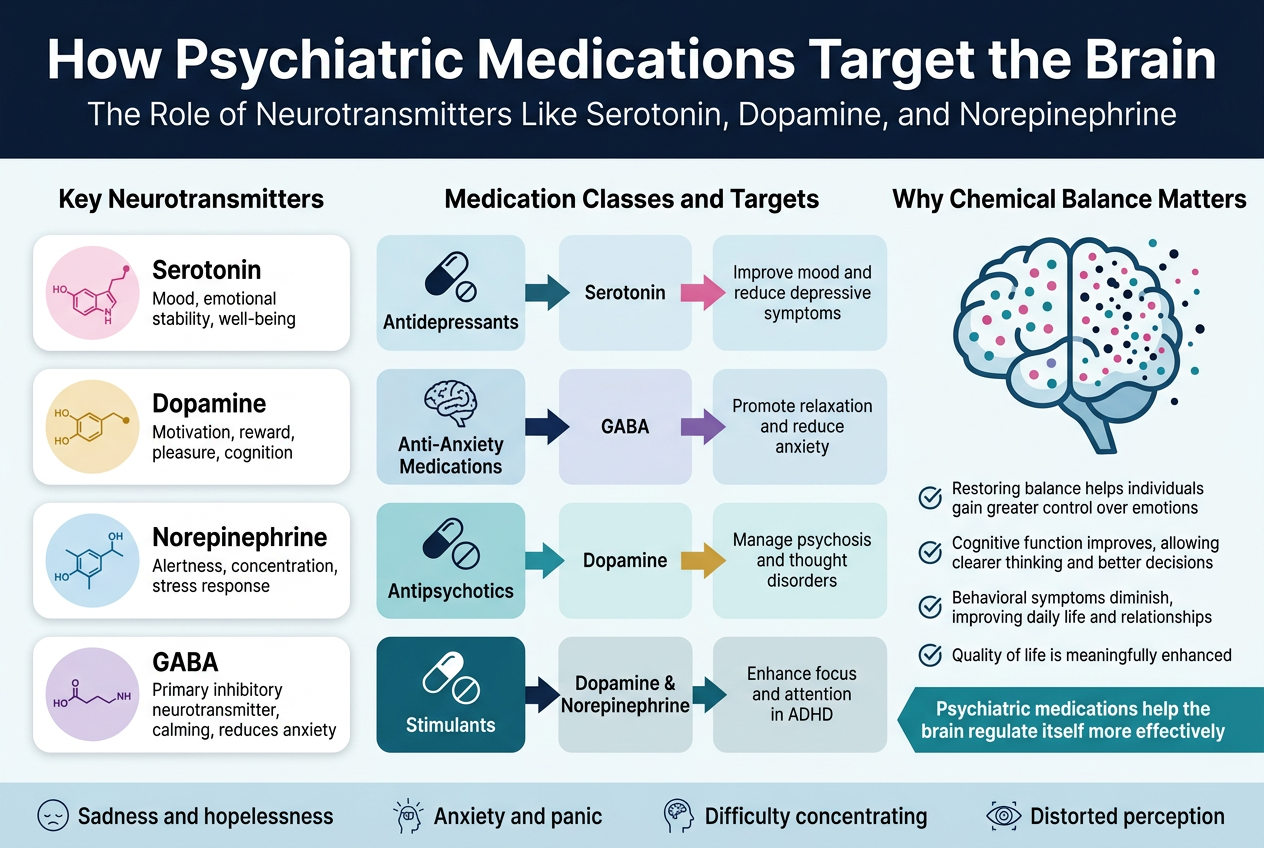
At the core of psychiatric medications treatment lies a fundamental understanding of how the brain communicates with itself. The brain relies on chemical messengers — known as neurotransmitters — to regulate virtually every aspect of mood, behavior, and thought. When these messengers fall out of balance, mental health disorders can emerge. Psychiatric medications are specifically designed to target and influence these key neurotransmitters to restore healthy brain function.
The primary neurotransmitters involved in mental health include:
-
Serotonin – Often referred to as the “feel-good” chemical, serotonin plays a central role in regulating mood, emotional stability, and overall sense of well-being. Low serotonin levels are closely associated with depression and anxiety disorders.
-
Dopamine – This neurotransmitter is deeply connected to motivation, reward, pleasure, and cognitive function. Imbalances in dopamine activity are linked to conditions such as schizophrenia, bipolar disorder, and ADHD.
-
Norepinephrine – Also known as noradrenaline, this chemical influences alertness, concentration, and the body’s stress response. Dysregulation of norepinephrine is associated with depression and attention-related disorders.
-
GABA (Gamma-Aminobutyric Acid) – GABA functions as the brain’s primary inhibitory neurotransmitter, helping to calm neural activity and reduce feelings of anxiety and tension.
By understanding how these neurotransmitters function, clinicians can make more informed decisions about which psychiatric medications are most likely to produce positive outcomes for individual patients.
How Different Medication Classes Address Specific Symptoms
Now that we have covered the role of key neurotransmitters, it’s important to understand how specific classes of psychiatric medications are engineered to act on these chemicals to target distinct symptoms.
| Medication Class | Primary Neurotransmitter Targeted | Primary Use |
|---|---|---|
| Antidepressants | Serotonin | Improve mood and reduce depressive symptoms |
| Anti-Anxiety Medications | GABA | Promote relaxation and reduce anxiety |
| Antipsychotics | Dopamine | Manage severe thought disorders and psychosis |
| Stimulants | Dopamine & Norepinephrine | Enhance focus and attention in ADHD |
Here is a closer look at how each class works:
-
Antidepressants work by increasing the availability of serotonin in the brain. By preventing the reabsorption (reuptake) of serotonin between nerve cells, these medications allow more serotonin to remain active in the brain, which gradually lifts mood and reduces the weight of depressive episodes.
-
Anti-Anxiety Medications boost the activity of GABA, the brain’s natural calming agent. By enhancing GABAergic transmission, these medications help quiet overactive neural circuits that fuel feelings of worry, fear, and panic, providing meaningful relief to individuals struggling with anxiety disorders.
-
Antipsychotics primarily regulate dopamine pathways that, when dysregulated, can lead to severe disruptions in thought patterns, perception, and reality testing. By modulating dopamine activity, antipsychotics help manage symptoms such as hallucinations, delusions, and disorganized thinking associated with conditions like schizophrenia.
-
Stimulants increase the levels of both dopamine and norepinephrine in the brain, enhancing the ability to focus, organize thoughts, and regulate impulse control. These medications are particularly effective in managing the core symptoms of ADHD, where these neurotransmitter systems are underactive.
With this in mind, it becomes clear that the precision of psychiatric medications treatment lies in matching the right medication class to the specific neurochemical imbalance driving a patient’s symptoms.
The Importance of Restoring Chemical Balance for Emotional Well-Being
Previously, we explored how neurotransmitters malfunction and how different medication classes intervene. Next, we’ll see why restoring this delicate chemical balance is so profoundly important for a patient’s overall emotional well-being.
Mental health disorders are, at their biological core, disorders of chemical communication within the brain. When neurotransmitter systems are out of balance, individuals often experience:
-
Persistent feelings of sadness, hopelessness, or emptiness
-
Uncontrollable anxiety, fear, or panic
-
Difficulty concentrating or making decisions
-
Distorted perceptions of reality
-
An inability to regulate emotional responses
Psychiatric medications treatment works to correct these imbalances, effectively giving the brain the tools it needs to function more as it should. When chemical balance is restored:
-
Individuals gain greater control over their emotions, reducing the intensity and frequency of mood episodes
-
Cognitive function improves, making it easier to think clearly and make sound decisions
-
Behavioral symptoms diminish significantly, allowing patients to re-engage with daily life, relationships, and responsibilities
-
Overall quality of life is meaningfully enhanced, as the burden of unmanaged symptoms is lifted
It is essential to recognize that restoring chemical balance is not about numbing emotions or altering a person’s fundamental character. Rather, it is about enabling the brain to regulate itself more effectively, so that individuals can experience emotions in a proportionate and manageable way.
The treatment of psychiatric conditions through targeted medications represents one of the most impactful advancements in modern medicine. By addressing the precise neurochemical disruptions that underlie mental health disorders, these treatments empower individuals to lead more stable, fulfilling, and emotionally balanced lives.
Prescribing and Dosage Strategies for Safe and Effective Treatment
A. Starting With a Low Dose to Minimize Risks
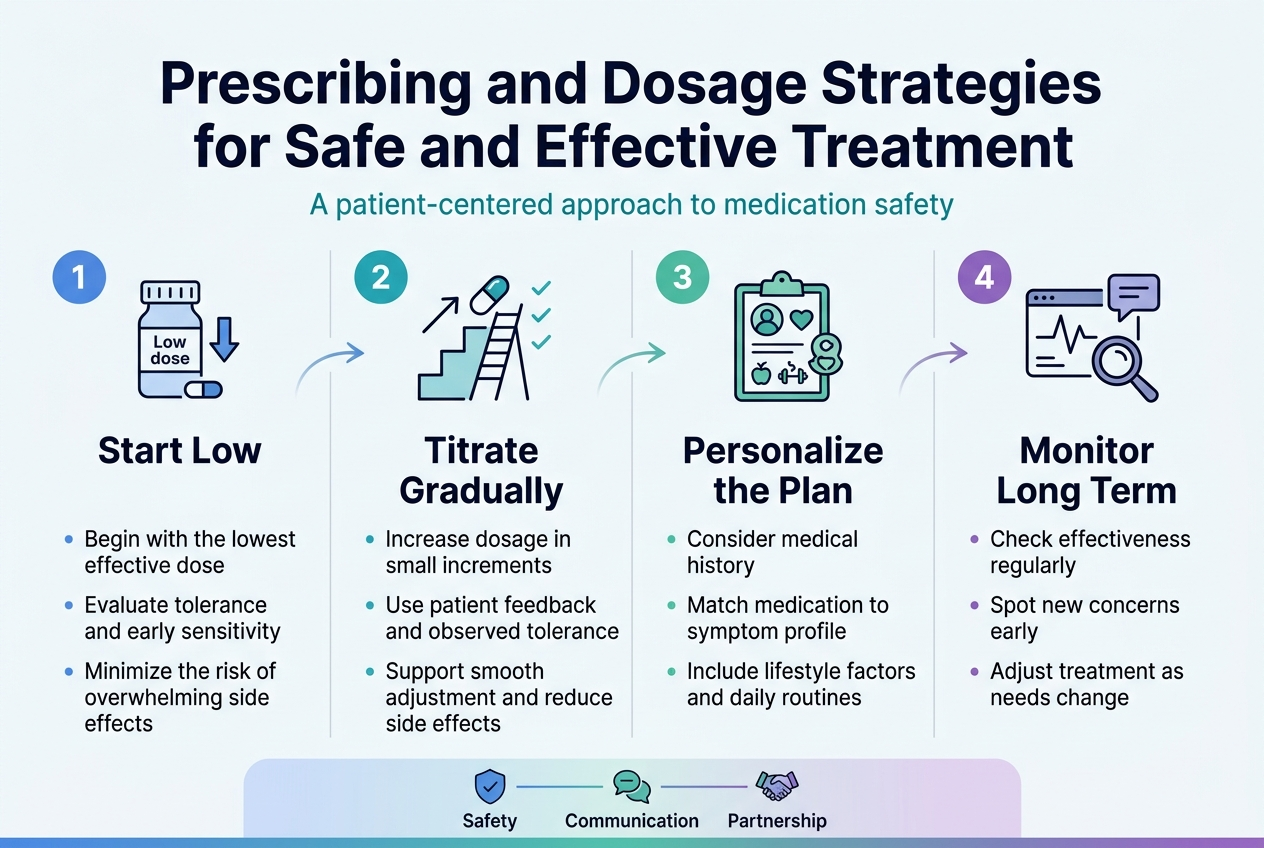
When it comes to psychiatric medications treatment, one of the most fundamental principles guiding safe prescribing is beginning with the lowest effective dose. Psychiatrists deliberately initiate treatment at a reduced dosage to carefully assess how an individual’s body responds to the medication. This cautious approach serves several critical purposes:
-
Evaluating tolerance: A lower starting dose helps identify early signs of sensitivity or adverse reactions before they escalate into serious concerns.
-
Minimizing potential risks: By introducing the medication gradually, the risk of experiencing overwhelming side effects is significantly reduced.
-
Tailoring the treatment: Since every patient’s physiology and mental health profile is unique, starting low allows psychiatrists to fine-tune the treatment from the very beginning, ensuring it aligns with each person’s specific needs.
This foundational step reflects a patient-first mindset, prioritizing safety and comfort above all else during the earliest stages of psychiatric medications treatment.
B. The Titration Process for Gradual and Safe Dosage Adjustments
With the low-dose foundation established, the next critical phase in psychiatric medications treatment is titration — a carefully managed process of incrementally increasing the dosage over time. Rather than jumping straight to a target dose, psychiatrists rely on patient feedback and observed tolerance levels to guide each upward adjustment.
The titration process offers several key advantages:
| Benefit | Description |
|---|---|
| Smooth bodily adjustment | Gradual increases give the brain and body adequate time to adapt to the medication’s effects. |
| Reduced side effect burden | Smaller, incremental changes lower the likelihood of triggering intense or disruptive side effects. |
| Improved patient cooperation | Patients who experience fewer early adverse effects are more likely to remain committed to their treatment plan. |
| Data-driven decision making | Ongoing patient feedback at each stage gives psychiatrists valuable real-time insights to guide the next dose adjustment. |
Throughout this process, open communication between the patient and their psychiatrist is absolutely essential. Any changes in mood, physical sensations, or daily functioning must be reported promptly so that dosage decisions remain informed, precise, and safe.
C. Building Personalized Treatment Plans Based on Individual Needs
Now that we have covered how dosages are started and adjusted, it is equally important to understand why a one-size-fits-all approach simply does not work in psychiatric medications treatment. Every individual responds differently to medication, and this biological and psychological variability makes personalized treatment planning not just beneficial — but absolutely necessary.
When developing a customized plan, psychiatrists take into account a wide range of patient-specific factors, including:
-
Medical history: Pre-existing conditions and previous medication experiences can significantly influence how a person responds to psychiatric drugs.
-
Symptom profile: The nature, severity, and duration of a patient’s symptoms directly inform which medication class and dosage range are most appropriate.
-
Lifestyle considerations: Daily routines, dietary habits, and other personal factors may affect medication absorption, efficacy, and tolerability.
By integrating all of these elements, psychiatrists craft a treatment strategy that is uniquely suited to the individual — one that addresses their mental health challenges while respecting their broader health picture. This personalized approach is what elevates psychiatric medications treatment from a generic prescription process into a truly therapeutic and patient-centered practice.
D. Ongoing Monitoring to Ensure Long-Term Effectiveness
Previously, we explored how treatment plans are built and dosages are carefully adjusted. However, psychiatric medications treatment does not end once a stable dose is reached. Ongoing monitoring through consistent and regular check-ins remains a vital component of ensuring long-term success.
Sustained monitoring serves several important functions:
-
Tracking treatment effectiveness: Regular evaluations help determine whether the medication continues to adequately manage symptoms over time or whether adjustments are needed.
-
Identifying new concerns early: As a patient’s health status, lifestyle, or circumstances evolve, new side effects or interactions may emerge that require prompt attention.
-
Making timely modifications: When symptoms shift or the current regimen becomes less effective, psychiatrists use the data gathered during monitoring sessions to recalibrate dosages or explore alternative approaches.
-
Supporting overall health improvement: Beyond symptom management, ongoing oversight contributes to the patient’s broader well-being, ensuring that psychiatric medications treatment continues to serve their long-term mental and physical health goals.
With this in mind, it becomes clear that the relationship between a patient and their psychiatrist is a dynamic, evolving partnership — one that requires sustained engagement, honest communication, and a shared commitment to achieving the best possible outcomes throughout the entire course of treatment.
Managing Side Effects and Risks During Treatment
Common Side Effects and Practical Ways to Handle Them
When navigating psychiatric medications treatment, understanding potential side effects is a critical part of the journey. While side effects can feel discouraging, many are temporary and tend to resolve naturally as the body adjusts to the medication over time.
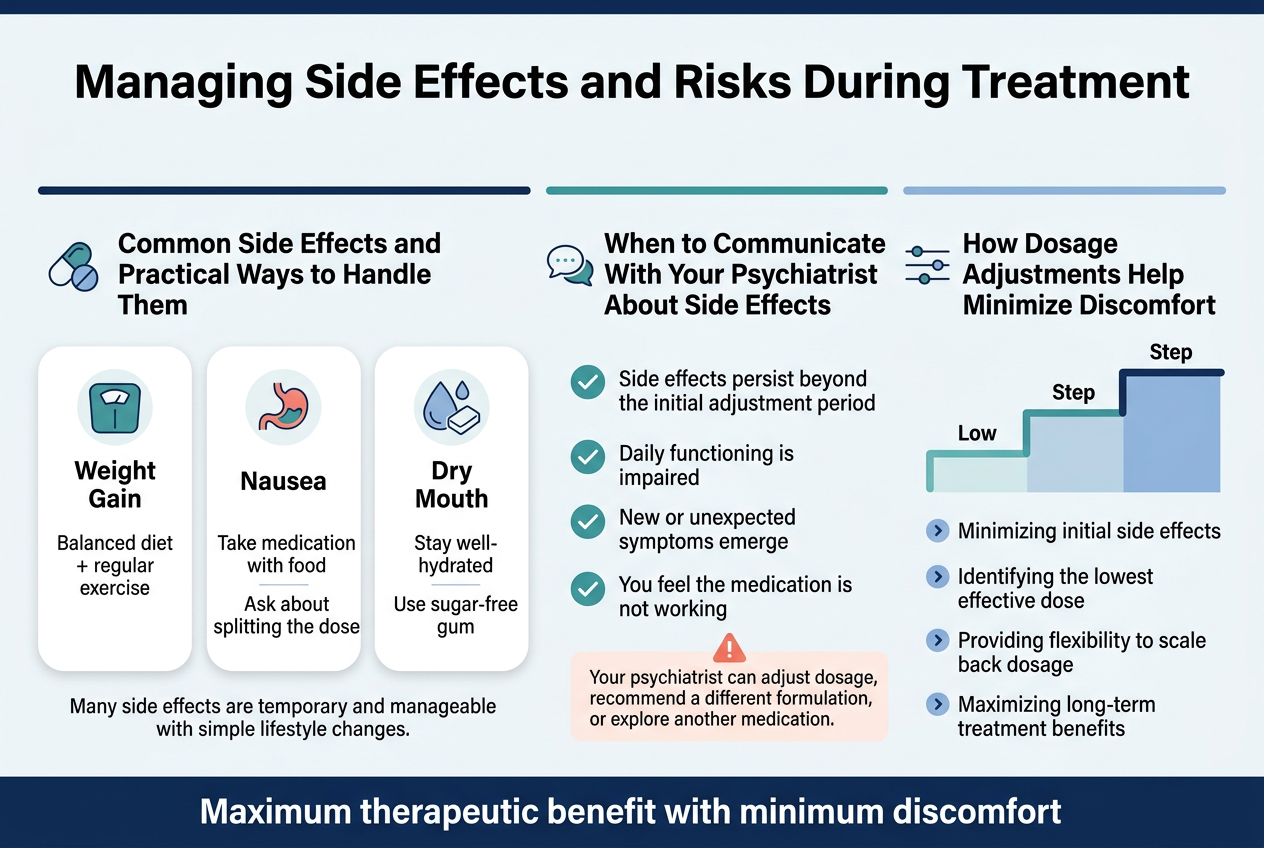
Here are some of the most commonly reported side effects and practical strategies for managing them:
| Side Effect | Practical Management Strategy |
|---|---|
| Weight Gain | Incorporate a balanced diet and regular exercise into your daily routine |
| Nausea | Take medication with food or ask your doctor about splitting the dose |
| Dry Mouth | Stay well-hydrated throughout the day and use sugar-free gum to stimulate saliva |
It is important to recognize that these side effects, while uncomfortable, are often manageable with simple lifestyle modifications. Rather than discontinuing medication on your own, working within a structured plan can make a significant difference in how you feel day to day.
When to Communicate With Your Psychiatrist About Side Effects
With this in mind, knowing when to reach out to your psychiatrist is just as important as knowing what side effects to expect. Open, ongoing communication is a cornerstone of effective psychiatric medications treatment.
You should communicate with your psychiatrist if:
-
Side effects persist beyond the initial adjustment period and do not resolve on their own
-
Daily functioning is impaired, such as difficulty working, sleeping, or maintaining relationships due to side effects
-
New or unexpected symptoms emerge after starting or changing a medication
-
You feel the medication is not working as intended alongside the side effect burden
Your psychiatrist can evaluate whether the side effects are temporary or indicative of a need for change. They may adjust your dosage, recommend a different formulation, or explore an entirely different medication altogether. Staying silent about what you are experiencing can lead to unnecessary discomfort and may compromise the overall effectiveness of your treatment plan.
How Dosage Adjustments Help Minimize Discomfort
Previously, we explored the types of side effects and when to raise concerns with your care provider. Now, let’s look at one of the most effective clinical tools for reducing those side effects: dosage adjustment.
A common and widely used approach in psychiatric medications treatment is titration — a method in which the prescribing psychiatrist starts you on a low dose and gradually increases it over time. This stepwise approach allows the body to acclimate to the medication slowly, which significantly reduces the likelihood and severity of side effects.
Key benefits of dosage adjustments include:
-
Minimizing initial side effects by avoiding sudden exposure to a full therapeutic dose
-
Identifying the lowest effective dose that provides symptom relief without unnecessary discomfort
-
Providing flexibility to scale back dosage if side effects become problematic at any stage
-
Maximizing long-term treatment benefits by ensuring the medication reaches an optimal therapeutic level at a pace the body can tolerate
Dosage strategies are never one-size-fits-all. What works for one patient may not work for another, which is why individualized titration plans crafted by a qualified psychiatrist are essential. Whether the adjustment involves reducing a dose temporarily or gradually escalating it, every modification serves the goal of balancing maximum therapeutic benefit with minimum discomfort.
Emerging Trends Shaping the Future of Psychiatric Medications
A. How Pharmacogenetic Testing Personalizes Medication Choices
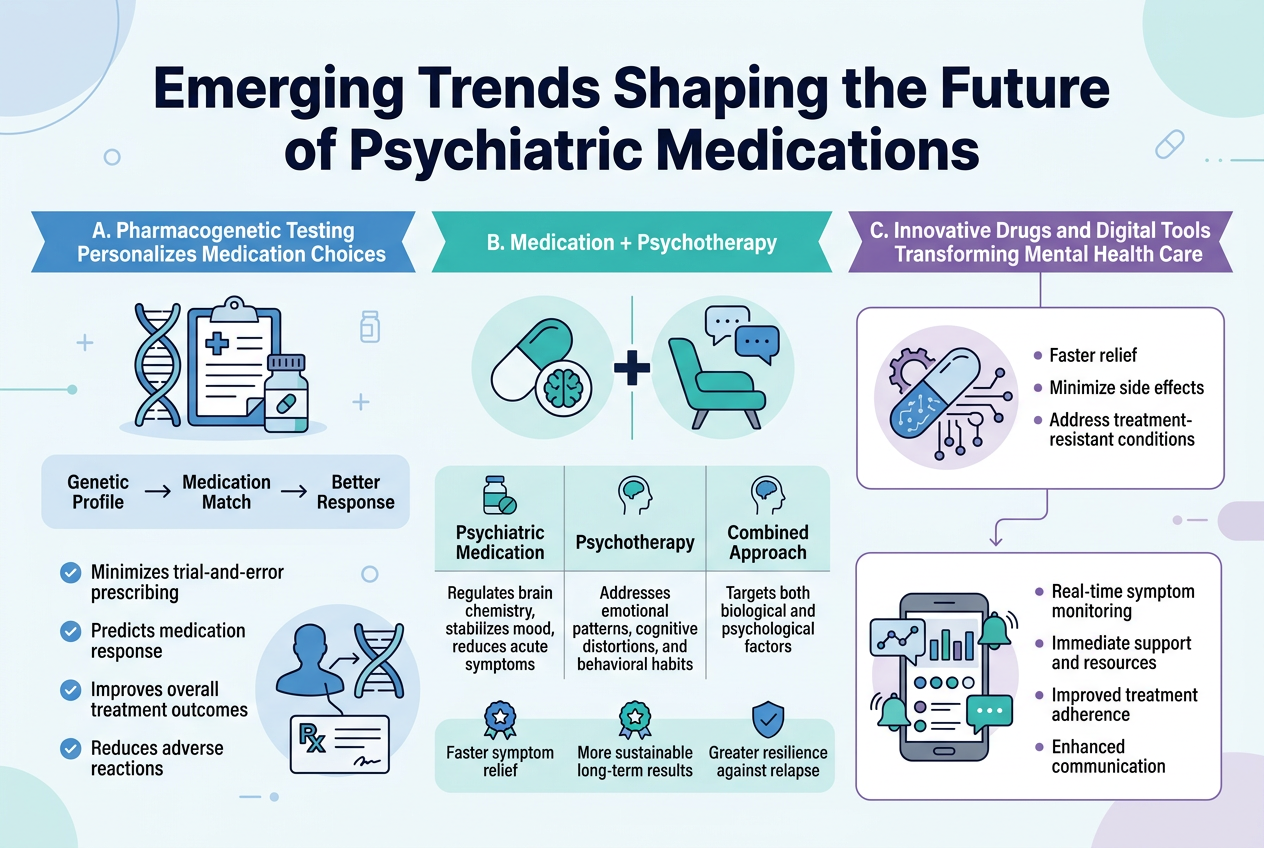
One of the most groundbreaking shifts in psychiatric medications treatment today is the rise of pharmacogenetic testing. Rather than relying on a generalized, one-size-fits-all approach, this innovative method analyzes an individual’s unique genetic profile to guide prescribing decisions. The result is a highly personalized treatment plan that takes the guesswork out of medication selection.
Traditionally, finding the right psychiatric medication often involved a frustrating cycle of trial and error — trying one drug, waiting weeks to assess its effectiveness, and then switching if the results were unsatisfactory. Pharmacogenetic testing disrupts this process entirely by predicting how a patient’s body is likely to respond to specific medications before the first dose is even taken.
Key benefits of pharmacogenetic testing in psychiatric medications treatment include:
-
Minimizing trial-and-error prescribing, reducing the time patients spend on ineffective treatments
-
Predicting medication response based on genetic markers, allowing for more informed clinical decisions
-
Improving overall treatment outcomes by matching patients with medications most compatible with their biology
-
Reducing adverse reactions by identifying genetic factors that may increase sensitivity to certain drugs
With this level of precision, clinicians can move beyond guesswork and toward a more evidence-based, patient-centered model of care. As genetic testing becomes more accessible and affordable, its integration into routine psychiatric practice is expected to grow significantly, marking a major milestone in how psychiatric medications treatment is delivered.
B. The Growing Role of Combining Medication and Psychotherapy
Now that we have covered the genetic frontier of treatment personalization, it is equally important to recognize that no single intervention works in isolation. The integration of medication with psychotherapy has emerged as one of the most powerful and clinically validated approaches in modern psychiatric medications treatment.
This combined approach works because medication and therapy each address different dimensions of mental health conditions:
| Component | Primary Function |
|---|---|
| Psychiatric Medication | Regulates brain chemistry, stabilizes mood, reduces acute symptoms |
| Psychotherapy | Addresses emotional patterns, cognitive distortions, and behavioral habits |
| Combined Approach | Targets both biological and psychological factors for comprehensive healing |
When medication brings brain chemistry into better balance, patients are often in a more stable state to fully engage with and benefit from therapeutic work. Conversely, psychotherapy equips individuals with coping strategies and emotional insights that reinforce the stability medication provides.
The outcomes of this dual strategy are compelling:
-
Faster symptom relief compared to either treatment used alone
-
More sustainable, long-term results as therapy addresses root psychological patterns
-
Greater resilience against relapse, since patients develop both chemical stability and psychological tools
This integrated model reflects a growing understanding in the mental health field that the brain and mind must be treated together, not in isolation. For patients undergoing psychiatric medications treatment, pairing medication with a structured therapeutic relationship consistently yields deeper, more lasting improvement.
C. Innovative Drugs and Digital Tools Transforming Mental Health Care
With this in mind, next, we will explore how cutting-edge pharmacological developments and digital innovations are collectively reshaping the landscape of psychiatric medications treatment.
Innovative Drugs Targeting Symptoms More Precisely
A new generation of psychiatric medications is being developed with a sharper focus on targeting specific symptoms rather than broadly affecting the entire neurological system. These next-generation drugs are designed to:
-
Offer faster relief from debilitating symptoms, reducing the weeks-long wait associated with many traditional psychiatric medications
-
Minimize side effects by acting more selectively on the brain’s receptor systems
-
Address treatment-resistant conditions that have historically been difficult to manage with existing medications
This level of specificity represents a significant leap forward, particularly for patients who have previously struggled to find effective treatment within the existing pharmacological options.
Digital Tools and Apps Supporting Real-Time Mental Health Management
Alongside pharmaceutical innovation, digital health tools are playing an increasingly vital role in supporting psychiatric medications treatment. Mental health apps and monitoring platforms are transforming how patients and clinicians track progress between appointments.
These digital tools offer several meaningful advantages:
-
Real-time symptom monitoring, giving clinicians more accurate, ongoing data rather than relying solely on periodic office visits
-
Immediate support and resources accessible to patients at any moment, including during difficult periods between sessions
-
Improved treatment adherence through reminders, mood tracking, and progress visualization
-
Enhanced communication between patients and their care teams, fostering more responsive adjustments to treatment plans
The convergence of innovative drug development and digital health technology signals a future where psychiatric medications treatment is not only more effective but also more responsive, accessible, and personalized than ever before.
7 FAQ
What exactly are psychiatric medications, and how do they work?
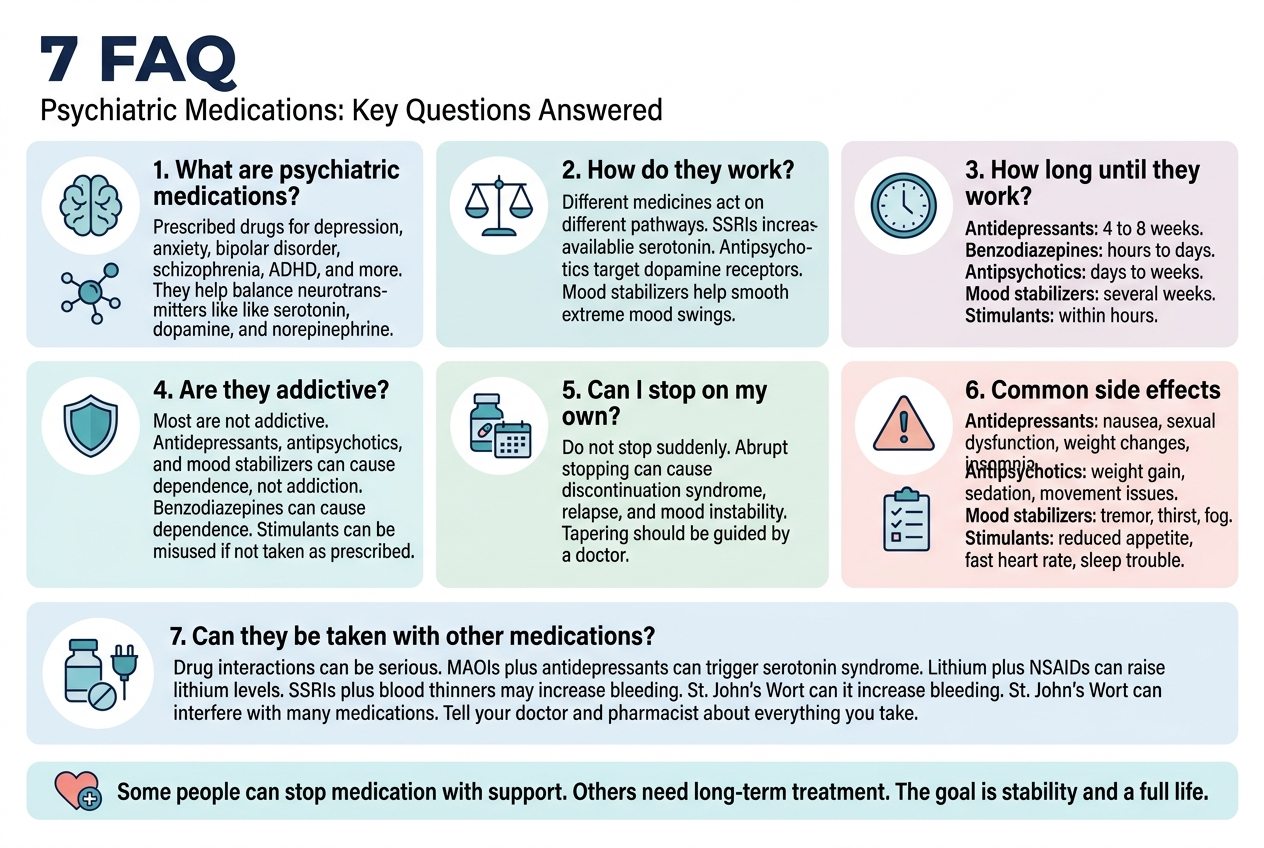
Psychiatric medications are drugs prescribed to help manage mental health conditions like depression, anxiety, bipolar disorder, schizophrenia, ADHD, and more. They work by influencing the chemical messengers in your brain — called neurotransmitters — such as serotonin, dopamine, and norepinephrine. When these chemicals are out of balance, symptoms like persistent sadness, racing thoughts, hallucinations, or extreme mood swings can show up. Psychiatric medications help bring those levels back into a range that allows the brain to function more steadily.
Different medications work through different pathways. For example, SSRIs block the reabsorption of serotonin so more of it stays available between nerve cells. Antipsychotics target dopamine receptors to reduce psychotic symptoms. Mood stabilizers like lithium work on multiple pathways to even out extreme emotional highs and lows.
How long does it take for psychiatric medications to start working?
This is one of the most common questions people have, and the honest answer is — it depends on the type of medication.
| Medication Type | Typical Time to Notice Effects |
|---|---|
| Antidepressants (SSRIs, SNRIs) | 4 to 8 weeks for full effect |
| Antianxiety medications (benzodiazepines) | Within hours to days |
| Antipsychotics | Days to a few weeks |
| Mood stabilizers | Several weeks |
| Stimulants (for ADHD) | Within hours |
Many people stop their antidepressants too early because they don’t feel a difference after a week. The brain needs time to adjust, and full therapeutic benefits often don’t kick in until the 4 to 6-week mark. Staying in close contact with your prescriber during this window is really important.
Are psychiatric medications addictive?
The short answer is that most psychiatric medications are not addictive, but there are some important nuances here.
-
Antidepressants, antipsychotics, and mood stabilizers do not cause addiction. Your body may become dependent on them over time, meaning stopping suddenly can cause withdrawal-like symptoms, but that’s physical dependence — not addiction.
-
Benzodiazepines (like Xanax, Valium, Klonopin) carry a real risk of dependence and should be used carefully and typically only for short periods.
-
Stimulant medications (like Adderall or Ritalin) have a potential for misuse, though when taken as prescribed for ADHD at appropriate doses, the risk is significantly lower.
The key distinction between dependence and addiction is that addiction involves compulsive drug-seeking behavior and loss of control. Most people on long-term psychiatric medications treatment don’t experience that.
Can I stop taking psychiatric medications on my own?
Stopping psychiatric medications without talking to your doctor first is generally not a good idea, even if you’re feeling great. Feeling better is often a sign the medication is working — not necessarily a sign you no longer need it.
Stopping abruptly can lead to:
-
Discontinuation syndrome — symptoms like dizziness, flu-like feelings, irritability, and brain “zaps,” especially with SSRIs and SNRIs
-
Relapse of the original mental health condition, sometimes more intense than before
-
Mood instability — especially serious with bipolar disorder medications like lithium or anticonvulsants
If you genuinely want to stop or switch medications, your doctor can help you taper gradually and monitor how your brain adjusts. This process can take weeks or even months depending on the medication and dosage.
What are the most common side effects of psychiatric Drugs?
Side effects vary widely depending on the specific drug, but some common ones include:
Antidepressants (SSRIs/SNRIs):
-
Nausea (usually early on)
-
Sexual dysfunction
-
Weight changes
-
Insomnia or drowsiness
-
Headaches
Antipsychotics:
-
Weight gain
-
Sedation
-
Movement-related issues (tremors, stiffness)
-
Metabolic changes
Mood stabilizers (Lithium):
-
Tremors
-
Increased thirst/urination
-
Cognitive fog
-
Thyroid or kidney effects with long-term use
Stimulants:
-
Reduced appetite
-
Elevated heart rate
-
Sleep difficulties
-
Mild anxiety
Side effects don’t affect everyone the same way. Some people experience almost none, while others have a rough adjustment period. Communicating openly with your prescriber about what you’re experiencing allows them to adjust dosages or switch medications if needed.
Can psychiatric medications be taken alongside other medications or supplements?
Drug interactions are a real and serious concern in psychiatric medications. Some combinations can reduce the effectiveness of a medication or, in rare cases, create dangerous outcomes.
Things to watch for:
-
MAOIs + other antidepressants — can cause serotonin syndrome, which is a potentially life-threatening condition
-
Lithium + NSAIDs (like ibuprofen) — NSAIDs can raise lithium levels in the blood to toxic ranges
-
SSRIs + blood thinners — may increase bleeding risk
-
St. John’s Wort (an over-the-counter herbal supplement) — can interfere with many psychiatric medications, particularly SSRIs
Always tell your prescribing doctor about every supplement, vitamin, or medication you’re taking — even if it seems unrelated. Pharmacists are also an incredibly underused resource when it comes to checking for interactions.
Is it possible to live without psychiatric medications once you’ve been on them?
Yes, for many people it is — but not for everyone, and there’s no shame in either direction.
Some conditions, like a single episode of major depression triggered by a major life event, may be treatable short-term. After a period of stability combined with therapy, some people are able to taper off medication successfully and maintain their mental health through lifestyle strategies, therapy, and strong support systems.
Other conditions, like schizophrenia, bipolar I disorder, or treatment-resistant depression, often require long-term or lifetime medication management. Trying to go without medication in these cases can carry serious risks.
The decision always depends on:
-
The specific diagnosis and how severe it has been
-
How many episodes someone has had
-
Response to therapy and lifestyle changes
-
Personal history and risk factors
-
Close collaboration with a psychiatrist
There’s no one-size-fits-all answer. The goal of psychiatric medications treatment is to help people lead full, stable lives — and for some people, medication is a permanent part of that plan, just like insulin is for a diabetic.
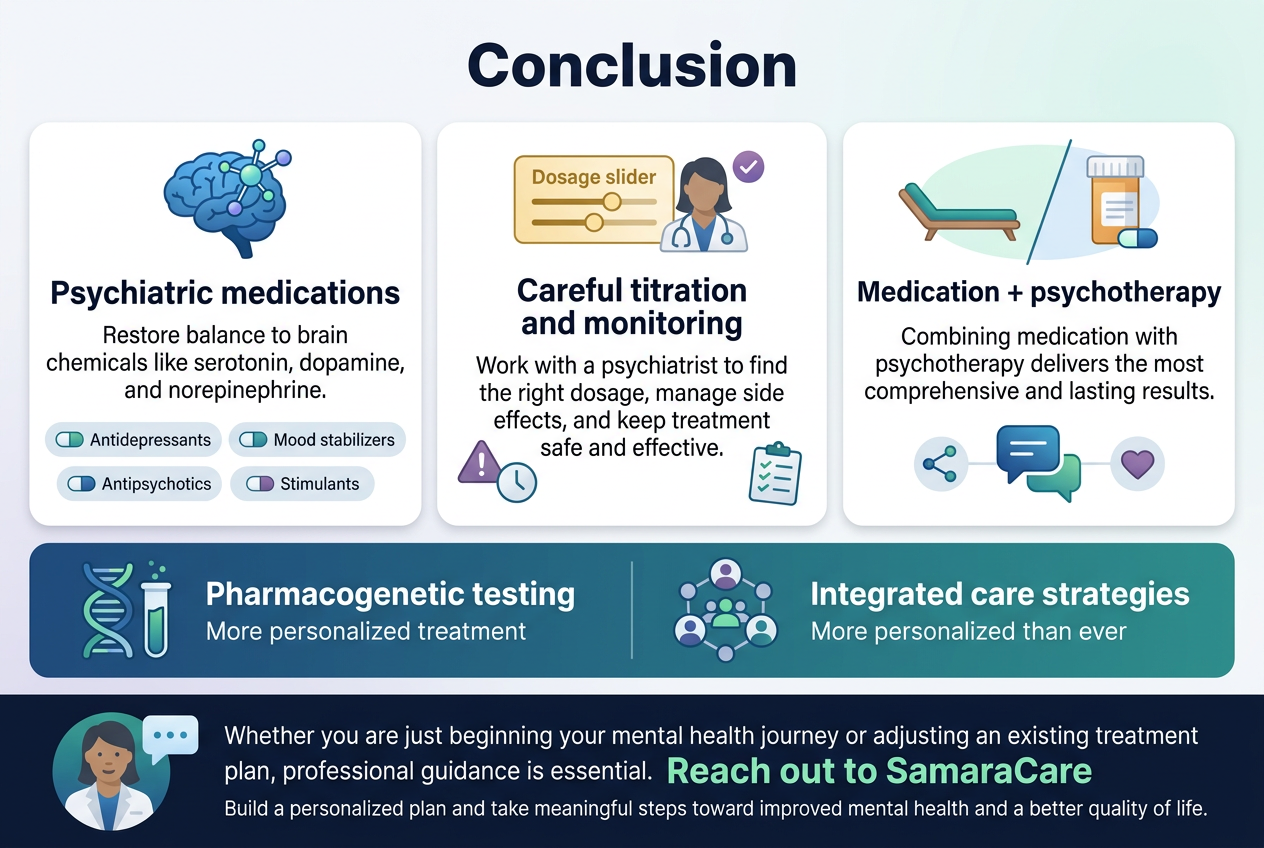
Psychiatric medications play a vital role in managing mental health conditions by restoring balance to brain chemicals like serotonin, dopamine, and norepinephrine. From antidepressants and mood stabilizers to antipsychotics and stimulants, each medication class serves a specific purpose. Working with a psychiatrist to determine the right dosage through careful titration, while monitoring and managing side effects, ensures treatment is both safe and effective. Combining medication with psychotherapy continues to deliver the most comprehensive and lasting results.
The future of psychiatric treatment is evolving with promising advances like pharmacogenetic testing and integrated care strategies that make treatment more personalized than ever. Whether you are just beginning your mental health journey or adjusting an existing treatment plan, professional guidance is essential. Reaching out to a qualified psychiatric care provider, like those at SamaraCare, can help you navigate your options, build a personalized plan, and take meaningful steps toward improved mental health and a better quality of life.