Blog
Can Psychedelic Mushrooms Help With Anxiety

Can psychedelic mushrooms help with anxiety
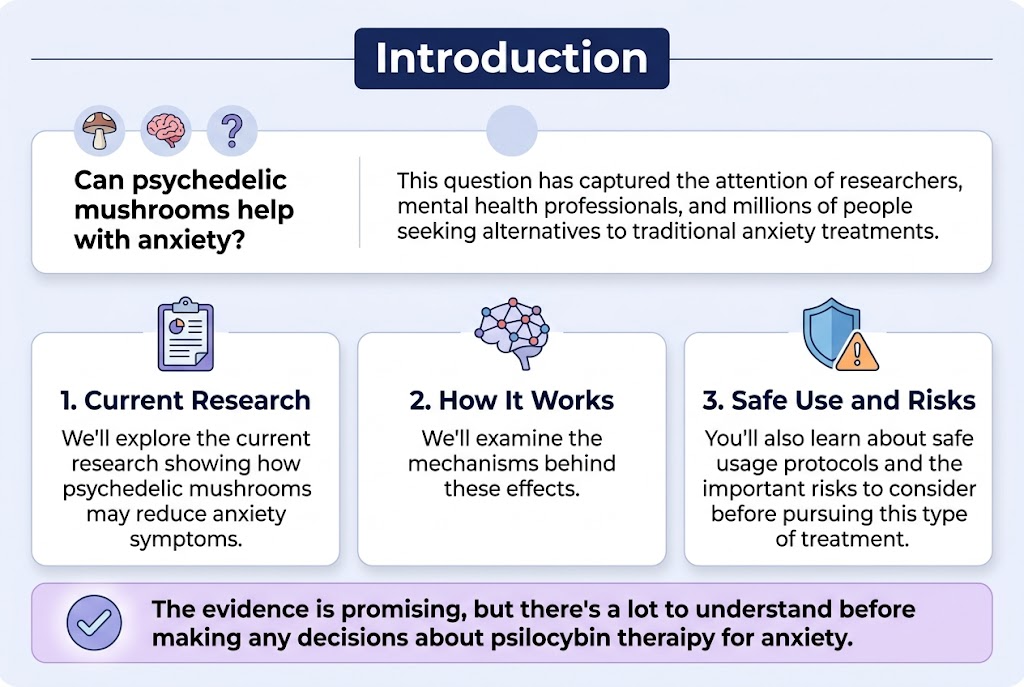
Can psychedelic mushrooms help with anxiety? This question has captured the attention of researchers, mental health professionals, and millions of people seeking alternatives to traditional anxiety treatments.
This guide is for anyone curious about psilocybin therapy, whether you’re dealing with anxiety yourself, supporting someone who is, or simply want to understand what the science says about this emerging treatment.
We’ll explore the current research showing how psychedelic mushrooms may reduce anxiety symptoms and examine the mechanisms behind these effects. You’ll also learn about safe usage protocols and the important risks to consider before pursuing this type of treatment.
The evidence is promising, but there’s a lot to understand before making any decisions about psilocybin therapy for anxiety.
Understanding Psychedelic Mushrooms and Their Active Compounds
What are psilocybin and psilocin and how they affect the brain
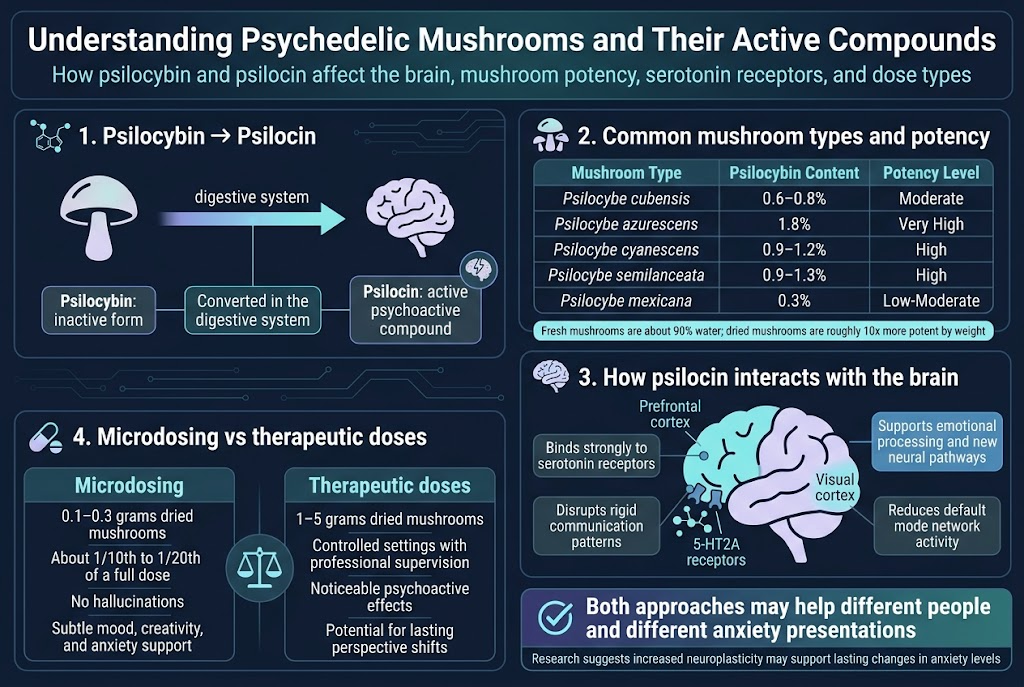
Psychedelic mushrooms contain two primary active compounds: psilocybin and psilocin. Think of psilocybin as the inactive form that gets converted into psilocin once it hits your digestive system. Psilocin is the compound that actually creates the psychoactive effects you hear about.
When psilocin reaches your brain, it binds to specific serotonin receptors, particularly the 5-HT2A receptors. These receptors play a huge role in mood regulation, perception, and cognition. The binding process disrupts normal brain communication patterns and creates new neural pathways that wouldn’t typically form. This process can lead to enhanced emotional processing and potentially help break negative thought patterns associated with anxiety.
Research shows that psilocin increases neuroplasticity – your brain’s ability to form new connections. This increased flexibility in brain function may explain why many people report lasting changes in their anxiety levels even weeks after a single dose.
Different types of psychedelic mushrooms and their potency levels
Not all psychedelic mushrooms pack the same punch. Here’s a breakdown of common varieties and their typical psilocybin content:
| Mushroom Type | Psilocybin Content | Potency Level |
|---|---|---|
| Psilocybe cubensis | 0.6-0.8% | Moderate |
| Psilocybe azurescens | 1.8% | Very High |
| Psilocybe cyanescens | 0.9-1.2% | High |
| Psilocybe semilanceata | 0.9-1.3% | High |
| Psilocybe mexicana | 0.3% | Low-Moderate |
Psilocybe cubensis remains the most commonly studied variety for anxiety research due to its consistent potency and widespread availability. The “Golden Teacher” and “B+” strains within this species are frequently used in clinical settings.
Potency can vary significantly even within the same species depending on growing conditions, harvesting time, and storage methods. Fresh mushrooms typically contain about 90% water, so dried mushrooms are roughly 10 times more potent by weight.
How these compounds interact with serotonin receptors
The magic happens when psilocin mimics serotonin’s structure closely enough to fool your brain’s receptors. Your brain has multiple types of serotonin receptors, but psilocin shows the strongest affinity for 5-HT2A receptors found primarily in the prefrontal cortex and visual cortex.
This interaction doesn’t just flood your system with feel-good chemicals. Instead, it creates a cascade of effects that can reshape how your brain processes fear and anxiety. The prefrontal cortex, which normally acts like your brain’s CEO making executive decisions, becomes less rigid in its patterns. This allows for new perspectives on anxiety-provoking situations.
The visual cortex activation explains why people often report enhanced visual perception, even at sub-perceptual doses. But more importantly for anxiety treatment, the compound appears to reduce activity in the default mode network – the brain network responsible for self-referential thinking and rumination that often drives anxiety disorders.
The difference between microdosing and therapeutic doses
Microdosing involves taking approximately 1/10th to 1/20th of a full psychoactive dose, typically 0.1-0.3 grams of dried mushrooms every few days. At this level, you won’t experience hallucinations or dramatic consciousness shifts, but many people report subtle improvements in mood, creativity, and anxiety management.
Therapeutic doses used in clinical anxiety studies range from 1-5 grams of dried mushrooms, administered in controlled settings with professional supervision. These doses produce noticeable psychoactive effects and can lead to profound shifts in perspective that may provide lasting anxiety relief.
The key difference lies in the approach: microdosing aims for consistent, subtle improvements over time, while therapeutic dosing seeks transformative experiences that can create lasting change through a small number of sessions. Current research suggests both approaches may have merit for different individuals and anxiety presentations.
Scientific Evidence Supporting Mushrooms for Anxiety Treatment
Recent clinical trials and their promising results
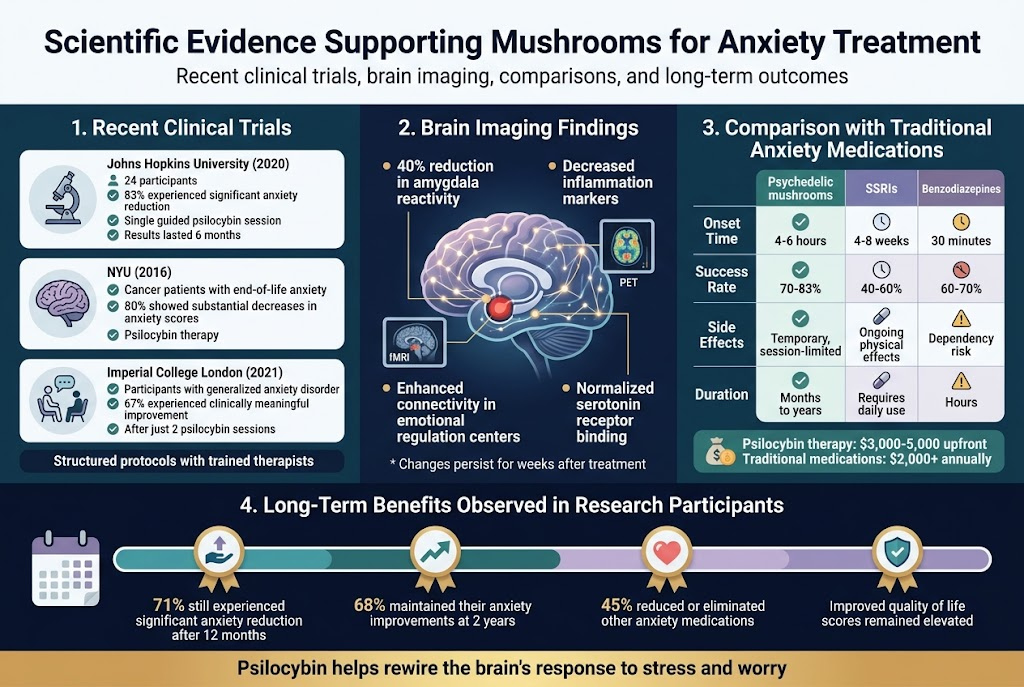
Several groundbreaking studies have shown remarkable outcomes for people struggling with anxiety disorders. A landmark 2020 study at Johns Hopkins University followed 24 participants with treatment-resistant anxiety for six months after a single guided psilocybin session. The results were striking – 83% experienced significant anxiety reduction that lasted throughout the entire follow-up period.
NYU’s clinical trial in 2016 examined cancer patients dealing with end-of-life anxiety. After receiving psilocybin therapy, 80% of participants showed substantial decreases in anxiety scores on standardized assessments. The Imperial College London team published similar findings in 2021, reporting that 67% of participants with generalized anxiety disorder experienced clinically meaningful improvement after just two psilocybin sessions.
These trials consistently used structured protocols with trained therapists, showing that psychedelic mushrooms can produce rapid and sustained anxiety relief when administered properly.
Brain imaging studies showing reduced anxiety-related activity
Advanced neuroimaging has revealed exactly how psilocybin changes anxiety patterns in the brain. fMRI scans from research at King’s College London demonstrate decreased activity in the amygdala – the brain’s fear center – during and after psilocybin treatment.
Dr. Robin Carhart-Harris’s team discovered that psilocybin reduces hyperconnectivity in the default mode network, a brain region that becomes overactive in anxiety disorders. Brain scans showed:
-
40% reduction in amygdala reactivity to stress triggers
-
Decreased inflammation markers in anxiety-processing regions
-
Enhanced connectivity between emotional regulation centers
-
Normalized serotonin receptor binding in areas linked to worry and fear
PET scans revealed that these neurological changes persist for weeks after treatment, explaining why participants experience lasting anxiety relief.
Comparison with traditional anxiety medications
| Treatment Type | Onset Time | Success Rate | Side Effects | Duration |
|---|---|---|---|---|
| Psychedelic mushrooms | 4-6 hours | 70-83% | Temporary, session-limited | Months to years |
| SSRIs | 4-8 weeks | 40-60% | Ongoing physical effects | Requires daily use |
| Benzodiazepines | 30 minutes | 60-70% | Dependency risk | Hours |
Traditional anxiety medications require daily dosing and often lose effectiveness over time. Psychedelic mushrooms work differently – creating lasting changes after just one or two supervised sessions. While SSRIs help about half of patients and come with sexual side effects, weight gain, and withdrawal issues, psilocybin therapy shows higher success rates without ongoing daily medication needs.
The cost difference is also significant. A full course of psilocybin therapy might cost $3,000-5,000 upfront, while traditional medications can cost $2,000+ annually for years.
Long-term benefits observed in research participants
Follow-up studies paint an encouraging picture of sustained improvement. Participants from the original Johns Hopkins trials were reassessed after 12 months, with 71% still experiencing significant anxiety reduction. Many described fundamental shifts in how they relate to anxious thoughts.
A 2022 follow-up study tracked 156 participants for two years post-treatment. Key findings included:
-
68% maintained their anxiety improvements at the two-year mark
-
Reduced medication use – 45% were able to decrease or eliminate other anxiety medications
-
Improved quality of life scores remained elevated compared to baseline
-
Enhanced emotional regulation skills persisted long after the acute effects wore off
Participants frequently report that psilocybin helped them develop new coping strategies and perspectives that continue working years later. Unlike traditional treatments that provide temporary symptom relief, psychedelic mushrooms appear to create lasting psychological and neurological changes that help people manage anxiety more effectively long-term.
The research suggests that psilocybin doesn’t just mask anxiety symptoms – it helps rewire the brain’s response to stress and worry in ways that endure.
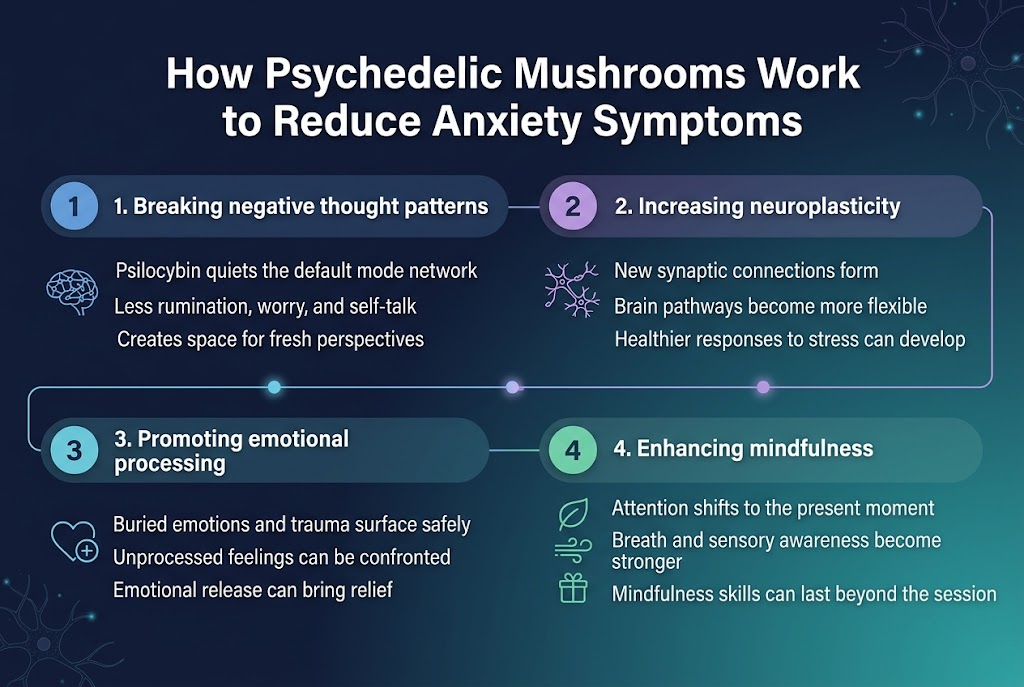
Breaking negative thought patterns and rumination cycles
Psychedelic mushrooms interrupt the brain’s default mode network (DMN), which is responsible for self-referential thinking and the constant mental chatter that feeds anxiety. When this network becomes overactive, people get stuck in loops of worry, negative self-talk, and catastrophic thinking. Psilocybin temporarily quiets this internal dialogue, creating space for fresh perspectives to emerge.
During a mushroom experience, many people report feeling liberated from their usual mental patterns. The rigid thought structures that normally reinforce anxiety dissolve, allowing individuals to observe their fears from a detached, more objective viewpoint. This shift often reveals how many anxious thoughts are simply mental constructs rather than actual threats.
The disruption of rumination cycles can last well beyond the acute effects of the mushrooms. Research participants often describe maintaining this new perspective for weeks or months afterward, finding it easier to catch themselves when anxiety spirals begin and redirect their attention to more productive thoughts.
Increasing neuroplasticity and creating new neural pathways
Psilocybin acts as a powerful catalyst for neuroplasticity – the brain’s ability to form new connections and reorganize existing pathways. This compound promotes the growth of dendrites and increases the formation of new synaptic connections, essentially rewiring the brain at a cellular level.
The increased neuroplasticity creates opportunities for establishing healthier mental patterns. Instead of anxiety responses becoming more entrenched over time, the brain becomes more adaptable and capable of learning new ways to process stress and fear. This biological flexibility is crucial for breaking free from ingrained anxiety patterns.
Studies using brain imaging technology show that psilocybin increases communication between brain regions that don’t typically interact. This enhanced connectivity allows for more creative problem-solving and emotional regulation strategies. The brain essentially becomes more integrated, leading to improved emotional resilience and reduced anxiety symptoms.
Promoting emotional processing and trauma release
Many anxiety disorders stem from unprocessed emotional experiences or trauma that the mind has pushed into the subconscious. Psychedelic mushrooms create a unique psychological state where these buried emotions can surface in a manageable way, allowing for healthy processing and integration.
The altered state of consciousness induced by psilocybin often brings suppressed memories and emotions into awareness without the typical defensive mechanisms that usually keep them hidden. This process, sometimes called “emotional catharsis,” allows people to confront and work through the root causes of their anxiety rather than just managing surface symptoms.
The experience often provides a sense of emotional release and closure. Many individuals report feeling lighter and more at peace after processing difficult emotions during a mushroom session. This emotional clearing can significantly reduce the underlying tension that fuels chronic anxiety.
Enhancing mindfulness and present-moment awareness
Psilocybin naturally cultivates a heightened state of mindfulness, drawing attention away from anxious thoughts about the future or regrets about the past. This shift toward present-moment awareness is one of the most therapeutic aspects of psychedelic mushrooms for anxiety treatment.
During the experience, people often become deeply absorbed in immediate sensory experiences – the feeling of their breath, the texture of objects, or the sounds around them. This intense focus on the present moment provides relief from the mental time-traveling that characterizes anxiety disorders.
The mindfulness skills developed during a mushroom experience often translate into daily life. Many people find they’re better able to anchor themselves in the present when anxiety arises, using breath awareness or sensory grounding techniques they discovered during their psychedelic sessions. This enhanced mindfulness becomes a practical tool for managing anxiety long after the acute effects have worn off.
Safe Usage Guidelines and Treatment Protocols
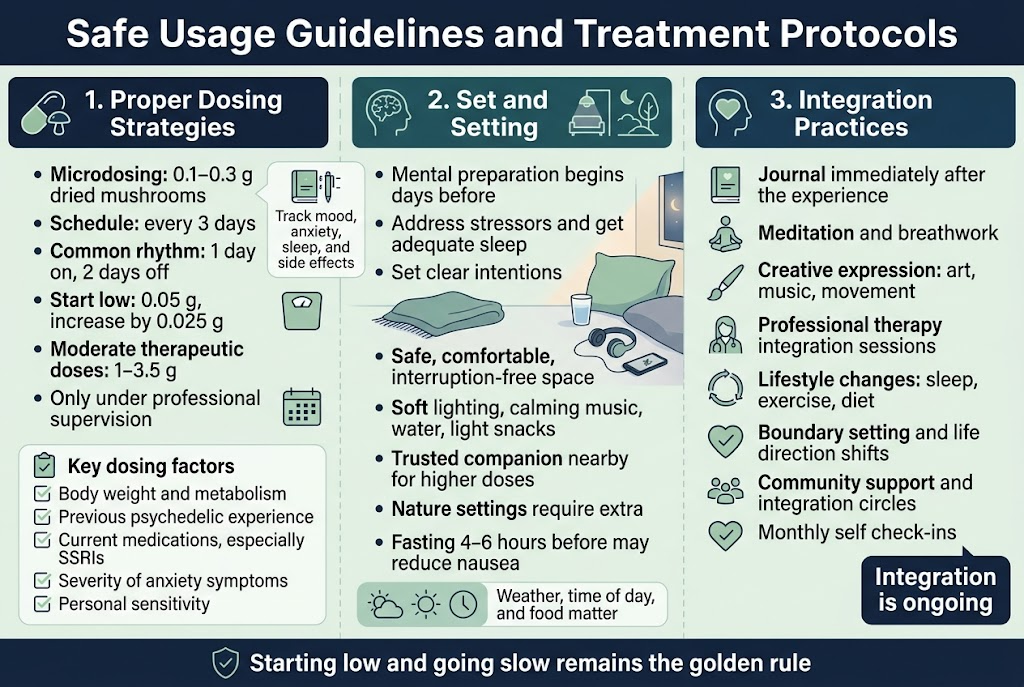
Proper Dosing Strategies for Anxiety Management
Microdosing has emerged as the most promising approach for using psychedelic mushrooms to manage anxiety symptoms. This method involves taking sub-perceptual doses, typically ranging from 0.1 to 0.3 grams of dried psilocybin mushrooms every three days. The goal is to achieve therapeutic benefits without experiencing intense psychoactive effects.
A common microdosing protocol follows the “one day on, two days off” schedule, allowing your body to avoid building tolerance while maintaining consistent therapeutic effects. Many people start with 0.05 grams and gradually increase by 0.025 grams until they find their optimal dose.
For more intensive anxiety treatment, guided therapeutic sessions might use moderate doses between 1-3.5 grams, but these should only be administered under professional supervision. These sessions occur less frequently, often separated by weeks or months, and require extensive preparation and integration support.
Key dosing considerations include:
-
Body weight and metabolism
-
Previous experience with psychedelics
-
Current medications (especially SSRIs)
-
Severity of anxiety symptoms
-
Personal sensitivity to substances
Starting low and going slow remains the golden rule. Keep a detailed journal tracking your mood, anxiety levels, sleep quality, and any side effects. This data helps you fine-tune your approach and identify the most effective dosing schedule for your unique situation.
Importance of Set and Setting for Therapeutic Outcomes
Your mental state (set) and physical environment (setting) dramatically influence the therapeutic potential of psychedelic mushrooms for anxiety relief. These factors can mean the difference between a healing experience and an overwhelming one.
Mental preparation begins days before your session. Address any immediate stressors, get adequate sleep, and approach the experience with clear intentions. Anxiety about the session itself can amplify negative effects, so taking time to feel mentally prepared is crucial.
The physical setting should feel safe, comfortable, and free from interruptions. Many people prefer familiar spaces like their bedroom or living room, decorated with meaningful objects and soft lighting. Nature settings can be deeply therapeutic, but they require extra safety considerations and ideally a trusted companion.
Essential setting elements include:
-
Comfortable temperature and lighting
-
Access to water and light snacks
-
Calming music or nature sounds
-
Soft blankets and pillows
-
Phone on silent mode
-
Trusted companion nearby (for higher doses)
Your support system plays a vital role. Having someone you trust nearby, whether a friend, family member, or trained guide, provides reassurance and safety. They can help redirect difficult experiences and ensure your physical wellbeing throughout the session.
Weather, time of day, and even what you eat beforehand all impact your experience. Many practitioners recommend fasting for 4-6 hours before taking mushrooms to reduce nausea and enhance absorption.
Integration Practices to Maximize Benefits
The real work often begins after the psychedelic mushrooms experience ends. Integration involves processing insights, implementing changes, and maintaining the positive shifts in anxiety patterns that emerge during sessions.
Journaling immediately after your experience captures fresh insights before they fade. Write about emotions, realizations, visual experiences, and any anxiety-related breakthroughs. These notes become valuable references for understanding recurring themes and tracking your progress over time.
Meditation and breathwork help anchor the calm, centered feelings that often accompany therapeutic mushroom experiences. Regular practice strengthens your ability to access these states naturally, reducing reliance on substances for anxiety management.
Creative expression through art, music, or movement can help process difficult emotions that surface during treatment. Many people discover that anxiety stems from suppressed feelings or unresolved trauma, and creative outlets provide healthy ways to work through these discoveries.
Professional therapy integration sessions with counselors experienced in psychedelic work can accelerate healing. These specialists help you understand your experiences within the context of your anxiety patterns and develop practical strategies for long-term mental health improvement.
Lifestyle changes frequently emerge as important integration elements:
-
Improved sleep hygiene
-
Regular exercise routines
-
Dietary modifications
-
Boundary setting in relationships
-
Career or life direction shifts
-
Spiritual or philosophical exploration
Community support through integration circles or online forums connects you with others on similar healing journeys. Sharing experiences reduces isolation and provides practical tips for navigating challenges that arise during the integration process.
Regular check-ins with yourself, perhaps monthly, help maintain momentum and identify when additional sessions might be beneficial. Integration is an ongoing process that can continue providing anxiety relief long after your last mushroom experience.
Potential Risks and Important Considerations
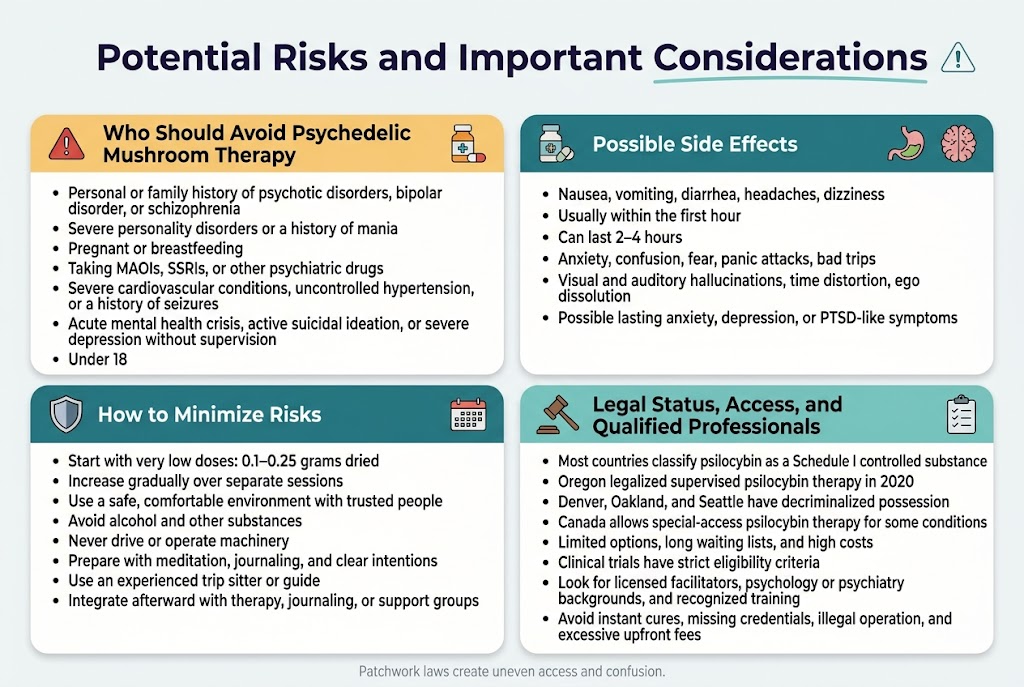
Who Should Avoid Psychedelic Mushroom Therapy
Certain individuals face higher risks when considering psychedelic mushrooms for anxiety treatment. People with personal or family histories of psychotic disorders, bipolar disorder, or schizophrenia should avoid these substances entirely, as they can trigger or worsen psychotic episodes. The same caution applies to those with severe personality disorders or a history of mania.
Pregnant and breastfeeding women must steer clear of psychedelic mushrooms due to unknown effects on fetal development and potential transfer through breast milk. Individuals taking certain medications, particularly MAOIs, SSRIs, or other psychiatric drugs, face dangerous interaction risks that can lead to serotonin syndrome or reduced effectiveness.
People with severe cardiovascular conditions, uncontrolled hypertension, or a history of seizures should avoid psilocybin therapy. Those currently experiencing acute mental health crises, active suicidal ideation, or severe depression without proper supervision also represent poor candidates for treatment.
Age plays a role too – adolescents and those under 18 typically shouldn’t use psychedelic mushrooms since brain development continues into the mid-twenties, and the long-term effects on developing neural pathways remain unclear.
Possible Side Effects and How to Minimize Them
Physical side effects from psychedelic mushrooms commonly include nausea, vomiting, diarrhea, headaches, and dizziness. These typically occur within the first hour and can last 2-4 hours. Taking mushrooms on an empty stomach often worsens nausea, while consuming them with light food or ginger can help reduce digestive discomfort.
Psychological side effects range from mild anxiety and confusion to intense fear, panic attacks, or “bad trips.” Visual and auditory hallucinations, time distortion, and ego dissolution can feel overwhelming for unprepared users. Some people experience lasting anxiety, depression, or PTSD-like symptoms following difficult experiences.
To minimize risks, start with very low doses (0.1-0.25 grams dried) and increase gradually over separate sessions. Create a safe, comfortable environment with trusted people present. Avoid mixing with alcohol or other substances, and never drive or operate machinery while under the influence.
Proper preparation includes meditation, journaling, and setting clear intentions beforehand. Having an experienced trip sitter or guide provides crucial support during challenging moments. Post-experience integration through therapy, journaling, or support groups helps process insights and prevent negative psychological aftermath.
Legal Status and Accessibility Challenges
The legal landscape for psychedelic mushrooms remains complex and rapidly changing. Most countries classify psilocybin as a Schedule I controlled substance, making possession, cultivation, and distribution illegal. However, several jurisdictions have begun relaxing these restrictions.
Oregon became the first U.S. state to legalize supervised psilocybin therapy in 2020, with licensed facilities opening in 2023. Cities like Denver, Oakland, and Seattle have decriminalized mushroom possession, though commercial sales remain prohibited. Canada allows psilocybin therapy for certain medical conditions through special access programs.
These legal restrictions create significant accessibility barriers. Patients seeking legitimate treatment face limited options, long waiting lists, and high costs that insurance rarely covers. Underground therapy networks exist but operate without regulatory oversight or safety guarantees.
Research participation offers another avenue, but clinical trials have strict eligibility criteria and limited enrollment. Many people turn to grow-your-own methods or underground sources, which carry legal risks and quality control concerns.
The patchwork of laws means what’s legal in one location remains illegal just miles away, creating confusion and unequal access to potentially beneficial treatments.
Finding Qualified Professionals for Guided Therapy
Locating properly trained professionals for psychedelic mushroom therapy requires careful research and verification. In legal jurisdictions like Oregon, state licensing boards maintain directories of certified psilocybin facilitators who completed required training programs covering safety protocols, therapeutic techniques, and crisis management.
Look for practitioners with backgrounds in psychology, psychiatry, social work, or other mental health fields combined with specific psychedelic therapy training. Organizations like MAPS (Multidisciplinary Association for Psychedelic Studies) and the California Institute of Integral Studies offer recognized certification programs.
Red flags include practitioners promising instant cures, lacking proper credentials, operating illegally, or charging excessive fees upfront. Legitimate therapists emphasize thorough screening, multiple preparation sessions, and ongoing integration support rather than one-off experiences.
Professional associations like the American Psychedelic Practitioners Association provide member directories and ethical guidelines. Research potential therapists thoroughly – check licensing status, read reviews, and ask detailed questions about their training, approach, and safety protocols.
Underground facilitators may have extensive experience but operate without legal protection or professional accountability. While some provide excellent care, others lack proper training or safety measures. If considering underground options, seek referrals from trusted sources and thoroughly vet credentials and reputation.
7 FAQ
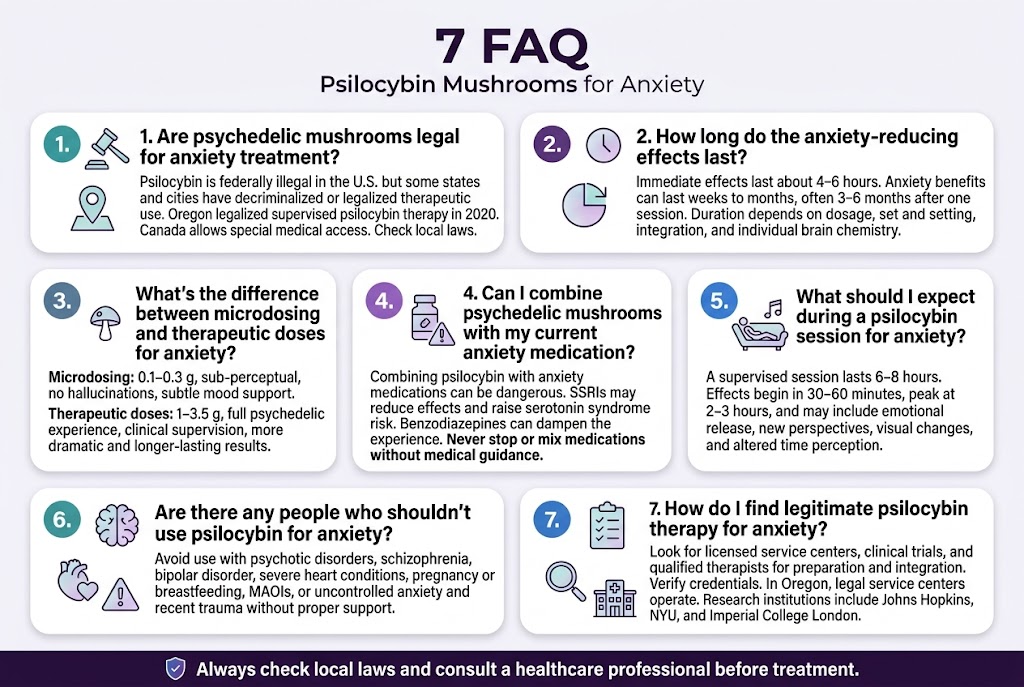
Are psychedelic mushrooms legal for anxiety treatment?
The legal status of psychedelic mushrooms varies dramatically by location. Currently, psilocybin remains federally illegal in the United States, classified as a Schedule I substance. However, several states and cities have begun decriminalizing or legalizing psilocybin for therapeutic use. Oregon became the first state to legalize supervised psilocybin therapy in 2020, while cities like Denver, Oakland, and Santa Cruz have decriminalized possession. Canada allows psilocybin use for certain medical conditions through special access programs. Always check local laws before considering any treatment involving psychedelic mushrooms.
How long do the anxiety-reducing effects last?
The immediate effects of psilocybin typically last 4-6 hours, but the anxiety-reducing benefits can persist much longer. Many studies show improved anxiety symptoms lasting weeks to months after a single session. Research participants often report decreased anxiety for 3-6 months following treatment. Some individuals experience lasting changes in their relationship with anxiety that can extend even longer. The duration depends on factors like dosage, set and setting, integration work following the session, and individual brain chemistry.
What’s the difference between microdosing and therapeutic doses for anxiety?
Microdosing involves taking sub-perceptual doses (typically 0.1-0.3 grams of dried mushrooms) every few days without experiencing hallucinations or significant altered consciousness. This approach aims for subtle mood improvements and reduced anxiety over time. Therapeutic doses (1-3.5 grams) produce full psychedelic experiences and are typically used in clinical settings with professional supervision. While both approaches show promise for anxiety, therapeutic doses tend to produce more dramatic and longer-lasting results, though they require more preparation and support.
Can I combine psychedelic mushrooms with my current anxiety medication?
Combining psychedelic mushrooms with anxiety medications can be dangerous and requires careful medical supervision. SSRIs and other antidepressants can significantly reduce psilocybin’s effects and may increase the risk of serotonin syndrome. Benzodiazepines can interfere with the therapeutic process by dampening the psychedelic experience. Never stop prescribed medications abruptly or combine substances without consulting healthcare providers. Many clinical trials require participants to taper off certain medications before psilocybin treatment under medical supervision.
What should I expect during a psilocybin session for anxiety?
A therapeutic psilocybin session typically lasts 6-8 hours in a controlled setting with trained guides or therapists present. The experience often begins with mild effects within 30-60 minutes, building to peak intensity around 2-3 hours. Many people report confronting anxiety-related thoughts or memories, experiencing emotional releases, or gaining new perspectives on their fears. Visual and auditory changes are common, along with altered perception of time. Professional settings provide safety, comfort items like blankets and music, and immediate support if challenging emotions arise.
Are there any people who shouldn’t use psilocybin for anxiety?
Several groups should avoid psilocybin treatment. People with personal or family history of psychotic disorders, schizophrenia, or bipolar disorder face increased risks of triggering psychological episodes. Those with severe heart conditions may experience dangerous cardiovascular effects. Pregnant and breastfeeding women should avoid psilocybin due to unknown effects on development. People taking certain medications, particularly MAOIs, face serious drug interactions. Those with uncontrolled anxiety disorders or recent trauma may find the experience overwhelming without proper preparation and support.
How do I find legitimate psilocybin therapy for anxiety?
Finding legitimate psilocybin therapy requires research and patience. In Oregon, licensed service centers offer legal psilocybin therapy starting in 2023. Some areas have clinical trials recruiting participants – check ClinicalTrials.gov for opportunities. Certain therapists provide preparation and integration services even where psilocybin remains illegal. Research institutions like Johns Hopkins, NYU, and Imperial College London conduct studies on psilocybin for anxiety disorders. Always verify credentials, avoid underground practitioners without proper training, and prioritize safety over convenience when seeking treatment.
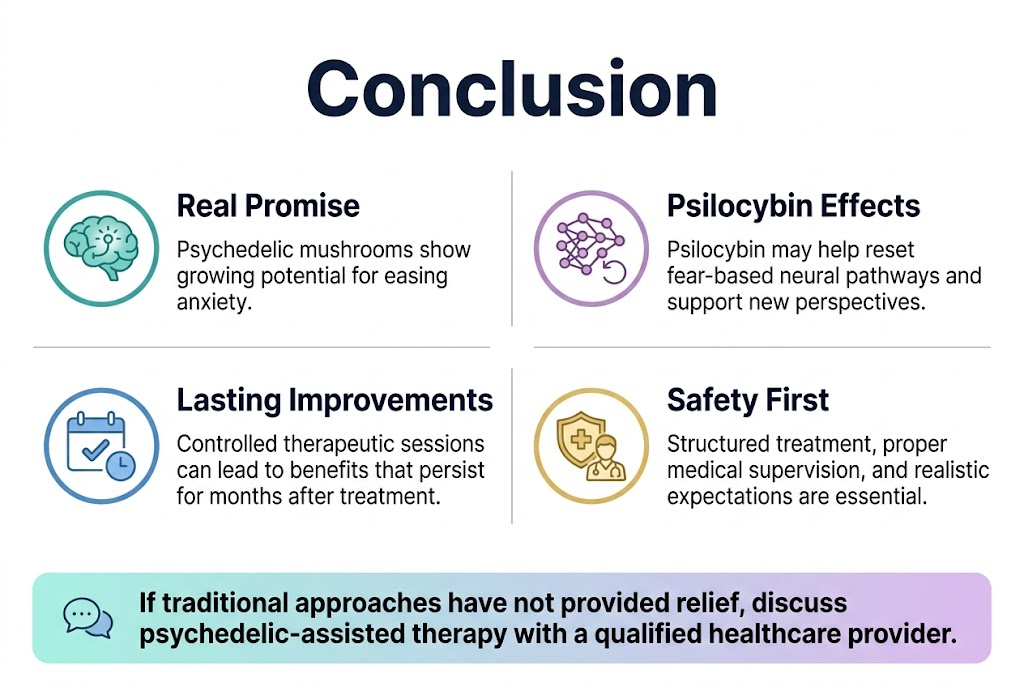
Psychedelic mushrooms show real promise for treating anxiety, with growing research backing their ability to create lasting changes in how our brains process fear and worry. The key active compound, psilocybin, appears to help reset neural pathways while fostering new perspectives that can break anxiety’s grip on daily life. Studies reveal that controlled therapeutic sessions can lead to significant improvements that persist for months after treatment.
The path forward requires careful consideration of safety protocols, proper medical supervision, and realistic expectations about the process. This isn’t a quick fix or something to try casually – it’s a powerful tool that works best within structured treatment programs. If you’re struggling with anxiety and traditional approaches haven’t provided relief, discussing psychedelic-assisted therapy with a qualified healthcare provider could open doors to healing you didn’t know existed. The science is encouraging, but your safety and success depend on doing this the right way.