
Tag Archives: Cluster Headache
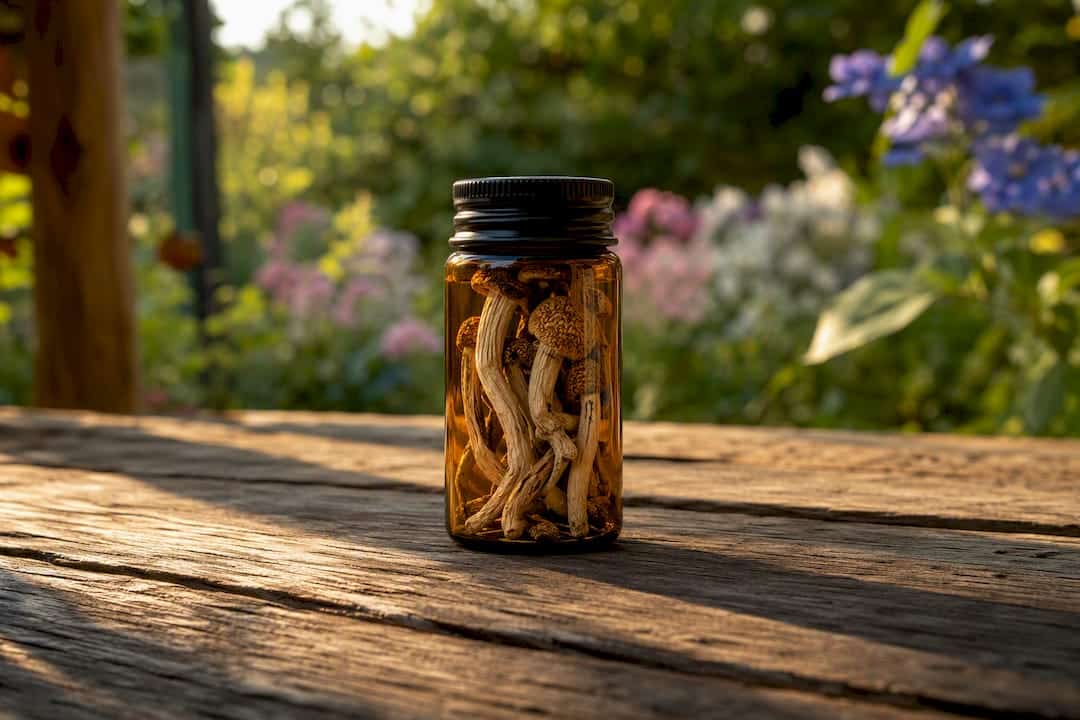
Psilocybin for Cluster Headaches: What the Trials Actually Show

Psilocybin Cluster Headaches research represents one of the most promising frontiers in pain medicine, though it remains investigational. The strongest controlled evidence for psilocybin cluster headaches treatment comes from a blinded extension trial where a repeat psilocybin pulse regimen cut attack frequency by roughly 50%, from 18.4 to 9.8 attacks per week. That result carried real statistical weight (p=0.013)—a rare achievement in a headache disorder this brutal and difficult to study.
That said, “promising” and “proven” are different words for a reason. Every trial behind psilocybin cluster headaches data is small, exploratory, and short in follow-up.
Bottom line: Psilocybin cluster headaches research shows a real signal for reducing attacks, but it remains investigational, not standard care.
Strongest evidence: the blinded extension study, with a nearly 50% drop in weekly attacks under repeat dosing.
Safety and legal note: Psilocybin cluster headaches trial dosing was medically supervised, and legal status varies by country and region. Self-treating outside research or clinical settings carries risks these studies were specifically designed to control for.
If you’re living with cluster headache and searching for options beyond what your neurologist has offered, this article walks through what the science says, what a dosing “pulse” or “busting” protocol actually looks like, and how to think about psilocybin cluster headaches access without stepping outside safe, informed decision-making boundaries.
Key Takeaways
Psilocybin cluster headaches trials show a real, statistically significant reduction in attack frequency, but treatment remains investigational and requires medical supervision.
| Point | Details |
|---|---|
| Strongest trial result | A repeat psilocybin pulse cut attacks from 18.4 to 9.8 per week (p=0.013) in a blinded extension study. |
| Regimen tested | Three oral doses of 0.143 mg/kg or a fixed ~10 mg, spaced about five days apart, under supervision. |
| Safety profile | No unexpected serious adverse events reported, but long-term data and larger samples don’t exist yet. |
| Where it fits in care | Studied as a preventive option for refractory chronic cluster headache, not as an acute attack treatment. |
| Product access | Fungipsilocybinmushroom offers lab-tested psilocybin products and educational resources for adults in legal contexts, separate from clinical treatment. |
What the Clinical Trials on Psilocybin Cluster Headaches Found
Two trials anchor most of what is currently known about psilocybin for cluster headaches, and a systematic review ties the wider picture together.
The first was an exploratory randomized, double-blind, placebo-controlled pilot testing a weight-based dose of 0.143 mg/kg (roughly equivalent to 10 mg per 70 kg of body weight) against placebo in chronic cluster headache patients. Researchers gave three oral doses as a “pulse,” and measured changes in attack frequency and intensity. In the chronic-patient subgroup, the effect size was large, d=1.25, meaning the difference between psilocybin and placebo was substantial in practical terms. But the sample was tiny, around 14 evaluable patients, and the overall efficacy outcome across the full study population did not reach statistical significance. Small numbers make it hard to separate a real drug effect from noise, even when the effect looks big on paper.
The second study, a blinded extension of that same trial, is where the evidence gets more compelling. Patients who received a repeat psilocybin pulse saw attack frequency drop from an average of 18.4 attacks per week down to 9.8, a reduction of about half, with a p-value of 0.013 and an effect size (d’) of 0.97. Those are strong numbers for any headache trial, let alone one testing a psychedelic. What makes this finding particularly interesting: some patients who did not respond to their first pulse still improved on a repeat dose, suggesting nonresponse the first time around does not necessarily predict failure on a second attempt.
A 2023 systematic review pulled together the available studies on psilocybin and headache disorders, cluster headache included. Its conclusion was measured: several small studies reported decreases in attack frequency or intensity, but the overall body of evidence is limited and inconsistent in design. That’s an honest summary, not a dismissal.
Key limitations across all of this research:
- Sample sizes are small, often fewer than 20 patients per arm.
- Study designs are exploratory, meaning they’re built to generate hypotheses, not confirm them.
- Follow-up periods are short, so nobody yet knows how durable the benefit is beyond a few months.
- Results may not generalize to every cluster headache subtype (episodic vs. chronic) or to patients with complex psychiatric or cardiac histories.
The headline statistic worth remembering: attacks per week fell from 18.4 to 9.8 in the blinded extension, the single most statistically robust number in the current literature on psilocybin for headaches.
The Pulse or Busting Regimen Tested in Research
Patients researching mushrooms for cluster headaches often encounter the term “busting,” a patient-coined phrase for using low, spaced doses of psilocybin (or LSD) to interrupt a cluster cycle. Clinical trials formalized this idea into what researchers call a pulse regimen, and the protocol details matter if you want to understand what’s actually been studied versus what’s discussed anecdotally online.
- Dose: either a weight-based dose of 0.143 mg/kg or a fixed dose around 10 mg, both intended to produce a moderate, not maximal, psychedelic effect.
- Number of doses: three oral doses per pulse, matching the protocol registered on Clinicaltrials.
- Spacing: doses were given approximately five days apart, not daily and not weekly.
- Setting: every dose was administered in a supervised clinical environment with vitals monitoring and psychiatric screening beforehand, not at home.
- Outcome tracking: researchers measured time to first attack, time to last attack, and percent change in both frequency and intensity, exactly the outcomes listed in the trial’s own registered protocol.
The dosing details in these trials were partly informed by patient reports of self-directed busting protocols, which is part of why researchers describe them as “patient-informed.” But there’s a meaningful gap between a supervised, monitored dose in a research setting and the same substance taken alone, without cardiovascular or psychiatric screening.
Pro Tip: If you’re trying to understand the numbers behind these protocols before talking to a specialist, our guide on how to dose magic mushrooms covers general dosing math, but it is not a substitute for the screening and monitoring built into a clinical trial. Cluster headache dosing decisions belong in a supervised setting, not a solo experiment.
Is Psilocybin Safe for Cluster Headache Patients?
Tolerability data from the trials is genuinely reassuring, with a caveat: reassuring at small scale is not the same as reassuring at large scale.
Across the pilot RCT and its extension, researchers did not report unexpected serious adverse events. Patients experienced the expected acute effects of a moderate psilocybin dose, altered perception, transient anxiety, nausea in some cases, but nothing outside what’s typically seen in supervised psilocybin research for other conditions.

One of the more counterintuitive findings: clinical benefit did not track with how intense the psychedelic experience felt. Patients who had a milder trip did not necessarily see less benefit than those who had a more intense one. That hints at a possible separation between psilocybin’s acute psychotropic effects and whatever is driving the drop in attack frequency, though researchers stop short of calling this settled science.
What trial-based screening typically checks for:
- Personal or family history of psychosis or bipolar disorder, both considered contraindications for psilocybin exposure.
- Cardiovascular risk factors, given psilocybin’s mild effects on heart rate and blood pressure.
- Current medications, particularly SSRIs, SNRIs, and MAOIs, which can interact with psilocybin’s serotonergic activity.
- Baseline psychiatric evaluation before any dosing session.
Pro Tip: If you’re on a daily preventive migraine or headache medication, don’t assume it’s compatible with psilocybin just because it’s common. Bring your full medication list to any specialist or trial coordinator conversation before considering psilocybin for headaches in any form.
What remains unknown is arguably more important than what’s been confirmed: long-term safety data doesn’t exist yet, and tolerability in larger, more diverse populations hasn’t been tested.
Why Might Psilocybin Help Cluster Headache? The Neuroscience So Far
Cluster headache has long been linked to the hypothalamus, the brain region that regulates circadian rhythms, which explains why attacks often cluster at the same time of day or year. Imaging research offers a plausible reason psilocybin might interrupt that cycle.
- Studies have found that changes in hypothalamic-diencephalic functional connectivity after psilocybin correlate with reductions in attack frequency. The more connectivity shifted, the bigger the drop in attacks.
- Preclinical research on psilocybin points to increased neuroplasticity, the brain’s capacity to form new connections, as a possible reason effects might outlast the drug’s presence in the body.
- None of this proves causation. These are correlations observed in small imaging studies, suggestive of a mechanism rather than confirmation of one.
The honest takeaway is that psilocybin appears to interact with the same hypothalamic circuitry implicated in cluster headache pathophysiology, but nobody has proven exactly how that translates into fewer attacks.
Where Psilocybin Fits Alongside Standard Cluster Headache Care
Psilocybin research is aimed at a preventive or transitional role, not an acute one. That distinction matters when you’re weighing it against what’s already available.
For an active attack, high-flow oxygen and subcutaneous sumatriptan remain the fastest, most established abortive options. Psilocybin pulse regimens are not designed to stop an attack in progress. They’re studied as a way to reduce how often attacks happen in the first place, more comparable in intent to preventive medications like verapamil or CGRP-targeting drugs than to a rescue treatment.
- Consider psilocybin research primarily if standard preventives have failed. Refractory chronic cluster headache, meaning verapamil, CGRP therapies, and other standard preventives haven’t worked, is the population most trials have focused on.
- Get a cardiac evaluation first. Verapamil itself carries cardiac considerations, and any new intervention should be screened against your cardiovascular baseline.
- Complete psychiatric screening before considering enrollment. A personal or family history of psychotic disorders is a common exclusion criterion in psilocybin trials.
- Ask your neurologist directly about ongoing trial opportunities rather than assuming none exist in your region.
- Flag any medication that affects serotonin. SSRIs and MAOIs in particular need a specialist’s review before any psilocybin research trial will consider you.
Pro Tip: If a clinician dismisses the question of psilocybin for headaches outright without discussing the trial data, consider getting a second opinion from a headache specialist at an academic center, where awareness of this research tends to run higher.
Red flags that should stop the conversation entirely: unstable psychiatric illness, active substance use disorder, or medications with known dangerous interactions with serotonergic compounds.
How to Find Legitimate Psilocybin Cluster Headache Trials
ClinicalTrials.gov is the primary public registry for finding active or completed studies, including protocols like NCT02981173, which outlines the exact pulse dosing and outcome measures used in published research.
- Check that a trial lists a named academic or hospital affiliation, not just a private clinic.
- Confirm the protocol references institutional review board (IRB) or ethics committee approval.
- Look for a published or registered protocol you can cross-reference against the trial’s actual claims.
- Contact the listed study coordinator directly rather than a third-party recruiter.
Legal status of psilocybin varies significantly by country, and in some places by state or region. Nothing in this article should be read as encouragement to source or use psilocybin outside a legal, supervised research context. Cluster headache is severe enough that self-experimentation carries real risk, both medical and legal.
What Cluster Headache Patients Should Take From This Research
The gap between what psilocybin promises for cluster headache and what’s actually confirmed is wide, and that gap is exactly where informed patients get the most value out of paying close attention.
Here’s the part that gets underplayed: the most statistically solid finding in this entire body of research came from a repeat dose, not a first attempt. That’s a detail patient communities have known intuitively for years through informal busting reports, but it took a blinded extension trial to actually put a number on it. If you tried a single psilocybin pulse once, years ago, and felt nothing, that outcome doesn’t necessarily predict how you’d respond to a properly repeated, monitored regimen.
The other underappreciated point is the dissociation between trip intensity and clinical benefit. A lot of psychedelic-curious patients assume a bigger, more intense experience means a stronger therapeutic effect. The cluster headache data doesn’t support that assumption, and it’s a useful corrective for anyone tempted to self-escalate a dose hoping for more relief.
None of this changes the fact that psilocybin for cluster headaches is still investigational. But “investigational” doesn’t mean ignore it. It means the smartest move for a patient with refractory disease is pushing your neurologist for a real conversation about trial referral, not quietly experimenting alone based on a forum post.

A Note on Product Quality From Fungipsilocybinmushroom
Fungipsilocybinmushroom focuses on lab-tested psilocybin products and educational resources for adults exploring psychedelics, including detailed guides on dosing, strain selection, and safe use practices. None of that changes the core message of this article: cluster headache is a severe neurological condition, and psilocybin’s role in treating it is still being defined through supervised clinical research, not personal experimentation. If you’re weighing psilocybin as part of a broader conversation about therapeutic use, our guide on strains selected for therapeutic contexts offers useful background, but a cluster headache diagnosis calls for a specialist and, ideally, a registered trial first.
Buying Lab-Tested Psilocybin Responsibly
If you’re an adult in a legal jurisdiction exploring psilocybin for wellness or research literacy rather than as a cluster headache treatment, product quality is where most of the real risk hides. Unregulated markets are full of mislabeled potency and unknown contamination, which is a very different problem than what any clinical trial is testing for.
Fungipsilocybinmushroom lab-tests every batch before it ships, giving you a verified potency and purity profile instead of a guess. That distinction is the whole reason lab testing exists: a trial-grade dose only means something if you actually know what’s in it. Browse the Amazonian psilocybin mushroom collection to see verified lab results and strain details, and use that information to have a more informed conversation with your clinician, not as a replacement for one. If cluster headache is what brought you here, the right next step is still a referral to supervised research. But if you’re learning about psilocybin more broadly, that page is where to start.
Frequently Asked Questions
Does psilocybin actually reduce cluster headache attacks?
Controlled trial data shows a significant reduction in attack frequency with a repeat psilocybin pulse regimen, roughly a 50% drop in one blinded extension study. The evidence is promising but comes from small samples and needs replication in larger trials.
What dose of psilocybin was used in cluster headache research?
Trials used either a weight-based dose of 0.143 mg/kg or a fixed dose around 10 mg, given as three oral doses roughly five days apart under clinical supervision.
Is psilocybin legal to use for cluster headaches?
Legal status varies by country and, in some places, by state or region. Access to psilocybin for cluster headache currently exists mainly through registered clinical trials, not general medical prescription.
How does psilocybin compare to standard cluster headache treatments?
Standard acute treatments like high-flow oxygen and sumatriptan stop an attack in progress. Psilocybin pulse regimens are studied as a preventive approach, more comparable to preventives like verapamil, aimed at reducing how often attacks occur.
Who should not consider psilocybin for cluster headache research?
Trial screening typically excludes people with a personal or family history of psychosis or bipolar disorder, unmanaged cardiovascular risk, or current use of serotonergic medications like SSRIs or MAOIs without specialist clearance.
Sources
- Psilocybin pulse regimen reduces cluster headache attack frequency in the blinded extension phase of a randomized controlled trial
- Exploratory investigation of a patient-informed low-dose psilocybin pulse regimen in the suppression of cluster headache: Results from a randomized, double-blind, placebo-controlled trial
- A systematic review to assess the use of psilocybin in the treatment of headaches
- Clinicaltrials
Recommended
- How to Dose Magic Mushrooms – Fungi Psilocybin Mushroom 2026
- Mushrooms for Anxiety – Natural, Calming, and Powerful Support for a Healthier Mind 2025 | mushrooms for anxiety relief for sale
- Psilocybin Depression Treatment California: Your Complete Guide to Legal Mushroom Delivery Services and Therapeutic Options 2025 | mushroom delivery San Diego | mushroom for sale
- Microdosing Psychedelics: Unveiling Remarkable Health Benefits and Therapeutic Potential 2026