
Tag Archives: 1P-LSD 250mcg blotters EU shipping
1P-LSD 225mcg Blotters Explained: 7 Mind-Blowing Facts That Will Change the Way You Think”

1p-LSD 225mcg Blotters Explained
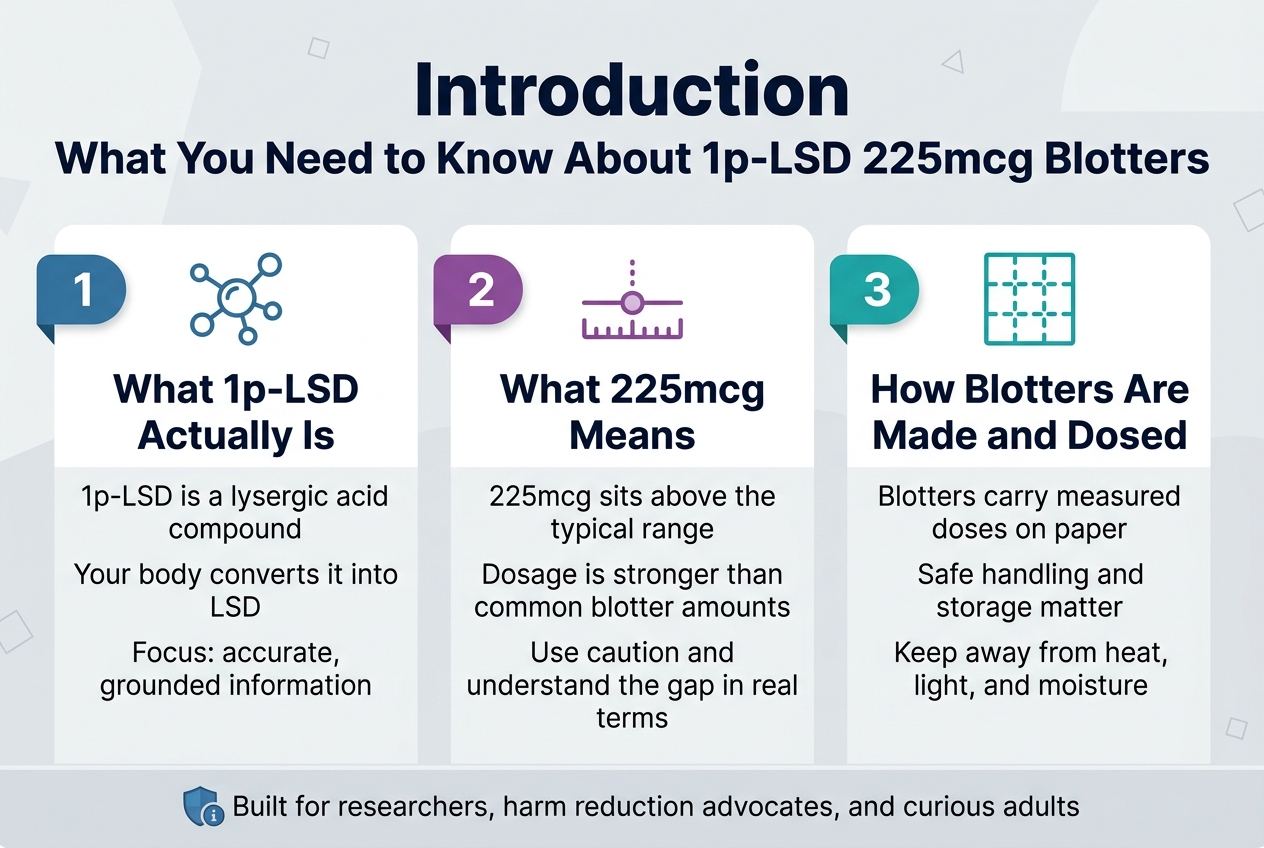
What You Need to Know About 1p-LSD 225mcg Blotters
If you’ve been researching 1p-LSD 225mcg blotters, you’ve probably noticed that most of the information out there is either too technical or too vague to be actually useful. This guide cuts through that.
This breakdown is aimed at researchers, harm reduction advocates, and curious adults who want accurate, grounded information about how 1p-LSD works — not hype, not scare tactics.
Here’s what we’ll cover:
-
What 1p-LSD actually is and how it compares to LSD (spoiler: your body converts it anyway)
-
What 225mcg means in practice — why that dosage sits above the typical range and what that gap looks like in real terms
-
How blotters are made and dosed, plus what you need to know about safe handling and storage
Let’s get into it.
The Chemical Structure Behind 1p-LSD
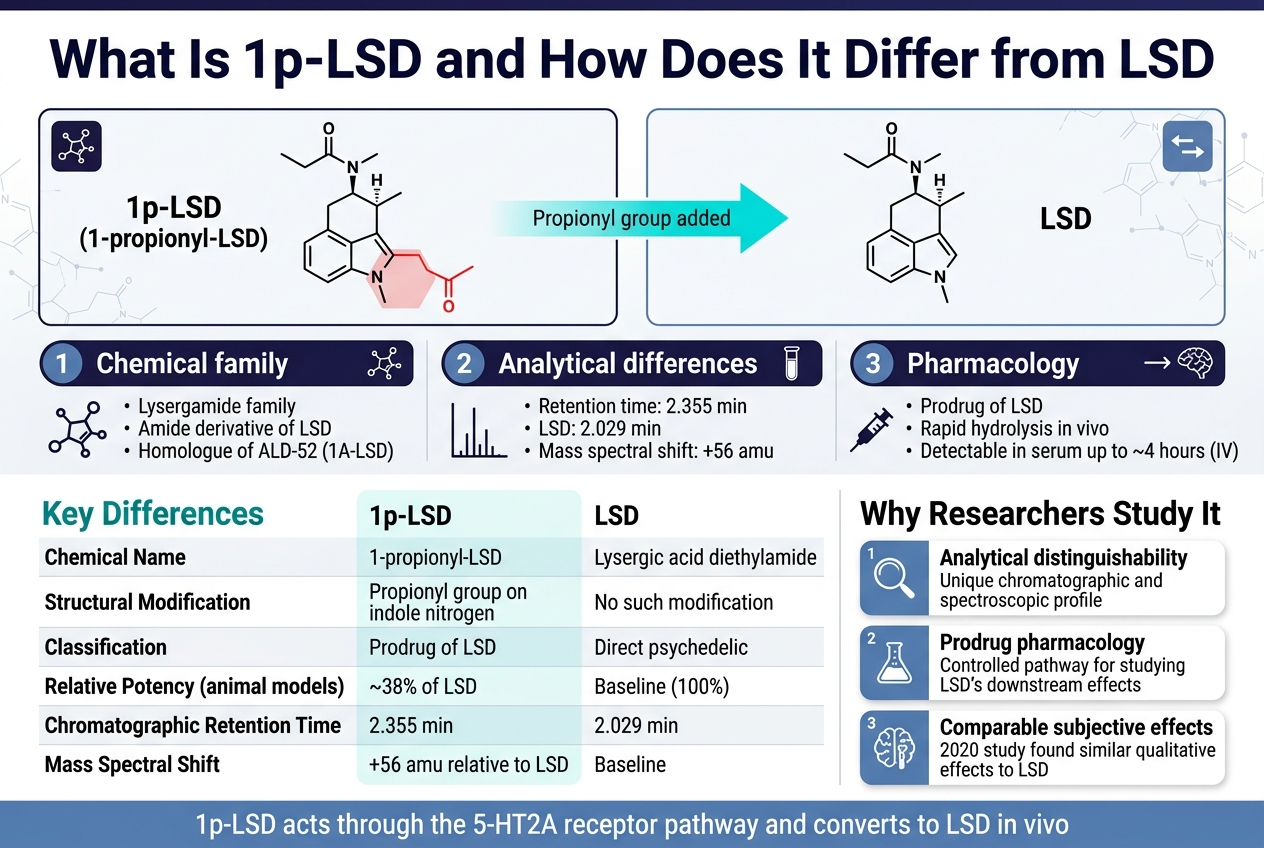
1p-LSD, formally known as 1-propionyl-LSD, belongs to the lysergamide family of psychedelic compounds. It is classified as an amide derivative of LSD and is recognized as a homologue of ALD-52, also referred to as 1A-LSD. The defining chemical modification that sets 1p-LSD apart from its parent compound is the addition of a propionyl group to the nitrogen atom of LSD’s indole group. This seemingly small structural change carries significant implications for how the compound behaves pharmacologically once it enters the body.
From an analytical standpoint, 1p-LSD exhibits distinct chromatographic and spectroscopic characteristics that clearly differentiate it from LSD at the laboratory level. Notably, its retention time clocks in at 2.355 minutes, compared to 2.029 minutes for LSD. Additionally, its mass spectral markers are shifted by 56 atomic mass units (amu) relative to LSD — a direct reflection of the added propionyl group and a reliable marker used in analytical identification.
Key Differences Between 1p-LSD and Traditional LSD
While 1p-LSD and LSD share a close structural relationship, there are important distinctions worth understanding, particularly for researchers and those studying these compounds in a scientific context.
| Feature | 1p-LSD | LSD |
|---|---|---|
| Chemical Name | 1-propionyl-LSD | Lysergic acid diethylamide |
| Structural Modification | Propionyl group on indole nitrogen | No such modification |
| Classification | Prodrug of LSD | Direct psychedelic |
| Serum Detection Window | Up to ~4 hours (IV) | Varies |
| Relative Potency (animal models) | ~38% of LSD | Baseline (100%) |
| Chromatographic Retention Time | 2.355 min | 2.029 min |
| Mass Spectral Shift | +56 amu relative to LSD | Baseline |
One of the most pharmacologically significant differences lies in how 1p-LSD functions in the body. Rather than acting as a direct psychedelic in its own right, 1p-LSD operates as a prodrug for LSD. Upon ingestion, it undergoes rapid hydrolysis in vivo, converting fully into LSD. Intravenous administration studies in humans have shown that 1p-LSD is detectable in serum for no longer than 4 hours, after which it has completely converted to LSD. This conversion mechanism means that the downstream effects are largely driven by LSD itself, even though the compound administered is structurally distinct.
In animal models, 1p-LSD has been shown to produce LSD-like effects through 5-HT2A receptor activation, though it demonstrates approximately 38% of the potency of LSD in these settings. This reduced potency in animal studies is an important data point for researchers calibrating experimental protocols, including those working with 1p-LSD 225mcg blotters.
Why Researchers and Users Choose 1p-LSD
With this in mind, it becomes clearer why 1p-LSD has attracted attention both within the research community and among those exploring psychedelic compounds in jurisdictions where it may occupy a different legal category than LSD itself.
From a research perspective, the compound offers several compelling advantages:
-
Analytical distinguishability — Its unique chromatographic and spectroscopic profile allows researchers to differentiate it clearly from LSD in sample analysis, which is valuable for forensic and pharmacological studies.
-
Prodrug pharmacology — Its behavior as a prodrug for LSD provides a controlled and well-characterized pathway for studying LSD’s downstream effects.
-
Comparable subjective effects — A 2020 study confirmed that the qualitative subjective effects of 1p-LSD are similar to those of LSD, lending scientific credibility to its use as a functional analog in research contexts.
From a practical standpoint, the fact that 1p-LSD produces LSD-like effects through the same 5-HT2A receptor pathway makes it a scientifically relevant compound when LSD itself may be more restricted or challenging to obtain for legitimate research. Its consistent conversion to LSD in vivo means that study outcomes can often be extrapolated meaningfully from the existing body of LSD research.
For those specifically examining 1p-LSD 225mcg blotters, understanding these foundational chemical and pharmacological distinctions is essential context before exploring dosage thresholds, effects, and handling protocols — all of which build directly on the compound’s unique identity within the lysergamide family.
Understanding the 225mcg Dosage
Why 225mcg Is Considered a High Dose
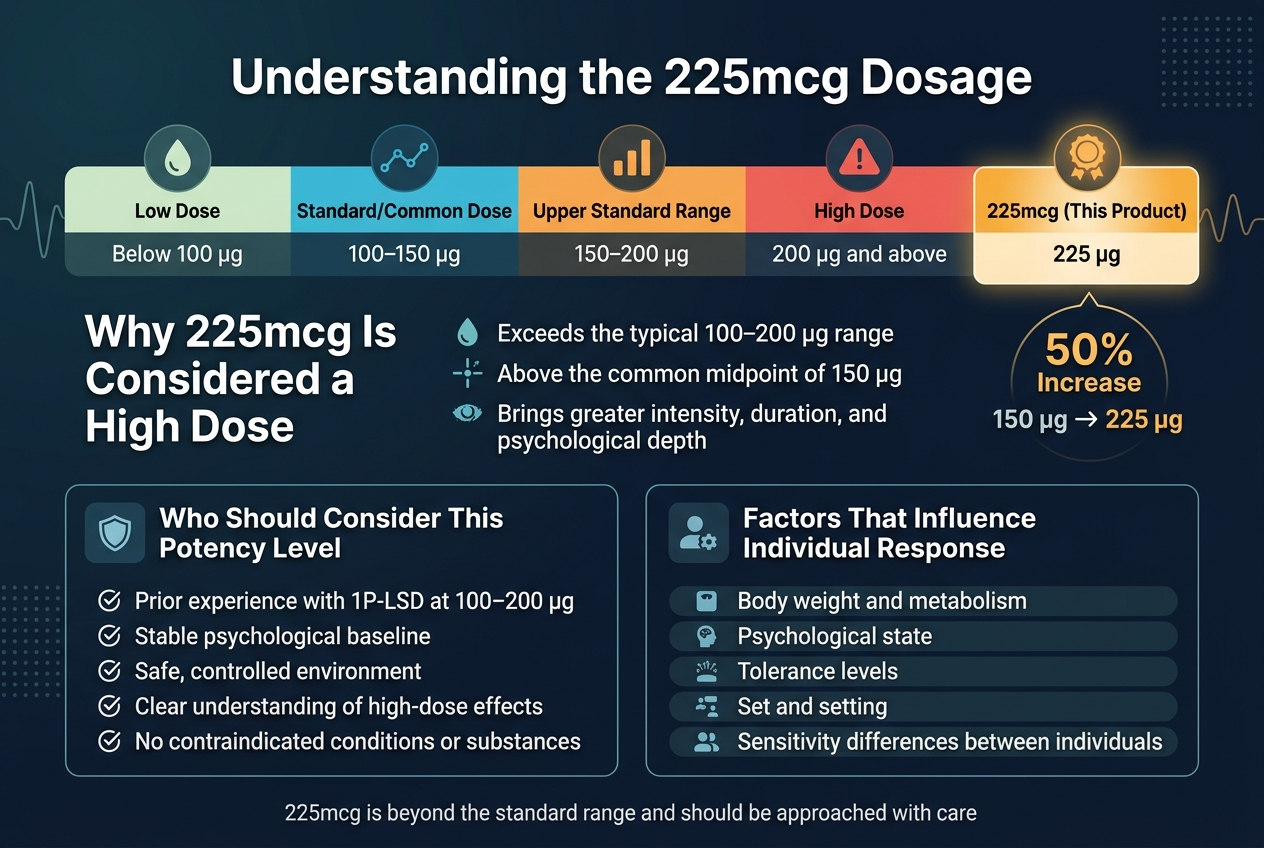
When exploring 1p-LSD 225mcg blotters explained in full detail, the first critical point to understand is why this dosage sits firmly in the high-dose category. The standard dose range for 1P-LSD typically falls between 100 to 200 µg, with a commonly referenced midpoint of around 150 µg. A 225mcg dose exceeds not only the typical range but also pushes well beyond the upper boundary of what is generally considered standard. This places it in territory that demands respect, careful preparation, and a thorough understanding of what lies ahead. For most users, this level of dosage represents a significant step up in intensity, duration, and psychological depth compared to more moderate doses.
How 225mcg Compares to Standard Dosage Ranges
Now that we have covered why 225mcg is categorized as a high dose, it helps to put the numbers side by side for clarity. The table below illustrates where 225mcg falls relative to the recognized dosage spectrum of 1P-LSD:
| Dosage Level | Range (µg) | Description |
|---|---|---|
| Low Dose | Below 100 µg | Mild perceptual shifts, subtle effects |
| Standard/Common Dose | 100 – 150 µg | Typical experience range, moderate effects |
| Upper Standard Range | 150 – 200 µg | Stronger effects, more pronounced psychedelia |
| High Dose | 200 µg and above | Intense, immersive, beyond typical range |
| 225mcg (This Product) | 225 µg | Exceeds upper standard range significantly |
As the table makes clear, 225mcg surpasses both the common estimate of 150 µg and the upper end of the standard range at 200 µg. This is not a marginal difference — it represents a meaningful escalation in potency. Users familiar with standard doses should not assume their prior experiences will fully prepare them for what a 225mcg blotter delivers. The jump from 150 µg to 225 µg is a 50% increase in dosage, which translates to a substantially more intense and prolonged experience.
Who Should Consider This Potency Level
With this in mind, next, we’ll examine who is appropriately positioned to consider a dosage at this level. Given that 225mcg exceeds the established standard and upper-standard ranges, this potency level is not recommended for beginners or those with limited experience with 1P-LSD or similar substances. Individuals who have already navigated lower and mid-range doses — and have done so successfully and safely — may be better equipped to approach this tier. Key considerations include:
-
Prior experience with 1P-LSD at doses within the standard range (100–200 µg)
-
A stable psychological baseline, with no history of adverse reactions at lower doses
-
Access to a safe, controlled environment with trusted support if needed
-
A clear and informed understanding of what a high-dose experience may entail
-
The absence of contraindicated conditions or substances that could interact negatively
This dosage level is best suited for experienced researchers or individuals who have deliberately and methodically worked through lower dosage tiers. Jumping directly to 225mcg without a foundational baseline of prior experience at lower doses would be considered ill-advised and potentially risky.
Factors That Influence Individual Response to 225mcg
Previously, I’ve outlined the standard dosage benchmarks and who this potency may be appropriate for. Now it is equally important to recognize that individual responses to 225mcg of 1P-LSD are not uniform. Even among experienced users, outcomes can vary considerably based on a range of personal and contextual variables. These factors can amplify, moderate, or otherwise alter how the dose is experienced:
-
Body weight and metabolism: Individual physiology plays a role in how substances are processed and how intensely effects manifest.
-
Psychological state at the time of use: Emotional and mental readiness significantly shapes the nature of the experience at high doses.
-
Tolerance levels: Prior recent exposure to 1P-LSD or related substances can reduce sensitivity, meaning the same 225mcg dose may feel less intense for someone with built-up tolerance compared to someone who has abstained.
-
Set and setting: The mindset going in and the physical environment are well-recognized variables that influence the quality and character of a high-dose experience.
-
Sensitivity differences between individuals: Some people are inherently more sensitive to psychedelic compounds than others, meaning the same 225mcg dose can produce markedly different responses across individuals.
Understanding these variables is essential when approaching a dose that already sits above the standard range. No two individuals will respond identically to 225mcg, and accounting for personal factors is a fundamental part of responsible engagement with this potency level.
How 1p-LSD Blotters Are Made and Dosed
The Blotter Paper Format and Its Advantages
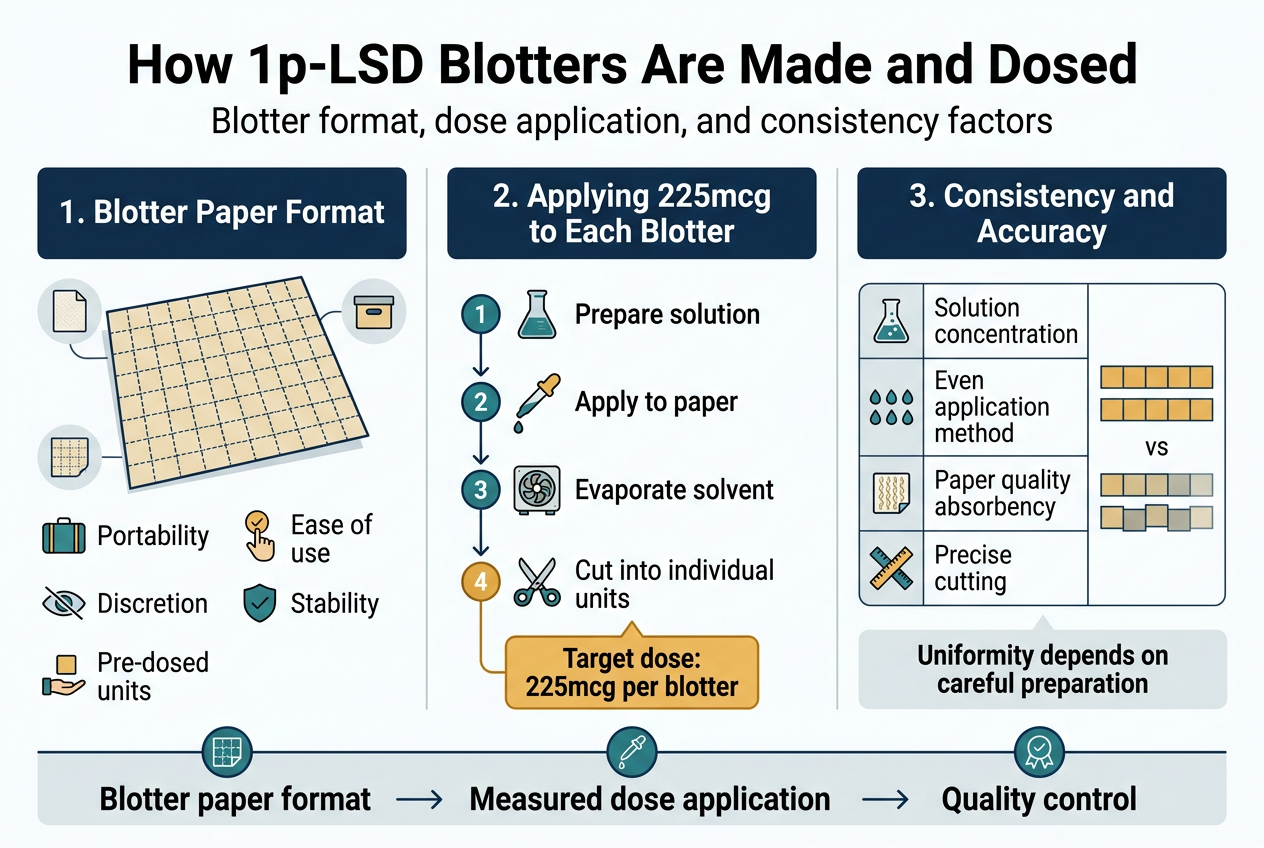
When exploring 1p-LSD 225mcg blotters explained in full detail, it is essential to start with the format itself. Blotter paper is one of the most widely recognized and utilized delivery formats for 1P-LSD within the research chemical space. Alongside powdered material, blotter paper represents a primary physical form in which 1P-LSD is made available, and for good reason.
The blotter format offers several practical advantages that make it a preferred choice:
-
Portability: Blotter sheets are lightweight, thin, and easy to store without requiring specialized containers.
-
Discretion: The small, paper-based format is unobtrusive and straightforward to handle in a research setting.
-
Pre-dosed units: Each individual blotter square represents a single unit, making it simpler to work with defined quantities during research applications.
-
Stability: When stored correctly, blotter paper provides a relatively stable medium for the compound compared to loose powder, which may require more controlled handling conditions.
-
Ease of use: The blotter format eliminates the need for precise weighing at the point of use, as the dosing work is completed during the preparation phase.
These characteristics collectively make blotter paper a well-established and practical format within the research chemical field, distinguishing it from powdered material forms that demand additional handling expertise and equipment.
How 225mcg Is Measured and Applied to Each Blotter
With the format advantages now clear, it is worth examining how a specific quantity like 225mcg is associated with each individual blotter unit. Within the research chemical industry, 1P-LSD is available in blotter form, where each sheet or individual tab is intended to represent a defined amount of the compound.
The process of applying a measured quantity to blotter paper generally involves the following conceptual steps, consistent with how research chemical blotters are prepared in this field:
-
Preparation of a solution: The compound, in its powdered form, is dissolved into an appropriate solvent to create a consistent liquid solution at a known concentration.
-
Application to paper: The blotter paper is then exposed to this solution, either by dipping, pipetting, or another controlled method, ensuring that the liquid is absorbed evenly across the surface.
-
Evaporation of solvent: Once the solution is applied, the solvent is allowed to evaporate, leaving behind the compound deposited within the paper fibers.
-
Cutting into individual units: The treated sheet is then cut into individual blotter squares, each theoretically containing the target dose — in this case, 225mcg.
The 225mcg dosage per blotter represents a notably higher concentration compared to more commonly referenced lower-dose blotters, reflecting its specific positioning within the research chemical market as a higher-dose format intended for advanced research purposes.
Ensuring Consistency and Accuracy Across Blotters
Now that we have covered how the 225mcg dose is conceptually applied to blotter paper, the next critical consideration is consistency across individual units. In the research chemical context, where 1P-LSD blotters are produced for research applications, maintaining uniformity across each tab is a fundamental quality concern.
Key factors that influence consistency in blotter production include:
| Factor | Relevance to Consistency |
|---|---|
| Solution concentration | A precisely prepared solution ensures uniform compound distribution per unit volume |
| Even application method | Controlled application across the full sheet prevents hot spots or uneven absorption |
| Paper quality and absorbency | Uniform blotter paper ensures consistent uptake of the compound solution |
| Precise cutting | Standardized cutting ensures each tab represents an equal portion of the treated sheet |
When any of these variables are inconsistent, the result can be variation between individual blotter tabs — meaning that one tab may contain more or less than the intended 225mcg. This is why 1P-LSD blotters available as research chemicals are typically produced under conditions that attempt to address each of these variables systematically.
For researchers and handlers working with 1P-LSD 225mcg blotters, understanding that consistency is dependent on the quality of the preparation process is important context. Blotters available in both blotter and powdered material forms within the research chemical market may vary in their production standards, making sourcing from reputable suppliers a relevant consideration for those prioritizing accuracy in their work.
Effects You Can Expect from 225mcg of 1p-LSD
Physical Sensations and Timeline of Onset
When exploring 1p-LSD 225mcg blotters explained in practical terms, understanding what happens in your body first is essential. At 225mcg, 1p-LSD delivers a notably high-dose experience, and the physical onset follows a recognizable timeline.
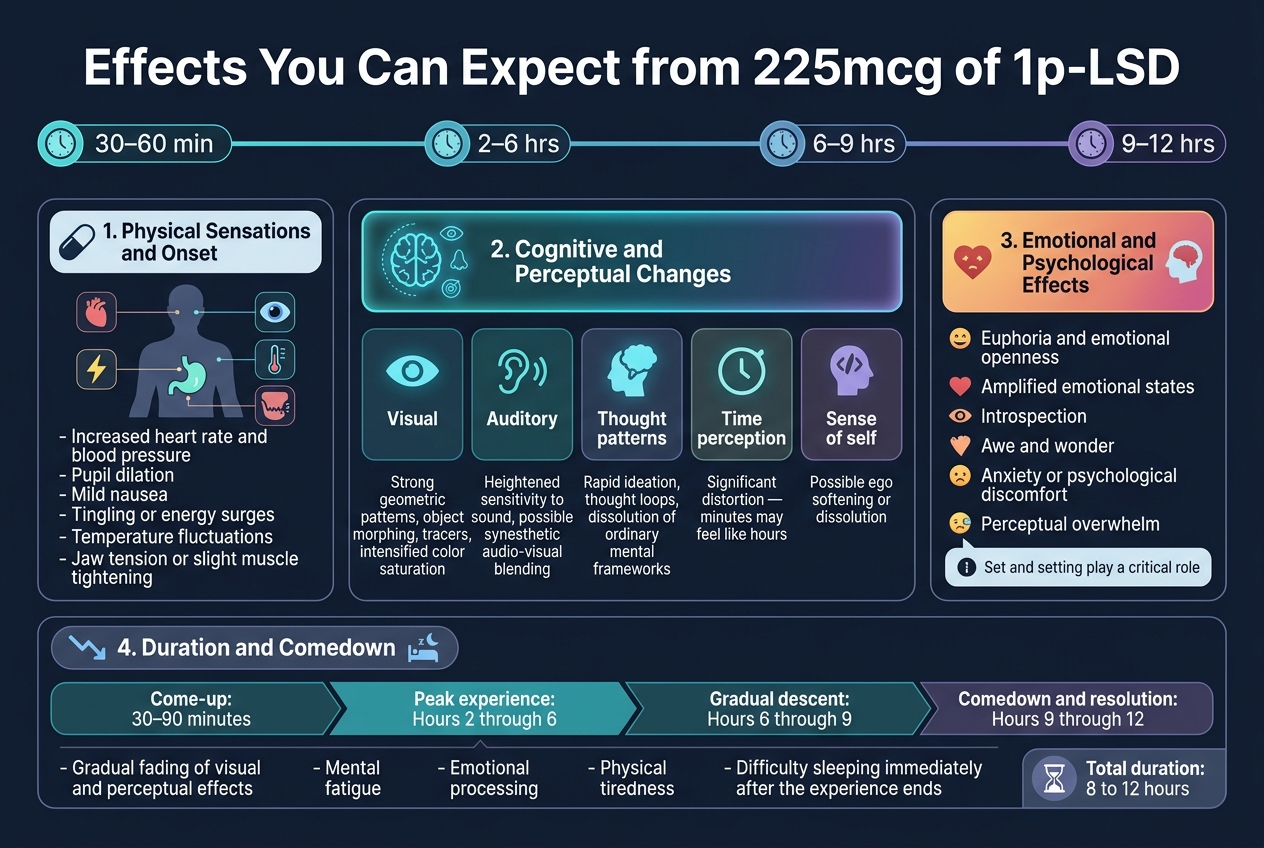
The initial elimination half-life of 1p-LSD is approximately 0.2 hours, meaning the compound moves through early metabolic conversion rapidly. Users typically begin noticing the first physical signals within 30 to 60 minutes of sublingual or oral administration. These early sensations can include:
-
Increased heart rate and blood pressure
-
Pupil dilation
-
Mild nausea during the come-up phase
-
Tingling or energy surges throughout the body
-
Temperature fluctuations — alternating feelings of warmth and chills
-
Jaw tension or slight muscle tightening
These physical markers signal that the substance is becoming active and that the full perceptual effects are approaching. The rapid early half-life reflects how quickly 1p-LSD begins converting and engaging biological pathways, setting the stage for the prolonged experience ahead.
Cognitive and Perceptual Changes at This Dose
With this in mind, next, we’ll see how 225mcg affects perception and cognition — the domain where the experience becomes most pronounced.
Based on research, the subjective effects of 1p-LSD are generally comparable to those of LSD, with a 2020 study specifically indicating similar qualitative effects between the two compounds. At a 225mcg dose — which sits well above a standard threshold — the cognitive and perceptual changes are expected to be intense and wide-ranging.
Users at this dosage level can expect:
| Perceptual Domain | Expected Changes |
|---|---|
| Visual | Strong geometric patterns, object morphing, tracers, intensified color saturation |
| Auditory | Heightened sensitivity to sound, possible synesthetic audio-visual blending |
| Thought patterns | Rapid ideation, thought loops, dissolution of ordinary mental frameworks |
| Time perception | Significant distortion — minutes may feel like hours |
| Sense of self | Possible ego softening or dissolution at this dose range |
Because 1p-LSD’s subjective profile mirrors LSD closely, the cognitive intensity at 225mcg is expected to be substantial. Rational thought may become less linear, abstract thinking may dominate, and sensory input may blend in ways not typically experienced at lower dose ranges.
Emotional and Psychological Effects
Previously, I’ve outlined the perceptual dimension of a 225mcg 1p-LSD experience. Now, it is equally important to address the emotional and psychological landscape that accompanies it.
Given that subjective effects of 1p-LSD are considered comparable to those of LSD based on available research, the emotional dimension at 225mcg is expected to be deeply immersive. The psychological effects can span a wide spectrum depending on the individual’s mindset and environment:
-
Euphoria and emotional openness — a strong sense of connection, warmth, or joy
-
Amplified emotional states — both positive and challenging emotions may feel significantly more intense than usual
-
Introspection — deep self-reflection and examination of personal beliefs, relationships, or past experiences
-
Awe and wonder — a profound sense of meaning or interconnectedness
-
Anxiety or psychological discomfort — especially if the environment or mindset is not well-prepared; at 225mcg, this risk is meaningfully elevated compared to lower doses
-
Perceptual overwhelm — the intensity of stimuli may trigger moments of psychological unease
It is worth noting that the comparable profile to LSD suggests that set and setting play a critical role in shaping whether the emotional experience trends toward profound insight or psychological difficulty. At this dose level, the psychological effects are not mild — they represent a high-intensity engagement with one’s inner world.
Duration and Comedown Experience
Now that we have covered the emotional and psychological terrain, understanding the full timeline through to the comedown gives a complete picture of a 225mcg 1p-LSD blotter experience.
The total duration of action for 1p-LSD is approximately 8 to 12 hours for most people, and this window encompasses the full arc — from onset through peak to resolution. Here is how that timeline typically unfolds:
| Phase | Approximate Timing |
|---|---|
| Come-up | 30–90 minutes after administration |
| Peak experience | Hours 2 through 6 approximately |
| Gradual descent | Hours 6 through 9 |
| Comedown and resolution | Hours 9 through 12 |
The comedown phase at the end of an 8–12 hour experience with a 225mcg dose is generally characterized by:
-
Gradual fading of visual and perceptual effects
-
Mental fatigue — the sustained cognitive intensity over many hours demands significant energy
-
Emotional processing — users often reflect on the content of the experience during this phase
-
Physical tiredness — body load from hours of heightened physiological activation
-
Difficulty sleeping immediately after the experience ends, due to residual stimulation
The total 8 to 12-hour duration at this dose is an important practical consideration. Planning adequate time — ideally an entire day with a clear following day for rest — is consistent with what the pharmacokinetic and subjective data indicate about this compound’s profile.
Safe Handling and Storage of 1p-LSD Blotters
Proper Storage Conditions to Preserve Potency
When working with 1p-LSD 225mcg blotters, understanding how to store them correctly is a foundational concern. Research into the chemical stability of 1P-LSD has confirmed that storage conditions play a meaningful role in how well the compound retains its integrity over time. Studies have examined how 1P-LSD behaves under varying environmental conditions, underscoring the importance of being deliberate and informed when deciding where and how to keep your blotters.
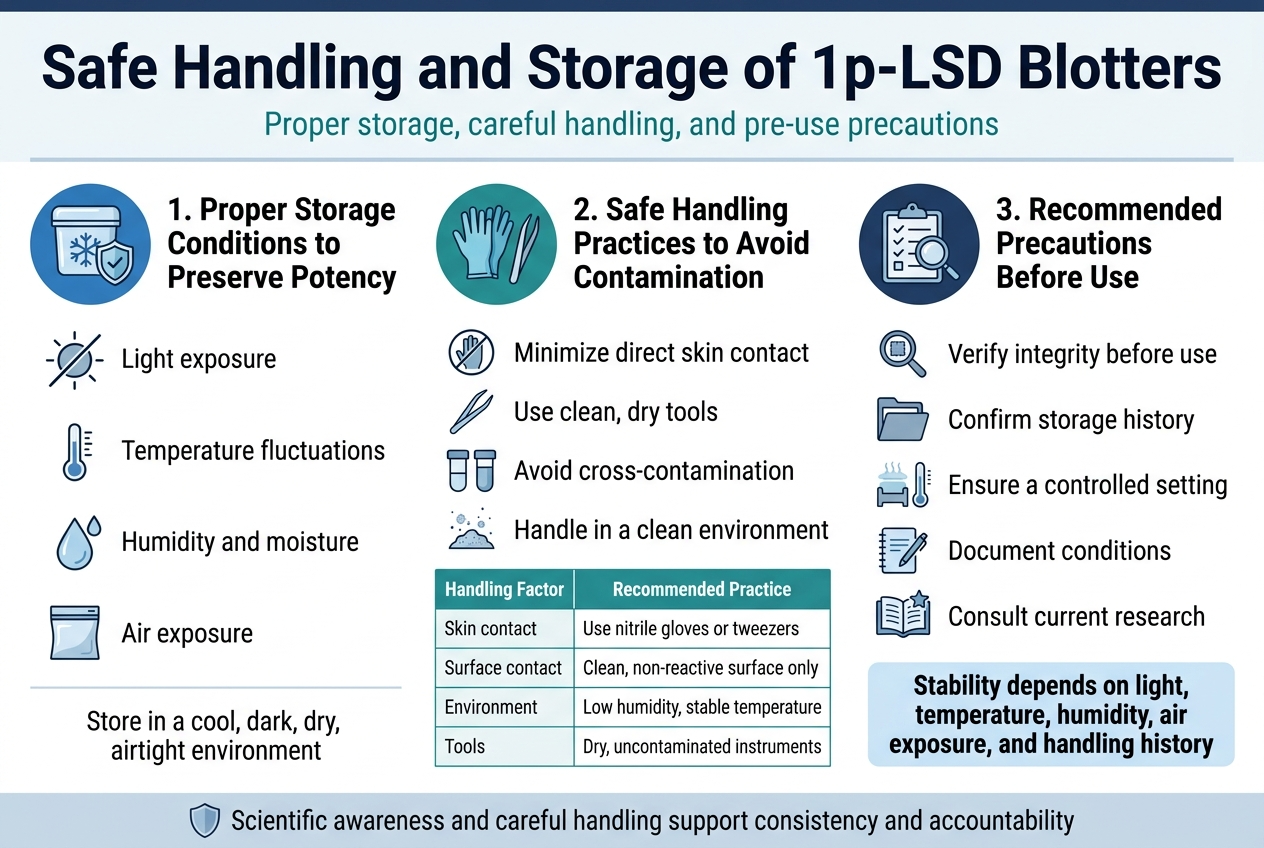
Key factors that are known to influence chemical stability in compounds like 1P-LSD include:
-
Light exposure – UV and direct light can degrade sensitive compounds rapidly
-
Temperature fluctuations – Extreme heat or cold cycling can compromise structural integrity
-
Humidity and moisture – Moisture is a common enemy of blotter-based compounds
-
Air exposure – Oxidation can occur when compounds are not sealed properly
With these principles in mind, the scientific investigation into 1P-LSD stability provides a framework for responsible storage, even where highly specific guidelines remain under ongoing study.
Safe Handling Practices to Avoid Contamination
Now that we have covered storage conditions, it is equally important to address how you physically interact with 1p-LSD 225mcg blotters. Chemical stability studies on 1P-LSD highlight that environmental interactions — including those introduced through handling — can be a significant variable in preserving the compound’s consistency and purity.
General best practices aligned with chemical compound handling include:
-
Minimize direct skin contact – Oils and moisture from skin can introduce contaminants to the blotter surface
-
Use clean, dry tools – Tweezers or gloves are preferable when separating or moving individual blotters
-
Avoid cross-contamination – Keep blotters away from other substances, chemicals, or strong odors
-
Handle in a clean environment – A stable, dust-free, well-lit workspace reduces the risk of accidental contamination or loss
| Handling Factor | Recommended Practice |
|---|---|
| Skin contact | Use nitrile gloves or tweezers |
| Surface contact | Clean, non-reactive surface only |
| Environment | Low humidity, stable temperature |
| Tools | Dry, uncontaminated instruments |
These practices align with the broader scientific understanding of 1P-LSD’s sensitivity to environmental variables, as reflected in stability research.
Recommended Precautions Before Use
With this in mind, next, we’ll see that taking precautions before interacting with 1p-LSD 225mcg blotters goes beyond just storage and handling — it extends to the conditions and context surrounding their use. While specific pre-use protocols for 1P-LSD remain an area where formal data continues to develop, the chemical stability studies conducted on the compound reinforce several broadly applicable precautions that responsible individuals should observe:
-
Verify integrity before use – Inspect the blotter visually for signs of degradation, discoloration, or physical damage that may have occurred during storage
-
Confirm storage history – If the blotter has been exposed to unfavorable conditions (heat, moisture, light), its reliability may be compromised
-
Ensure a controlled setting – Environmental stability matters not only for the compound itself but for the context in which it is engaged with
-
Document conditions – Keeping a simple log of storage duration, temperature range, and handling history supports consistency and accountability
-
Consult current research – Given that chemical stability studies on 1P-LSD are ongoing, staying informed about the latest findings is an important precautionary step
Previously, I’ve outlined that research has actively investigated 1P-LSD under varying conditions — this ongoing scientific engagement is itself a signal that users, researchers, and handlers should approach 1p-LSD 225mcg blotters with a well-informed and cautious mindset at every stage of interaction.
Legal Status and Research Applications of 1p-LSD
Current Legal Landscape Across Different Regions
Understanding where 1p-LSD 225mcg blotters stand legally is essential before any purchase or handling. The legal status of 1p-LSD varies significantly from one jurisdiction to another, and being informed can save researchers and institutions from serious legal consequences.
Here is a breakdown of the current legal landscape by region:
| Region | Legal Status |
|---|---|
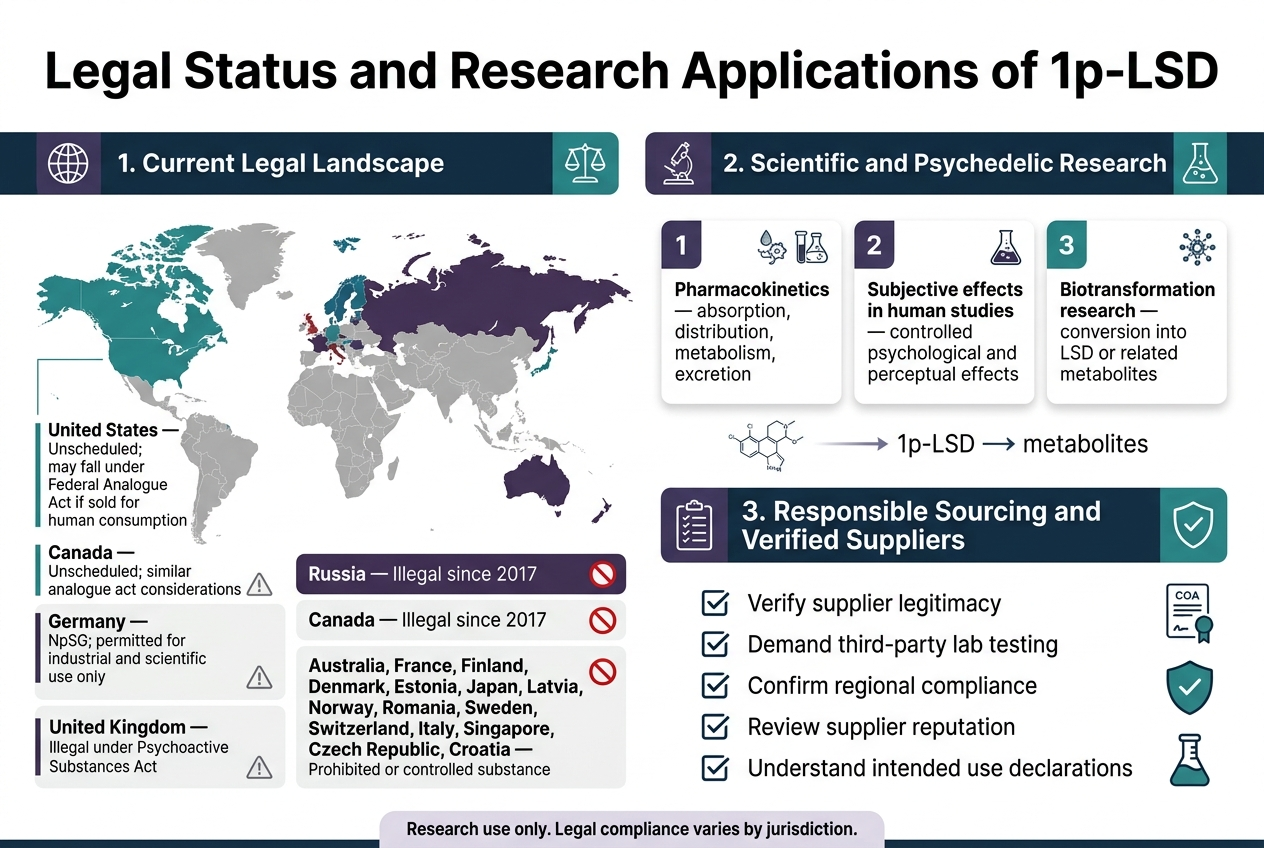
| United States | Unscheduled, but may fall under the Federal Analogue Act if sold for human consumption |
| Canada | Unscheduled, with similar analogue act considerations |
| Germany | Classified under NpSG — permitted for industrial and scientific use only |
| Russia | Illegal since 2017 as an LSD derivative |
| United Kingdom | Illegal under the Psychoactive Substances Act |
| Australia | Prohibited or controlled substance |
| France | Prohibited or controlled substance |
| Finland | Prohibited or controlled substance |
| Denmark | Prohibited or controlled substance |
| Estonia | Prohibited or controlled substance |
| Japan | Prohibited or controlled substance |
| Latvia | Prohibited or controlled substance |
| Norway | Prohibited or controlled substance |
| Romania | Prohibited or controlled substance |
| Sweden | Prohibited or controlled substance |
| Switzerland | Prohibited or controlled substance |
| Italy | Prohibited or controlled substance |
| Singapore | Prohibited or controlled substance |
| Czech Republic | Prohibited or controlled substance |
| Croatia | Prohibited or controlled substance |
In the United States and Canada, where 1p-LSD remains unscheduled, it occupies a legally gray zone. While not explicitly listed as a controlled substance, the Federal Analogue Act in the U.S. can classify it as an illegal analogue of LSD if it is intended for human consumption. This nuance makes compliance particularly important for suppliers and researchers operating in these regions.
Germany offers one of the clearer frameworks, classifying 1p-LSD under the Neue-psychoaktive-Stoffe-Gesetz (NpSG), which explicitly permits its use for industrial and scientific research while restricting recreational or general consumer use. This model serves as a reference point for how research chemicals can be regulated in a balanced and purposeful manner.
Now that we have covered the regional legal picture, it is equally important to understand how 1p-LSD is being used within legitimate scientific frameworks.
Use of 1p-LSD in Scientific and Psychedelic Research
With this in mind, the scientific community has taken a growing interest in 1p-LSD as a research tool. Originally synthesized by Lizard Labs, a Netherlands-based research chemical laboratory, 1p-LSD was designed as a legal alternative to LSD while maintaining closely related pharmacological properties. This origin underscores its primary intent: to serve research rather than recreational use.
1p-LSD is actively employed in several areas of scientific inquiry, including:
-
Pharmacokinetics — Researchers study how 1p-LSD is absorbed, distributed, metabolized, and excreted within biological systems to understand its behavior in the body over time.
-
Subjective effects in human studies — Controlled studies examine the psychological and perceptual effects of 1p-LSD on human participants, contributing to the broader understanding of psychedelic pharmacology.
-
Biotransformation research — Scientists investigate how 1p-LSD is chemically transformed within living organisms, including how it may convert into LSD or related metabolites during this process.
These research applications are particularly valuable in the context of the broader psychedelic research renaissance, where understanding the mechanisms and effects of lysergamide compounds is gaining scientific and clinical relevance. Because 1p-LSD shares structural and functional similarities with LSD, findings from 1p-LSD studies can offer meaningful insights into classical psychedelic pharmacology.
For institutions and researchers considering the use of 1p-LSD 225mcg blotters in controlled settings, it is critical to ensure that the work is conducted within the legal frameworks of the applicable jurisdiction — particularly under models like Germany’s NpSG, which explicitly sanctions scientific use.
Responsible Sourcing and Verified Suppliers
Previously, I’ve outlined the legal considerations and research applications surrounding 1p-LSD. With this foundation established, sourcing becomes the final critical element in ensuring both legal compliance and research integrity.
1p-LSD is available as a research chemical and can be legally sold for medical and research purposes in regions where it is not explicitly prohibited. However, responsible sourcing is not optional — it is a necessity. Here are key principles to follow when sourcing 1p-LSD 225mcg blotters:
-
Verify supplier legitimacy — Work only with suppliers who operate transparently within their legal jurisdiction and provide documented proof of the compound’s identity and purity.
-
Demand third-party lab testing — Reliable suppliers will offer certificates of analysis (COAs) from independent laboratories confirming the substance’s composition, concentration, and absence of contaminants.
-
Confirm regional compliance — Ensure that both the supplier and the end-use context align with local regulations. A supplier based in a permissive jurisdiction cannot make the substance legal in a restricted one.
-
Review supplier reputation — In the research chemical space, supplier history, transparency, and peer reviews within the scientific community are valuable indicators of reliability.
-
Understand intended use declarations — Reputable suppliers will clearly state that products are sold strictly for research purposes and not for human consumption, which is a critical legal distinction in countries like the United States and Canada.
Lizard Labs, the Netherlands-based laboratory credited with first synthesizing 1p-LSD, represents the kind of origin point researchers should look for — a scientifically motivated institution with a clear research mandate. Sourcing from suppliers with similarly verifiable credentials minimizes both legal risk and the potential for receiving mislabeled or impure product.
Responsible sourcing is ultimately an extension of good research practice. In a field where the compounds involved are both legally sensitive and pharmacologically potent, due diligence at every stage — from procurement to handling — is what separates rigorous scientific inquiry from unverified and potentially hazardous experimentation.
7 FAQ
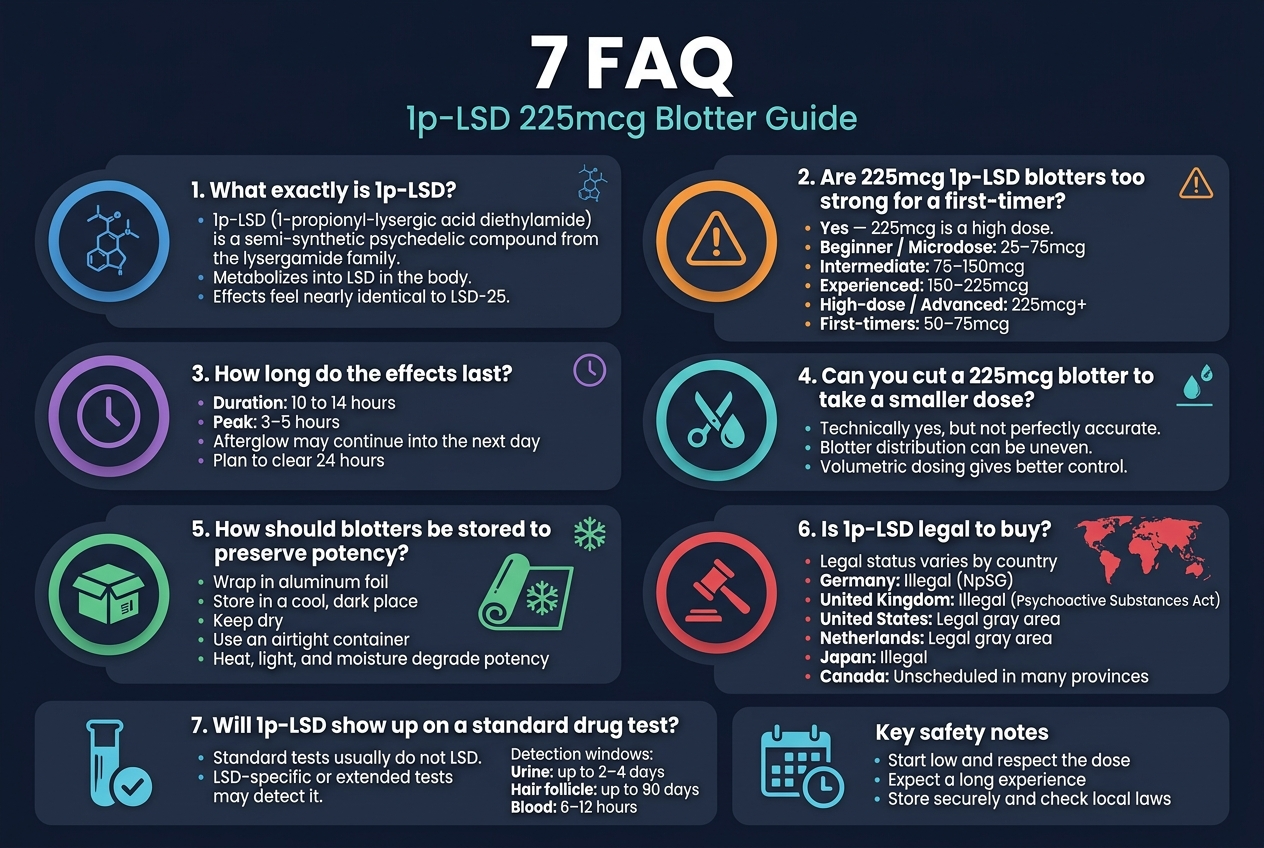
What exactly is 1p-LSD?
1p-LSD (1-propionyl-lysergic acid diethylamide) is a semi-synthetic psychedelic compound from the lysergamide family. It’s a close structural analog of LSD-25, with a propionyl group attached to the nitrogen at the 1-position of the indole ring. When ingested, the body metabolizes it into LSD, which is why the effects feel nearly identical to traditional LSD in terms of character, duration, and intensity.
Are 225mcg 1p-LSD blotters too strong for a first-timer?
Yes, 225mcg is considered a high dose and is not recommended for people who have never used psychedelics before. Here’s a rough dose breakdown for context:
| Dose Range | Experience Level |
|---|---|
| 25–75mcg | Beginner / Microdose |
| 75–150mcg | Intermediate |
| 150–225mcg | Experienced |
| 225mcg+ | High-dose / Advanced |
First-timers are strongly advised to start at 50–75mcg to understand how their body and mind respond before working up to higher doses. At 225mcg, visuals are intense, thought loops can become overwhelming, and ego dissolution is a real possibility.
How long do the effects of a 225mcg 1p-LSD blotter last?
At this dose level, expect the experience to run for 10 to 14 hours, sometimes longer depending on:
-
Individual metabolism
-
Body weight and sensitivity
-
Whether food was eaten beforehand
-
The person’s prior psychedelic experience
The peak typically hits around the 3–5 hour mark and can feel relentless at 225mcg. The afterglow or “comedown” phase often stretches into the following day, so clearing your schedule for at least 24 hours is a smart move.
Can you cut a 225mcg blotter to take a smaller dose?
Technically yes, but it’s not perfectly accurate. Blotter paper is soaked in a solution and then dried, meaning the distribution of the compound across the paper can be slightly uneven. If you cut a 225mcg blotter in half hoping to get exactly 112.5mcg, you might get 100mcg or 125mcg instead.
If precision matters to you, volumetric dosing is a better approach:
-
Place the blotter in a measured volume of distilled water or ethanol
-
Allow it to dissolve fully
-
Drink a precise fraction of the liquid
This method gives you much better control over your dose.
How should 1p-LSD blotters be stored to preserve potency?
1p-LSD degrades when exposed to heat, light, and moisture. To keep blotters potent:
-
Wrap them in aluminum foil to block light
-
Store in a cool, dark place like a fridge or freezer
-
Keep them dry — humidity is a fast way to destroy potency
-
Use an airtight container to minimize oxygen exposure
Stored correctly, 1p-LSD blotters can maintain their potency for a year or more. Leaving them in a warm car or on a sunlit desk can degrade them within days.
Is 1p-LSD legal to buy?
The legal status of 1p-LSD varies by country. It was developed partly as a research chemical that would exist in a legal gray area in many jurisdictions since it wasn’t specifically named in controlled substance laws. Here’s a quick overview:
| Country | Status |
|---|---|
| Germany | Illegal (NpSG) |
| United Kingdom | Illegal (Psychoactive Substances Act) |
| United States | Legal gray area (not scheduled, but analog act may apply) |
| Netherlands | Legal gray area |
| Japan | Illegal |
| Canada | Unscheduled in many provinces |
Laws change frequently, so always check the most current regulations in your specific country before purchasing or possessing 1p-LSD 225mcg blotters.
Will 1p-LSD show up on a standard drug test?
Standard urine drug tests typically screen for LSD metabolites. Since 1p-LSD metabolizes into LSD in the body, there is a real possibility it could trigger a positive result on an LSD-specific panel. However, LSD is not part of most standard 5-panel or 10-panel drug tests used in workplaces.
Specialized extended tests that include LSD screening could potentially flag 1p-LSD use. The detection window for LSD metabolites in urine is generally:
-
Urine: Up to 2–4 days
-
Hair follicle: Up to 90 days (rare testing method)
-
Blood: 6–12 hours
If drug testing is a concern, this is a factor worth taking seriously before using 1p-LSD at any dose, including the 225mcg blotter format.
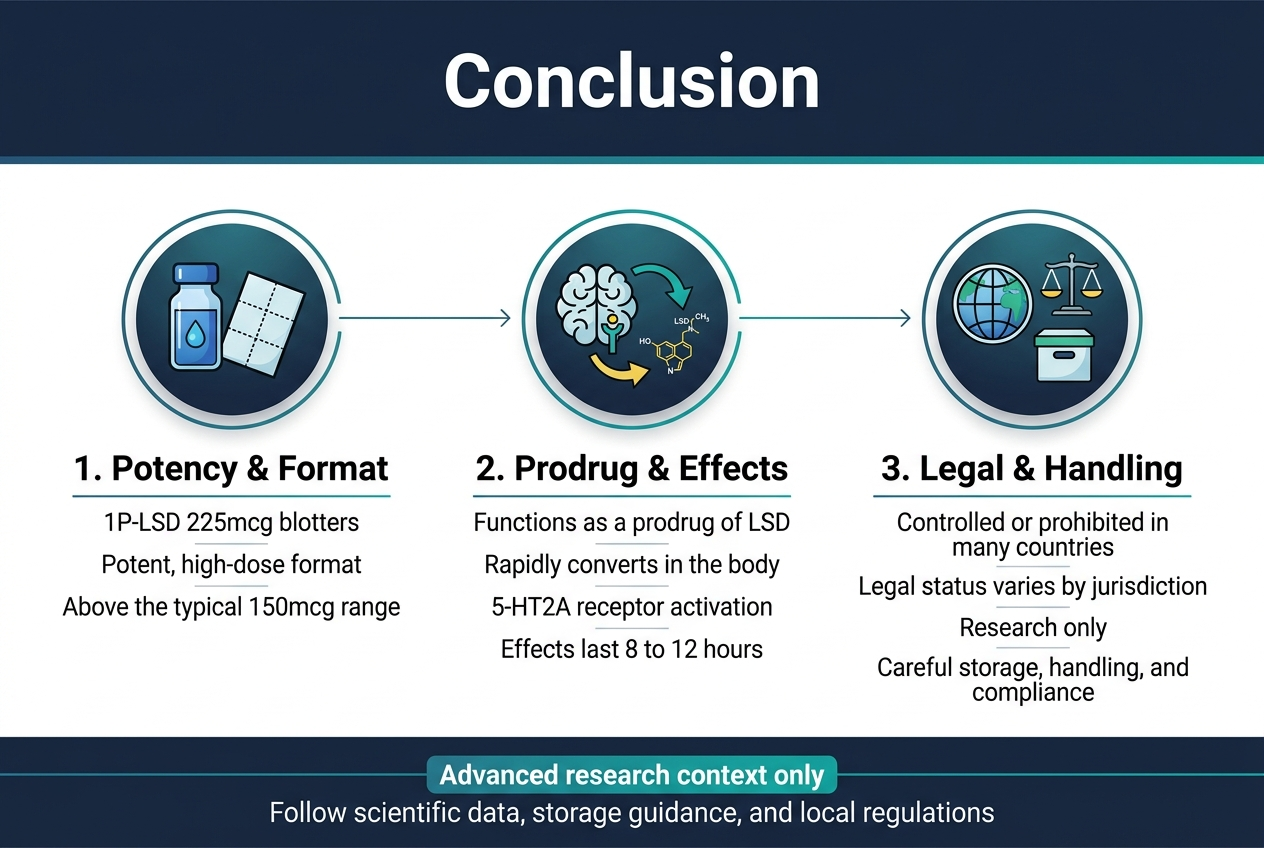
1P-LSD 225mcg blotters represent a potent, high-dose format of a compound that functions as a prodrug of LSD, rapidly converting to LSD in the body following ingestion. With effects lasting 8 to 12 hours and activity mediated through 5-HT2A receptor activation, this dosage sits well above the typical 150mcg range, making it relevant primarily for advanced research contexts. Understanding how these blotters are manufactured, dosed, and stored is essential for anyone working with this compound in a scientific or analytical setting.
The legal landscape surrounding 1P-LSD varies significantly by country, with the substance controlled or prohibited in numerous jurisdictions including Australia, Germany, the UK, and many others, while remaining unscheduled in places like the United States and Canada—though not without legal nuance. Anyone handling 1P-LSD 225mcg blotters should thoroughly research the regulations applicable in their jurisdiction and treat the compound strictly within the boundaries of legitimate research. Responsible use of available scientific data, combined with careful attention to storage, handling, and legal compliance, remains the most important takeaway when engaging with this research chemical.
Complete Guide to 1P-LSD Blotters 250mcg: Effects, Dosage, and Safety
1P-LSD Blotters 250mcg: Effects, Dosage
1P-LSD blotters 250mcg have become a popular research chemical among psychonauts, scientists, and anyone curious about lysergamide compounds. This comprehensive guide breaks down what you need to know about 1P-LSD 250mcg dosage, effects, and safety considerations.
1P-LSD acts as a prodrug that converts to LSD in your body, delivering similar psychedelic experiences with some key differences. The 250mcg dose sits on the higher end of the typical range, making proper understanding crucial before considering research or personal use.
We’ll explore the chemical structure and properties that make 1P-LSD unique among lysergamides, dive into dosage guidelines and how this compound compares in potency to regular LSD, and examine the effects timeline and what users can expect. You’ll also get clear information about legal status, safety research, and answers to the most common questions about 1P-LSD blotters.
Understanding 1P-LSD Chemical Properties and Structure
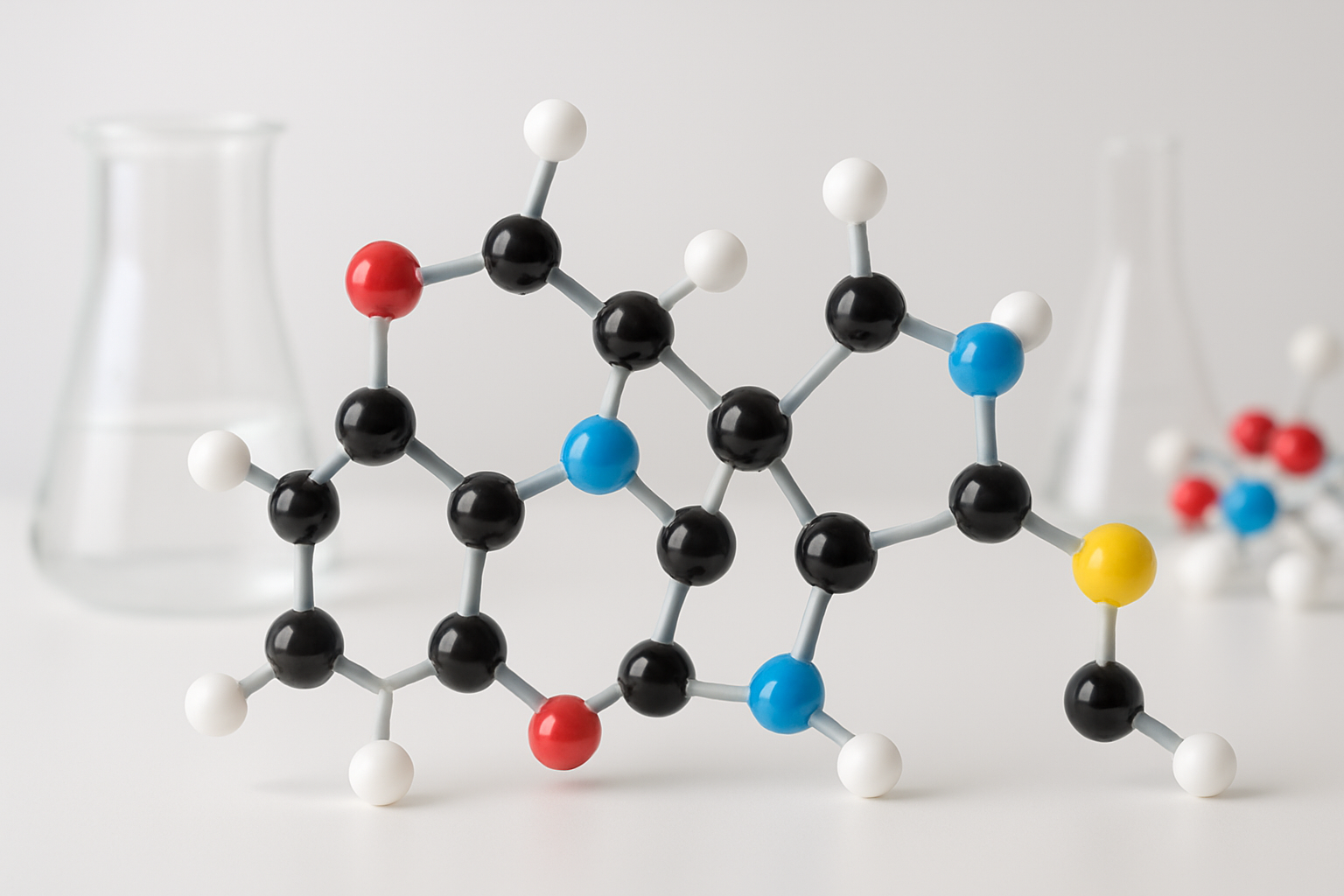
Chemical composition and molecular structure
1P-LSD exhibits a complex molecular architecture with the chemical formula C23H29N3O2 and a molar mass of 379.504 g·mol⁻¹. The compound’s IUPAC nomenclature reflects its intricate structure: (6aR,9R)-N,N-diethyl-7-methyl-4-propanoyl-6,6a,8,9-tetrahydroindolo[4,3-fg]quinoline-9-carboxamide. This psychedelic substance belongs to the lysergamide family and represents a sophisticated modification of the classic LSD molecule. The structural alteration involves the strategic addition of a propionyl group to the nitrogen atom within LSD’s indole group, creating what chemists classify as an ester derivative of LSD and a homologue of ALD-52.
Relationship to LSD as a prodrug
The fundamental relationship between 1P-LSD and LSD centers on 1P-LSD’s function as a prodrug. This pharmacological classification means that 1P-LSD itself may not be the primary active compound responsible for psychoactive effects. Instead, it serves as a precursor molecule that the body metabolically converts into the actual psychoactive substance – LSD. This prodrug mechanism has significant implications for understanding how 1P-LSD blotters 250mcg function within biological systems and explains the compound’s unique pharmacokinetic profile.
Conversion process to LSD in the human body
Scientific research reveals that 1P-LSD undergoes rapid biotransformation through hydrolysis of its propionyl group, effectively converting it to LSD within the human body. Laboratory studies demonstrate this conversion process across multiple biological systems. When 1P-LSD is incubated in human serum or liver cells, researchers consistently observe the formation of high LSD concentrations alongside relatively low levels of the original 1P-LSD compound.
Animal studies using intravenous administration in rats corroborate these findings, showing similar conversion patterns. Human pharmacokinetic data provides the most compelling evidence for this rapid transformation. Following both oral and intravenous administration to human subjects, analytical testing reveals high LSD levels with correspondingly low 1P-LSD concentrations. The conversion process operates with remarkable efficiency – after intravenous administration, 1P-LSD remains detectable in human serum for no longer than four hours, after which complete conversion to LSD occurs.
Chemical stability and storage considerations
The chemical stability characteristics of 1P-LSD have been systematically evaluated through scientific investigation. Understanding these stability parameters proves crucial for researchers and individuals handling 1P-LSD 250mcg blotters, as proper storage conditions directly impact compound integrity and potency retention. Research findings on 1P-LSD’s chemical stability inform best practices for maintaining the compound’s molecular structure over time.
Dosage Guidelines and Potency Comparison
Standard dose range of 100-200 mcg
The established dose range for 1P-LSD spans from 100 to 200 micrograms, representing the therapeutic window where users can expect consistent psychoactive effects. This range has been determined through research and anecdotal reports, providing a baseline for researchers and those studying this compound. The lower end of this spectrum typically produces milder effects, while approaching the upper limit intensifies the experience significantly.
Typical dose recommendation of 150 mcg
Within the standard range, a typical dose estimate of 150 micrograms has emerged as the most commonly recommended amount for 1P-LSD research. This middle-ground dosage offers a balanced experience that allows researchers to study the compound’s effects without venturing into potentially overwhelming territory. The 150 mcg recommendation serves as an optimal starting point for those investigating the substance’s properties and behavioral responses.
250 mcg dosage considerations and effects
Now that we have covered the standard dosing parameters, it’s important to examine higher doses like the 1P-LSD 250mcg blotters that are commercially available. Research has shown that the effective dose for inducing the head-twitch response (HTR) in mice was ED50 = 158.9 µg/kg, and studies have included the 250 mcg per dose range in their investigations. Lab tested 1P-LSD blotters 250mcg represent a significantly higher dose than the typical recommendation, requiring careful consideration due to the intensified effects profile.
Potency comparison showing 38% strength of LSD
Previously established research has demonstrated that 1P-LSD possesses approximately 38% of the potency of traditional LSD. This crucial potency comparison means that 1P-LSD 250mcg dosage effectively delivers effects comparable to roughly 95 micrograms of LSD. Understanding this conversion is essential for researchers working with 1P-LSD 250mcg tabs research chemical, as it helps establish appropriate protocols and safety margins. The reduced potency relative to LSD explains why higher doses like 250 mcg are being studied and made available in blotter form.
Effects and Duration Profile

Subjective Effects Comparable to LSD
Research indicates that 1P-LSD produces subjective effects that are remarkably similar to those experienced with traditional LSD. A comprehensive 2020 study demonstrated that the qualitative effects of 1P-LSD and LSD were virtually indistinguishable when measured using standardized visual analog scales. This finding supports what many researchers and subjects have reported anecdotally – that the experiential profile of 1P-LSD closely mirrors that of its well-known counterpart.
The similarity extends beyond human subjective reports to controlled laboratory conditions. Studies conducted on mice have shown that 1P-LSD induces classic LSD-like effects, particularly the head-twitch response (HTR), which serves as a reliable behavioral marker for psychedelic activity. This cross-species consistency strengthens the evidence that 1P-LSD functions through similar neurobiological pathways as LSD.
Duration of 8-12 Hours for Most Users
The temporal profile of 1P-LSD experiences typically spans 8 to 12 hours for the majority of users. This extended duration is consistent with the pharmacokinetic properties observed in research settings and aligns with user reports across various dosage levels. The 1P-LSD 250mcg blotters tend to produce effects within this standard timeframe, though individual variations in metabolism and sensitivity can influence the exact duration.
This prolonged effect window is characteristic of classical psychedelics and represents one of the key considerations for research applications. The substantial time commitment required makes proper planning and setting preparation essential factors in research protocols.
Onset Timing and Peak Response Periods
Laboratory studies have revealed specific timing patterns for 1P-LSD’s pharmacological activity. Research demonstrates that maximal response occurs approximately 5-20 minutes post-administration, though this timing can vary depending on the administered dose. This relatively rapid onset distinguishes 1P-LSD from some other research chemicals that may have more gradual effect emergence.
The quick onset to peak response suggests efficient absorption and rapid conversion to active metabolites, which is consistent with the proposed mechanism whereby 1P-LSD acts as a prodrug that converts to LSD in biological systems.
Dose-Dependent Behavioral Responses
Scientific investigations have established that 1P-LSD produces dose-dependent increases in measurable behavioral responses. Specifically, research has documented dose-dependent increases in the head-twitch response (HTR) in laboratory mice, providing quantifiable evidence of the compound’s psychoactive properties.
The effects demonstrate both dose and time dependency, meaning that higher doses produce more pronounced responses, and the timing of these responses follows predictable patterns. This dose-response relationship is crucial for research applications, as it allows for controlled investigation of the compound’s effects at various concentration levels. When considering 1P-LSD 250mcg dosage blotter paper, researchers can expect effects that correspond to this established dose-response curve, providing a reliable foundation for experimental design and safety protocols.
Mechanism of Action and Pharmacology
5-HT2A Receptor Activation as Primary Mechanism
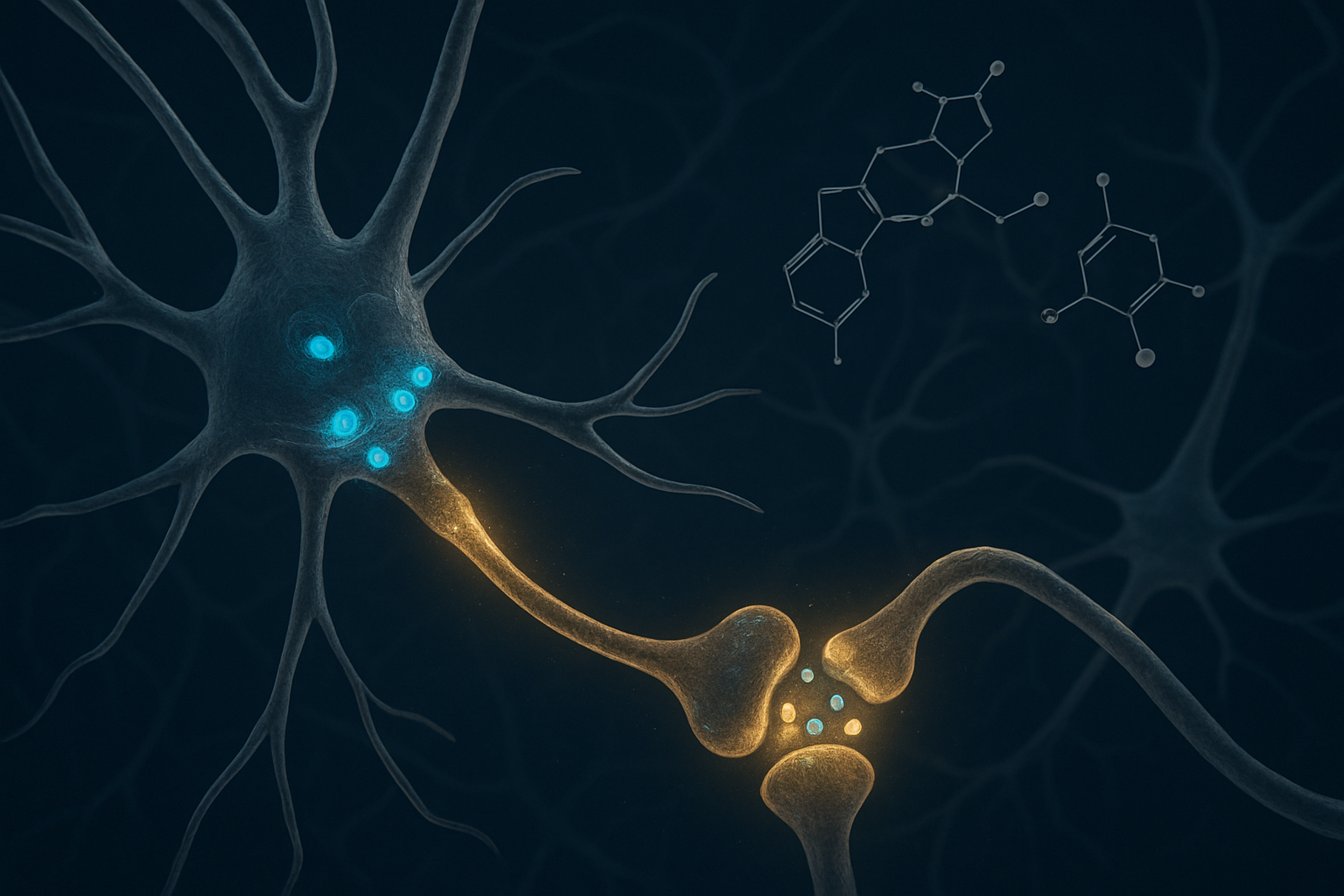
The primary pharmacological mechanism underlying 1P-LSD’s psychoactive effects centers on its activation of the serotonin 5-HT2A receptor. This specific receptor activation serves as the fundamental pathway through which 1P-LSD produces its characteristic behavioral and perceptual effects, which closely mirror those of LSD. Research has definitively established this mechanism through selective antagonist studies, where the compound M100907 successfully blocked the psychedelic effects, confirming the critical role of 5-HT2A receptor activation. This receptor system is particularly concentrated in cortical regions associated with perception, cognition, and consciousness, explaining the profound alterations in these domains that users of 1P-LSD 250mcg blotters typically experience.
The classification of 1P-LSD as a serotonin 5-HT2A receptor agonist places it within a well-understood pharmacological framework, providing researchers and users with predictable expectations regarding its effects profile and duration.
Serotonergic Psychedelic Classification
1P-LSD belongs to the serotonergic psychedelic class of compounds, a category that encompasses substances primarily acting through the serotonin neurotransmitter system. This classification distinguishes it from other psychoactive compound classes such as stimulants, depressants, or dissociatives. Serotonergic psychedelics are characterized by their ability to produce altered states of consciousness, enhanced introspection, and modified sensory perception through their interaction with serotonin receptors.
This classification system helps researchers and healthcare professionals understand the compound’s likely effects, potential interactions, and safety profile based on its pharmacological family. For individuals considering 1P-LSD 250mcg blotters, understanding this classification provides valuable context for anticipating the nature and quality of the experience.
Bioavailability and Metabolism Pathway
1P-LSD demonstrates exceptional bioavailability, reaching approximately 100% when administered. This near-complete bioavailability indicates that virtually all of the compound taken is absorbed and becomes available for pharmacological activity, making dosing calculations for 1P-LSD 250mcg blotters particularly reliable and predictable.
The metabolism of 1P-LSD follows a specific hydrolysis pathway, where the compound undergoes breakdown primarily through hydrolytic processes. Most significantly, LSD emerges as the primary metabolite during this metabolic conversion. This metabolic relationship explains why 1P-LSD produces effects so similar to LSD itself – the compound essentially serves as a prodrug that converts to LSD within the body. This conversion process is rapid and efficient, ensuring that users experience the full psychoactive effects associated with the serotonergic psychedelic class.
Elimination Half-Life and Detection Timeframes
The pharmacokinetic profile of 1P-LSD reveals a remarkably short initial elimination half-life of approximately 0.2 hours, indicating rapid conversion from the parent compound. Following intravenous administration in human subjects, 1P-LSD remains detectable in serum for no longer than 4 hours before complete conversion to LSD occurs.
This rapid elimination timeline has significant implications for detection and research protocols. The brief detection window for the parent compound means that after just 4 hours, standard analytical methods will identify LSD rather than 1P-LSD in biological samples. This pharmacokinetic behavior reinforces 1P-LSD’s role as an efficient prodrug, quickly metabolizing to produce the desired psychoactive effects while maintaining a relatively short detection period for the original compound.
Legal Status and Regulatory Information

Unscheduled Status in United States and Canada
As of 2015, 1P-LSD maintains an unscheduled status in both the United States and Canada, meaning it has not been explicitly placed on controlled substance lists in these jurisdictions. This regulatory position creates a unique legal landscape for 1P-LSD 250mcg blotters and other formulations of this research chemical. The unscheduled classification allows for certain legitimate activities involving the compound, though significant legal considerations still apply.
In the United States, substances that lack explicit scheduling under the Controlled Substances Act occupy a complex legal territory. Similarly, Canada’s approach to unscheduled psychoactive compounds follows comparable principles, where the absence of specific prohibition does not necessarily equate to unrestricted use or distribution. | LSD Blotters 250mcg
Federal Analogue Act Implications for Human Consumption
Despite its unscheduled status, 1P-LSD faces significant legal constraints under the Federal Analogue Act in the United States. This legislation may render the compound illegal when sold or used for human consumption, as it functions as a structural analog of LSD, which is a Schedule I controlled substance.
The Federal Analogue Act creates a legal framework where substances “substantially similar” to controlled substances can be treated as if they were scheduled drugs when intended for human consumption. This creates particular implications for those seeking to buy 1P-LSD blotters 250mcg online, as the intended use becomes a crucial legal factor.
Controlled Substance Status in Various Countries
The international regulatory landscape for 1P-LSD varies dramatically across jurisdictions. The compound has been classified as a prohibited or controlled substance in numerous countries, creating a complex patchwork of global regulations.
Countries with Controlled Status:
-
European Union: France, Finland, Denmark, Germany, Estonia, Latvia, Norway, Sweden, Switzerland, United Kingdom, Italy, Czech Republic, Croatia
-
Asia-Pacific: Australia, Japan, Singapore
-
Eastern Europe: Romania, Russia (controlled since 2017)
This extensive list of countries with restrictive regulations significantly impacts the global availability and legal research applications of 1P-LSD 250mcg blotters. Researchers and institutions must carefully navigate these varying legal frameworks when conducting studies or procuring materials. | LSD Blotters 250mcg
Research and Medical Use Permissions
Within the constraints of current regulations, 1P-LSD retains potential legitimacy when sold specifically for medical and research purposes. This designation provides a legal pathway for scientific investigation and academic study, distinguishing research applications from recreational or human consumption uses.
The research chemical designation allows qualified institutions and researchers to obtain lab tested 1P-LSD blotters 250mcg for legitimate scientific purposes. However, vendors and purchasers must ensure strict compliance with applicable regulations and maintain proper documentation regarding intended research applications to remain within legal boundaries. | LSD Blotters 250mcg
Safety Considerations and Research Findings

Scientific Studies on Behavioral Effects in Animal Models
Scientific studies have systematically assessed 1P-LSD’s behavioral effects in controlled animal models, providing crucial insights into its psychoactive properties. Research demonstrates that 1P-LSD induces LSD-like effects in laboratory animals, with particular focus on the head-twitch response (HTR) in mice. This behavioral marker serves as a reliable indicator of serotonergic psychedelic activity, and studies show that 1P-LSD produces this response in a dose-dependent manner. The dose-response relationship observed in these animal studies provides valuable data for understanding the compound’s potency and establishing safety parameters for research applications.
Human Pharmacokinetic Research Data
Comprehensive human pharmacokinetic research has been conducted to understand 1P-LSD’s behavior in the human body following both oral and intravenous administration. These studies reveal fascinating insights into the compound’s metabolism and conversion patterns. Notably, research shows that high levels of LSD and relatively low levels of 1P-LSD are quickly detected in human subjects after administration, indicating rapid metabolic conversion.
The pharmacokinetic profile demonstrates that 1P-LSD is detectable in human serum for no longer than 4 hours post-intravenous administration before complete conversion to LSD occurs. This rapid biotransformation suggests that 1P-LSD functions as a prodrug, converting to LSD once introduced into biological systems. These findings are particularly relevant for researchers working with lab tested 1P-LSD blotters 250mcg, as they inform dosing protocols and timing considerations for experimental studies. | LSD Blotters 250mcg | LSD Blotters 250mcg
Comparison Studies with Traditional LSD
Direct comparison studies between 1P-LSD and traditional LSD have yielded significant findings regarding their relative effects and potency. Research conducted in both animal and human experimental settings demonstrates remarkable similarity in duration and behavioral effects between the two compounds. A comprehensive 2020 study found that the qualitative effects of 1P-LSD and LSD were virtually indistinguishable, supporting the hypothesis that 1P-LSD’s effects are mediated through its conversion to LSD.
However, potency differences have been identified through careful analysis. Research indicates that 1P-LSD has approximately 38% of the potency of traditional LSD, meaning higher doses are required to achieve equivalent effects. This potency differential has important implications for dosing considerations, particularly when working with 1P-| LSD Blotters 250mcg dosage blotter paper preparations. LSD Blotters 250mcg
Quality Control and Purity Considerations for Blotter Products
While comprehensive data on quality control and purity considerations for blotter products remains limited in the current research literature, this represents a significant gap that requires attention from the scientific community. The absence of established quality control standards poses challenges for researchers seeking to obtain consistent, reliable preparations for experimental purposes. Future research initiatives should prioritize developing standardized analytical methods and purity assessment protocols to ensure the reliability and reproducibility of studies involving 1P-LSD blotter preparations.
FAQ
What makes 1P-LSD 250mcg blotters different from other dosages?
The 250mcg dosage represents a strong concentration that experienced researchers typically choose for comprehensive studies. Standard blotters usually contain 100-150mcg, making these 250mcg tabs significantly more potent. This higher concentration means smaller quantities are needed for research purposes, though careful handling becomes even more critical. The effects profile remains similar to lower doses but with increased intensity and duration.
How long do 1P-LSD 250mcg effects typically last?
Research indicates that 1P-LSD 250mcg blotters produce effects lasting 8-12 hours, with peak activity occurring 2-4 hours after administration. The onset typically begins within 30-60 minutes, with initial effects gradually building. The extended duration compared to lower doses makes proper planning essential for research protocols. Some residual effects may persist for an additional 2-4 hours as the compound metabolizes.
Are lab tested 1P-LSD blotters 250mcg more reliable?
Lab testing confirms purity, potency, and absence of harmful adulterants in 1P-LSD 250mcg blotters. Reputable vendors provide certificates of analysis showing exact compound concentration and contamination screening results. This verification process helps researchers know they’re working with accurately dosed material. Without testing, actual potency can vary significantly from advertised amounts, affecting research consistency and safety protocols.
What’s the best storage method for 1P-LSD 250mcg blotter sheets?
Store 1P-LSD blotters in cool, dark, dry conditions away from light, heat, and moisture. Aluminum foil wrapping provides excellent protection from UV degradation, while airtight containers prevent humidity exposure. Refrigeration can extend shelf life but requires careful moisture control. Proper storage maintains compound stability for months, while poor conditions can degrade potency within weeks.
Can you order 1P-LSD 250mcg blotters with discreet shipping?
Most research chemical vendors offer discreet packaging options for 1P-LSD 250mcg orders, using plain envelopes or boxes without identifying labels. EU shipping typically provides faster delivery times for European customers. However, shipping policies vary by vendor and destination country. Always verify local regulations before ordering, as legal status differs significantly between jurisdictions worldwide. | LSD Blotters 250mcg
How do 1P-LSD 250mcg tabs compare to other research chemicals?
1P-LSD shares structural similarity with LSD-25 but includes a propyl chain modification that may affect pharmacological properties. The 250mcg dosage provides researchers with a standardized high-potency option for comparative studies. Unlike some research chemicals with limited data, 1P-LSD has accumulated substantial research documentation. The blotter format offers convenient dosing accuracy compared to powder forms requiring precise measurement equipment. | LSD Blotters 250mcg
What should researchers know before buying 1P-LSD blotters 250mcg online?
Research the vendor’s reputation, testing protocols, and shipping policies before purchasing 1P-LSD 250mcg blotters online. Verify that research use complies with local regulations, as legal status varies by location. Check for customer reviews and laboratory analysis availability. The best 1P-LSD 250mcg blotters come from established vendors with consistent quality control and transparent business practices. | LSD Blotters 250mcg

1P-LSD blotters at 250mcg represent a well-documented psychedelic compound that functions as a prodrug to LSD, offering approximately 38% of LSD’s potency with similar effects lasting 8-12 hours. The research demonstrates clear dose-dependent responses mediated through 5-HT2A receptor activation, with peak effects occurring within 5-20 minutes of administration. Understanding proper dosage guidelines, which typically range from 100-200mcg, is crucial for safe usage given the compound’s rapid conversion to LSD in the body. | LSD Blotters 250mcg
The complex legal landscape surrounding 1P-LSD varies significantly across jurisdictions, with many countries having banned the substance while others maintain unclear regulatory status. Given the limited research on long-term effects and potential health implications, individuals considering 1P-LSD should prioritize thorough research, understand local laws, and approach usage with extreme caution. The pharmacological similarity to LSD suggests comparable risk profiles, making informed decision-making and harm reduction practices essential for anyone exploring this lysergamide compound. LSD Blotters 250mcg | LSD Blotters 250mcg | LSD Blotters 250mcg | LSD Blotters 250mcg | LSD Blotters 250mcg | LSD Blotters 250mcg | LSD Blotters 250mcg | LSD Blotters 250mcg | LSD Blotters 250mcg | LSD Blotters 250mcg | LSD Blotters 250mcg | LSD Blotters 250mcg | LSD Blotters 250mcg